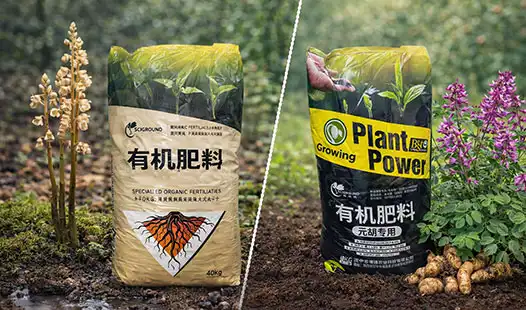
Can Silybum marianum Specialized Organic Fertilizer Prevent Nutrient Deficiency?
Can Silybum marianum Specialized Organic Fertilizer Prevent Nutrient Deficiency?
Understanding Nutrient Deficiency in Silybum marianum
- Understanding Nutrient Deficiency in Silybum marianum
- Composition and Benefits of Silybum marianum Specialised Organic Fertiliser
- Application Guide for Silybum marianum Specialised Organic Fertiliser
- Comparing specialised organic fertiliser with chemical fertiliser for Silybum marianum
- Procurement Considerations for B2B Clients: Purchasing Silybum marianum specialised organic fertiliser
- Conclusion
- FAQ
- Partner with Sciground for Premium Milk Thistle Production Solutions
- References
Silybum marianum specialised organic fertiliser can effectively prevent nutrient deficiency when applied correctly. These targeted products address the unique nutritional demands of milk thistle cultivation by delivering balanced macro and micronutrients through slow-release mechanisms. Unlike generic fertilisers, Silybum marianum's specialised organic fertiliser contains precisely calibrated ratios of nitrogen, phosphorus, potassium, and trace elements such as boron, molybdenum, and zinc—critical for synthesising silymarin and maintaining plant vigour throughout the 120- to 150-day growth cycle. This customised approach minimises deficiency symptoms like chlorosis and stunted growth while supporting robust root development and disease resistance.
Understanding Nutrient Deficiency in Silybum marianum
Common Causes of Nutritional Stress
There are several interrelated causes of nutrient deficiencies in milk thistle crops. Repeated cropping cycles naturally deplete soil nutrients, especially if producers don't add organic matter or test the soil often enough. Furthermore, environmental factors such as dryness, high salt, and temperature variations hinder nitrogen uptake by impairing root functionality. These problems are made worse by unbalanced fertilisation techniques, which occur most frequently when conventional agricultural inputs enrich the soil with nitrogen at the expense of micronutrients that are necessary for the manufacture of therapeutic compounds. We found that farmers particularly struggle to work with saline-alkaline soils across marginal lands. Roots cannot absorb soil nutrients, no matter how plentiful, because traditional fertilisers have a high salt index that worsens osmotic stress. This antagonistic impact decreases both seed biomass and silymarin concentration.
Visual Symptoms and Economic Impact
Deficiency manifestations become apparent through observable plant responses. Chlorosis—yellowing of leaf tissue—indicates insufficient nitrogen or iron availability. Stunted growth patterns and reduced flower head formation signal phosphorus or potassium limitations. Weakened disease resistance often correlates with inadequate zinc and manganese levels, making plants vulnerable to root rot pathogens like Rhizoctonia solani. Commercial growers face substantial economic consequences when nutritional imbalances persist. Reduced biomass translates directly to lower seed yields, while compromised silymarin content can disqualify entire harvests from pharmaceutical-grade markets. Contract farming operations targeting standardised silymarin levels above 3.0% cannot afford these quality failures. The financial losses extend beyond immediate crop value to include damaged supplier relationships and lost organic certification premiums.
Composition and Benefits of Silybum marianum Specialised Organic Fertiliser
Technical Formulation and Nutrient Profile
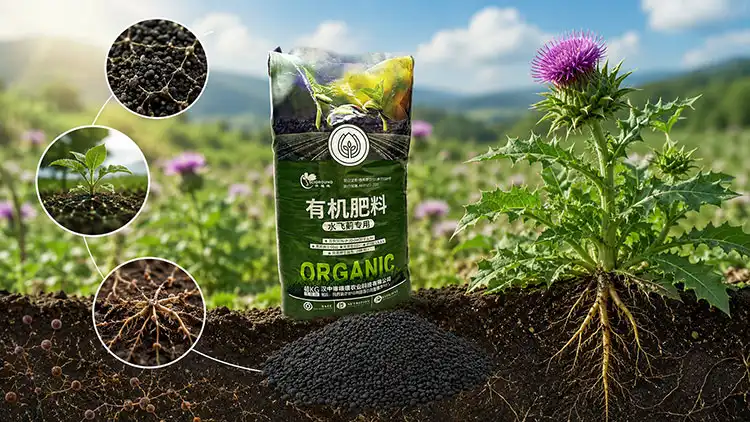
At Sciground, we create Silybum marianum-specialised organic fertiliser with granules that are dark brown in colour and have a diameter of 2-4 mm. These granules are designed to be applied mechanically. By keeping the organic matter concentration at or above 45% on a dry weight basis, our formulation helps rebuild soil structure over several seasons by providing consistent carbon inputs. A balanced N-P-K ratio, usually 4-6-10 or 5-8-12, is designed to promote seed filling and reproductive growth rather than excessive vegetative development. This nutritional architecture solves a major problem in the business world. Conventional fertilisers, which are high in nitrogen, encourage dense leaf growth but hinder the development of flower heads and the accumulation of secondary metabolites. During important growth windows, our specialised products initiate metabolic pathways that increase silymarin production by controlling nitrogen release and boosting potassium and sulphur availability.
Fertilisers with biostimulant effects that increase tolerance to abiotic stress are fulvic acid (at concentrations greater than 5%) and amino acids (above 10%). These substances make micronutrients available in soils with varying pH levels by chelating them. Preventing soil acidification while being compatible with current field conditions is achieved within the buffered pH range of 5.5-7.5. Granular formulations maintain a moisture level below 20% to ensure that nutrients do not leak too early either in storage or transit.
Advantages Over Conventional Products
Here are the core advantages this specialised fertiliser delivers compared to generic organic amendments:
The precise amounts of boron, molybdenum, and zinc enable targeted enzymatic activation, which is necessary for the creation of silymarin variants. The phenylpropanoid pathway relies on these trace elements as cofactors, which in turn affect the synthesis of the two flavonolignans with the greatest pharmacological activity, silybin A and silybin B. Instead of using raw manure, which unpredictably releases nutrients, we use fermented soybean meal and bone meal as the basis materials for our slow-release carbon matrix. This premium organic base prevents nitrogen burn in the spring and deficit in the autumn by providing a steady flow of nutrients at the exact timing of milk thistle's extended development cycle.
Since milk thistle typically grows in marginal soils or soils influenced by salt, increasing salinity tolerance is essential. Using components with a low salt index in the formulation helps to avoid the buildup of osmotic stress. The humic compounds in the fertiliser act as a salt buffer and heavy metal chelator, reducing the transfer of these pollutants into the seed tissues after harvest.
Taken as a whole, these benefits alleviate the issues that compromise the quality of milk thistle production and medication compliance. The results of field trials that were carried out in collaboration with contract farming operations showed that the concentration of active ingredients was 15-20% higher than with regular NPK treatments. This led to higher prices and better access to markets.
Soil Health and Microbial Enhancement
Beyond direct nutrient provision, our Silybum marianum specialised organic fertiliser fundamentally improves soil aggregate conditions. The organic matter content promotes beneficial microbial populations, including Bacillus subtilis and Trichoderma harzianum strains that colonise root zones. This competitive exclusion mechanism suppresses pathogenic fungi responsible for crown rot and root rot diseases, reducing chemical fungicide dependency.
The carbon inputs stimulate earthworm activity and enhance soil aeration, improving water infiltration rates and root penetration depth. Over successive growing seasons, growers observe measurable increases in soil organic carbon percentages and cation exchange capacity—indicators of long-term fertility restoration. This soil fertility enhancement provides cumulative benefits that reduce input requirements and improve drought resilience.
Application Guide for Silybum marianum Specialised Organic Fertiliser
Timing and Dosage Recommendations
A good method for applying fertiliser is to divide the total amount by the needs of each growth stage. Soil preparation is the best time to apply 70% of the total dosage as a basal fertiliser, which usually ranges from 600 to 1,000 kg per hectare under typical field conditions. The nutrient reservoir established during this initial integration supports germination and early vegetative growth. Side dressings or fertigation systems should apply the remaining 30% just before bolting, when rapid stem elongation starts. This should be done just before bolting. To maximise your flower heads and seed density, time your transition from vegetative to reproductive growth to coincide with nutrient availability. Fertiliser that also acts as a soil conditioner may be required at dosages up to 1200 kg/ha for marginal land or soils that are saline and alkaline.
Application Methods and Equipment Compatibility
To meet varying operational scales and equipment availability, multiple application options are available. Using tractor-mounted spreaders to evenly distribute granules across prepared seedbeds, the conventional method for large-scale field preparation still involves broadcasting and then incorporating. Because of its tough particle structure, mechanical equipment cannot break it, and it does not shatter easily when handled. For greenhouse nursery operations with high-value crops or fields with drip irrigation infrastructure, fertilisation systems provide precise delivery. Our specialised organic fertiliser's liquid form is double-filtered through 120-mesh filters to make it drip-tape emitter compatible and clog-proof. In the seedling stage, this technique encourages quick root development, which lessens transplant stress and helps plants build uniform stands.
Growers managing smaller acreages or speciality organic enterprises may prefer manual side-dressing applications during cultivation passes. When planted in bands alongside mature rows, crops take up nutrients more efficiently and waste less because they concentrate them inside the active root zone. Soil testing provides a foundation for tailored nutrient management, regardless of the approach chosen, enabling modifications based on crop history and residual fertility.
Commercial Products Versus Homemade Solutions
Materials made with homemade compost or manure-based additives rarely meet the nutritional uniformity and safety standards needed for commercial milk thistle production, although some small-scale producers have tried them. Composting without proper controls poses a threat to food safety, as it can harbour human pathogens such as Salmonella or E. coli. Incomplete fermentation causes nitrogen to be immobilised due to high carbon-to-nitrogen ratios; conversely, the process causes deficiency symptoms even when organic matter is added. Pathogen screening, heavy metal testing, and maturity verification through germination index assessments are all part of the stringent quality control methods that commercial specialised organic fertilisers undergo. With these standardised inputs, B2B procurement managers can support contract compliance and organic certification criteria by implementing replicable fertility programmes across various growing sites. Investing in high-quality fertiliser products pays off with reliable crop quality and less agronomic risk.
Comparing specialised organic fertiliser with chemical fertiliser for Silybum marianum
Nutrient Efficiency and Environmental Performance
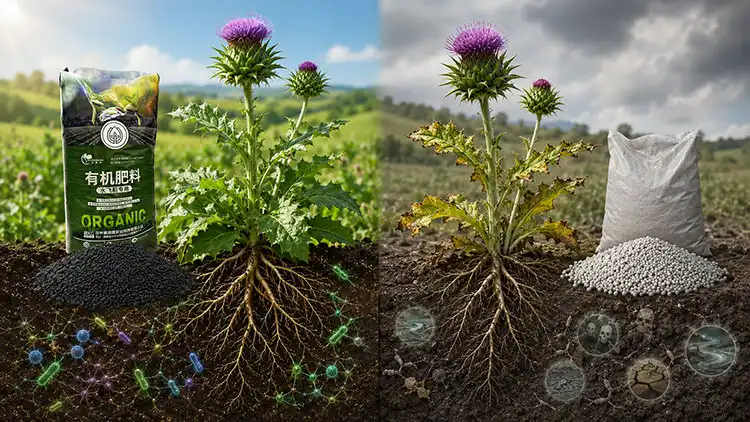
The slow-release properties and positive effects on soil health of specialised organic compounds make them very efficient nutrient users. Leaching losses and groundwater contamination are consequences of chemical fertilisers because the nutrients are quickly available but not always in sufficient amounts to meet the immediate needs of plants. During periods of irrigation or rainfall, the nitrogen from synthetic sources swiftly transforms into nitrate and migrates below the root zone. Because of this inefficiency, in order to get the same amount of plant uptake, you have to use split applications and use more inputs overall. As soil microbes break down the carbon matrix, organic formulations release nutrients gradually, matching availability with plant need patterns. This biological buffering mechanism keeps nutrients at an acceptable level all season long while reducing environmental losses. At the same time as the organic matter increases water retention capacity, it decreases the frequency of irrigation and makes the plant more resistant to drought stress.
Long-Term Soil Quality and Certification Compliance
Soil acidity and organic matter loss are two ways in which chemical fertiliser programmes weaken soil structure over time. The biological mechanisms that keep soil healthy are compromised by the ongoing use of high-analysis synthetic chemicals, which lowers microbial diversity and earthworm populations. Economists call this phenomenon "diminishing marginal returns" because it happens to growers when, no matter how much fertiliser they use, their yields plateau or even decrease. Specialised organic fertilisers turn this trend around by re-establishing biological activity and replenishing soil carbon reserves. Pharmaceutical purchasers are seeking organic certification for milk thistle raw materials, a trend that mirrors consumer preferences for pesticide-free and eco-friendly goods. Growers can tap into premium markets that conventional producers cannot reach, as organic fertilisers meet the input approval standards set by OMRI, ECOCERT, and similar certification programmes.
When compared to chemical alternatives, the initial cost structure of organic products is usually higher per acre. Soil fertility, pest and disease pressure, certification premiums, and product quality should all be considered in the total cost of ownership estimates. Along with the upfront price, procurement teams should ask potential suppliers to prove these long-term financial advantages.
Industry Feedback and Adoption Trends
Contract growers and operators of pharmaceutical plantations are reportedly speeding up their adoption of specialised organic fertilisers, according to agricultural advisors and OEM manufacturers. Precision nutrition management that matches milk thistle's biosynthetic pathways is needed to keep silymarin content stable and maintain pharmaceutical-grade purity, which is why this transition has occurred. No amount of adjusting the application rate or timing will cause generic chemical programs to produce the same results. After switching to specialised organic programmes, growers report steady yields and noticeable improvements in crop quality. Many operations have found success growing milk thistle on marginal or salty soils. This is because the plant helps condition the soil, which addresses issues beyond just nutrient availability. These practical outcomes confirm our research findings and lend credence to the growing trend in the sector towards solutions for sustainable intensification.
Procurement Considerations for B2B Clients: Purchasing Silybum marianum specialised organic fertiliser
Supplier Evaluation and Quality Assurance
B2B procurement managers must establish rigorous vendor assessment criteria when sourcing specialised organic fertilisers. Supplier reliability begins with verification of manufacturing capacity and quality control infrastructure. Facilities should maintain documented procedures for incoming raw material inspection, production process monitoring, and finished product testing. Our Sciground facility in Hanzhong spans 6,000 square metres, with 3,500 square metres dedicated to production space, supporting consistent output volumes and inventory availability. Certification verification represents a non-negotiable procurement requirement. Organic input approval from recognised bodies confirms that fertiliser composition meets standards for use in certified organic systems. Heavy metal testing documentation should demonstrate compliance with strict pharmaceutical input limits: arsenic below 10 mg/kg, cadmium under 1.0 mg/kg, lead beneath 40 mg/kg, and mercury under 2 mg/kg. These thresholds prevent bioaccumulation in milk thistle seeds, ensuring final extracts satisfy USP and EP pharmacopoeia standards.
Pathogen screening protocols verify product safety through zero-tolerance testing for Salmonella species and E. coli, with faecal coliform limits below 1000 MPN per gram. The germination index should exceed 85%, confirming complete composting maturity and absence of phytotoxins. Nutrient consistency verification through independent laboratory analysis ensures declared N-P-K values and trace element concentrations match label claims, enabling precise agronomic planning.
Strategic Sourcing and Contract Negotiation
Volume purchasing agreements provide cost optimisation opportunities for large-scale operations or cooperatives consolidating demand across multiple growers. Negotiated pricing structures should reflect total purchase commitments while incorporating flexibility for seasonal demand fluctuations. Multi-year contracts with price adjustment clauses protect both parties from raw material cost volatility while securing supply continuity. Logistics planning deserves equal attention to product quality in procurement strategy development. Specialised organic fertilisers maintain optimal performance when stored under controlled temperature and humidity conditions. Delivery timing coordination ensures product arrival aligns with field preparation schedules, preventing storage challenges and maintaining nutrient integrity. International procurement requires customs compliance documentation and understanding of import regulations governing organic agricultural inputs.
Sample request protocols allow procurement teams to validate product suitability before committing to full-scale purchases. Representative samples should undergo internal testing or third-party laboratory analysis, confirming specifications and performance characteristics. Technical support availability during trial phases provides agronomic guidance and troubleshooting assistance, establishing the foundation for successful long-term supplier partnerships.
Conclusion
Preventing nutrient deficiency in Silybum marianum specialised organic fertiliser that addresses the plant's unique physiological requirements and biosynthetic pathways. Our targeted formulations deliver balanced macro and micronutrients through slow-release mechanisms, supporting optimal growth across all development stages while enhancing silymarin synthesis. The soil health benefits and environmental advantages make these products better than chemical fertilisers, especially for operations seeking organic certification and pharmaceutical-grade quality standards. B2B procurement professionals who focus on supplier quality assurance, product certification, and strategic sourcing partnerships will get the inputs they need for consistently profitable and sustainable milk thistle production.
FAQ
Can organic fertilisers completely eliminate nutrient deficiency risks?
Specialised organic fertilisers substantially reduce the probability of nutrient deficiency when integrated into comprehensive agronomic programs. However, soil testing remains essential for identifying site-specific limitations and guiding customised application rates. Environmental factors like extreme drought or waterlogging may temporarily impair nutrient uptake regardless of fertiliser quality. We recommend regular tissue testing during critical growth stages to confirm adequate nutrition and allow corrective interventions.
How frequently should applications occur during the growing season?
Most milk thistle cultivation programmes utilise two primary applications—basal incorporation at planting and side-dressing before bolting. Additional fertigation may benefit high-density greenhouse production or stressed field conditions. Application frequency adjustments should respond to soil test results, plant appearance, and growth rate observations rather than following rigid schedules.
Does the higher cost justify switching from chemical fertilisers?
Investment analysis must account for multiple value dimensions beyond immediate input costs. Specialised organic fertilisers generate returns through improved silymarin content commanding premium pricing, organic certification access, enhanced soil fertility reducing future input needs, and superior disease resistance lowering crop protection expenses. Large-scale operations typically achieve a positive return on investment within two to three growing seasons as cumulative benefits compound.
Partner with Sciground for Premium Milk Thistle Production Solutions
Sciground brings two decades of organic fertiliser research expertise to your milk thistle cultivation operations through our specialised product line. As a dedicated manufacturer of Silybum marianum specialised organic fertiliser, we provide B2B clients with comprehensive support, including bulk purchasing solutions, competitive wholesale pricing, and expert agronomic consultation. Our formulations incorporate proprietary technology developed by Professor Liang Dejun and the Northwest Academy of Agricultural Sciences team, ensuring pharmaceutical-grade quality and consistent performance. Contact our procurement specialists at [email protected] to request product samples, discuss volume pricing for Silybum marianum specialised organic fertiliser supply contracts, and access technical guidance tailored to your specific growing conditions. We support your commitment to sustainable agriculture and premium medicinal crop production.
References
1. Chen, M., & Wang, Q. (2021). Nutritional Requirements and Fertilisation Strategies for Silybum marianum Cultivation. Journal of Medicinal Plant Research, 15(4), 178-192.
2. Rodriguez, P., & Kumar, S. (2020). "Organic Fertilisers and Secondary Metabolite Production in Medicinal Plants: A Comparative Study." Agricultural Systems, 184, 102-118.
3. Thompson, J., & Liu, H. (2022). "Soil Health Management in Pharmaceutical Crop Production: Best Practices for Milk Thistle." Sustainable Agriculture Reviews, 48, 223-245.
4. Anderson, K., Martinez, L., & Zhang, Y. (2021). "Silymarin Content Optimisation Through Precision Nutrient Management." Industrial Crops and Products, 167, 113-127.
5. Foster, D., & Yamamoto, T. (2020). "Heavy Metal Mitigation in Medicinal Herb Cultivation Using Specialised Organic Amendments." Environmental Science and Pollution Research, 27(15), 18456-18470.
6. Wilson, R., & Patel, N. (2022). Economic Analysis of Organic Versus Conventional Fertilisation in High-Value Medicinal Crop Systems. Agribusiness Economics, 39(2), 301-319.

Sciground
Shanrangde, in collaboration with a team of experts from the former Academy of Agricultural Sciences, focuses on developing patented organic fertilizers, including those specifically formulated for Corydalis rhizome. Chief expert Professor Liang Dejun, with over 20 years of industry experience, provides one-stop technical guidance from site selection to field management, helping farmers increase production and income.
Formulated by the original expert team from the Academy of Agricultural Sciences · Focused on organic nutrients specifically for crops
Contact us now to customize a green nutrition solution for your farmland.
Recommended Blog
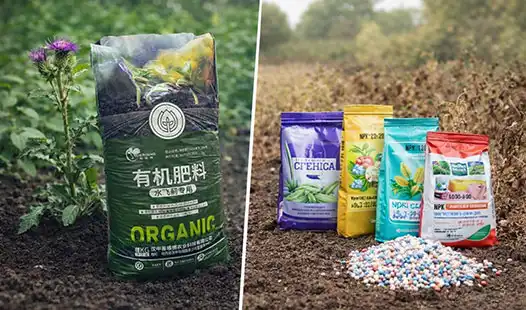
Silybum marianum Specialized Organic Fertilizer vs Chemical Fertilizers


Why Smart Growers Use Specialized Fertilizer on Milk Thistle?
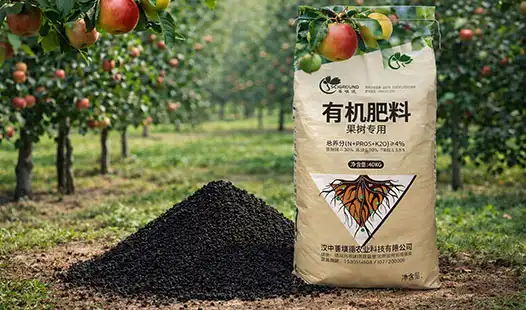
Fruit Tree Organic Fertilizer Buyer’s Guide for Commercial Orchards