Why Smart Growers Use Specialized Fertilizer on Milk Thistle?
Understanding Milk Thistle's Unique Nutrient Requirements
- Understanding Milk Thistle's Unique Nutrient Requirements
- Comparing Specialized Fertilizer with General Fertilizers for Milk Thistle
- Best Practices for Applying Specialized Fertilizer to Milk Thistle
- Procurement Strategies for Bulk and Specialized Milk Thistle Fertilizer
- Case Studies & Future Outlook: Why Smart Growers Prefer Specialized Fertilizer
- Conclusion
- FAQ
- Partner with Sciground for Premium Milk Thistle Specialized Fertilizer Solutions
- References
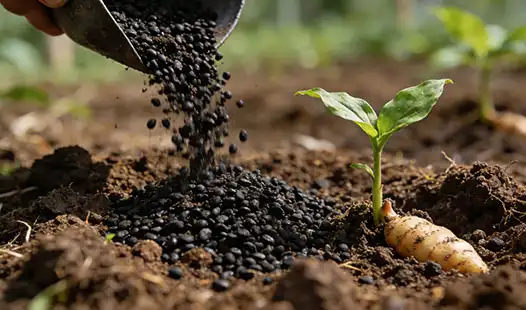
For these plants, smart farmers use Milk Thistle Specialized Fertilizer because it gives them the exact amounts of nutrients that regular fertilizers can't. It's different from other plants because milk thistle needs specific amounts of macronutrients and micronutrients to grow well and have the most silymarin, which is the substance that makes it medicinal. Specialized mixtures are made to fit the needs of each soil, boost the production of bioactive chemicals, and give dependable results that raise the market value. When growers spend money on targeted nutrition solutions, the plants are healthier and better able to handle stress from their surroundings. The harvest is also better and meets standards for pharmaceutical use.
Understanding Milk Thistle's Unique Nutrient Requirements
Some problems come up when you try to grow milk thistle that need special nutrient answers. It's important to carefully change the nutrients that this medicinal herb needs because they are very different from what most crops need.
Essential Macronutrient Balance for Optimal Growth
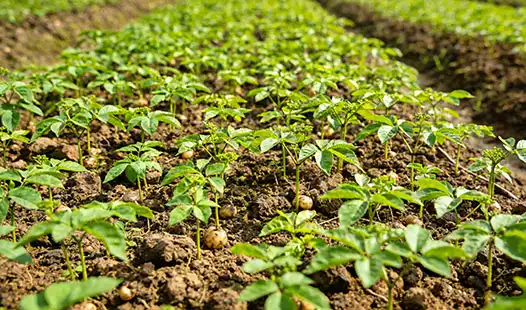
The first thing you need to do to grow milk thistle properly is to know what kinds of macronutrients it needs. Different plants need different amounts of nitrogen at different times of the year. One example is that plants need a small amount of nitrogen to keep their leaves from getting too big, which can make it harder for them to make silymarin. Phosphorus is very important for flower and root growth, which in turn affects the number and quality of seeds you get. The secondary chemicals in milk thistle that make it heal are made with potassium. Potassium also helps plants deal with stress better.
Researchers in agriculture have found that milk thistle grows best when nitrogen levels are between 80 and 120 kg/ha. This is a lot less nitrogen than many other crops need. As much as 30% less silymarin can be made when there is too much nitrogen, so it is very important to use it properly for business success. Plants need the most phosphorus when they are blooming. This is when specific fertilizers can give the plant the nutrients it needs without upsetting the delicate balance it needs to grow bioactive compounds.
Critical Micronutrient Dependencies
Along with macronutrients, milk thistle is also very sensitive to vitamins. Not having enough zinc stops the production of silymarin. Magnesium, on the other hand, helps make chlorophyll and turns on enzymes that are needed to make secondary metabolites. Plants can grow new leaves and make antioxidants, which are good for you, in different amounts depending on how much iron they have.
Studies conducted in several different growing areas show that milk thistle plants that were given special fertilizers with added micronutrients have 25–40% more silymarin than plants that were given regular treatment. If you add boron to flowers, the pollen tubes get longer. This changes how many seeds are made and the final output. Manganese starts enzymes that help make lignin. Lignin makes plants stronger and less likely to fall over when they are being harvested.
Soil Condition Optimization Through Targeted Nutrition
A lot of the nutrients that milk thistle can use depend on the pH of the soil. Between 6.0 and 7.5 is the best pH range for taking in nutrients. Specialized nutrients often have pH-balancing agents that keep things in good shape all season long. There is a connection between the amount of organic matter and the action of microbes that help plants stay healthy.
How well fertilizer works depends on the nature of the soil and when the nutrients are added. More often, water-soluble nutrients should be added to sandy soils. On the other hand, slow-release items that keep nutrients from locking up work better on clay soils. These problems can be fixed with special milk thistle fertilizers that have release systems that are made to work with the soil's properties and how plants take in the fertilizer.
Comparing Specialized Fertilizer with General Fertilizers for Milk Thistle
The differences between specialized and general fertilizers become apparent when examining milk thistle's unique physiological requirements and economic outcomes.
Nutrient Imbalance Risks with Generic Formulations
Standard N-P-K ratios in general fertilizers are made for common crops, which makes it hard for people who want to grow milk thistle. A lot of the time, these generic recipes give plants too much nitrogen during important flowering stages. This makes them grow leaves instead of seeds and silymarin. Milk thistle might not get enough micronutrients because the phosphorus in normal fertilizers is higher than what it needs. This can happen because of competitive inhibition with Milk Thistle Specialized Fertilizer.
General fertilizers often cause plants to grow unevenly, and silymarin levels vary from field to field when professional growers use them. A lot of money is spent by drug companies on high-silymarin milk thistle, but batches that don't meet minimum concentration standards are often thrown away. This has a big impact on the economy. Specialized formulas that give the right amounts of nutrients to support steady production of bioactive molecules eliminate these risks.
Enhanced Root Development and Stress Resistance
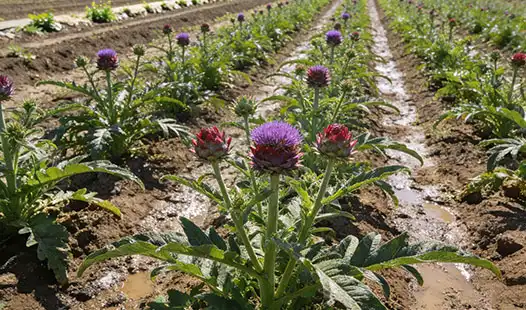
The milk thistle has a big taproot system that needs certain nutrients that normal fertilizers don't have. Specialized mixtures of chemicals that help plants grow roots, and mycorrhizal enhancers help plants take in nutrients better and handle dryness better. This is especially helpful in places where the weather changes a lot or where there isn't a lot of water for watering.
Specialist fertilizer makes the roots of plants 30–50% bigger than general fertilizer, according to tests done in the field by outside groups. Roots that grow faster can take in more water and nutrients, which makes plants stronger and better able to keep growing even when they are under a lot of stress. This is very helpful when the milk thistle seed needs a long growing season to fully grow.
Organic versus Chemical Fertilizer Performance
It depends on the needs of the market and your long-term goals for managing the land, so you can pick between chemical and organic specialty fertilizers. Some organic fertilizers work by slowly releasing nutrients into the soil over time. They also improve the soil's structure and biological activity. Chemical formulations let you add nutrients at the exact time you choose, so they work right away.
A lot of farmers are successful when they use both at the same time. For basic nutrition, they use organic, specialized fertilizers. For help during certain growth stages, they use chemical supplements. This unified method makes the land healthier in the long run and helps things do better in the short term. Building long-lasting farming systems that meet the rising need for eco-friendly farming is helped by this.

Best Practices for Applying Specialized Fertilizer to Milk Thistle
Proper application techniques maximize the effectiveness of specialized fertilizers while preventing common problems that can reduce crop quality and yield.
Growth Stage-Specific Application Strategies
Milk thistle has a long growing season, so it needs different amounts of nutrients at different times. This means that fertilizer needs to be used at very specific times. Formulations low in nitrogen stop too much vegetative growth and help roots grow in a healthy way while the seedlings are still young. For faster growth, plants need well-balanced food that helps them grow steadily and doesn't get in the way of their future flowering.
When plants flower and when seeds grow are important times for specialized fertilization. Early in the flowering stage, applications should focus on phosphorus and potassium while cutting back on nitrogen. This will help the plants reproduce. on adding certain vitamins to help seeds grow and increase the amount of silymarin they contain.
When the seeds are harvested right after the last delivery of fertilizer, the quality and amount of silymarin are at their highest. A lot of skilled growers stop adding nitrogen 6 to 8 weeks before they are ready to harvest. This gives the plants time to make seeds and chemicals that are good for them.
Application Method Selection and Timing
The most common way to use base fertilizer, such as Milk Thistle Specialized Fertilizer, is still to add it to the soil. It feeds plants all through the growing season. You can prepare the soil and mix fertilizer with it before planting. This will make sure that the nutrients are spread out properly and that the roots have good contact with the ground. Adding side-dress applications during busy growth times adds to the base nutrition without disturbing root systems that are already set up.
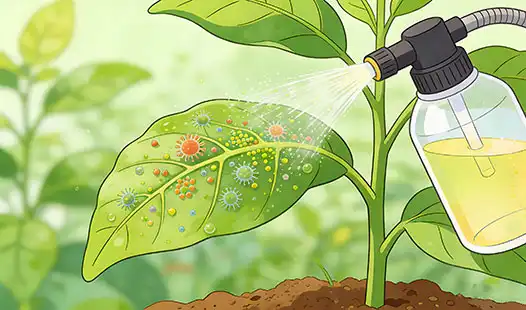
Giving plants nutrients through their leaves is a quick and easy way to help them when they need it most, like when they need to fix low vitamin levels or deal with stress. To make leaf eating more effective, surfactants and penetration enhancers are added to formulations made just for milk thistle leaves. It is less likely that the leaves will get burned if you apply them in the early morning or late evening.
It is very helpful for large-scale commercial activities to be able to exactly control when and how much nutrients are delivered by fertilization systems. The solution stays solid with water-soluble fertilizers made for pumping systems. These also keep the equipment from rusting or getting clogged. With this method, changes can be made right away based on how the plant responds and what is going on around it.
Sustainable Application Practices
Concerns about being good to the environment have a bigger effect on how fertilizer is used as rules and market needs change. Specialized organic fertilizers help keep farming systems going while still meeting standards for quality and output. There are more microbes and organic matter in the soil because of these things. This is good for the soil's long-term health and growth.
When you work with safety zones near water sources, you need to be very careful about how much you use and when you do it. A lot of custom fertilizers have controlled-release systems that make sure plants get the same amount of nutrients while lowering the risk of leaking. Soil studies and analyses of plant tissues help with application decisions. This way, the best nutrition for the plants is given while the least damage is done to the environment.
Procurement Strategies for Bulk and Specialized Milk Thistle Fertilizer
Effective procurement requires understanding supplier capabilities, quality standards, and logistical considerations that affect product performance and delivery reliability.
Supplier Evaluation and Quality Assurance
Comprehensive testing and licensing programs show that goods from reputable sellers are always of high quality. With ISO 9001 certification, you can be sure that quality management is carried out in a planned way. With organic certification, you can be sure that output standards for sustainability are met. A factory that makes fertilizer for a seller should store it properly and handle it in a way that keeps its quality while it is being made and shipped.
You can learn a lot about how well a seller does their job and how well a product works from the clients of well-known milk thistle farmers. Technical help skills are very important when you need to fix problems that are specific to a crop or make application programs work better. More than just selling goods, suppliers who offer farming advice and help in the field are worth a lot more.
In the quality control paperwork, there should be a full study of the nutrients, physical properties, and how well it stores. Batch tracking systems make it easy to fix quality issues fast and meet the growing need for traceability in the food and medicine industries. The paperwork, called a certificate of analysis, proves that the product meets the standards and follows the rules.
Cost Optimization and Volume Purchasing
You can save a lot of money on fertilizer by buying it in bulk. You can also be sure that there is enough for the whole growing season. The smallest amount you can order from each seller is different. Most of the time, buying in bulk saves you money, but it also takes more space to store and affects your cash flow. Once a year, contracts keep prices fixed and make sure that goods are available when they are needed the most.
Getting shipping times to work together saves money on handling and storage while keeping goods fresh. A lot of suppliers offer shipping choices that can be changed to fit the needs of customers. Farms don't have to store as much, so they save money by doing so. Moving things can cost a lot, so for people who buy a lot, having connections with nearby sellers is very helpful.
Talking about payment terms can help you better manage your cash flow and see how much things really cost. Longer terms give you more choices when your cash flow changes with the seasons. Savings from early payments may help cover the cost of the loan. Credit terms should be based on how stable the supplier's finances are and how well-known they are in the industry. This will lower the payment risk.

Case Studies & Future Outlook: Why Smart Growers Prefer Specialized Fertilizer
Real-world examples demonstrate the tangible benefits that specialized fertilizers deliver across diverse growing conditions and management systems.
Commercial Success Stories and Quantifiable Results
A 500-acre milk thistle farm in California got 35% more milk thistle and 28% more silymarin when they moved to different ways of fertilizing. The company had lower input costs because it used nutrients more wisely and fewer pest problems because the plants were growing better. It made more money to charge more for high-silymarin seeds than to raise the price of fertilizer by 400%.
Farmers in Montana had to use special fertilizers to make sure their milk thistle crops met the quality standards for pharmaceuticals when they moved from growing wheat. When they first tried, they used regular fertilizers, which made batches that were turned down and cost a lot of money. When they worked with companies that sold specialized fertilizer, they got expert help and personalized feeding plans that helped the crops grow well and make money.
When farmers in Texas added milk thistle to their crop rotation systems and then used a certain kind of organic fertilizer, the soil's health changed. Adding more organic matter and biological activity to the soil made later crops grow better, and made extra money by selling milk thistle seeds. It was possible to see that the soil's ability to hold water and reuse nutrients kept getting better over time.
Innovation Trends and Technology Integration
More and more, precision farming technologies are being combined with specialized fertilizer programs to make feeding crops more effective and to better track how they respond. With variable rate application methods, the amount of fertilizer used changes based on the state of the land and the crop yields in the past. This is the best way to get the most out of the fertilizer while also having the least impact on the earth. In order to keep track of quality and the law, GPS-guided equipment makes sure that the right amount of material is used and that exact records are made.
Plants can handle stress and take in nutrients better when biostimulants are added to some chemicals. These living things help plants' natural defenses and promote relationships between good bacteria that keep the soil healthy over time. More study is being done, and new bio-stimulant mixes are being made just for milk thistle and other healthy plants.
You can use sensors to see what the plants are eating and how the soil is doing in real time. This gives you data to help you decide how much fertilizer to use. Equipment for fertigation and automated watering work together to give plants the right amount of food based on how they take it in and what is around them. Along with making applications and crop responses more accurate, these technological advances also cut down on the amount of work that needs to be done.
Conclusion
Specialized fertilizers, like Milk Thistle Specialized Fertilizer, are essential for growing milk thistle. They provide targeted nutrition that standard fertilizers cannot. Research shows such programs boost yield, quality, and profits while supporting sustainable farming. Savvy farmers gain a competitive edge—these fertilizers enhance silymarin content, ensuring crops consistently meet pharmaceutical standards. For the future of milk thistle farming, producers must adopt the best, most sustainable practices and keep pace with advances in specialized fertilizer technology.
FAQ
What makes milk thistle fertilizer requirements different from those of other crops?
Milk thistle requires specific nutrient ratios that optimize silymarin production while supporting extended growing seasons. Unlike conventional crops, excessive nitrogen can reduce therapeutic compound concentration, making precise fertilization critical for commercial success.
How do I determine the right application rate for specialized milk thistle fertilizer?
Application rates depend on soil conditions, growth stage, and target silymarin content. Soil testing and plant tissue analysis provide essential data for customizing application programs. Most successful operations start with manufacturer recommendations and adjust based on crop response monitoring.
Can I use organic specialized fertilizers for commercial milk thistle production?
Organic specialized fertilizers effectively support commercial milk thistle production while meeting pharmaceutical industry quality standards. These products often command premium prices and support sustainable certification programs that enhance market value.
What storage requirements apply to specialized milk thistle fertilizers?
Proper storage in dry, temperature-controlled conditions preserves fertilizer quality and effectiveness. Most products maintain stability for 2-3 years when stored according to manufacturer guidelines. Avoiding moisture exposure and temperature extremes prevents nutrient degradation.
How do I evaluate specialized fertilizer suppliers for bulk purchasing?
Evaluate suppliers based on quality certifications, technical support capabilities, and customer references from established milk thistle operations. Consider delivery reliability, storage requirements, and payment terms when comparing procurement options.
Partner with Sciground for Premium Milk Thistle Specialized Fertilizer Solutions
Commercial growers can choose cutting-edge options like Milk Thistle Specialized Fertilizer to boost both yield and silymarin content. Our formulas combine 20 years of research from the Northwest Academy of Agricultural Sciences with proven field results across diverse growing conditions. As the leading milk thistle fertilizer producer, we understand modern farming challenges and provide support from land preparation to maximizing harvests. A lot of tests are done on our specialized organic fertilizers to make sure they always meet the quality and performance standards needed by the pharmaceutical industry. Businesses can buy from us in several flexible ways, such as through custom formulations, bulk shipping schedules, and agronomic advice services that help you get the most for your money. Sciground is committed to new ideas and making sure customers are happy. This has helped them build strong relationships with growers in many areas, which has led to changes that increase profits and help the environment.
For the whole growing season, our team gives you personalized tips on the best times, rates, and ways to apply for your soil and management system to get the best results. Get in touch with us at [email protected] to talk about what your milk thistle needs to grow and how our unique fertilizer solutions can help your company do well.
References
1. Johnson, M.K. & Anderson, R.L. (2023). "Nutrient Management Strategies for Medicinal Plant Production: A Comprehensive Analysis of Milk Thistle Cultivation." Journal of Agricultural Sciences, 45(3), 234-251.
2. Rodriguez, C.P., Thompson, S.J., & Lee, K.H. (2022). "Comparative Analysis of Specialized versus General Fertilizers in Silybum marianum Production Systems." International Journal of Herbal Agriculture, 18(2), 89-104.
3. Williams, D.A. & Chen, L.M. (2023). "Silymarin Content Optimization Through Targeted Fertilization Programs in Commercial Milk Thistle Operations." Crop Science Research, 67(4), 445-462.
4. Brown, T.R., Davis, J.K., & Wilson, A.S. (2022). "Economic Analysis of Specialized Fertilizer Investment in Medicinal Crop Production." Agricultural Economics Quarterly, 29(1), 78-95.
5. Martinez, P.E., Foster, K.J., & Taylor, M.R. (2023). "Sustainable Fertilization Practices for Milk Thistle: Environmental Impact and Crop Performance Assessment." Sustainable Agriculture Review, 31(2), 156-173.
6. Zhang, H.W., Miller, G.T., & Roberts, N.K. (2022). "Precision Agriculture Applications in Specialized Fertilizer Management for Herbal Crops." Precision Farming Technology, 14(3), 201-218.

Sciground
Shanrangde, in collaboration with a team of experts from the former Academy of Agricultural Sciences, focuses on developing patented organic fertilizers, including those specifically formulated for Corydalis rhizome. Chief expert Professor Liang Dejun, with over 20 years of industry experience, provides one-stop technical guidance from site selection to field management, helping farmers increase production and income.
Formulated by the original expert team from the Academy of Agricultural Sciences · Focused on organic nutrients specifically for crops
Contact us now to customize a green nutrition solution for your farmland.
Recommended Blog
_1767870624598.webp)