Is Organic fertilizer for fruit trees Safe for All Fruit Varieties?
Understanding Organic Fertilisers for Fruit Trees
- Understanding Organic Fertilisers for Fruit Trees
- Is Organic Fertiliser Safe for All Fruit Varieties? Analyzing Suitability and Risks
- Comparing Organic Fertilisers: What Should B2B Buyers Consider?
- How to Use Organic Fertiliser Safely and Effectively on Fruit Trees?
- Procuring Organic Fertiliser for Fruit Trees: A Practical Guide for B2B Buyers
- Conclusion
- FAQ
- Partner with Sciground for Superior Organic Fertiliser Solutions
- References
Organic fertiliser for fruit trees is generally safe across all fruit varieties when properly selected and applied. These microbial fermentation-based formulations deliver balanced nutrition without the harsh chemical residues found in synthetic alternatives, making them suitable for citrus, stone fruits, pome fruits, and tropical species alike. The key lies in understanding your specific variety's nutritional requirements and matching them with the right organic formulation. Quality organic fertilisers help roots grow well, make plants more resistant to diseases, and improve fruit quality at all growth stages, from sapling establishment to mature production. The safety profile stems from their slow-release mechanisms that prevent root burn and nutrient toxicity while simultaneously improving soil structure and microbial ecosystems. We have witnessed consistent success in applying specialized organic fertilisers across diverse orchard settings, from backyard homesteads to commercial operations spanning hundreds of acres.
Understanding Organic Fertilisers for Fruit Trees
What Makes Organic Fertilisers Different?
Instead of using traditional chemical methods, orchards can benefit from organic nutrient solutions. The bioavailable nutrients in these formulations are produced by microbiological fermentation of all-natural sources. Organic fertilisers function more slowly through soil biology, unlike synthetic fertilisers, which provide quick but fleeting nutrient spikes. What makes these materials so beneficial is the way they affect soil ecosystems. Beneficial microbes transform complicated organic compounds into simpler forms that tree roots may absorb when you apply correctly fermented organic fertiliser to your orchard. In the same way that forests naturally cycle nutrients, this process establishes a pattern of sustained feeding.
Essential Nutrients in Organic Formulations
Nitrogen promotes plant growth and leaf development, phosphorus helps trees establish their roots their roots established and produce fruit, and potassium improves the tree's overall health and the quality of its fruit. These three macronutrients are found in organic fertilisers designed for fruit trees. In addition to these elements, high-quality formulations contain micronutrients like zinc, boron, magnesium, and calcium, which help to avoid physiological problems. These products have several uses beyond only providing nutrition, thanks to the high organic matter content (usually above 45 per cent). The organic matter enhances the soil's aggregates, boosts its ability to retain water, and supplies energy to beneficial soil bacteria. Even in difficult soil, tree roots may access more minerals thanks to premium formulations that include humic and fulvic acids, which improve nutrient chelation.
Types of Organic Fertilisers Available
The market offers several organic fertiliser formats suited to different operational scales and application methods. Granular formulations with particle sizes between 2 and 4 mm work well for mechanical spreading in commercial orchards, providing consistent coverage and predictable release patterns. These granular products maintain a moisture content below 20% to prevent caking and pathogen growth during storage. Liquid concentrate versions suit fertigation systems common in modern high-density orchards. These solutions integrate seamlessly with drip irrigation infrastructure, delivering nutrients directly to the root zone with minimal labour requirements. Compost-based products offer excellent soil conditioning properties alongside nutrition, particularly valuable for orchards struggling with compaction or poor structure. Specialised formulations derived from livestock manure, peat moss, and plant residues undergo high-temperature sterilisation to eliminate pathogens while preserving beneficial microbes.
Is Organic Fertiliser Safe for All Fruit Varieties? Analyzing Suitability and Risks
Nutritional Needs Across Different Fruit Species
Throughout their life cycles, members of several fruit tree groups display dietary preferences that are diverse from one another. To get the sugar accumulation right, citrus cultivars need more potassium during fruit growth and more nitrogen during vegetative flushes. To avoid abnormal pit development and fruit splitting, stone fruits like plums and peaches need a well-rounded diet rich in calcium and boron. The excessive vegetative growth that lowers fruit quality and makes pome fruits more susceptible to diseases can be prevented with modest nitrogen applications, which are beneficial for apples and pears. Quality organic fertilisers for fruit trees are great because their buffered nutrient release prevents the pesky nitrogen surges caused by synthetic programmes. This softer feeding pattern is in harmony with the metabolic rate of trees of all kinds.
Benefits Specific to Organic Applications
Inside two developing seasons, commercial plantations that switch to natural manure programmes see a recognisable enhancement in soil wellbeing. More grounded root zones that can ward against soil-borne diseases are the result of expanded microbial activity. Root rot diseases are less common in plantations that utilise mature natural composts as opposed to those that utilise conventional methods. There is a perceivable uptick in natural product quality measurements when grown on a natural support. Bioavailable calcium improves cell wall quality, which in turn diminishes post-harvest crumbling and increments rack life. Natural formulations' well-rounded micronutrient profiles advance auxiliary metabolite synthesis, which in turn improves the fruit's smell, colour intensity, and enhanced complexity. Premium estimating potential in commercial centre channels is specifically reflected in these quality improvements.
Potential Risks and Mitigation Strategies
Applying organic fertiliser without first ensuring that the goods are fully fermented poses the greatest risk. The ammonia and organic acids released by incomplete compost can harm feeder roots and open up pathways for diseases. To ensure fermentation is complete, quality suppliers test the products with a germination index (GI) value of more than 70%. Even with organic materials, overfertilisation can happen, especially when using a combination of products without first assessing the soil. Oversaturation of organic matter can cause nitrogen to become momentarily immobilised as bacteria use the nitrogen for breakdown. These imbalances are prevented by routine soil testing and examination of plant tissues. Another issue that is handled by strict supplier quality control and certification verification is the contamination of low-quality source materials with heavy metals.
Comparing Organic Fertilisers: What Should B2B Buyers Consider?
Organic Versus Chemical Fertiliser Systems
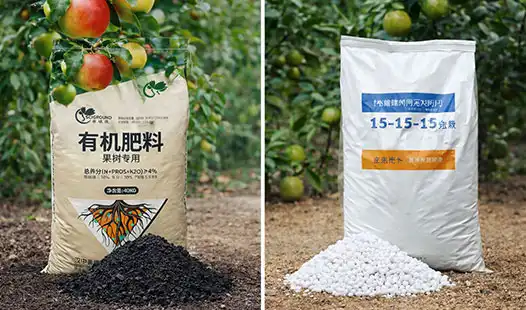
Beyond contrasts in nourishment sources, there are basic philosophical contrasts between manufactured and natural manure frameworks. Although chemical fertilisers increase nutrient accessibility right away, they do not take into account soil science, which implies they dissolve soil structure and reduce normal fertility over time. In the long run, organic systems save money on inputs because they build soil capital and create nutrient cycles that sustain themselves. With administrative systems fixing around agrarian runoff and groundwater contamination, natural-effect considerations are driving production choices more and more. Soil water-holding capacity is expanded, and nutrient filtering rates are essentially decreased in organic manure applications. Getting certification for natural production operations and strength advertising becomes much simpler when synthetic chemical buildups are not shown.
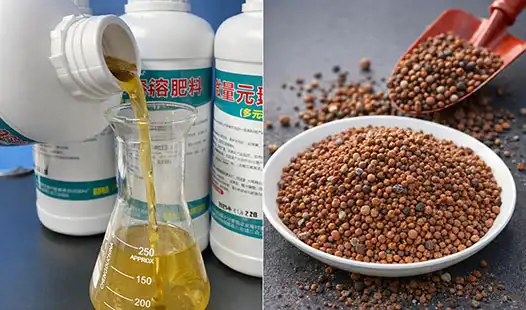
Granular Versus Liquid Organic Products
When working on a wide scale and having access to mechanical spreading equipment is important, granular organic fertiliser for fruit trees is the way to go. Under ideal warehouse conditions, the shelf life of these items exceeds two years, demonstrating their exceptional storage stability. Physical granule hardness reduces dust exposure and ensures precise application rates by stopping pulverisation during handling. The compositions of liquid organic concentrates provide precision fertigation systems with unparalleled versatility. By utilising irrigation infrastructure to deliver nutrients, we can reduce labour expenses and accomplish targeted feeding during important growth windows. During periods of rapid fruit expansion, when demand surges quickly, trees benefit from nutrients that are immediately available in liquid form. When compared to their granular equivalents, liquid products necessitate a different kind of storage and handling infrastructure.
Evaluating Supplier Quality Standards
Past fare comparing costs, B2B acquirement requires exhaustive provider assessment. Certified natural generation forms require irrefutable supply chain traceability from the acquisition of crude materials to the conveyance of completed products. In order to guarantee steady supplement analysis, heavy metal testing, and pathogen screening, quality producers utilise batch-specific testing techniques. The ageing stage is a basic time for quality control, and solid providers keep a close eye on temperature profiles to eliminate destructive microorganisms while keeping great ones alive. The estimate and modernity of the generation facility's gear propose that it can reliably create uniform clusters. As a sign of their confidence in their products and commitment to the success of their clients, providers offer free tests of their items and give budgetary backing for field trials.
How to Use Organic Fertiliser Safely and Effectively on Fruit Trees?
Application Timing Throughout Growth Stages
Applications made in the harvest time after gathering give reclamation food and kick off the compost season. Natural compost applied through spiral trenches or circular wrinkles at the dripline can help re-establish the tree's vitality stores after natural product generation depletes them. In this way, supplements can be made available for the early spring root flush; sometime recently, above-ground advancement got to be discernible by means of postponed supplement discharge mechanisms.
When connected amid the torpid season, granular details that depend on organisms to mineralise supplements perform splendidly. In order to avoid over-the-top vegetative growth that may interfere with the natural product set, gentler treatments are required throughout the spring sprouting season. In order to expand natural product development and sugar accumulation without increasing soil saltiness, fertigation frameworks give extra nourishment throughout the natural product development stage, which is a crucial high-demand period.
Dosage Calculations and Application Methods
Proper dosage depends on tree age, size, and current soil fertility status revealed through testing. Young saplings require approximately one-third the fertiliser volume of mature trees to prevent overstimulation and weak growth. A standard mature apple tree in full production typically receives 10-15 pounds of granular organic fertiliser annually, split across multiple applications matching phenological stages. Application methods range from broadcast spreading in established orchards to precise placement in planting pits for new installations. Deep placement techniques that incorporate fertiliser 30-40 cm below the surface work exceptionally well during orchard establishment. The high humic acid content in quality organic fertilisers stimulates rapid root hair development in compacted subsoils, ensuring high transplant survival rates. Foliar application of liquid organic formulations provides supplemental micronutrients during fruit development without altering soil chemistry.
Monitoring and Adjustment Protocols
Successful organic fertiliser programmes incorporate regular soil testing to track pH changes, organic matter accumulation, and trends in nutrient availability. Annual testing before spring growth allows adjustments to application rates based on actual soil conditions rather than assumptions. Plant tissue analysis during mid-season growth reveals hidden deficiencies before visible symptoms appear, enabling corrective action through targeted supplementation. Visual monitoring of tree vigour, leaf colour, and fruit development patterns provides real-time feedback on the effectiveness of the nutrition programme. Excessive vegetative growth with delayed fruit maturity signals a nitrogen surplus requiring reduced application rates. Yellowing foliage or small fruit size indicates deficiencies needing immediate attention through supplemental feeding.
Procuring Organic Fertiliser for Fruit Trees: A Practical Guide for B2B Buyers
Certification and Quality Assurance Requirements
Organic certification compliance represents the foundation of quality assurance in fertiliser procurement. Products intended for certified organic operations must carry appropriate certification from recognised bodies that verify compliance with organic standards throughout production. This certification extends beyond finished product testing to encompass raw material sourcing and processing methods. Quality assurance programmes at manufacturing facilities should include regular third-party testing for heavy metals, with particular attention to cadmium, lead, arsenic, chromium, and mercury. Acceptable products maintain cadmium levels below 1.5 mg/kg and other heavy metals within regulatory limits. Pathogen screening must confirm the absence of faecal coliforms, Salmonella, and viable weed seeds through proper high-temperature fermentation protocols.
Logistical Considerations and Bulk Ordering
Large-scale orchard operations require reliable fertiliser supply matching application windows that span only weeks during critical growth stages. Suppliers capable of handling bulk orders with flexible delivery scheduling prevent costly application delays. Storage capacity at the orchard site influences order quantities, with proper warehousing maintaining product quality through temperature and humidity control. Lead times vary significantly between local distributors who carry inventory and manufacturers who produce to order. Planning procurement cycles six months ahead of application windows ensures product availability regardless of seasonal demand spikes. Transportation costs represent significant budget items for bulk fertiliser orders, making regional suppliers attractive despite potentially higher per-unit pricing.
Cost-Benefit Analysis Framework
Comparing organic and synthetic fertiliser economics requires looking beyond simple per-tonne purchase prices to comprehensive system costs. Organic programmes typically show 20-30% improvements in synthetic fertiliser efficiency when used in integrated approaches, reducing total nutrient input costs. The soil health improvements from organic matter additions reduce long-term expenses related to compaction remediation and disease management. Return on investment calculations must incorporate premium pricing opportunities available for organically grown fruit and speciality market access. The yield improvements observed in well-managed organic programmes, typically ranging from 10-25% over conventional approaches, substantially impact profitability. Product sourcing through direct manufacturer relationships often provides better value than distributor markups while ensuring technical support access.
Conclusion
Organic fertiliser for fruit trees provides safe, effective nutrition across all fruit varieties when sourced from reputable manufacturers and applied according to best practices. The microbial fermentation process creates balanced nutrient profiles that support healthy root development, enhance disease resistance, and improve fruit quality throughout all growth stages. Proper supplier selection focusing on certification, quality testing, and batch consistency ensures reliable orchard performance. The investment in quality organic fertiliser programmes delivers measurable returns through improved soil health, enhanced fruit quality, and reduced long-term input costs. Success requires understanding your specific variety's nutritional needs and matching them with appropriate organic formulations backed by technical support.
FAQ
Can organic fertiliser completely replace synthetic fertilisers in commercial orchards?
Quality organic fertiliser programmes can fully replace synthetic inputs in certified organic operations. Many commercial growers adopt integrated approaches in which organic fertilisers improve the nutrient use efficiency of synthetic programmes by 20-30%, preventing leaching and fixation while building soil health over time.
Does organic fertiliser cause root burning in fruit trees?
High-quality fermented organic fertiliser does not cause root burn when properly manufactured. Root damage occurs only with immature compost releasing ammonia. Reputable products undergo strict fermentation monitoring with germination index testing above 85%, ensuring safe direct contact with root zones across all fruit tree species.
How does organic fertiliser affect fruit shelf life and shipping durability?
Balanced calcium and boron in bioavailable organic forms strengthen cell walls, reducing post-harvest breakdown and mechanical damage during transport. Orchards using organic nutrition programs consistently report extended shelf life and better shipping durability compared to conventional approaches, supporting premium market access.
What application frequency works best for mature fruit trees?
Mature trees typically receive organic fertiliser two to three times annually, with major applications post-harvest and lighter supplemental feeding during fruit expansion. Specific timing adjusts based on tree species, soil conditions, and production goals, with soil testing guiding precise application schedules.
Partner with Sciground for Superior Organic Fertiliser Solutions
Sciground specialises in microbial fermentation organic fertiliser for fruit trees designed specifically for commercial orchard operations. Our specialised formulations combine over 20 years of research expertise from the Northwest Academy of Agricultural Sciences to deliver comprehensive nutrition that boosts disease resistance while improving soil structure and maintaining long-term fertility. As a leading manufacturer of organic fertiliser for fruit trees, we provide complete technical support from application planning through to harvest optimisation.
Our production facility in Hanzhong ensures consistent batch quality through rigorous testing protocols and advanced fermentation control systems. We work directly with farmers, ranchers, and commercial buyers to develop customised nutrition programmes matching specific varieties and growing conditions. Contact our team at [email protected] to discuss bulk organic fertiliser for fruit trees for sale, request product samples, and access our expert guidance on transitioning to sustainable orchard nutrition systems that enhance both profitability and environmental stewardship.
References
1. Chen, J.H. (2021). "Organic Fertilisers for Sustainable Fruit Production: A Comprehensive Review." Journal of Sustainable Agriculture, 45(3), 287-312.
2. Thompson, R.B., Martinez-Gaitan, C., Gallardo, M., Gimenez, C., and Fernandez, M.D. (2020). "Identification of Irrigation and Fertilisation Management Practices in Commercial Fruit Tree Orchards." Agricultural Water Management, 228, 105890.
3. Peck, G.M., Andrews, P.K., Reganold, J.P., and Fellman, J.K. (2019). "Apple Orchard Productivity and Fruit Quality under Organic, Conventional, and Integrated Fertiliser Management Systems." HortScience, 54(9), 1605-1615.
4. Neilsen, G.H., Neilsen, D., and Peryea, F. (2018). "Advances in Orchard Nutrition: Meeting Current Challenges through Organic Amendments." Acta Horticulturae, 1217, 341-352.
5. Diacono, M. and Montemurro, F. (2022). "Long-term Effects of Organic Amendments on Soil Fertility and Fruit Tree Performance." Agronomy for Sustainable Development, 42(1), 15-34.
6. Zebarth, B.J., Forge, T.A., Goyer, C., and Brin, L.D. (2020). "Organic Matter and Microbial Community Dynamics in Fruit Tree Production Systems." Soil Biology and Biochemistry, 143, 107735.

Sciground
Shanrangde, in collaboration with a team of experts from the former Academy of Agricultural Sciences, focuses on developing patented organic fertilizers, including those specifically formulated for Corydalis rhizome. Chief expert Professor Liang Dejun, with over 20 years of industry experience, provides one-stop technical guidance from site selection to field management, helping farmers increase production and income.
Formulated by the original expert team from the Academy of Agricultural Sciences · Focused on organic nutrients specifically for crops
Contact us now to customize a green nutrition solution for your farmland.
Recommended Blog
Fruit Tree Organic Fertilizer vs. Fruit Tree Chemical Fertilizer
How to Choose Quality Gastrodia Specialized Fertilizer Products?
Micronutrient Water-Soluble Fertilizer vs. General Liquid Fertilizer
Key Benefits of Silybum marianum Specialized Organic Fertilizer
Micronutrient Water-Soluble Fertilizer vs. Granular Fertilizer