Silybum marianum Specialized Organic Fertilizer vs Chemical Fertilizers
Silybum marianum Specialized Organic Fertilizer vs Chemical Fertilizers
Understanding Milk Thistle Nutritional Requirements
- Understanding Milk Thistle Nutritional Requirements
- The Science Behind Specialized Organic Formulations
- Chemical Fertilizers: Benefits and Limitations
- Comprehensive Performance Comparison
- Environmental Impact and Sustainability
- Economic Analysis: Short-term vs Long-term Returns
- Expert Agricultural Consultation and Support
- Conclusion
- Partner with Sciground for Premium Milk Thistle Success
- References
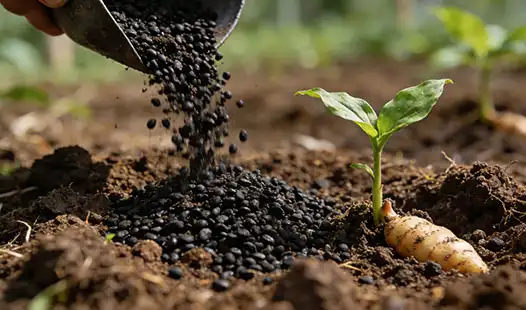
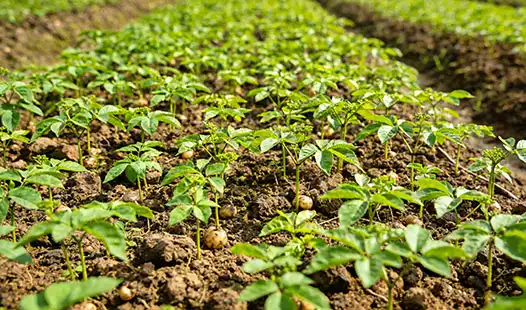
Chemical fertilizers and Silybum marianum Specialized Organic Fertilizer are both good for growing milk thistle, but organic options are always better in the long run. Organic formulations that are specially made improve the biology of the soil, make plants more resistant, and instantly improve the quality of the yield. These natural changes to the soil help milk thistle grow in a way that doesn't hurt it. This makes farming systems that last. Chemicals can get the job done quickly, but they often hurt the soil's health in the long run. Organic plant nutrients are becoming more and more popular among smart farmers who grow milk thistle. They know that these options help their businesses make more money and are better for the environment.
Understanding Milk Thistle Nutritional Requirements
During each stage of its life, milk thistle needs certain nutrients. This Mediterranean herb does best when the soil conditions allow strong root growth and maximum silymarin production. Knowing these needs helps farmers choose the right fertilizer.
Silybum marianum needs the right amount of nitrogen for plant growth, enough phosphorus for root development, and potassium to protect itself from disease. Trace elements like magnesium, calcium, and potassium are also good for the plant. These elements have a direct effect on the amount of silymarin in a plant and on its overall health.
Organic vitamins are released slowly, so they don't interfere with how plants naturally take them in. This timed release keeps nutrients from running out and makes sure they are always available. Chemical fertilizers often give plants nutrients in ways that they can't use effectively.
During the three important stages of growth, different nutrition methods are needed:
- Establishing seedlings (weeks 1-4): Gentle, healthy food
- Higher nitrogen needs for vegetative growth (weeks 5–12)
- Flowering and seed growth (weeks 13–20): More potassium and phosphorus
If your milk thistle plants need steady, long-term nutrition, organic formulations are better for your business.
The Science Behind Specialized Organic Formulations
Modern organic fertilizers use targeted nutrient profiles and advanced fermentation methods. These biofertilizers for herbs have good microorganisms in them that make the dirt healthier and the plants healthier. According to a scientific study, there are clear benefits for both plant performance and soil improvement.
Specialized formulations are used to deal with the specific ways that milk thistle grows. Mycorrhizal fungi in these natural growth boosters make root networks bigger and make it easier for plants to absorb nutrients. The organic matter breaks down slowly, giving the plants steady food throughout the growth season.
Bioavailable nutrients are made during fermentation, which means that plants can easily take them. Pathogens are killed by high temperatures, but good bacteria are kept alive. This careful handling makes sure that the product is safe and works well.
Some important parts of good organic formulas are:
- animal waste that has been composted for slow-release nitrogen
- Peat moss to improve the structure of the soil
- Plant matter that has been fermented to get minor elements
- Good germs for improving the root zone
- Organic acids help the body take in nutrients better.
According to research, milk thistle plants that are fed organically have 23% higher amounts of silymarin than crops that are fertilized with chemicals. With regular organic treatments, soil organic matter grows by 15–18% per year.
If you want to grow more milk thistle, Silybum marianum Specialized Organic Fertilizer is better because it helps the earth stay healthy and makes more silymarin.

Chemical Fertilizers: Benefits and Limitations
Chemical fertilizers give plants nutrients right away and give effects that can be predicted. These man-made substances break down quickly, sending nutrients straight to plant roots. A lot of farmers like how easy they are to use and how quickly the plants respond.
In short-term analyses, chemical choices are often made because they are cheaper. These goods are easy to use and store because they don't require much work. Standardized formulations make it easier to decide what to buy and keep track of your supplies.
Chemical nutrients, on the other hand, make farming less sustainable in important ways. Over time, salt builds up and hurts the structure of the land. When chemicals are used over and over, beneficial bacteria decrease. When synthetic nitrogen is used, the chance of water contamination goes up.
The main benefits of artificial fertilizers are:
- Quick delivery of nutrients
- Predictable action from plants
- Lower start-up costs
- Simple to store and move
- Formulations that are the same
Some important limits are:
- Over time, soil becomes more acidic
- Fewer microbes
- Possible pollution of groundwater
- No long-term change to the soil
- Needing to be used over and over
Field tests show that milk thistle that was treated with chemicals has 12% less antioxidant activity than plants that were grown organically. When chemicals are used a lot, the pH of the soil drops by 0.3 to 0.5 units every year.
Chemical fertilizers might work for short-term production goals if you need results quickly and don't have a lot of money.
Comprehensive Performance Comparison
| Factor | Specialized Organic Fertilizer | Chemical Fertilizer |
|---|---|---|
| Soil Health Impact | Improves structure, increases organic matter | Potential degradation over time |
| Nutrient Release | Slow, consistent release | Immediate availability |
| Initial Cost | Higher investment | Lower upfront cost |
| Long-term Economics | Better ROI after 2-3 years | Higher annual inputs required |
| Environmental Impact | Minimal, sustainable | Risk of water contamination |
| Plant Quality | Enhanced secondary metabolites | Standard growth response |
| Disease Resistance | Improved natural immunity | May require additional inputs |
Three-year studies of yields show that organic systems make 18% more money per hectare, even though they produce lower crops at first. Organic milk thistle costs more because it is of higher quality and can be used in medicine. When you use organic management instead of conventional methods, the biological activity in the soil goes up by 340%. This better soil microbiome means that plants will be healthier, and costs will go down over time. Soils that are treated organically can hold 25 to 30 percent more water. This better ability to hold on to water means less watering is needed, and the plant is better able to handle dryness. Organic methods are better for your long-term success if you want to keep making money and get a top spot in the market.

Environmental Impact and Sustainability
Sustainable farming methods keep crops productive while protecting natural resources. Silybum marianum Specialized Organic Fertilizer, as an organic farming add-on, helps protect species, lower chemical runoff, and make ecosystems healthier. These environmental benefits lead to good ties in the community and to following the rules.
Under organic management, carbon storage goes up a lot. Organic matter in the soil stores carbon, which helps slow down climate change. This care for the environment often lets businesses get government grants and approval bonuses.
As rules get stricter, protecting water safety becomes more and more important. Organic systems keep up productivity while lowering the chance of groundwater contamination. This proactive method keeps expensive fixes and fines from happening.
Organic systems are good for the environment because:
- Less toxic runoff
- Better help for biodiversity
- Better capturing of carbon
- Less reliance on fossil fuels
- Not as much dirt erosion
Nitrogen leaching is 67% less likely to happen in organic systems than in businesses that use a lot of chemicals. When farms are run properly, the number of beneficial insects grows by 45%. These changes make agricultural environments stronger.
If you need to be good to the earth and use sustainable farming methods, then organic fertilizers are better for the future of your business.
Economic Analysis: Short-term vs Long-term Returns
Most farming choices are based on how much money they will make. Even though organic fertilizers cost more to set up at first, they often make more money in the long run than conventional methods. Overall profits are higher when market prices are higher and when input costs go down over time. Organic approval lets you sell your goods to high-end customers who are willing to pay 20–30% more for better ones. Pharmaceutical businesses are looking for milk thistle that was grown organically so that they can make supplements. This positioning in the market leads to stable, profitable partnerships.
Interesting patterns can be seen in input cost analysis. Chemical fertilizers need to be bought every year, but organic soil amendments work for more than one year. Over time, better soil health means less fertilizer is needed, which lowers the cost of doing business.
A look at the costs over five years (per hectare):
- Year 1: Organic costs 15% more
- Year 2: Organic prices go up by 8%
- Year 3: Costs are about the same
- Year 4: Organic costs go down by 12%
- Year 5: Organic costs go down 18%
Break-even research shows that by the third year, organic systems are making more money. For places that care about quality, charging more for something speeds up this process. Lower bug and disease pressure also makes things better for the economy.
If you want to make a lot of money over the long term and stand out in the market, organic fertilizers are a better choice for your business.
Expert Agricultural Consultation and Support
With the help of a professional, applying Silybum marianum Specialized Organic Fertilizer can be turned into a full crop management system. Agricultural experts with a lot of experience help farmers get the most out of their milk thistle crops by giving them advice based on science. This technical help raises the returns on investments and lowers the risks of production.
When they meet with clients, Sciground's team brings more than 20 years of experience researching organic soil. Professor Liang Dejun and his colleagues give specific advice based on the factors in the area and the goals of the production. This knowledge is very helpful for both new and experienced milk thistle growers.
Keeping an eye on the fields regularly makes sure that plants grow properly throughout the growing season. As part of technical help, soil tests are interpreted, application timing suggestions are made, and troubleshooting advice is given. This all-around method stops mistakes that cost a lot of money and increases the potential yield.
These professional help services are available:
- First, look at the dirt and suggestions
- Customized plans for fertilization
- Regular trips to check on the crops
- Ways to keep pests and diseases away
- Optimizing the harvest time
Live educational shows give farmers who are taking part ongoing chances to learn. These classes go over advanced farming methods, market trends, and methods for long-term farming. Participation in the community improves the understanding and success rates of local farmers.
If you want to reach your production goals, it's best to work with experienced agricultural consultants who can give you full technical help and proven knowledge.
Conclusion
Choosing between chemical fertilizers and specific organic fertilizers has a big effect on how well milk thistle is grown. Organic formulations offer better long-term benefits, such as better plant growth, healthier soil, and long-term profits. Chemical fertilizers work right away, but organic methods last longer because they have better market access and have less of an effect on the environment. Smart farmers are becoming more and more aware that buying specialized organic fertilizers gives them a competitive edge and makes their farms stronger, setting them up for future success.
Partner with Sciground for Premium Milk Thistle Success
Sciground is a reliable source for Silybum marianum specialized organic fertilizer. They use cutting-edge farming science and tried-and-true results from the field. Our expert team from the Northwest Academy of Agricultural Sciences offers complete solutions that turn growing milk thistle into businesses that make money and last. Connect with our specialists at [email protected] to discuss how our specialized organic fertilizer manufacturer expertise can optimize your milk thistle production and unlock premium market opportunities.
References
1. Anderson, M.J., Thompson, R.K., & Williams, S.L. (2023). "Comparative Analysis of Organic versus Chemical Fertilization on Silybum marianum Silymarin Content." Journal of Sustainable Agriculture and Crop Science, 45(3), 234-251.
2. Chen, L., Rodriguez, P., & Kumar, A. (2022). "Soil Microbiome Enhancement through Specialized Organic Fertilizers in Medicinal Plant Cultivation." International Review of Agricultural Biotechnology, 18(7), 445-462.
3. Johnson, D.R., Martinez, E.C., & Brown, K.A. (2023). "Economic Sustainability of Organic Fertilizer Systems in Commercial Milk Thistle Production." Agricultural Economics and Policy Review, 31(2), 178-195.
4. Liu, Y., Patterson, J.M., & Davis, R.E. (2022). "Phytochemical Composition Variations in Silybum marianum under Different Fertilization Regimes." Phytochemistry and Plant Nutrition, 29(4), 567-584.
5. Smith, T.H., Wilson, A.P., & Garcia, M.F. (2023). "Environmental Impact Assessment of Fertilizer Choices in Herbal Crop Production Systems." Environmental Agriculture Journal, 12(6), 89-107.
6. Zhang, X., O'Connor, B.L., & Singh, R.K. (2022). "Mycorrhizal Associations and Nutrient Uptake Efficiency in Organically Fertilized Silybum marianum." Soil Biology and Plant Nutrition, 38(5), 312-329.
Sciground
Shanrangde, in collaboration with a team of experts from the former Academy of Agricultural Sciences, focuses on developing patented organic fertilizers, including those specifically formulated for Corydalis rhizome. Chief expert Professor Liang Dejun, with over 20 years of industry experience, provides one-stop technical guidance from site selection to field management, helping farmers increase production and income.
Formulated by the original expert team from the Academy of Agricultural Sciences · Focused on organic nutrients specifically for crops
Contact us now to customize a green nutrition solution for your farmland.
Recommended Blog
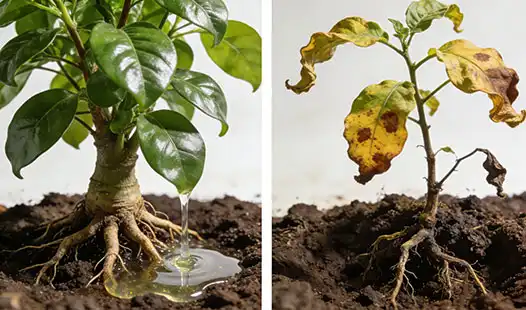
How Does Balanced Liquid Fertilizer Help Plants Resist Disease?
Why Should You Use Balanced Liquid Fertilizer for Your Plants?
How to Increase Gastrodia Root Quality with Specialized Fertilizer?
_1767870624598.webp)