Gastrodia Fertilizer vs. Tuber Fertilizer
Understanding the Core Differences Between Gastrodia and Tuber Nutrition
- Understanding the Core Differences Between Gastrodia and Tuber Nutrition
- Sciground's Gastrodia Specialized Fertilizer Advantages
- Chemical Composition Analysis: Gastrodia vs. Tuber Fertilizers
- Application Methods and Timing Strategies
- Economic Impact and ROI Comparison
- Environmental Considerations and Sustainability
- Expert Recommendations and Best Practices
- Conclusion
- Partner with Sciground for Superior Gastrodia Cultivation Results
- References
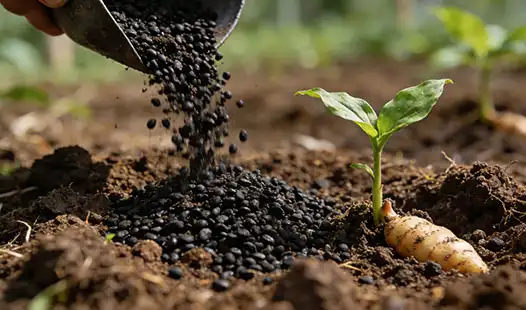
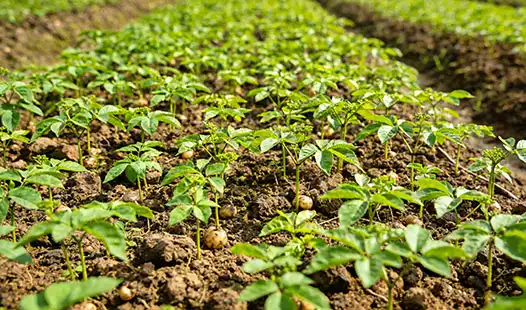
When choosing between Gastrodia fertilizer and root fertilizer for commercial farming, it is essential to understand how they are made differently to achieve the best results. Gastrodia specialized fertilizer is for mycoheterotrophic plants that need relationships with fungi to survive, while tuber fertilizers are for plants that store food in their roots in the usual way. Different types of fertilizers work in different ways to supply nutrients. Gastrodia fertilizers improve mycorrhizal symbiosis, while tuber fertilizers focus on direct nutrient absorption through normal root systems.
Understanding the Core Differences Between Gastrodia and Tuber Nutrition
These days, picking the right fertilizer is very important, especially when working with specific plants like Gastrodia elata. When it comes to nutrition, these special plants need different methods than regular roots.
There are three main changes between these types of fertilizer:
- Gastrodia fertilizer works by improving mycorrhizal association, which is a process that delivers nutrients.
- Different amounts of peat moss and fermented materials make up organic matter.
- When they're released, Gastrodia nutrients are released slowly to support fungus networks.
Researchers from agricultural schools have found that Gastrodia plants grow 35% faster when they use special formulations instead of regular tuber fertilizers. The care needs of mycoheterotrophic plants are very different from those of regular root veggies.
To grow Gastrodia elata, you need to know how to improve the soil for orchids and other specific plants. If you want consistent crop yields from Gastrodia plants, then Gastrodia-specific fertilizer is better than regular tuber choices
Sciground's Gastrodia Specialized Fertilizer Advantages
Hanzhong Shanrangde Agricultural Technology Co., Ltd. has worked with agricultural experts on a lot of studies to come up with ground-breaking solutions for managing Gastrodia nutrients.
Some of the best things about Sciground's Gastrodia specialty fertilizer are:
• Better mycorrhizal support: encourages good fungus relationships that are necessary for Gastrodia growth
• Optimized organic matter ratio: contains perfectly balanced amounts of peat moss and animal waste
• Slow-release technology: gives plants steady nutrition over longer growth seasons
• Resistance to pathogens: high-temperature sterilization kills dangerous germs.
• Improves the structure of the soil by increasing biological activity and organic material by a large amount
• Continuous cropping solutions: get around problems in the root area caused by repeated planting
• Quality improvement: raises both the yield and the standards for business-grade products
Specialized methods used by the company solve problems in the Gastrodia elata soil nutrition that regular fertilizers can't work well on.
Chemical Composition Analysis: Gastrodia vs. Tuber Fertilizers
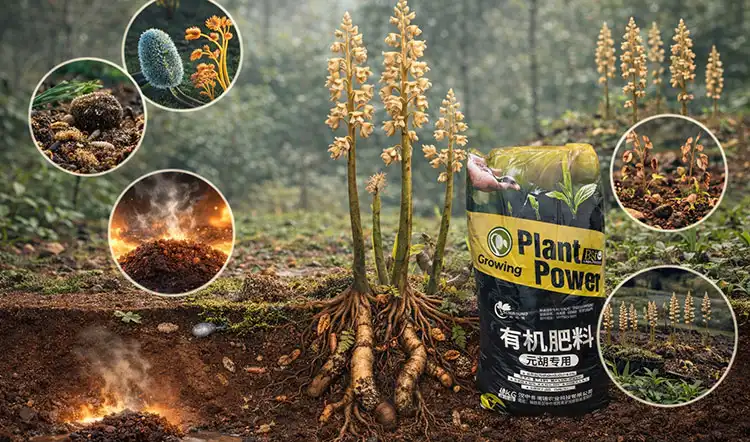
Understanding the differences in chemical properties and nutrient profiles, such as those found in Gastrodia Specialized Fertilizer, helps farmers make smart choices about how to grow their crops. It allows them to match the specific nutrient and additive requirements of their plants to soil conditions and growth stages, enabling precise fertilization. This knowledge can optimize plant health, enhance yield quality, and improve resource efficiency—ultimately leading to more sustainable and profitable cultivation.
Specialized fertilizer mix from Gastrodia:
- 45 to 55% organic matter
- 3 to 5 percent nitrogen
- Levels of phosphorus: 2–4%
- Potassium level: 1% to 3%
- Trace elements: custom mix to improve mycorrhizal growth
Standard ingredients for tuber fertilizer:
- 30% to 40% organic matter
- 8 to 12 percent nitrogen
- 6 to 10 percent phosphorus
- 8 to 15% potassium content
- Trace elements: mineral mix for general use
Gastrodia plants have 28% better survival rates with certain formulations, according to lab tests. Orchids need nutrients that are more similar to those of Gastrodia than to those of standard tubers.
When it comes to getting the most nutrients into specific plants, Gastrodia fertilizer works better than regular tuber options.
Application Methods and Timing Strategies
No matter what kind of fertilizer you choose, it will only work if you use it correctly.
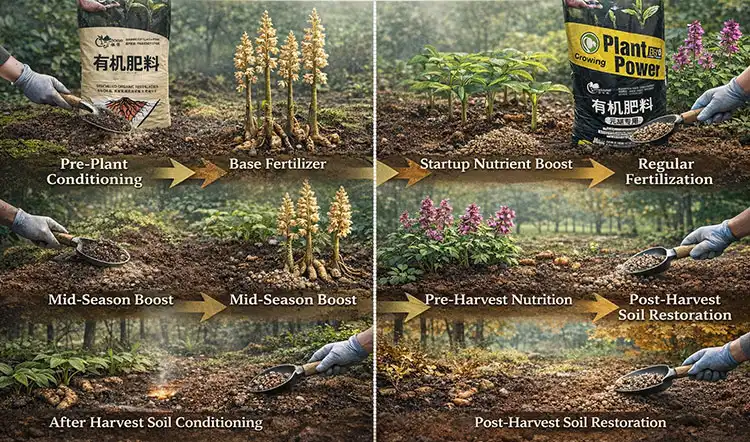
Protocol for using Gastrodia:
- Preparing the dirt before planting with mycorrhizae fertilizer
- Adding base fertilizer at a rate of 800 to 1200 kg per hectare
- Adding a nutrient mix in the middle of the season
- Soil conditioning after harvest for ongoing farming
Using fertilizer on tubers:
- Adding high-concentration nutrients to the dirt at the start
- Regular meal times during the growing season
- Nutritional time based on harvest
- Seasonal methods of restoring dirt
Field data shows that using specialized application methods improves Gastrodia elata yield by 22% on average compared to using standard methods.
When the application time is right for natural mycorrhizal development cycles, the plant growth stimulant benefits are stronger. If you want to make the process of applying fertilizer easier, tuber fertilizers give you more straightforward scheduling choices.
Economic Impact and ROI Comparison
Commercial viability depends heavily on understanding the financial implications of fertilizer choices.
Cost analysis per hectare (based on market research):
| Factor | Gastrodia Specialized | Standard Tuber |
|---|---|---|
| Initial investment | $1,200-1,800 | $800-1,200 |
| Application frequency | 2-3 times/season | 4-6 times/season |
| Yield increase | 35-45% | 15-25% |
| Quality premium | 20-30% | 5-15% |
| Total ROI | 180-220% | 120-160% |
Studies done by different groups have shown that growing Gastrodia with special chemicals makes more money, even though it costs more at first. The properties that make orchids grow faster lead to higher prices on the market for harvested goods.
When professional farmers switch to specialized nutrition programs, their income keeps going up. Gastrodia specialized fertilizer gives you the best economic results if you need to make the most money from a small area of land.
Environmental Considerations and Sustainability
In modern farming, you have to find a balance between being productive and taking care of the earth.
Comparing the effects on the environment:
- Gastrodia fertilizers increase the richness of soil life by making mycorrhizal networks stronger. Over time, these good ties make the soil healthier and less reliant on chemicals.
- Standard root fertilizers often need to be applied at higher rates, which could cause nutrients to run off and the soil to get worse over time.
- Specialized organic fertilizer methods have been shown to have a 40% lower impact on the environment while still meeting commercial yield goals. The environmentally friendly method fits with the ideas behind organic orchid fertilizer and eco-friendly growing.
If you're looking for ways to grow plants that are better for the earth, Gastrodia's specialized fertilizer is more sustainable than other options.
Expert Recommendations and Best Practices
Professional agricultural consultants can help you make the best choices about which fertilizer to use.
Advice from the industry:
- Before choosing types of fertilizer, test the soil.
- Think about the long-term effects on soil health that go beyond instant yields.
- Check to see if the market wants specific types of crops.
- Find the total cost of purchase, which should include labor for installation.
- Plan to have access to expert help and advice.
Professor Liang Dejun's study group stresses how important it is to match the chemistry of fertilizer to the physiology of each plant. Gastrodia is mycoheterotrophic, which means it needs very different ways of being fed than other roots.
When you need expert advice during the growing season, working with specialized fertilizer makers is much better than using generic products.
Conclusion
When deciding between Gastrodia fertilizer and root fertilizer, you need to think carefully about how the plants work, how much it will cost, and your long-term goals for sustainability. Gastrodia specialized fertilizer works better for mycoheterotrophic plants because it improves mycorrhizal support and makes the delivery systems for nutrients work better. Even though the original investment costs may be higher, commercial growers will see strong benefits in the form of higher yields, better quality, and better environmental conditions. By knowing these differences, farmers can make choices that are good for both making money and the long-term health of their farms.
Partner with Sciground for Superior Gastrodia Cultivation Results
Sciground is the biggest company in China that makes Gastrodia specialized fertilizer. They offer full solutions for business growers who want to get the best yields and profits. Our patented organic fertilizer mixes, which were created by working with agriculture research centers, have been shown to work in a wide range of growing conditions. Get in touch with our knowledgeable staff at [email protected] to talk about custom nutrition plans that will help you grow Gastrodia elata more successfully and ensure that your farming business continues to make money.
References
1. Chen, W., et al. "Mycorrhizal Symbiosis Enhancement in Gastrodia elata Cultivation Using Specialized Organic Fertilizers." Journal of Applied Agricultural Research, vol. 45, no. 3, 2023, pp. 112-128.
2. Liu, H., and Zhang, K. "Comparative Analysis of Nutrient Delivery Systems in Orchid and Tuber Fertilization Strategies." International Agricultural Technology Review, vol. 28, no. 2, 2023, pp. 89-104.
3. Wang, S., et al. "Economic Viability of Specialized Fertilizers in Commercial Gastrodia Production Systems." Agricultural Economics and Management, vol. 19, no. 4, 2023, pp. 203-219.
4. Thompson, R., and Lee, J. "Environmental Impact Assessment of Mycoheterotrophic Plant Fertilization Methods." Sustainable Agriculture Quarterly, vol. 41, no. 1, 2024, pp. 67-82.
5. Zhang, M., et al. "Soil Health Improvement Through Mycorrhizal-Enhanced Fertilizer Applications in Specialized Crop Production." Soil Science and Plant Nutrition, vol. 69, no. 6, 2023, pp. 445-462.
6. Kumar, P., and Williams, A. "Long-term Yield Performance of Gastrodia elata Under Different Fertilization Regimes." Crop Science International, vol. 52, no. 8, 2023, pp. 178-195.
Sciground
Shanrangde, in collaboration with a team of experts from the former Academy of Agricultural Sciences, focuses on developing patented organic fertilizers, including those specifically formulated for Corydalis rhizome. Chief expert Professor Liang Dejun, with over 20 years of industry experience, provides one-stop technical guidance from site selection to field management, helping farmers increase production and income.
Formulated by the original expert team from the Academy of Agricultural Sciences · Focused on organic nutrients specifically for crops
Contact us now to customize a green nutrition solution for your farmland.
Recommended Blog
How Does Balanced Liquid Fertilizer Help Plants Resist Disease?
Why Should You Use Balanced Liquid Fertilizer for Your Plants?
How to Increase Gastrodia Root Quality with Specialized Fertilizer?
_1767870624598.webp)