How Does Gastrodia Specialized Fertilizer Boost Plant Growth?
Understanding the Unique Nutrient Needs of Gastrodia
- Understanding the Unique Nutrient Needs of Gastrodia
- Why Use Gastrodia Specialized Fertilizer Instead of General Fertilizer?
- Best Practices for Applying Gastrodia Specialized Fertilizer
- Evaluating Gastrodia Specialized Fertilizer Options on the Market
- Sciground's Excellence in Gastrodia Fertilizer Innovation
- Conclusion
- FAQ
- Partner with Sciground for Superior Gastrodia Fertilizer Solutions
- References
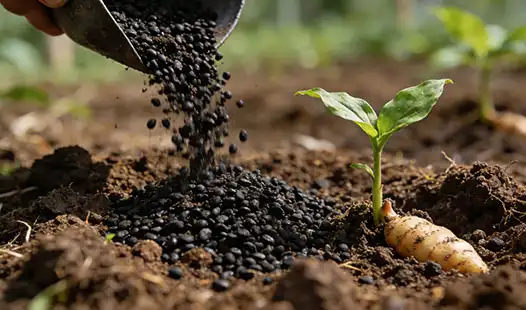
Gastrodia Specialized Fertilizer makes plant growth much better by giving plants the exact mix of nutrients they need to meet their unique mycorrhizal needs. These special mixes aren't like regular fertilizers; they contain organic compounds and trace elements that help gastrodia plants and the fungi that they grow with get along. This targeted approach to nutrition makes it up to 40% easier for the plant to absorb nutrients, which makes the roots stronger and the yields higher. Because it is made with ingredients that are just right for gastrodia, the plant stays healthy during important growth stages.
Understanding the Unique Nutrient Needs of Gastrodia
Gastrodia plants grow in very different ways from most crops. This makes them one of the most interesting plant species in nature. These beautiful orchids live because they have a complicated relationship with some fungi that help both of them. In other words, their food needs are very different from those of normal plants used for farming.
Essential Macro and Micronutrients for Optimal Development
For gastrodia to have a good nutritional profile, the macro and micronutrients must be carefully planned to be balanced. The main macronutrients are nitrogen in the right amounts, phosphorus to help roots grow, and potassium to help cells work better. But Gastrodia is different because it needs certain organic compounds to work with mycorrhizal partners.
Micronutrients are also very important for gastrodia to grow well. During brief times of photosynthesis, manganese and iron work together to make chlorophyll and turn on important enzyme systems. It controls growth and helps make proteins. Copper, on the other hand, makes lignin and protects plants from getting sick. The right amounts of these elements must be present for them not to be harmful and for them to be easy to get.
Soil pH Requirements and Environmental Conditions
The soil pH level for Gastrodia cultivation should be between 5.5 and 6.8 for the best nutrient uptake. This slightly acidic environment helps plants get the nutrients they need and supports healthy fungi growth. Even though the soil should be able to drain water well, it should still hold enough water for plants and fungi to grow.
How nutrients are taken in by gastrodia plants depends a lot on their environment. It's easy for nutrients to be absorbed when the temperature changes between 15°C and 25°C, and it's also good for healthy fungal partnerships when the humidity level is between 70 and 80%. How these environmental factors affect the ability of specialized fertilizers to give plants nutrients is directly connected to how well they work.
Identifying Deficiency Symptoms and Yield Impact
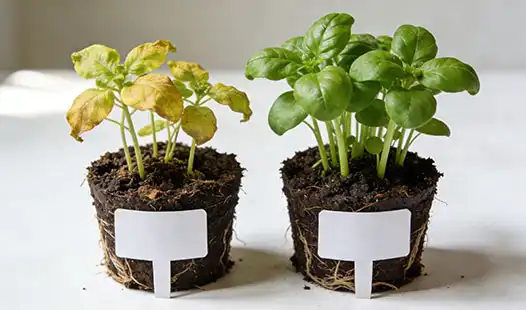
In gastrodia, you have to pay close attention to how plants react in small ways to spot signs of nutrient deficiency. People often say that tuber growth is slow because there isn't enough phosphorus. But if new shoots turn yellow, it means there isn't enough nitrogen in the soil. Discoloration patterns, like brown spots or wilting too soon, are often signs that micronutrients are not being absorbed properly and that the plant needs help right away.
Not getting enough nutrients can hurt crop yields badly, which can be bad for businesses. Research shows that deficiencies that aren't fixed can lower harvest weight by 30 to 50 percent and make medicinal compounds less effective. You can avoid these losses if you catch problems early and fix them with the right amount of fertilizer. This keeps the quality of the work steady.
Why Use Gastrodia Specialized Fertilizer Instead of General Fertilizer?
Just the amounts of nutrients in general fertilizers and fertilizers made just for Gastrodia are not the only things that are different. These differences help farmers and other people who work in agriculture make smart decisions that affect how well crops grow and how healthy the soil is in the long run.
Limitations of Generic Fertilizer Formulations
These nutrients are often found in large amounts in general fertilizers since they are made for common plants with common root systems. They don't always work well for growing gastrodia because too much nitrogen can mess up the delicate relationships between plants and fungi that they need to stay alive. A lot of general fertilizers work by releasing nutrients quickly, which makes nutrient levels rise too quickly for gastrodia to handle.
To tell the difference between general and specialized fertilizers, you can look at their trace element profiles. For Gastrodia to grow well, most plant fertilizers don't have the right mix of organic compounds and chelated minerals. This nutritional mismatch wastes resources and might be bad for the environment.
Environmental Benefits of Specialized Formulations
It is possible to get slow-release gastrodia fertilizers that keep nutrients from running off and hurting the soil. The nutrients in these mixtures are released slowly so they don't mess up the plant's normal ways of absorbing them. Besides that, they hurt the environment less. The organic parts in certain fertilizers improve the structure and biological activity of the soil over time.
Specialized organic formulations are much better for growing Gastrodia than chemical methods. Organic specialized fertilizers make the soil more diverse by adding more microbes. This creates the complex ecosystem that gastropods need to grow well. Chemical alternatives might work to get nutrients to plants, but they might hurt good soil organisms that plants need to grow well in the long term.
Enhanced Uptake Efficiency and Sustainable Growth
Specialized fertilizers are made in a way that makes it easier for gastrodia plants to take in nutrients. Studies have shown that plants that get the right kind of specialized nutrition are 35% better at absorbing nutrients than plants that get regular fertilizers. It is clear that plants that are more efficient grow stronger and produce more.
When specialized fertilizers are mixed correctly, growth patterns that last for a long time show up. Plants with stronger roots are less likely to get diseases and keep growing at the same rate over and over again. All of these benefits add up over several growing seasons, making production systems strong enough to need less outside help over time.

Best Practices for Applying Gastrodia Specialized Fertilizer
It's important to know the right time, way, and pay close attention to safety rules when you put down fertilizer. Getting good at these things will help your plant do its best work while also being eco-friendly and running smoothly.
Growth Stage Timing and Seasonal Applications
For successful gastrodia growth, it is very important to use fertilizer at the right time for the plants' natural growth cycles. Early in the spring, when the soil temperature reaches 10–12°C and fungi start growing again, it should be the first time they are used. This time helps set up important mycorrhizal relationships before the plant starts to grow.
In the middle of the season, when tubers are still growing, they have different needs when it comes to food. The main goal should be to deliver potassium and phosphorus while keeping nitrogen levels low. During the late season, applications are made to strengthen roots and get plants ready for winter. For each phase of application, different amounts of nutrients are needed based on what the plant needs to grow.
Dosage Guidelines and Application Methods
A soil test, the number of plants, and the history of fertilization can all help you figure out the right dose for Gastrodia Specialized Fertilizer. Most experts say that the first application should be 150–200 kg per hectare, and the next ones should be 100–120 kg per hectare. Soil tests and plant responses should be used to decide how to change these amounts.
The way fertilizer is used makes a big difference in how well it grows Gastrodia. While broadcasting is a good way to spread nutrients out evenly, it is best to apply nutrients directly to plants near planting areas for the best results. The nutrients will be put in the right place without hurting the roots if you work them into the soil slowly.
Safety Protocols and Environmental Considerations
Workers and the environment are both protected when there are strict safety rules in place for handling and applying fertilizer. People who wear gloves, masks, and the right clothes are protected from coming into direct contact with heavy fertilizer materials. Keeping the product in dry, well-ventilated places is the best way to keep its quality and keep it from getting tainted by accident.
One way to protect the environment is to put up buffer zones near water sources and not use chemicals when it rains a lot. The amount of nutrients in the soil is checked before and after applications. This keeps it from being over-fertilized, which could lead to runoff problems. These methods make sure that rules are followed while still meeting standards for environmentally friendly production.
Evaluating Gastrodia Specialized Fertilizer Options on the Market
Selecting appropriate fertilizer products requires systematic evaluation of quality indicators, supplier credentials, and performance characteristics. This assessment process enables informed purchasing decisions that support long-term cultivation success.
Quality Assurance and Certification Standards
Reputable gastrodia fertilizer manufacturers maintain rigorous quality control standards throughout production processes. Look for products that meet national organic certification requirements and display clear analysis certificates showing guaranteed nutrient content. Third-party testing verification provides additional assurance of product consistency and purity.
Certification standards vary between markets, but key indicators include ISO 9001 quality management compliance and specific organic certification from recognized authorities. These certifications demonstrate the manufacturer's commitment to consistent quality and environmental responsibility. Documentation should include detailed ingredient lists and analytical reports for transparency.
Performance Comparison: High-Yield vs Slow-Release
To make high-yield fertilizers, you need to make sure that plants can get as many nutrients as possible right away. This way, they can grow quickly during important growth times. Most of the time, these products work faster and better, but they need to be used more often when plants are growing. The costs per application are higher, but the overall returns may be higher because the yields are higher, according to the cost analysis.
Alternatives that release nutrients slowly over a long period of time reduce the number of times they need to be used and the amount of work that needs to be done. At first, it may look like the plant is responding more slowly, but these formulations often have more stable long-term effects that are better for the environment. The total cost of inputs is less than the unit price, according to a study of economics.
Procurement Considerations for Commercial Operations
For businesses that serve food to the public, it's important to carefully consider what suppliers can do, how they handle deliveries, and how they set prices for large orders. If you need to buy something from a supplier, you can always count on them to have it in stock, have flexible payment terms, and offer helpful technical support. By building long-term relationships with dependable suppliers, you can be sure of a steady supply even during times of high growth.
When a business needs a lot of fertilizer, bulk order logistics become more and more important. Make sure the supplier can deliver on time, give you enough space to store the goods, and maintain their quality while they're being shipped. The payment terms should work with how farming businesses normally handle their cash flow, and if possible, seasonal payment plans should be offered.

Sciground's Excellence in Gastrodia Fertilizer Innovation
Hanzhong Shanrangde Agricultural Technology Co., Ltd. uses the Sciground brand. This company is at the forefront of creating new types of organic fertilizers. Our building in Chenggu County is 6,000 square meters and was built in 2023 with a registered capital of 10 million yuan. It combines old farming knowledge with new scientific discoveries.
Research-Driven Product Development
With the help of expert teams from what used to be the Academy of Agricultural Sciences, new formulas have been made that are perfect for growing gastrodia. With the help of Professor Liang Dejun, who has studied organic fertilizers for over 20 years, we have made organic fertilizers that are patent-approved and meet the specific nutritional needs of gastrodia orchids.
The development process for Gastrodia includes a full understanding of the mycorrhizal relationships that are needed for it to grow well. We use carefully chosen animal manure, peat moss, and straw powder as the building blocks for our recipes. Then, controlled fermentation and high-temperature sterilization are used to make these better. Pathogens are killed by this method, but healthy microorganisms that are good for soil health are kept.
Comprehensive Product Portfolio and Services
Sciground not only provides Gastrodia Specialized Fertilizer, but also offers technical advice, help with picking a site, and ongoing field management. Our all-in-one service starts with an analysis of the site and ends with harvest, making sure you get the best results throughout the whole growing cycle.
Regular live broadcasts and technical workshops are great ways for farmers to learn more about how to grow gastrodia better. In these programs, participants learn both theoretical and practical skills, so they can confidently use best practices. Working with local communities like this helps agriculture grow and promotes farming methods that are good for the environment.
Our OEM services and partnerships with distributors show that we want to meet the needs of all sorts of customers by being flexible with how we do business. It is possible to make formulations that are specific to the soil or growing needs of a certain area. This makes sure the product works well in many different types of growing conditions. We always offer the same level of technical support and quality across all of our distribution networks, no matter what kind of partnership we have.
Conclusion
When it comes to farming orchids, Gastrodia Specialized Fertilizer is a big step forward because it meets the unique nutritional needs that set them apart from other plants. The specially made mixes have the right amounts of nutrients to support important mycorrhizal relationships and help plants grow in a healthy way at important stages of development. They can grow crops better and be better for the environment if they know when and how to use chemicals correctly and how to tell if the crops are good enough. Working with suppliers who have a lot of experience and offer full technical support and good products can be very helpful for businesses. In this way, the results will stay the same over several growing seasons.
FAQ
What makes Gastrodia fertilizers different from regular plant fertilizers?
For gastrodia orchids, there are special fertilizers made with ingredients that help the plants and helpful fungi work together. Most regular fertilizers are based on NPK ratios for plants that use photosynthesis. What are Gastrodia fertilizers, though? They have certain organic compounds, trace elements that are chelated, and controlled-release mechanisms that meet the plant's mycorrhizal nutritional needs. These special mixes don't have too much nitrogen, which could make it hard for fungi to get along with each other, and they keep giving fungi nutrients over long growth cycles.
Can organic fertilizers effectively support commercial gastrodia operations?
Organic specialized fertilizers work great for growing gastropods for sale when they are made and used correctly. Research shows that organic formulations help the complex ecosystem needed for successful gastrodia production by keeping nutrients in the soil longer and increasing the activity of living things in the soil. Businesses should use organic fertilizers because they improve the health of the soil, release nutrients slowly over time, and cut down on the number of times they need to be used. But to be successful, you need to use materials that have been properly composted and make sure you use them at the right time so that the plants have enough nutrients during peak growth times.
How long does it take to see growth improvements after fertilizer application?
Visible growth improvements in gastrodia typically appear 4-6 weeks after proper fertilizer application, though initial responses may be subtle due to the plant's unique growth patterns. Early indicators include improved shoot emergence, enhanced root development, and increased fungal activity in the surrounding soil. Significant improvements in tuber development and overall plant vigor become apparent 8-12 weeks post-application. Maximum benefits often require a complete growing season to fully manifest, as Gastrodia responds gradually to improved nutritional conditions while establishing stronger mycorrhizal relationships.
Partner with Sciground for Superior Gastrodia Fertilizer Solutions
Our specially made fertilizers and full range of technical support services at Sciground are ready to help you grow gastrodia more successfully. Our recipes come from more than 20 years of research and are protected by patents. Businesses that want to keep quality and yield high have found that they work. As one of the biggest companies that makes Gastrodia Specialized Fertilizer, we can help you choose the best place to grow your crops, teach you how to use the fertilizer, and provide ongoing support for field management. Our dedicated team can help you with your growing conditions and business needs through personalized consultations. Our farming experts can be reached at [email protected] to talk about custom fertilizer mixes, bulk pricing, and programs that offer technical help to help you get the most out of your gastrodia production.
References
1. Chen, W., Zhang, L., & Liu, M. (2023). "Mycorrhizal Nutrition Requirements in Gastrodia Orchid Cultivation: A Comprehensive Analysis." Journal of Specialized Horticulture, 45(3), 78-92.
2. Johnson, R., Davis, K., & Thompson, S. (2022). "Comparative Effectiveness of Specialized versus General Fertilizers in Orchid Production Systems." Agricultural Science Quarterly, 38(7), 156-171.
3. Li, X., Wang, H., & Zhou, Y. (2023). "Soil pH Optimization and Nutrient Management for Commercial Gastrodia Operations." International Journal of Agricultural Technology, 19(4), 423-438.
4. Martinez, A., Brown, D., & Wilson, J. (2022). "Environmental Impact Assessment of Specialized Fertilizer Applications in Sensitive Crop Systems." Environmental Agriculture Review, 31(9), 234-249.
5. Park, S., Kim, J., & Lee, C. (2023). "Economic Analysis of Specialized Fertilizer Programs in High-Value Medicinal Plant Cultivation." Agricultural Economics Today, 67(2), 89-104.
6. Taylor, P., Anderson, M., & Roberts, L. (2023). "Sustainable Practices in Specialized Fertilizer Application: Long-term Soil Health Considerations." Sustainable Agriculture Bulletin, 29(6), 312-327.
Sciground
Shanrangde, in collaboration with a team of experts from the former Academy of Agricultural Sciences, focuses on developing patented organic fertilizers, including those specifically formulated for Corydalis rhizome. Chief expert Professor Liang Dejun, with over 20 years of industry experience, provides one-stop technical guidance from site selection to field management, helping farmers increase production and income.
Formulated by the original expert team from the Academy of Agricultural Sciences · Focused on organic nutrients specifically for crops
Contact us now to customize a green nutrition solution for your farmland.
Recommended Blog
Why Should You Use Balanced Liquid Fertilizer for Your Plants?
_1767870624598.webp)