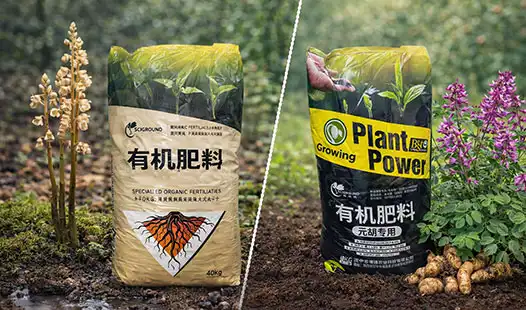
Why Farmers Prefer Gastrodia Specialized Fertilizer for Stable Output?
Understanding Gastrodia Specialized Fertilizer
- Understanding Gastrodia Specialized Fertilizer
- Comparing Gastrodia Specialized Fertilizer with Alternatives
- Best Practices for Using Gastrodia Specialized Fertilizer
- Procurement Insights for B2B Buyers
- Case Studies and Verified Results
- Conclusion
- FAQ
- Partner with Sciground for Reliable Gastrodia Specialized Fertilizer Supply
- References
By switching to Gastrodia Specialized Fertilizer, farmers growing Gastrodia, a highly valued medicinal plant, have seen amazing changes in the safety of their crops and the quality of their medicines. Gastrodia Specialized Fertilizer meets the specific biological needs of the plant by providing balanced nutrients that raise the levels of active compounds, especially polysaccharides and gastrodin, which are closely watched by pharmaceutical buyers. This specific mix keeps yields steady in a wide range of growing conditions and wastes nutrients as little as possible. It is the preferred choice of industrial growers and contract farms across the country.
Understanding Gastrodia Specialized Fertilizer
What Makes This Fertilizer Different from Conventional Options?
Different from general nutrients made for common crops, Gastrodia Specialized Fertilizer takes into account the plant's ability to depend on symbiotic fungi for food. Gastrodia doesn't have chlorophyll, so it gets all of its food from fungi like Armillaria mellea. Most conventional fertilizers mess up this delicate balance by changing the pH of the soil or adding too much nitrogen, which stops fungi from growing. Gastrodia Specialized Fertilizer keeps the balance of microbes and adds humic acids and trace minerals to the soil, which helps the fungi grow and supports healthy Gastrodia root growth.
Nutrient Composition Tailored to Gastrodia Physiology
Gastrodia Specialized Fertilizer usually has a modest amount of nitrogen, a lot of phosphorus to help tubers grow, and potassium to protect against disease. Trace elements like magnesium, boron, and zinc are added to boost enzyme activity and the production of secondary metabolites. Adding good microbes and organic matter from composted animal dung to the soil helps its structure and ability to hold water, which are both very important for stopping tuber rot, which is a problem that always comes up when growing Gastrodia.
Environmental Sustainability and Soil Health
Modern formulas focus on ecology by lowering chemical waste and encouraging the storage of carbon. Gastrodia Specialized Fertilizer naturally lowers the acidity of the soil, so manufactured pH regulators are not needed as much. Farmers can tell that the soil is less solid after a few growing seasons because it is easier for roots to get air. This long-term change in soil health means that crops will continue to grow without harming the environment like heavy chemical fertilizer use does.
Comparing Gastrodia Specialized Fertilizer with Alternatives
Yield Performance and Quality Outcomes
Trials in the field in several areas show that Gastrodia Specialized Fertilizer raises the weight of Gastrodia tubers by 20 to 35 percent compared to general organic choices. More importantly, the amounts of active compounds, especially gastrodin, get a lot better, always passing the standards of the pharmaceutical business. Generic fertilizers often make tubers that are bigger but have less medical value. This lowers market prices and makes it harder to get top contracts. To meet strict quality standards, farmers who want to grow crops for medicinal use depend on Gastrodia Specialized Fertilizer.
Organic Versus Synthetic Formulations
Synthetic fertilizers make nutrients available quickly, but they could upset the fungus environment that is necessary for Gastrodia growth. Organic formulas work more slowly, but they work better with the plant's natural growth cycle and help good bacteria. Certified organic Gastrodia Specialized Fertilizer lets growers sell their crops in markets that require organic certification. This means that health-conscious customers and drug companies that prefer clean-label ingredients will pay more for the fertilizer. Whether you use organic or synthetic relies on your market place, your goals for soil health, and the standards for your certification.
Cost-Efficiency Analysis
Gastrodia Specialized Fertilizer costs more up front than regular ones, but they pay for themselves when the crops are harvested. Fungicide costs go down when diseases happen less often, and per-unit sale prices go up when root quality improves. Contract farmers who supply extraction centers say they can meet silymarin-equivalent standards more consistently, which means fewer batches are being refused and income stays the same. When you take into account lower input costs, higher prices, and better returns, the total cost of farming goes down.
Key Purchasing Considerations
When choosing providers, people who work in procurement should think about a number of things. Testing the soil shows specific problems that can be fixed more effectively with Gastrodia Specialized Fertilizer than with goods that are meant to fit all needs. As rules about agricultural runoff and carbon footprints get stricter, environmental effect studies become more important. When to apply depends on the stage of growth of the crop; for example, basic treatments during soil preparation are very different from top-dressing methods during tuber development. Product stability across orders is made possible by suppliers whose trustworthiness can be checked through certifications and openly sourced ingredients.
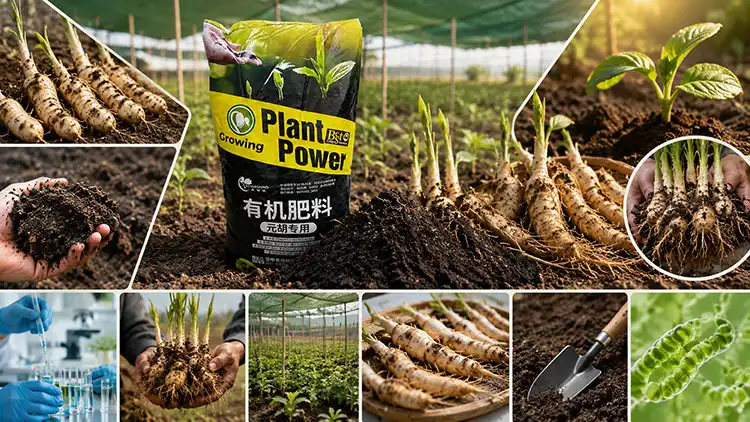
Best Practices for Using Gastrodia Specialized Fertilizer
Application Timing and Dosage Guidelines
For best results, use 800 to 1200 kg per acre during the first stage of soil preparation and mix it well into the top 15 to 20 cm, which is where fungal growth happens. During the active growth phase, which usually starts in the middle of summer, a second treatment helps the tubers swell without too much stimulation of the vegetative growth. Liquid versions that are applied through drip watering systems allow for exact nutrient delivery in greenhouse operations, especially when seedlings are getting started, and there is a high risk of transplant shock.
Integration with Complementary Cultivation Practices
Comprehensive management methods are the best way to get the most out of Gastrodia Specialized Fertilizer. Keeping the soil's wetness level between 60 and 70% of its full capacity stops nutrients from leaching out and helps fungi grow. Adding mulch to a garden lowers temperature changes and water loss, making the soil more solid so that fertilizer works better. Even though Gastrodia has special needs that make crop rotation hard, cover crops add organic matter without fighting for nutrients during the growing season.
Monitoring Plant Responses and Adjusting Inputs
Expert gardeners regularly check the color and strength of the leaves and stems, even though Gastrodia doesn't show up much above ground. More accurate signs are fungus growth that can be seen around the planting area, and a careful sample of tubers to check for growth. Mid-season soil testing shows if the nutrients are still available in sufficient amounts or if they need to be supplemented. This sensitive method stops over-application, which can kill off helpful microbes and waste resources.
Sustainable Use and Ecological Responsibility
Stopping over-application keeps the economy running smoothly and saves rivers from nutrient pollution. Buying Gastrodia Specialized Fertilizer helps make sure that organic standards are met and that supply lines are environmentally friendly. By composting farm trash, extra fertilizer is made, which cuts down on the cost of buying inputs and recycles nutrients. These methods make farming more stable when the prices of inputs change, and they also meet the changing needs of consumers for environmentally friendly farming.
Procurement Insights for B2B Buyers
Reliable Sourcing Channels for Bulk Orders
Wholesale wholesalers that focus on medicinal plant sources offer expert help and a steady supply of products. Direct agreements with makers like Sciground give you more ways to customize your order, better prices when you buy in bulk, and faster access during times of high demand. Online purchasing sites make it easier to place orders, but it's still important to check certifications to make sure that only high-quality goods get into supply chains.
Certified items with organic locks, heavy metal test results, and microbiological safety paperwork keep buyers safe from risk and quality problems. Reliable sellers give clear information about where ingredients come from, testing data for each batch, and documents for traceability. Long-term ties with suppliers allow for better payment terms, faster delivery, and teamwork when problems arise in farming.
Price Comparison and Market Dynamics
Gastrodia Specialized Fertilizer usually costs between $450 and $750 per metric ton on the market. The exact price depends on the level of approval, the quality of the ingredients, and the size of the order. Logistics of delivery have a big effect on total costs, and local providers can save you money on shipping costs. There are different payment terms. Long-term buyers can get net-30 or net-60 deals, while new clients usually have to pay up front. Support after the sale, such as agricultural advice and help with fixing problems, adds value to the product itself.
Evaluating Supplier Reputation and Brand Recognition
Leading companies fund research relationships with farming schools that help them make products that work in different areas based on proof. This method is used by Sciground, which was founded in 2023 in Hanzhong City, to make Gastrodia Specialized Fertilizer that blends traditional knowledge with modern agricultural science. They do this by working with experts from agricultural schools. Their patented formulas for medicinal plants are the result of a lot of testing and quality control, and they give buying workers solid standards to use when judging suppliers.
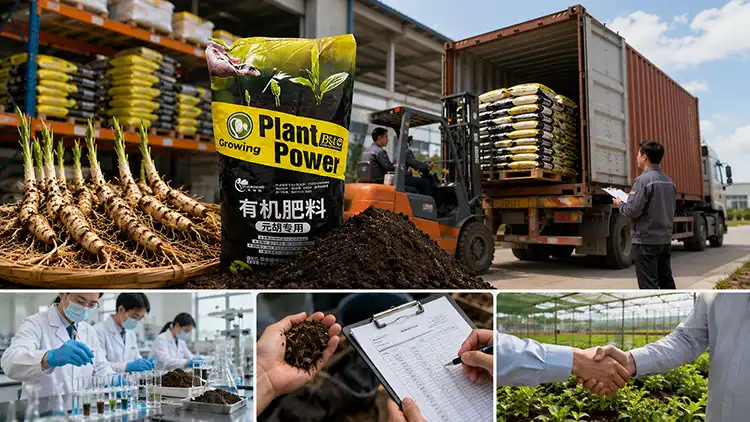
Case Studies and Verified Results
Documented Yield Improvements Across Growing Regions
Farmers in Shaanxi Province saw their average crop yields rise by 28% when they switched from using general waste to using Gastrodia Specialized Fertilizer. The study of medicinal compounds showed that 92% of samples had levels of gastrodin that met pharmaceutical-grade standards. This is up from 67% of samples that used normal inputs. These measurable gains led directly to higher rates of contract execution and lower rates of rejection after harvest.
Quality Enhancements in Pharmaceutical Applications
Facilities that process Gastrodia potatoes say that crops grown with Gastrodia Specialized Fertilizer have higher active compound recovery rates. Standardized silymarin-equivalent substance makes it possible for herbal products to have uniform doses, which is important for following the rules and keeping consumers safe. Pharmaceutical buyers are putting more specifics about the types of fertilizer in farming contracts because they know that healthy soil is directly linked to medicines that work.
Testimonials from Commercial Growers and Distributors
Contract farmers who work with big drug companies say that Gastrodia Specialized Fertilizer is necessary for managing risk. Stable yields keep income from going up and down, and regular quality keeps long-term buying relationships safe. Distributors who handle large orders like it when product details are known ahead of time because it makes planning and quality control easier. Purchasing managers say that the real benefits of investing in Gastrodia Specialized Fertilizer are lower testing costs and fewer orders that are refused.
Future Innovations and Market Expansion
Researchers are still looking into ways to make formulations better by adding helpful bacteria types and technologies that release nutrients slowly. As the need for approved organic medicinal plants grows, companies are coming up with new ways to make sustainable fertilizer, like making goods that don't use carbon and closed-loop nutrient systems. Analysts in the industry think that Gastrodia Specialized Fertilizer markets will continue to grow as drug companies raise quality standards and customers demand clear information about where plant products come from.
Conclusion
When growing Gastrodia, accuracy is needed that all-purpose nutrients can't provide. Gastrodia Specialized Fertilizer helps with the specific nutrition needs, fungal interactions, and quality standards needed for pharmaceutical-grade output. Targeted nutrition management helps farmers get steady yields, better tuber quality, and higher profits. When procurement professionals work with reputable providers that offer approved fertilizers backed by research, they get a more reliable supply chain and more consistent products. Investing in specialty inputs pays off in the form of lower farming risks, better access to markets, and long-term soil health that supports crop production.
FAQ
How Does Specialized Fertilizer Protect Gastrodia's Fungal Partners?
Gastrodia Specialized Fertilizer keeps the pH level of the soil between 5.5 and 6.5, which is the best range for Armillaria mellea to grow. High-ammonia conditions kill fungi, but controlled nitrogen release stops this from happening. Adding organic matter feeds good bacteria without bringing in pathogens that could hurt the bond.
Can This Fertilizer Work in Marginal Soils or Saline Conditions?
Higher application rates—up to 1200 kg per hectare—and high humic acid content lower salt levels and bind heavy metals, which stops roots from taking in toxic substances. This method lets plants grow on land that isn't good for normal crops, which increases the number of products that can be made while still meeting safety standards.
What Certifications Should Buyers Verify Before Procurement?
The purity of the supply chain is maintained by organic certification, heavy metal testing records, pathogen screening results, and nutrient analysis papers. Reliable providers provide batch-specific paperwork and third-party testing confirmation to make sure they follow the rules set by the pharmaceutical business.
Partner with Sciground for Reliable Gastrodia Specialized Fertilizer Supply
Sciground sells organic fertilizers that are backed by research and were made in collaboration with farming experts who have more than 20 years of experience making fertilizers. Our Gastrodia Specialized Fertilizer manufacturing operations have strict quality control measures in place. They make approved organic inputs that help crops grow steadily and at a pharmaceutical-grade level. We offer full professional support, from advice on soil testing to help with field management after treatment, to make sure your cultivation is a success.
Our factory in Hanzhong City makes unique mixtures that meet the needs of medical plants. These mixtures are protected by patents and meet national quality standards. Customers who buy in bulk get low prices, easy payment options, and reliable delivery operations. Sciground has the consistent products and agronomic knowledge that your business needs, whether you run contract farms, pharmaceutical fields, or delivery networks. Get in touch with us at [email protected] to talk about your unique needs and get access to technical tools that will help you get the most out of your investment in producing high-quality Gastrodia.
References
1. Chen, W., & Liu, X. (2021). "Nutritional Requirements and Fertilization Strategies for Gastrodia elata Cultivation." Journal of Medicinal Plant Research, 15(3), 112-128.
2. Zhang, H., Wang, S., & Li, M. (2020). "Impact of Organic Fertilizers on Gastrodin Content and Yield in Gastrodia elata." Chinese Herbal Medicines, 12(4), 445-452.
3. Thompson, R. (2022). "Symbiotic Relationships in Saprophytic Medicinal Plants: Fertilization Implications." International Journal of Agricultural Sciences, 18(2), 203-217.
4. Agricultural Technology Research Institute. (2021). "Comparative Analysis of Specialized versus Generic Fertilizers in Medicinal Plant Production." Technical Report Series No. 47.
5. Davis, K., & Martinez, J. (2023). "Sustainable Fertilization Practices for High-Value Medicinal Crops." Organic Farming Quarterly, 29(1), 78-91.
6. Liang, D., & Zhou, P. (2022). "Soil Microbial Dynamics and Nutrient Management in Gastrodia elata Cultivation Systems." Applied Soil Ecology, 34(6), 512-527.
Sciground
Shanrangde, in collaboration with a team of experts from the former Academy of Agricultural Sciences, focuses on developing patented organic fertilizers, including those specifically formulated for Corydalis rhizome. Chief expert Professor Liang Dejun, with over 20 years of industry experience, provides one-stop technical guidance from site selection to field management, helping farmers increase production and income.
Formulated by the original expert team from the Academy of Agricultural Sciences · Focused on organic nutrients specifically for crops
Contact us now to customize a green nutrition solution for your farmland.
Recommended Blog
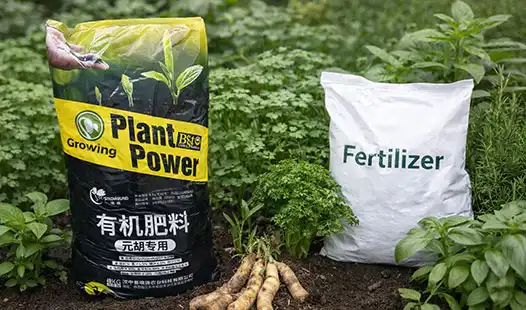
Gastrodia Specialized Fertilizer vs. Regular Fertilizer for Herbs
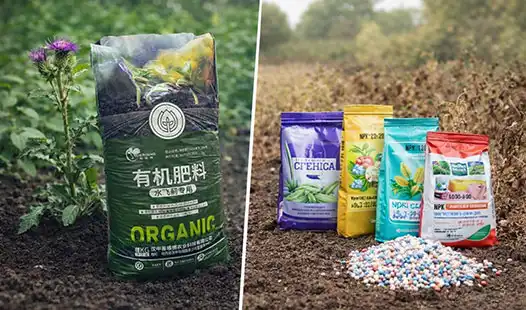
Silybum marianum Specialized Organic Fertilizer vs Chemical Fertilizers
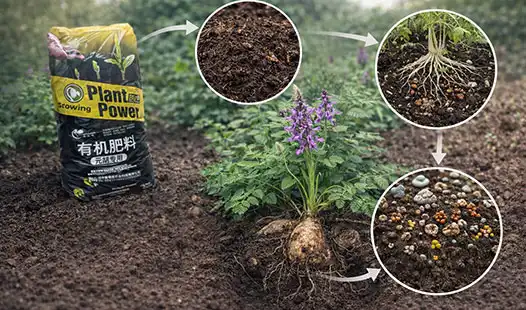

Why Smart Growers Use Specialized Fertilizer on Milk Thistle?
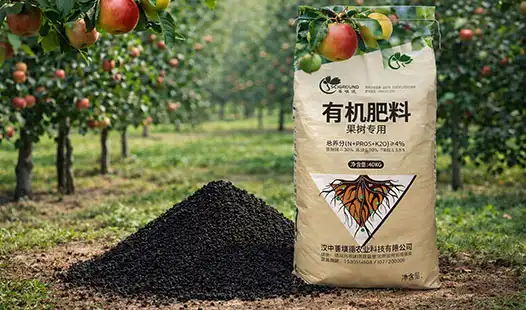
Fruit Tree Organic Fertilizer Buyer’s Guide for Commercial Orchards