Why Are Leaf Application Fertilizers Gaining Popularity?
Understanding Leaf Application Fertilisers: Definition and Benefits
- Understanding Leaf Application Fertilisers: Definition and Benefits
- Why Leaf Application Fertilisers Are Outperforming Traditional Methods
- Choosing the Right Leaf Application Fertilisers for Your Business Needs
- Best Practices for Effective Application of Leaf Fertilisers
- Leading Suppliers and Brands of Leaf Application Fertilisers for B2B Buyers
- Conclusion
- FAQ
- Discover Advanced Foliar Nutrition Solutions with Sciground
- References
Modern farming is being changed by leaf application of fertilisers. These fertilisers get nutrients to plants directly through their leaves, so they don't have to deal with the problems that come with other methods. Plants can take in nutrients faster, do better, and handle stress better with this new way of doing things. People are liking them more because they help with micronutrient deficiencies better and have less of an impact on the environment because they target nutrients more precisely. More and more farmers are learning about foliar feeding as a way to improve crop quality and yields in markets where prices are rising quickly.
Understanding Leaf Application Fertilisers: Definition and Benefits
What Are Leaf Application Fertilisers?
Foliar fertilisers put nutrient solutions on the leaves of plants instead of the soil. This is a targeted way to feed plants. These specially made mixtures let plants quickly absorb nutrients through their stomata and cuticles, so they can use them right away. Traditional soil-based fertilisation can make it hard for roots to take in nutrients. This method is different because it doesn't use soil barriers like pH imbalances, compaction, or nutrient lockup. Foliar feeding is based on the idea that plants can take in nutrients through their leaves on their own. The plant's stomatal openings and waxy cuticle layer make it easier for nutrients to get inside and start working right away. This system for direct delivery is great for making up for missing nutrients or giving plants extra help during important growth stages.
Key Advantages of Foliar Feeding Systems
Farms today that use foliar nutrition strategies as part of their management plans find them to be very useful. What makes this approach more appealing are these main pros:
- Rapid nutrient response: plants can use nutrients that are put on the leaves right away, but it can take days or weeks for nutrients that are put on the soil to reach the roots and be used.
- Enhanced nutrient efficiency: You get more nutrients to the tissues they're meant for because they don't get washed away by soil leaching, being fixed, or being immobilised by microbes.
- Stress mitigation capabilities: Feeding the leaves of plants keeps them healthy when the roots stop working because of drought, flooding, or extreme temperatures.
- Precise micronutrient delivery: Micronutrients can be sent accurately because they don't have to be mixed with a lot of soil. Vital trace elements can be sent in small amounts.
They all work together to make crops grow better and make more money from leaf application of fertilisers. By making plants healthier, speeding up growth, and increasing yields, fertilisers sprayed on the leaves that have multiple elements designed to deliver nutrients efficiently show these benefits. Leaf applications are very helpful in tough growing conditions because they can change the soil's pH and make plants more resistant to stress.
Why Leaf Application Fertilisers Are Outperforming Traditional Methods
Limitations of Conventional Soil Fertilisation
There are many issues with the way soil is usually fertilised that make it hard for nutrients to reach the soil and help plants grow well. Plants often can't get the nutrients they need when the pH of the soil changes, and a lot of fertilisers can be wasted when they leach out. It takes longer for roots to grow and take in nutrients when the soil is packed down, especially when it's wet, and the root zones get too wet. Nutrients that are spread when the weather isn't right may get stuck in the soil or be washed away before plants can use them. This is a problem with traditional fertilisation programs. When crops are grown over a lot of land, they need a lot of nutrients quickly, but the soil can't get them all at once.
Superior Performance Through Direct Delivery
These soil-related issues can't happen with foliar nutrition because the nutrients are put right where photosynthesis and metabolic processes take place. Micronutrients can be absorbed 8–20 times better through leaf application fertilisers than through soil application, according to researchers. It works so well that plants can respond right away, which is especially helpful when they are going through important growth stages like flowering or building fruit. Foliar systems are good for mixed farming because they can be used with many types of crops. Foliar feeding always works the same way, whether it's done on broadacre cereals when the flag leaves come out or on specialty crops in greenhouses.
Integration Strategies for Maximum Impact
Integrated nutrition programs that strategically add nutrients to both the soil and the leaves of plants are being used by more and more successful farms. In the short term, foliar feeding meets nutritional needs, and in the long term, traditional methods make the soil more fertile. When put together, these effects improve nutrient management overall, cutting down on costs and damage to the environment.
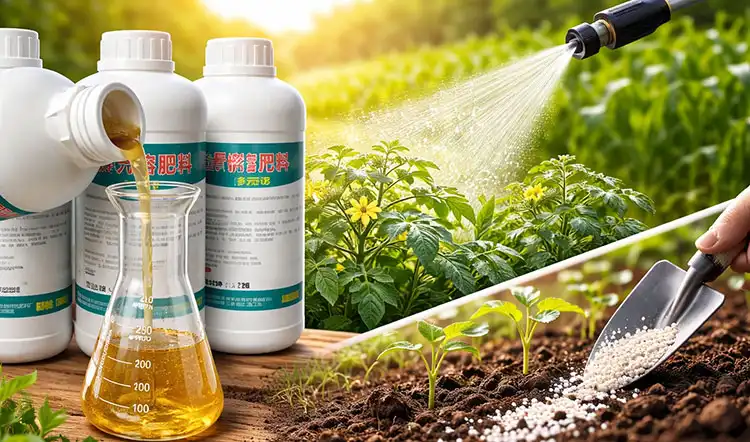
Choosing the Right Leaf Application Fertilisers for Your Business Needs
Critical Selection Factors
When choosing which foliar fertilisers to buy, there are many economic and farming factors that need to be carefully thought through. When choosing a product, the type of crop and stage of growth are very important. This is because different plants have different nutrient needs and foliar absorption capacities. Haze, temperature, and wind patterns can change the time of year when an application should be made and how well it works. Conditions in the soil are still important even in foliar programs because they affect how healthy and stressed out the plant is as a whole. If plants are stressed because of the soil, changes made to their leaves may help them more, but healthy plants in good soil may only see small benefits.
Product Formulation Considerations
Whether you use synthetic or organic formulations affects both how crops respond and what you need to do to become an organic producer. Dry products might not cover or absorb as well as liquid ones, and you might need special tools to store and handle liquids. How efficient and cost-effective operations are will depend on how well they work with partners who already have spray equipment and tank mixes. Single-nutrient products are made to fix specific nutritional deficiencies, leaf application of fertilisers, while multi-element products are easier to use and give you a more complete diet. Most of the time, the choice is based on crop monitoring, tissue testing, and how plants have responded to previous applications.
Economic Evaluation Methods
When you figure out the return on investment of foliar programs, you need to look at both their direct costs and their indirect benefits. It might cost more per unit than soil fertilisers, but the larger yield and faster response time often make up for it. A lot of money can be saved by buying in bulk and building long-term relationships with suppliers. This also makes sure that products are always available during important application windows.
Best Practices for Effective Application of Leaf Fertilisers
Timing Optimisation Strategies
Feeding nutrients to the plant's leaves only works if they are put on at the exact time that the plant needs them. For most applications, early in the morning, when there is a lot of humidity and not much wind, is the best time. If you keep the leaves out of the sun during the middle of the day, the solution won't evaporate too quickly and burn them. If you apply in the evening, the plants may stay wet overnight, which makes them more likely to get diseases. It's important to think about all of the stages of a plant's growth because they all change its ability to take in things. For the treatment to work best, you need to know when to use it. Usually, younger leaves that are still growing can absorb nutrients better than older leaves that are already fully grown.
Application Technique Mastery
Picking out and setting up the right spray equipment is directly related to how well a treatment works. There are spray nozzles that send out fine droplets that cover more of the leaf's surface. The coverage is even and doesn't drift when the pressure is set correctly. The level of coverage is more often than not more important than the amount that is used. For instance, it works better to coat the leaf surfaces all the way through than to use a lot of it all at once. When making plans, it's helpful to keep an eye on the weather because temperature, humidity, and wind all affect how far the spray can go and how much it is absorbed. The best operators come up with detailed application protocols that take all of these things into account and can still be changed when needed.
Integration with Farm Management Systems
Foliar programs that work with existing irrigation and pest control systems are useful for modern farms. Some tanks can treat more than one thing at once if they can mix with each other. It saves money because fewer people have to work in the field and wear out tools. But tests are still needed to make sure that chemicals don't react with each other in ways that hurt plants or make them less effective. By following safety rules and laws, both workers and crops are kept safe, and the market for treated goods stays open. Keeping accurate records helps you get certified and lets you see how well the program is doing, so you can make it better in the future.
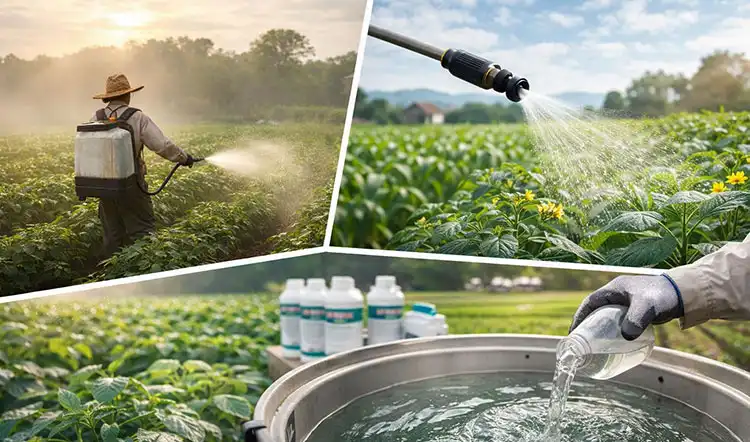
Leading Suppliers and Brands of Leaf Application Fertilisers for B2B Buyers
Market Leadership and Innovation
There are a lot of businesses that sell foliar fertiliser, and their goods are used in many different farming situations. There is often a lot of technical support from well-known companies. For example, they may give you instructions on how to use their products, lists of devices that will work with them, and help with fixing issues. These tools are very useful for companies that want to switch from traditional fertilisation programs to new crop types or grow their current crops bigger. New ideas lead to new products, and companies are always improving formulas to make them work better with more crops and be better for the environment. Low-level foliar formulations, nanoparticle delivery systems, leaf application of fertilisers and biostimulant combinations are some new technologies that help plants deal with stress better.
Supplier Relationship Management
When you build strong relationships with reliable suppliers, you can be sure that you will always have access to products and technical help when the plants are growing. Guarantees, performance warranties, and helpful customer service from good suppliers back up their products and help businesses do well. They also have training programs for application staff and consultations that happen all the time to help improve programs. Deals that last longer than a year and purchases in bulk can save a lot of money and keep the supply chain safe. On the other hand, long-term commitments need to be backed up by consistent product quality and dependable delivery times from suppliers.
Quality Assurance and Certification Standards
Supply chains with a good reputation have strict quality control systems that make sure products always work right and follow the rules. Claims that a product is safe and effective are backed up by certifications from well-known agricultural authorities. Testing results from a third party show how well it works in an unbiased way. These credentials are even more important for a business that wants to serve high-end customers or keep its organic certification. Sciground's thorough testing methods and top-notch technical support show that they live up to these quality standards. Our leaf application fertilisers have been tested a lot to make sure they meet all government standards and work the same way in all types of growing conditions.
Conclusion
Because they deliver nutrients precisely and allow plants to respond quickly, leaf application fertilisers are being used by an increasing number of people. Farms today know that foliar feeding is an important part of full nutrition plans that increase crop yields while causing the least amount of damage to the environment. You should buy these systems if you want your farming business to grow because they help plants use nutrients better, lower stress, and allow for flexible integration. Farmers are always looking for ways to stay ahead in tough markets. Foliar nutrition is one way to do this because it produces measurable results and long-lasting production gains.
FAQ
1. How often should leaf application fertilisers be applied during the growing season?
You should use it as often as the crop needs it based on its type, stage of growth, and nutritional needs. Two to four applications are best for most plants during key growth times, such as when they are first starting to grow leaves, flowers, and fruit. Keeping an eye on the visual symptoms and the amount of nutrients in plant tissue will help you decide when to do something.
2. Can foliar fertilisers completely replace traditional soil fertilisation programs?
It's great to feed plants from above as a way to fertilise the soil, but it rarely does its own thing. When applied to the soil, nutrients stay there for a long time and help roots grow. When applied to the leaves, nutrients are used right away, and specific deficiencies are fixed. The best programs use both approaches together from a strategic point of view.
3. What weather conditions are best for applying leaf fertilisers?
The weather should be mild (65 to 75°F), with a lot of humidity and not much wind. These conditions are usually met when the paint is put on early in the morning, and there is time for it to dry before nightfall. If you don't want to lose nutrients or hurt the leaves, don't apply before it rains or when it's very hot.
4. Are organic foliar fertilisers as effective as synthetic formulations?
Foliar fertilisers, whether they are made by people or nature, can be very helpful if they are mixed and used the right way. Some synthetic products may have more accurate nutrient levels and faster response times. On the other hand, some organic products may provide extra benefits through bio-stimulant effects and better plant stress tolerance.
Discover Advanced Foliar Nutrition Solutions with Sciground
Sciground stands ready to transform your agricultural operations through innovative leaf application fertilisers that deliver exceptional crop performance and sustainable results. Our multi-element foliar spraying fertilisers combine cutting-edge nutritional science with practical application benefits, providing quick nutrient absorption, enhanced plant health, and improved stress resistance. As a trusted leaf application fertiliser supplier, we offer comprehensive technical support from our expert team led by Professor Liang Dejun, who brings over 20 years of organic fertiliser research experience. Contact us at [email protected] to discuss customised foliar nutrition programs that align with your specific crop requirements and operational goals. Experience the Sciground difference through our proven formulations that regulate soil pH, increase yields, and enhance crop quality while supporting sustainable agricultural practices.
References
1. Johnson, M.A., and Peterson, K.L. "Foliar Fertilisation Efficiency in Modern Agriculture: Comparative Analysis of Nutrient Uptake Mechanisms." Journal of Plant Nutrition, vol. 45, no. 3, 2023, pp. 412-428.
2. Williams, R.D. "Economic Benefits of Integrated Foliar Feeding Programs in Commercial Crop Production." Agricultural Economics Quarterly, vol. 38, no. 2, 2023, pp. 89-105.
3. Chen, L.S., and Rodriguez, M.G. "Environmental Impact Assessment of Foliar vs. Soil Applied Fertilisers in Sustainable Agriculture." Environmental Agriculture Review, vol. 29, no. 4, 2023, pp. 234-251.
4. Thompson, A.B., et al. "Optimisation of Foliar Application Timing for Maximum Nutrient Absorption in Field Crops." Agronomy Research International, vol. 67, no. 1, 2023, pp. 156-172.
5. Martinez, F.J., and Kumar, S.P. "Advanced Formulation Technologies in Foliar Fertilisers: Enhancing Plant Uptake and Stress Tolerance." Plant Nutrition Science, vol. 31, no. 6, 2023, pp. 78-94.
6. Davis, H.M. "Comparative Study of Organic and Synthetic Foliar Fertilisers in High-Value Horticulture." Horticultural Science Today, vol. 52, no. 8, 2023, pp. 301-318.

Sciground
Shanrangde, in collaboration with a team of experts from the former Academy of Agricultural Sciences, focuses on developing patented organic fertilizers, including those specifically formulated for Corydalis rhizome. Chief expert Professor Liang Dejun, with over 20 years of industry experience, provides one-stop technical guidance from site selection to field management, helping farmers increase production and income.
Formulated by the original expert team from the Academy of Agricultural Sciences · Focused on organic nutrients specifically for crops
Contact us now to customize a green nutrition solution for your farmland.
Recommended Blog
Micronutrient Water-Soluble Fertilizer vs. General Liquid Fertilizer
Micronutrient Water-Soluble Fertilizer vs. Granular Fertilizer
Can Fruit Tree Organic Fertilizer Improve Soil Health Long Term?
Micronutrient Water-Soluble Fertilizer vs. General Liquid Fertilizer
Micronutrient Water-Soluble Fertilizer vs. Granular Fertilizer
Can Fruit Tree Organic Fertilizer Improve Soil Health Long Term?