Micronutrient Fertilizers: The Secret to Stronger Crops?
Understanding Micronutrient Fertilizers and Their Benefits
- Understanding Micronutrient Fertilizers and Their Benefits
- How to Use Micronutrient Fertilizers Effectively for Maximum Crop Strength
- Choosing the Right Micronutrient Fertilizer: Comparison and Analysis
- Impact of Micronutrient Fertilizers on Crop Yield and Soil Health
- Procurement Guide: How to Source and Purchase Micronutrient Fertilizers Globally
- Conclusion
- FAQ
- Partner with Sciground for Superior Micronutrient Solutions
- References
The answer is absolutely yes—micronutrient fertilizers represent one of agriculture's most powerful yet underutilized tools for achieving exceptional crop performance. While these specialized formulations supply essential trace elements like iron, zinc, manganese, and copper in minute quantities, their impact on plant health, disease resistance, and overall productivity is enormous. Modern agricultural research consistently demonstrates that addressing micronutrient deficiencies can unlock yield potential that traditional NPK fertilization alone cannot achieve, making these products indispensable for farmers seeking competitive advantages in today's demanding agricultural marketplace.
Understanding Micronutrient Fertilizers and Their Benefits
Essential Trace Elements That Transform Crop Performance
Micronutrient fertilizers have seven important trace elements that plants need in small amounts but can't make on their own. Copper (Cu), boron (B), molybdenum (Mo), manganese (Mn), iron (Fe), and nickel (Ni). Meganutrients like nitrogen, phosphorus, and potassium are very important for plants. Micronutrients, on the other hand, help enzymes do their jobs and are structural parts of important physiological processes. Large and small nutrients are used in different amounts and in different ways in macronutrient and micronutrient fertilization. The biochemical reactions that cause growth are made possible by micronutrients. Macronutrients, on the other hand, help build plant tissue and move energy around. Manganese starts enzymes needed for photosynthesis and nitrogen metabolism, iron helps make chlorophyll and moves electrons around, and zinc controls the making of hormones and proteins.
Forms and Formulations for Diverse Agricultural Applications
The different types of micronutrient fertilizers on the market today are made to solve different farming problems. Using liquid formulas that dissolve in water is easy for plants to take in through both foliar application and fertigation systems, fixing problems right away. Granules and powders work well with bulk fertilizer blends and keep giving plants nutrients all season long. Chelated micronutrients are the most cutting-edge way to formulate nutrients. They use organic molecules to make sure that trace elements don't get stuck in the soil and that they can still be used by living things at different pH levels. Products that contain EDTA chelates work best in neutral soils. On the other hand, products that contain EDDHA chelates stay stable in alkaline conditions where regular sulfate forms aren't present.
Recognizing Deficiency Symptoms and Economic Impact
Visual signs of not getting enough micronutrients usually show up after the crop has already lost some of its yield. In other words, strategies for preventative application are cheaper than treatments for problems that have already happened. If a plant doesn't have enough iron, interveinal chlorosis will show up, especially in young leaves. When corn and other cereals don't get enough zinc, they get white buds and grow slowly. Researchers in agriculture have found that micronutrient fertilizers' yields can drop by 10–30% when micronutrient levels are low, even when macronutrient levels look fine. It's called "hidden hunger," and it happens when enzymes don't work right, and the plant can't use nitrogen, phosphorus, and potassium as well as it could to grow.
How to Use Micronutrient Fertilizers Effectively for Maximum Crop Strength
Application Methods and Timing Strategies
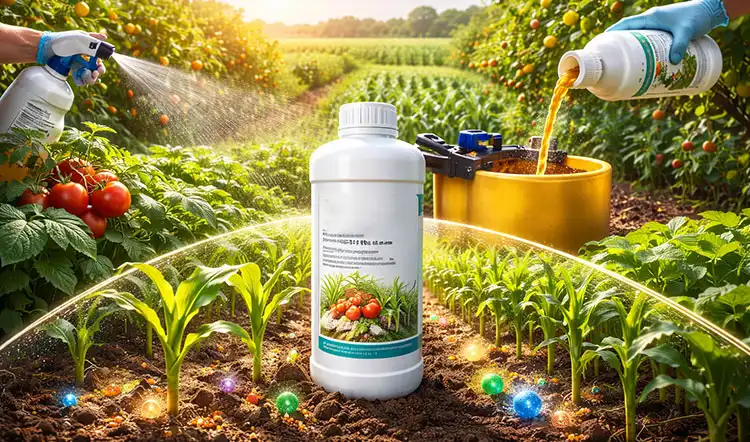
When micronutrient fertilization is used, it must be done in a way that fits the needs of the crop and the soil. Putting nutrients on the leaves directly sends them nutrients, even if the soil has problems that make it harder for roots to take them in. When the plant is growing quickly and needs more nutrients than its roots can take in, this method works especially well to fix severe deficiencies. You can make nutrients available all through the growing season by adding them to the soil in bands or in a way that mixes them evenly. But micronutrients are not always bioavailable because of the pH of the soil. Too acidic soils might make it harder for plants to use molybdenum. On the other hand, too basic soils might make it harder for plants to use iron, zinc, and manganese.
Crop-Specific Recommendations and Growth Stage Considerations
Adding trace elements to plants has a big impact on vegetable crops, especially when they are flowering and bearing fruit. Balanced applications of iron, zinc, and manganese are better for tomatoes because they make the fruit size more uniform and improve quality after harvest. However, leafy greens need more iron to maintain their deep green color and high nutritional value. Fruit trees are especially hard to take care of because their roots stay in the ground for a long time, and they take a long time to produce fruit. Chelated micronutrient fertilizers should only be used on the soil once a year so that deficiencies don't build up over several seasons. If you have calcareous soil, give your citrus trees more iron. If you have stone fruits, give them zinc to help the fruit set and get bigger. Adding micronutrients at the right time can help cereal crops like corn, wheat, and rice produce more. When you plant something, adding zinc helps the roots grow faster, and the plant handles stress better. Applying iron to the leaves during grain filling raises the protein content and quality of the grain as a whole.
Avoiding Common Application Pitfalls
Micronutrient toxicity can occur when application rates exceed plant requirements, particularly with copper and boron applications. Too much boron hurts plants by burning the leaves and stopping them from flowering, and too much copper stops roots from growing and iron absorption. To find the correct application rates, it is objective to test the soil and look at the tissue. It's important to keep this in mind when making programs because micronutrients and macronutrients can hurt each other. Zinc deficiency can be caused by high levels of phosphorus through precipitation reactions. But putting too much nitrogen on plants that are already prone to iron chlorosis may make it worse.
Choosing the Right Micronutrient Fertilizer: Comparison and Analysis
Synthetic versus Organic Formulations
When you use synthetic micronutrient formulations, you can give plants the right amount of nutrients and get the same results no matter what growing conditions they are in. Usually, these micronutrient fertilizers can be used right away by plants and work well with fertilization programs that are already in place. They're perfect for businesses that need to stick to standard procedures because of this. Some organic sources of micronutrients are rock minerals, biological extracts, and composted materials. These sources release nutrients slowly and are good for the soil's health. More microbes and organic matter are added, and trace elements are also added. But the amounts of nutrients are still not always the same, and it's hard to make them all the same.
Liquid versus Powder Formulations
Liquid micronutrient concentrates excel in fertigation systems and foliar applications where uniform distribution and rapid absorption are priorities. These formulations dissolve completely without residue, preventing equipment clogging and ensuring consistent application rates. Storage requirements include freeze protection and container compatibility with concentrated nutrient solutions. Powder and granular forms offer advantages in bulk blending operations and broadcast applications where storage stability and handling convenience are important considerations. These products typically provide longer shelf life and reduced shipping costs due to higher nutrient concentrations per unit weight.
Supplier Evaluation and Quality Assurance
Companies that sell micronutrient fertilizer that you can rely on use certified analysis reports, batch testing protocols, and follow industry standards such as AAPFCO rules to show that their products are always of high quality. Professional suppliers are different from commodity brokers because they have quality management systems in place, manufacturing facility certifications, and can help with technical issues. Bulk purchasing arrangements offer significant cost advantages while ensuring supply continuity throughout critical application windows. Long-term partnerships with established manufacturers provide access to technical expertise, customized formulations, and more attention when demand is high or supply is an issue.
Impact of Micronutrient Fertilizers on Crop Yield and Soil Health
Scientific Evidence and Yield Documentation
In university trials, targeted fertilization programs that fix micronutrient deficiencies have been shown to boost crop yields by 8 to 25 percent. It was found that adding zinc to the soil in several places where corn is grown increased average yields by 12 bushels per acre and made grain protein content and test weight measurements better. Similar studies have shown that micronutrient fertilizers increase both the amount and quality of vegetables grown. When tested on tomatoes, plants that got balanced trace element nutrition had 18% higher yields and better fruit firmness, color development, and shelf life than plants that only got NPK.
Long-term Soil Health Benefits
A balanced mix of micronutrients helps soil microorganisms that need trace elements to do their metabolic work. Some micronutrients are needed for mycorrhizal fungi to be able to grow well in relationships with crop roots. The roots can take in nutrients better and handle stress better during the growing season with the help of these micronutrients. Soil doesn't get depleted because of trace elements that stay in it. This happens when intensive farming takes away more micronutrients than natural weathering processes can replace. In high-yield production systems, where crops take in more nutrients than they put in through mineral weathering and organic matter breakdown, this nutrient mining effect is stronger.
Economic Returns and Market Competitiveness
Investment analysis demonstrates that micronutrient fertilization programs typically generate 3:1 to 5:1 return ratios through increased yields, improved crop quality, and reduced production risks. Foods that are higher in nutrients are becoming more and more popular in exclusive markets. In other words, crops that are grown with full trace element nutrition can sell for more money. Crops that are low in micronutrients often don't meet the strict quality standards of export markets, especially micronutrient fertilizers, when it comes to how they look, how long they last, and how much nutrition they have. Trace elements added to crops help growers meet these standards more often and reduce the number of rejects and quality discounts.
Procurement Guide: How to Source and Purchase Micronutrient Fertilizers Globally
Supply Chain Navigation and Price Evaluation
On the world market, the prices of micronutrient fertilizers change a lot because of the cost of raw materials, the amount that can be made, and changes in demand with the seasons. Prices for zinc sulfate are strongly connected to prices for zinc metal. On the other hand, prices for chelated products depend on both metal prices and the availability of organic acids. To get things at good prices, it's helpful to have different types of relationships with suppliers in different parts of the world, set up agreements that keep prices stable, and buy things at the right time of year to take advantage of market cycles. Prices usually go up in the spring, when demand is at its highest. However, after harvest, you can find good deals on what you need for next season.
Quality Verification and Technical Support
Full technical details, like guaranteed analysis certificates, heavy metal testing results, and physical property specifications, are given by professionals who sell micronutrients. These papers let buyers check the product's quality and make sure it follows local rules about what kinds of chemicals can be in fertilizer and how much of them can be present. Technical support after the sale is what makes a supplier different from a commodity trader. It can be used to get advice on farming, fix problems with applications, and keep an eye on their performance. When starting new fertilization programs or dealing with crops that don't do what you thought they would, this information is very useful.
Logistics and Storage Considerations
Micronutrient fertilizer shipping requires specialized handling due to product density, corrosiveness, and moisture sensitivity. When moving bulk liquids in cold places, they need to be heated. On the other hand, hygroscopic crystalline materials need to be kept in climate-controlled spaces and packed in a way that keeps moisture out. Buying in bulk can save you money with shipping containers, but buyers need to make sure they have the right tools and space to unload and store the goods. You can get smaller amounts and more flexible delivery times through regional distribution networks, but the cost per unit usually goes up as the order size goes down.
Conclusion
Micronutrient fertilizers have evolved from agricultural curiosities to essential production tools that modern farming operations cannot afford to ignore. The scientific evidence overwhelmingly demonstrates that addressing trace element nutrition unlocks yield potential while improving crop quality and stress tolerance. Whether growing vegetables, tree fruits, or field crops, strategic micronutrient supplementation provides competitive advantages that translate directly into improved profitability and market positioning. As agriculture continues to intensify to meet global food demands, micronutrient fertilization represents a proven pathway to sustainable productivity gains that benefit both farmers and consumers.
FAQ
1. What are the most essential micronutrients for crop production?
Iron, zinc, manganese, copper, boron, molybdenum, and nickel comprise the essential micronutrients required by all crops, though specific requirements vary by plant species and growing conditions. Iron and zinc deficiencies are most commonly encountered, particularly in alkaline soils and intensive production systems.
2. How often should micronutrient fertilizers be applied?
Application frequency depends on crop type, soil conditions, and product formulation. Annual soil applications typically suffice for perennial crops, while foliar treatments may be needed 2-3 times during the growing season for vegetables and field crops experiencing acute deficiencies.
3. Can micronutrient fertilizers be mixed with pesticides?
Many micronutrient formulations are compatible with pesticide applications, though tank mix compatibility should always be verified through jar testing before field application. Some chelated products may interact with certain fungicides or herbicides, requiring separate applications.
4. What's the difference between chelated and sulfate forms?
Chelated micronutrients remain available across wider pH ranges and resist soil fixation, making them more efficient but costlier than sulfate forms. Sulfate products work well in acidic soils and provide immediate availability at a lower cost per unit of nutrient.
5. How can I determine if my crops need micronutrient fertilization?
Soil testing and plant tissue analysis provide objective assessments of micronutrient status. Visual symptoms like chlorosis, stunted growth, or poor fruit development may indicate deficiencies, though these often appear after yield losses have occurred.
Partner with Sciground for Superior Micronutrient Solutions
Sciground delivers cutting-edge micronutrient fertilizers designed to maximize crop performance while supporting sustainable agricultural practices. Our water-soluble formulations provide essential trace elements that enhance plant health, disease resistance, and overall productivity through fast absorption and superior bioavailability.
As a leading micronutrient fertilizers manufacturer, we combine advanced scientific research with practical field experience to develop products that address real-world agricultural challenges. Our multifunctional plant growth enhancers increase leaf size and thickness, promote flowering and fruiting, and ensure uniform fruit quality with extended shelf life.
Contact our technical team at [email protected] to discuss customized micronutrient solutions for your specific crops and growing conditions. Our comprehensive product line and expert agronomic support help farmers achieve consistent, profitable results while building long-term soil health.
References
1. Alloway, B.J. "Micronutrients and Crop Production: An Introduction." Micronutrient Deficiencies in Global Crop Production. Springer Netherlands, 2008.
2. Fageria, N.K., et al. "Micronutrients in Crop Production." Advances in Agronomy, Vol. 77. Academic Press, 2002.
3. Mortvedt, J.J. "Micronutrient Fertilizer Technology." Fertilizer Technology and Use, 4th Edition. Soil Science Society of America, 1991.
4. Shuman, L.M. "Micronutrient Fertilizers and Metal Toxicity." Plant and Soil Science Journal, Vol. 247, No. 1, 2002.
5. Welch, R.M. and Graham, R.D. "Breeding for Micronutrients in Staple Food Crops from a Human Nutrition Perspective." Journal of Experimental Botany, Vol. 55, No. 396, 2004.
6. Zhang, Y.Q., et al. "Micronutrient Deficiencies in Crops and Their Global Significance." Advances in Plant Nutrition Research, Vol. 3, 2012.

Sciground
Shanrangde, in collaboration with a team of experts from the former Academy of Agricultural Sciences, focuses on developing patented organic fertilizers, including those specifically formulated for Corydalis rhizome. Chief expert Professor Liang Dejun, with over 20 years of industry experience, provides one-stop technical guidance from site selection to field management, helping farmers increase production and income.
Formulated by the original expert team from the Academy of Agricultural Sciences · Focused on organic nutrients specifically for crops
Contact us now to customize a green nutrition solution for your farmland.
Recommended Blog
How Do Micronutrient Fertilizers Work in Plants?
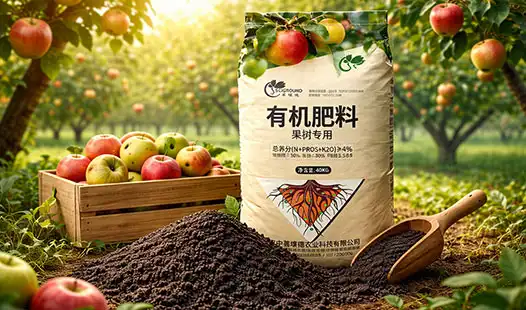
How to Maximize Yield Using Organic Fertilizer?
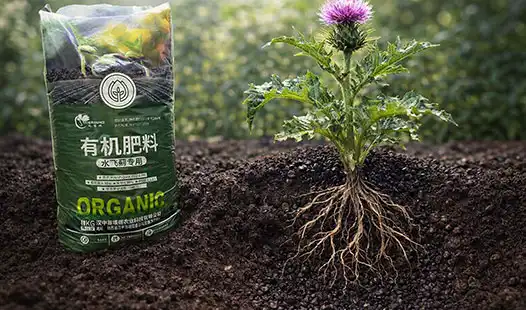
How Organic Nutrients Support Milk Thistle Root Growth?
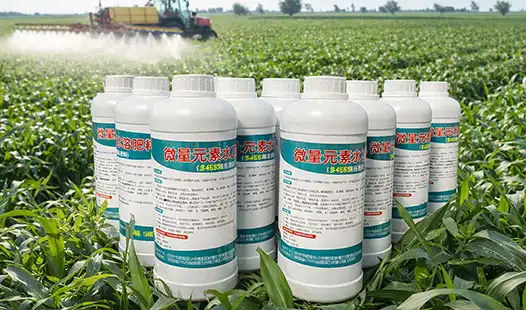
Are Foliar Fertilizers the Future of Crop Nutrition?