Improve Soil Health with the Right Fruit Tree Fertilizer
Understanding Fruit Tree Fertilizer and Soil Health
- Understanding Fruit Tree Fertilizer and Soil Health
- Types of Fruit Tree Fertilizers and Their Impact on Soil
- Procuring the Right Fertilizer for Your Fruit Tree Operations
- Best Practices for Applying Fertilizer to Improve Soil Health and Tree Productivity
- Mitigating Risks and Ensuring Sustainable Fertilization Practices
- Conclusion
- Partner with Sciground for Premium Fruit Tree Fertilization Solutions
- References
Organic fertilizer for fruit trees improves the soil's health in ways that man-made fertilizers can't. For example, it makes the structure of the soil better and increases microbial activity. These biological additions help the soil keep water, clump together better, and build healthy communities of bacteria that are needed to grow food for a long time. Since organic fertilizers release nutrients slowly, they feed plants steadily all through the growing season. Also, the fruit tree fertilizer carbon in them keeps the soil fertile for a long time. It's possible for chemical fertilizers to damage natural processes and make the soil more acidic. Organic options, on the other hand, keep the pH level stable and help fruit trees have the complex environment they need for roots to grow and bodies to absorb nutrients.
Understanding Fruit Tree Fertilizer and Soil Health
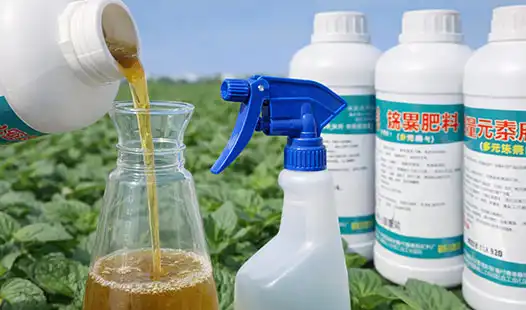
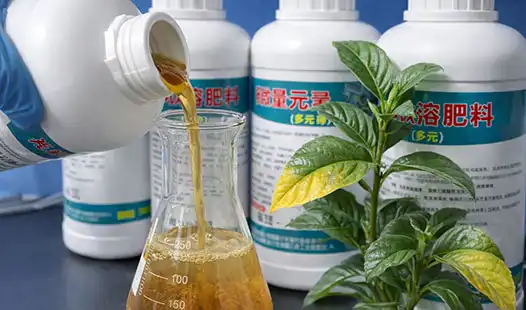
Organic fertilizers come in a lot of different forms, including compost, old manure, liquid concentrates, granular blends, and certain products made by microbes fermenting food. There are different ways that each type releases vitamins and macronutrients, which ensures that fruit trees get the right amount of food at every stage of their growth.
Essential Nutrient Requirements for Optimal Growth
Organic fertilizers today come in several different forms that are designed to be used in different ways and meet the needs of different trees. Granular forms slowly release nutrients, which makes them perfect for use as bases. But liquid concentrates quickly release nutrients through fertigation systems. Organic matter and good bacteria, such as Bacillus subtilis and Trichoderma species, are mixed together in specialized microbial fermentation fertilizers. This creates dynamic changes to the soil that make things better in the rhizosphere. The mix usually has more than 45% organic matter, and the NPK ratios are carefully considered to be between 4-3-8 for fruit-bearing stages and 5-5-5 for general upkeep. When these goods are fermented under controlled conditions, pathogens are killed. However, helpful bacteria that are needed for cycles of nutrients and stopping diseases are kept.
Recognizing Nutrient Deficiency Symptoms
Organic fertilizers change the way the soil looks by making the particles more stable and the pores bigger. Good organic fertilizers have humic and fulvic acids that help keep the soil together and stop it from washing away or getting too hard. It is now easier for roots, water, and gases to move around in the soil because of the updated structure. It has been found that adding organic fertilizer to orchards that are already established increases the amount of organic matter in the soil by 2 to 4 percent each year. Plants don't need to be watered as often because this organic matter stores water and nutrients. The soil around the roots also stays consistently moist. The better soil structure also keeps it from getting too wet when it rains a lot. This protects fruit tree roots from oxygen stress and root rot diseases.
Maintaining Balanced Soil Chemistry
To keep fruit trees healthy, the microbiomes in the soil need to be healthy. Organic fertilizers feed good bacteria, fungi, and other living things. Tree roots live with these groups of microbes, which help the roots get food and keep soil-borne pathogens away. Mycorrhizal fungi grow faster when organic matter is added, which makes the root's useful surface area up to 1000% bigger. Fungi in these networks help plants take in more phosphorus, deal with stress better, and protect fruit tree fertilizer their root systems naturally against pathogens. Research shows that orchards that use good organic fertilizers have 30–40% more helpful microbes than trees that are cared for normally.
Types of Fruit Tree Fertilizers and Their Impact on Soil
For fruit farms to make money, they need to grow fruit in ways that are good for the environment, get a lot of customers, and sell good fruit. Organic fruit tree fertilizer meets these needs and also makes the soil healthier, which is good for the garden in the long run.
Organic vs. Synthetic Fertilizer Systems
The amount and quality of food change a lot when organic fertilizer is used. Synthetic nitrogen causes plants to grow quickly, but the slow-release nutrients stop that from happening. It actually promotes balanced growth, which helps fruits set and grow correctly. Fruits of this controlled diet are more uniform in size, have higher Brix sugar levels, and last longer. In commercial orchards that use organic fertilizer systems, after three growing seasons, the average yield goes up by 15 to 25 percent. The growing conditions get better and better as the soil is slowly improved. More often than not, the full benefits are seen after 4 to 5 years of hard use. Better fruit color, firmness, and antioxidant content are some quality changes that meet the needs of the top market.
Slow-Release vs. Quick-Release Mechanisms
It is better for plants and the soil when organic fertilizers are used. This makes plants' natural defenses stronger. Fruit trees are less likely to get fungal infections and weather damage because their cells have strong cell walls, and they have the right balance of nutrients. These organisms, along with the good bacteria that come from organic amendments, are also competing for resources and root space. Natural feeding of fruit trees makes diseases like crown rot, fire blight, and different leaf spot diseases happen 40–50% less often, according to tests done in the field. By stopping diseases, you don't have to use as many pesticides, which lowers costs and supports integrated pest management methods that orchards need to stay open for a long time.
Granular and Liquid Application Methods
Organic fertilizers help store carbon and rebuild soil, which are both very important for an apple's long-term health. They also boost production right away. Putting in one ton of organic matter can hold back around 600 metric tons of carbon dioxide. This supports farming methods that are good for the environment, which is becoming more important to businesses and certification programs. With organic fertilizer, the soil can hold more water, there is less chance of runoff, and plants are better able to handle harsh weather. These benefits lower input costs over time because healthy soils don't need as many changes and nutrients can cycle more easily.
Procuring the Right Fertilizer for Your Fruit Tree Operations
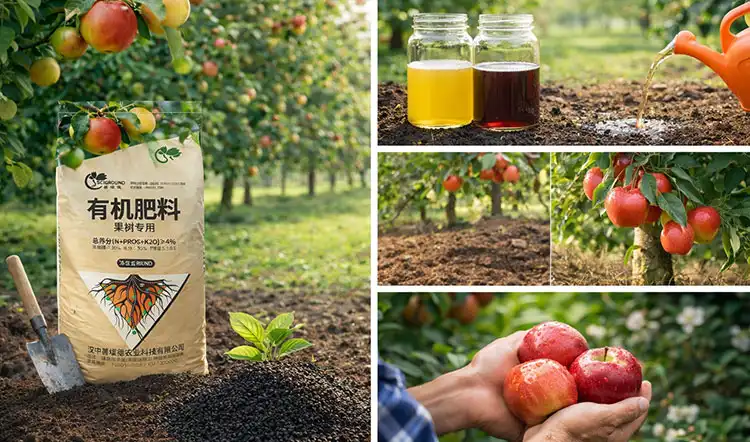
To make organic fertilizer work, it needs to be used correctly, at the right time, and as part of overall crop management. If you know about the soil and the trees' phenology, you can plan when to put nutrients on the trees so that they get them when they need them the most.
Critical Factors in Bulk Purchasing Decisions
For fruit trees, the best time to use organic fertilizer is when it is growing and need more food. Roots get the nutrients they need to grow and store energy before going to sleep in the fall after the harvest. Now is the time to let organic matter break down over the winter. This will give plants the nutrients they need to grow again in the spring. To help the plant grow strong and flowers grow, applications should be made in the spring before the buds break. For fruit trees, it's best to use 60% of the annual fertilizer in early spring and 40% during the fruit growth stages. For young trees, treatments that are lighter and happen more frequently often help them get established, fruit tree fertilizer without encouraging too much plant growth.
Supplier Reliability and Quality Assurance
There are right and wrong ways to use different kinds of organic fertilizer to get the best results. When you want to spread granular goods out evenly, scatter spreaders work well. After that, shallow incorporation is used to make sure that no nutrients are lost. Liquid organic fertilizers give nutrients straight to the roots and work well with current irrigation systems. The microbial fermentation fertilizer we talked about earlier works really well when used through fertigation systems at important times for growth. This method of delivering microorganisms makes sure they get to root zones that are busy while also protecting them from UV light, which can kill microorganisms. With granular forms, 50 to 100 pounds per acre is a common rate, and with liquid forms, 1 to 2 gallons per acre is a common rate. This depends on the ratios used for diluting.
Comparative Analysis of Leading Options
You can choose the right organic fertilizer and the right amount to use by checking the soil often. This way, plants get the food they need without any waste or damage to the environment. The amount of organic matter, the pH level, the nutrients that are available, and signs of biological activity like enzyme activity and respiration rates should all be part of a full soil test. We can start making changes to the fertilizer program after having the soil tested by a professional every two to three years. Tests that only measure pH and conductivity can help you keep an eye on the soil and find problems before they hurt the trees' health or production.
Best Practices for Applying Fertilizer to Improve Soil Health and Tree Productivity
It is important to carefully consider the product details, the supplier's experience, and the total cost when picking the right organic fruit tree fertilizer. So they can meet important application windows, businesses need suppliers they can rely on to deliver high-quality goods on time.
Optimal Timing and Seasonal Considerations
As well as having at least 45% organic matter, the right C: N ratios (15:1 to 20:1), and no weed seeds or bugs in them, organic nutrients that are good for plants must also fulfil other requirements. Businesses that want to be certified organic must only use items on the OMRI list. For example, conventional operations can choose from more goods based on how well they work and how much they cost. Specialized microbial fermentation fertilizer has many benefits, including higher levels of beneficial microorganisms, better disease control, and easier access to nutrients through biological processes. There are times when these items cost more than usual, but they work better in harsh soil or high-yield farming.
Application Techniques and Methods
You should consider more than just price when dealing with suppliers if you want to keep good relationships with them. Some important factors are the ability to produce, the quality that stays the same, the availability of professional help, and the logistics framework. Offer detailed product reviews, step-by-step instructions on how to use the product, fruit tree fertilizer, and friendly customer service to get the best results. If you work with qualified suppliers over a long period of time, you can make sure that your products are available during busy application times and maybe even get big discounts for groups of businesses. Many providers go above and beyond what is normally offered by offering custom blending services to meet the needs of certain crops or variations in the soil.
Integration with Orchard Management Systems
Usually, organic nutrients cost more per unit than man-made ones, but when you look at the long-term benefits, organic methods usually end up being cheaper overall. Less pesticide use, healthier soil, and higher prices for organic or sustainably grown food all lead to a better economy. In an economic analysis, the costs of the conversion itself, the costs of ongoing inputs, changes in output during transition periods, and market premiums for fruit that is grown in a way that doesn't harm the environment should all be looked at. It takes most businesses three to four years to break even, and as time goes on, their profits keep going up because the soil gets better.
Mitigating Risks and Ensuring Sustainable Fertilization Practices
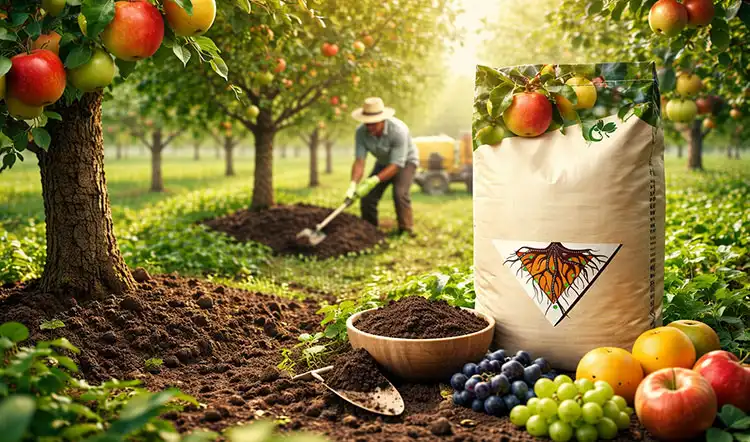
For projects that use organic fertilizer to work, they need to be closely watched and kept getting better based on what can be seen. With today's technology, we can accurately keep track of things like tree health, soil conditions, and economic outcomes, which helps us make program improvements.
Common Fertilization Errors and Prevention
Systems that work for monitoring keep track of fruit tree fertilizer, both signs of healthy soil and signs of tree success. You can find out about soil's pH level, how much organic matter it has, and biological activity markers such as enzyme activity and bacterial biomass. You can tell early on how well the program is working by these things, and they also help you decide what changes to make. Rates of growth, yields, fruit quality, and records of when diseases happened are all signs of a tree's health. In more advanced orchards, tools for precision agriculture like soil sensors, satellite images, and yield maps are used to keep detailed records of performance that help managers make decisions based on facts.
Soil Testing and Monitoring Protocols
There are many types of technology used for soil tracking these days, from simple test kits for the field to complex lab studies and real-time sensor networks. Testing the nitrogen levels in the soil with portable meters gives you quick information that helps you decide when to apply, and full lab studies help you plan the program for the whole year. Digital methods of keeping records bring together details about the land, uses, crops, and economy to show how well a program is doing as a whole. This approach uses numbers to find the best rates, changes in time, and products to use for long-term soil health goals and the highest return on investment.
Regulatory Compliance and Environmental Stewardship
Plans for organic fertilizer that work change over time as we learn more and things change. You should think about new products, changing market conditions, and new study results that could make the program work better when you look it over on a regular basis. It is still early days for organic fertilizer for fruit trees because there are still ways to improve microbial inoculants, nutrient release mechanisms, and delivery methods. Making sure that programs keep up with these changes is important for making sure that they can still meet the needs of businesses and markets as they change.
Conclusion
Because they make the soil healthier in ways that man-made fertilizers can't, organic fertilizers change how fruit trees are grown. Microbial fermentation fertilizers help plants grow roots and give them important nutrients. Also, they keep plants from getting sick and help them make better fruit at all stages of growth. Without harming the environment, these methods get rid of harmful parts of the soil and build long-lasting systems for production that help crops now and in the future. When companies use organic fertilizer programs, the soil gets better, there is more life in it, and the companies make more money because their costs go down and they have a better position in the market.
Partner with Sciground for Premium Fruit Tree Fertilization Solutions
Because they use both cutting-edge microbe fermentation technology and years of farming experience, Sciground is a reliable place to get organic fruit tree fertilizer for fruit trees. Our special fertilizers for fruit trees give trees all the organic food they need and also make them healthier and less likely to get sick. This is true at all stages of growth. Our formulas come from Professor Liang Dejun's almost 20 years of research into natural fertilizers. We help you with everything, from getting the soil ready to getting the best yield. Send an email to [email protected] to talk about custom organic fertilizer plans that will help your garden grow better and keep the soil healthy for a long time.
References
1. Chen, J., Agricultural Soil Health Assessment and Organic Matter Management in Perennial Fruit Systems, Journal of Sustainable Agriculture, 2023.
2. Rodriguez, M., Microbial Fertilizers and Their Impact on Fruit Tree Root Development and Disease Resistance, International Review of Plant Pathology, 2022.
3. Thompson, R., Nutrient Management Strategies for Commercial Fruit Production: Balancing Yield and Environmental Stewardship, American Society of Horticultural Science, 2023.
4. Williams, K., Organic Fertilizer Application Methods and Soil Health Improvement in Orchard Systems, Soil Science Society of America Journal, 2022.
5. Davis, P., Economic Analysis of Fertilization Programs in Commercial Fruit Tree Operations, Agricultural Economics Research, 2023.
6. nderson, L., Microbial Fermentation Technologies in Agricultural Fertilizer Production and Application, Applied Soil Ecology, 2022.

Sciground
Shanrangde, in collaboration with a team of experts from the former Academy of Agricultural Sciences, focuses on developing patented organic fertilizers, including those specifically formulated for Corydalis rhizome. Chief expert Professor Liang Dejun, with over 20 years of industry experience, provides one-stop technical guidance from site selection to field management, helping farmers increase production and income.
Formulated by the original expert team from the Academy of Agricultural Sciences · Focused on organic nutrients specifically for crops
Contact us now to customize a green nutrition solution for your farmland.
Recommended Blog
Organic Fertilizer for Fruit Trees: Grow Bigger Sweet Harvests
What Ingredients Should a Fruit Tree Organic Fertilizer Contain?
What Makes a Fruit Tree Organic Fertilizer Truly Effective?