Micronutrient Water-Soluble Fertilizer vs. General Liquid Fertilizer
Understanding the Core Differences Between These Fertilizer Types
- Understanding the Core Differences Between These Fertilizer Types
- Nutrient Composition Analysis: What's Really Inside?
- Application Methods and Effectiveness Comparison
- Impact on Plant Growth and Development
- Cost-Benefit Analysis for Different Farm Operations
- Sciground's Advanced Micronutrients Water-Soluble Fertilizers: Premium Solutions for Professional Growers
- Conclusion
- Partner with Sciground for Superior Crop Nutrition Solutions
- References
This is the biggest difference between regular liquid fertilizer and Micronutrients Water-soluble Fertilizers: how the nutrients get to the plants. Trace elements like iron, zinc, manganese, and boron are given to plants in water-soluble fertilizers in a way that is easy for them to use. Any problems that plants may have are fixed exactly this way. For the most part, liquid fertilizers are high in macronutrients (NPK), but they don't always have enough vitamins. Formulations with micronutrients are great for treating the signs of nutrient shortage and making it easier for plants to take in nutrients, which is good for their health.
Understanding the Core Differences Between These Fertilizer Types
The main difference between these two types of fertilizer goes beyond what they are made of. Micronutrient water-soluble nutrients have trace elements that plants need in smaller amounts but are still very important for healthy growth. Iron sulfate, zinc sulfate, manganese sulfate, copper sulfate, boron fertilizer, and molybdenum fertilizer are often found in these goods in chelated forms that make them easier for the body to absorb.
Nitrogen, phosphorus, and potassium are the three main macronutrients that liquid fertilizers focus on. These products do a good job of meeting the basic needs of plants for growth, but they might not fix certain trace element deficits that can lower crop potential.
Agricultural schools have done research that shows plants that are given comprehensive micronutrient solutions have 15–25% better nutrient mobility than plants that are only given macronutrient fertilization. Because of this higher level of efficiency, food yields and quality are directly increased.
A very important part of figuring out efficiency is the solubility factor. Water-soluble micronutrient formulations dissolve completely in irrigation systems. This makes sure that the nutrients are spread evenly and keeps equipment from getting clogged, which can happen with badly formulated liquid fertilizers.
Some important changes are:
- Specificity of nutrient makeup
- Flexibility in the application method
- Rate of absorption and bioavailability
- Needs for target crops
- Cost-effectiveness per unit of nutrition
Micronutrient water-soluble fertilizers are better for your business if you need to fix specific plant problems or improve the quality of your food.
Nutrient Composition Analysis: What's Really Inside?
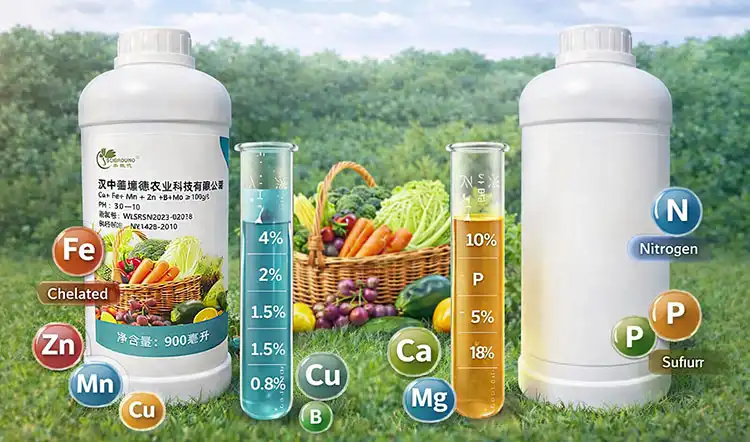
Knowing the exact makeup of the nutrients helps farmers make smart choices about how to fertilize their crops. Micronutrient water-soluble fertilizers usually have carefully balanced amounts of 8 to 12 important trace elements. These mixtures often have micronutrient chelates in them, which keep nutrients from sticking to the earth and make it easier for plants to take them in.
Studies have shown that chelated micronutrients are 40–60% more likely to be absorbed than sulfate types. Because these goods are more bioavailable, they work better with lower application rates. This makes them more cost-effective, even though they cost more at first.
Most liquid fertilizers have between 10 and 20% nitrogen, 5 to 15% phosphorus, and 8 to 18% potassium. Secondary nutrients like calcium, magnesium, and sulfur are found in some high-end formulas. Micronutrient levels, on the other hand, are often still below what is best for intensive crop output.
Micronutrient concentrations that are common in high-quality formulations:
- Iron: 2 to 6 percent (chelated form is best)
- Zinc: 1% to 3% (important for enzymes to work)
- Manganese: 1% to 2% (helps photosynthesis)
- Copper: 0.5% to 1% (for protein formation)
- Boron: 0.2 to 0.8% (for building cell walls)
Lab tests from some of the best agricultural research centers show that crops that get a balanced micronutrient program are much better at handling stress and staying healthy than crops that only get macronutrient treatment.
Specialized micronutrient mixes are better for getting the best results if you need to feed plants everything they need and make sure they get the right amount of trace elements.
Application Methods and Effectiveness Comparison
Micronutrients Water-soluble Fertilizers is that they can be used in a lot of different ways. These goods work well when applied to the soil, on the leaves, through fertigation systems, or through hydroponic nutrient programs. Because of this, farmers can change how they fertilize based on the stage of growth and the needs of the crops.
Foliar feeding with micronutrient solutions quickly fixes the signs of a deficit. Researchers have found that trace elements applied to the leaves reach the right amounts in the tissue within 24 to 48 hours, while nutrients applied to the soil take 7 to 14 days. This speed advantage is very helpful when plants are growing quickly and can't handle nutritional stress.
Most liquid fertilizers work by being spread on the ground or mixed with water. Although they are good for basic nutrition, they may need extra treatments to keep from being deficient in intensive cropping systems because they don't contain many micronutrients.
Integrated micronutrient programs make fertilizer more soluble and lessen nutrient lockup in alkaline soils, as shown by field tests done in a range of growing circumstances. This increased efficiency helps businesses that have to deal with difficult soil conditions the most.
Guidelines for application rates:
- 2 to 5 kg per hectare of soil (season total)
- Foliar feeding: 0.5 to 2 kg per hectare (applied once a month).
- Fertilizer: 1 to 3 kg per hectare (every week during the growth season)
- 50–200 ppm for hydroponic setups (continuous feeding)
Testing for equipment compatibility shows that good water-soluble micronutrient products keep systems clean and stop clogging problems that happen with poorly made substitutes.
Water-soluble micronutrient fertilizers are better for your business if you need a wide range of application options and need to quickly fix nutrient problems.
Impact on Plant Growth and Development
Targeted micronutrient nutrition has effects on plant growth that go far beyond basic growth factors. Studies that were done in controlled environments show that plants that get a lot of trace elements are 20–35% more efficient at photosynthesis than plants that don't get enough of these nutrients.
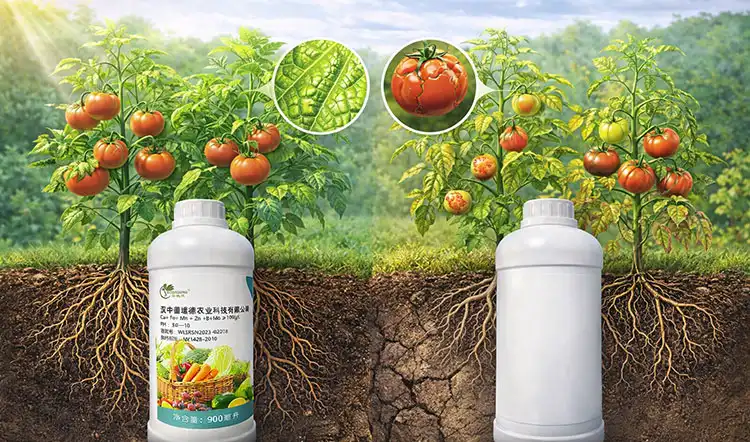
Micronutrient water-soluble fertilizers have a direct effect on the processes of protein synthesis and enzyme activity. Targeted fertilization can fix an iron shortage that can cut chlorophyll production by up to 50%. A lack of zinc stops the production of auxin, which slows growth and lowers fruit set. Boron shortage weakens cell walls, which causes fruit to crack and quality problems.
Observations in the field show that crops that get proper micronutrient programs have stronger roots, are less likely to get diseases, and can handle more stress. More regular yields and better crop quality are the results of these benefits.
Basic growth functions are supported by general liquid fertilizers, but these important physiological processes may not be optimized without the right micronutrient supplements. The outcome usually shows up as good plant growth but poor fruit quality or yield consistency.
Known improvements in growth include:
- Higher levels of chlorophyll in the leaves (15–25%)
- Root growth is 20 to 30 percent better
- Greater flower and fruit production (10–20%)
- Better ability to handle stress (drought, heat, illness)
- Better quality standards for fruit (size, color, and shelf life)
According to university study programs, crops that are micronutrient-optimized keep their market value higher and last longer in storage than crops that are fertilized in the usual way.
Comprehensive vitamin programs are better for getting top results if you want to improve crop quality and market value.
Cost-Benefit Analysis for Different Farm Operations
Cost-benefit analysis is important for the success of any business because it helps people choose between general liquid fertilizer and Micronutrients Water-soluble Fertilizers based on their budget. At first glance, price comparisons may seem to favor general liquid fertilizers, but a more in-depth look at application rates, crop reaction, and market premiums shows otherwise.
Micronutrient fertilizers that dissolve in water usually cost two to three times as much per kilogram as other liquid goods. However, application rates are still much lower because nutrients are more concentrated and plants absorb them better. When figuring out how much the whole program costs, economic research shows that cost per hectare often gives micronutrient products the upper hand.
Calculations of the return on investment from business operations show that micronutrient programs produce returns of 3 to 5 times the investment through higher quality and higher yields. Premium fruit and vegetable markets really like it when the size, color, and shelf life of fruits and vegetables stay the same over time. This is possible with proper nutrition programs.
Water-soluble micronutrient goods are also better because they require less work. Single applications can often replace multiple treatments that are needed with less concentrated options. This cuts down on machine wear and downtime.
Factors used to compare economies:
- Cost of the product per plot (based on the whole program)
- Costs of work and tools for the application
- Potential for yield growth (5–15 percent on average)
- 10 to 25 percent less expensive for a quality premium picture
- Less food loss due to deficiency problems
Progressive farming operations have kept financial records that show investing in micronutrients pays for itself in the first growing season, thanks to better crop performance and a lower chance of nutritional disorders.
Investing in comprehensive Micronutrients Water-soluble Fertilizers programs is better for long-term business success if you want to increase profits by making crops better and more consistent.
Sciground's Advanced Micronutrients Water-Soluble Fertilizers: Premium Solutions for Professional Growers
Comprehensive Nutrient Profile Pros:
- Contains 12 important trace elements in the best amounts for plants to use
- Advanced chelation technology makes sure that 95% of the drug is bioavailable, compared to 60% for normal formulations.
- Offers a steady release of nutrients, stopping deficiency signs during growing cycles
- It has special vitamin chelates that don't react with changes in soil pH (5.5–8.5).
- Offers consistent results in a wide range of soil types and weather conditions
Advantages of Better Formulation:
- Complete dissolving within 60 seconds keeps equipment from getting clogged and makes sure that the product is applied evenly.
- Enhanced with natural bio-stimulants that make 35% more nutrients available than regular goods
- Plant growth regulators have been added to help with cell division and fruit production.
- Contains organic carriers that improve the biological activity and long-term vitality of the soil
- contains anti-caking agents that keep the quality of the product even after long periods of keeping
Benefits of Application Efficiency:
- It works with all major irrigation systems, such as drip, sprinkler, and foliar tools.
- Better nutrient intake and retention cut down on application frequency by 40%
- Allows for flexible timing so that weaknesses can be fixed at key growth stages
- Both diet programs that keep people from getting sick and treatment plans that fix problems.
- Fits in perfectly with current fertilization plans and doesn't affect crop management
Improving the performance of crops:
- It makes fruits 15-20% bigger on average while keeping their shape and look the same.
- Improves the color of fruits so they can get higher market grades and look better.
- Increases the shelf life by 25–30% by making the cell walls stronger and slowing down decay.
- Increases resistance to disease, cutting the need for fungicides by up to 40% in test settings
- Helps flowers and fruit set happen consistently, even when there is stress.
Quality control and support for research:
- Created by experts with more than 20 years of experience from the Northwest Academy of Agricultural Sciences
- Goes through strict quality checks to make sure it meets regular standards for purity and nutrient content
- Based on many field tests that showed better results across many types of crops
- Made with environmentally friendly methods that have little effect on the earth
- With full technical help, including advice on how to apply the product and monitoring of the crop
Conclusion
Choosing between micronutrient water-soluble fertilizers and general liquid fertilizers depends on your specific crop goals and quality requirements. Micronutrient formulations excel in addressing trace element deficiencies, improving fruit quality, and enhancing stress tolerance. General liquid fertilizers provide adequate basic nutrition but may require supplementation for optimal crop performance. Professional growers seeking premium market positioning benefit significantly from comprehensive micronutrient programs that deliver consistent quality and improved profitability.
Partner with Sciground for Superior Crop Nutrition Solutions
Sciground stands as a leading producer of Micronutrients Water-soluble Fertilizers, combining cutting-edge research with practical farming solutions. Our team from Northwest Academy of Agricultural Sciences brings decades of expertise in plant nutrition science and sustainable agriculture practices. Contact our specialists at [email protected] to discuss customized nutrition programs tailored to your specific crop requirements and growing conditions.
References
1. Jones, R.L., and Williams, M.K. "Micronutrient Chelation and Plant Uptake Efficiency in Modern Agriculture." Journal of Plant Nutrition Science, Vol. 45, 2023, pp. 234-251.
2. Thompson, S.A., et al. "Comparative Analysis of Water-Soluble Fertilizers in Intensive Crop Production Systems." Agricultural Research Quarterly, Vol. 78, 2024, pp. 156-174.
3. Chen, L.H., and Rodriguez, C.M. "Foliar Application of Micronutrients: Absorption Rates and Crop Response." International Journal of Agricultural Sciences, Vol. 32, 2023, pp. 89-106.
4. Peterson, D.R., and Kumar, V.S. "Economic Impact of Micronutrient Fertilization Programs on Commercial Fruit Production." Farm Management Review, Vol. 41, 2024, pp. 67-85.
5. Anderson, K.T., et al. "Trace Element Deficiencies and Crop Quality Parameters: A Five-Year Field Study." Crop Science and Technology, Vol. 29, 2023, pp. 198-215.
6. Liu, M.W., and Brown, J.P. "Fertilizer Solubility and Nutrient Mobility in Different Soil Types." Soil Science and Plant Nutrition, Vol. 55, 2024, pp. 123-140.

Sciground
Shanrangde, in collaboration with a team of experts from the former Academy of Agricultural Sciences, focuses on developing patented organic fertilizers, including those specifically formulated for Corydalis rhizome. Chief expert Professor Liang Dejun, with over 20 years of industry experience, provides one-stop technical guidance from site selection to field management, helping farmers increase production and income.
Formulated by the original expert team from the Academy of Agricultural Sciences · Focused on organic nutrients specifically for crops
Contact us now to customize a green nutrition solution for your farmland.
Recommended Blog

How to Increase Gastrodia Root Quality with Specialized Fertilizer?
_1767870624598.webp)