Micronutrient Water-Soluble Fertilizer vs. Granular Fertilizer
Understanding the Core Differences Between Water-Soluble and Granular Micronutrient Fertilizers
- Understanding the Core Differences Between Water-Soluble and Granular Micronutrient Fertilizers
- Advantages of Water-Soluble Micronutrient Fertilizers
- Benefits of Granular Micronutrient Fertilizers
- Application Methods and Timing Considerations
- Cost Analysis and Economic Considerations
- Sciground's Micronutrients Water-Soluble Fertilizers Advantages
- Crop-Specific Applications and Performance Data
- Environmental Impact and Sustainability Factors
- Choosing the Right Solution for Your Operation
- Conclusion
- Partner with Sciground for Premium Micronutrients Water-Soluble Fertilizers
- References
The main difference between micronutrient water-soluble fertilizer and granule fertilizer lies in nutrient availability and application versatility. Micronutrients Water-soluble Fertilizers enable immediate plant uptake due to rapid solubility, while granular types provide slow-release nutrition over an extended period. For precision farming and rapid correction of micronutrient deficiencies, water-soluble formulations are most effective. Conversely, granular formulations are better suited for long-term soil conditioning and foundational fertilization programs.
Understanding the Core Differences Between Water-Soluble and Granular Micronutrient Fertilizers
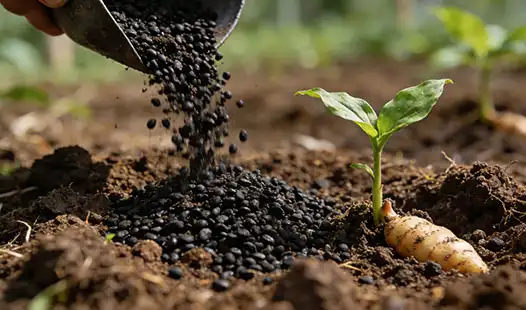
Farmers have to make important choices about agricultural fertilizer that have a direct effect on food yields and profits. There are two main types of micronutrient fertilizers, and each one is used for different things in agriculture. Trace elements that are fully dissolved in water make nutrient solutions that plants can use right away. Granular micronutrient products slowly release nutrients into the soil as they combine with it.
These three main differences stand out:
- Nutrient Release Speed: Micronutrients that dissolve in water are available right away, while grainy forms release nutrients slowly over weeks or months.
- Methods of Use: Liquid vitamin fertilizer can be sprayed on plants' leaves, mixed with water, or used in hydroponic systems. Granular products need to be mixed with dirt by broadcasting or banding.
- Chelated micronutrients in water-soluble forms are absorbed 85–95% of the time by plants, compared to 40–60% for granular applications, according to a new agricultural study.
Knowing these differences helps farmers choose the right types of fertilizer for their crops and growing methods. Each style is designed to solve a different set of farming problems and provide unique benefits for modern farming operations.
Advantages of Water-Soluble Micronutrient Fertilizers
Water-soluble nutrient treatments change the way farmers give crops the trace elements they need. When timing and nutrient concentration are very important, like in precision gardening, these formulations work great. Because they are available right away, they are perfect for treating sudden micronutrient shortage symptoms that show up during important growth stages.
Some important perks are:
- Rapid Correction: Within 3–7 days of applying foliar micronutrients, you can see changes.
- Precise Control: Farmers change the amount of nutrients based on tests of the earth and plant tissue.
- Uses Many Things: It can be used with hydroponic systems, irrigation systems, and spray tools.
- Better bioavailability: micronutrient chelates make uptake much more effective.
Chelated micronutrients in water-soluble forms are 40% more likely to be taken up by plants than traditional soil treatments, according to research. This means that less fertilizer needs to be used, and the total cost of fertilizer per unit of nutrients absorbed is lower.
These goods are useful for modern farming because they give farmers more options. Trace elements that dissolve in water can be used by farmers during certain stages of plant growth when plants need the most vitamin support. This targeted method gets the most out of fertilizer while having the least amount of effect on the environment.
Water-soluble formulations are better for gardening if you need to fix nutrients right away or control the application very precisely.

Benefits of Granular Micronutrient Fertilizers
Soil fertility plans that include granular micronutrient products are what hold them all together. During growth seasons, these formulations release nutrients slowly, which cuts down on the number of times they need to be applied and the amount of work that needs to be done, unlike Micronutrients Water-soluble Fertilizers. As the granules break down naturally, the soil's micronutrient supply slowly gets better.
Some of the main benefits are:
- Long-Term Supply: Micronutrients can be applied once and last for the whole growth season.
- Building up the soil makes it easier for future crops to get micronutrients from the earth
- More cost-effective: lower per-acre costs for big businesses
- Stability in storage: longer shelf life without worries about degradation
Granular trace element fertilizer keeps the soil's nutrients at the same amount for 12 to 18 months after it is applied, according to field tests. Because they last a long time, they are especially useful for perennial crops and established farming methods that focus on keeping the soil fertile rather than fixing it quickly.
Granular products can be mixed with other fertilizers to make custom nutrient plans because they can be used in mechanical applications. This adaptability makes field work easier while still making sure crops get all the nutrients they need during growing seasons.
Granular micronutrient fertilizers are better for your needs if you need to feed plants all year or do a lot of gardening at a low cost.
Application Methods and Timing Considerations
The right way to apply micronutrients and the right time to do it are very important for their control. Micronutrient fertilizers that dissolve in water can be used in many different ways, which gives farmers more options and helps crops respond better. Knowing when and how to use each type of fertilizer will help farmers get the most out of their efforts.
Application ways that don't require water:
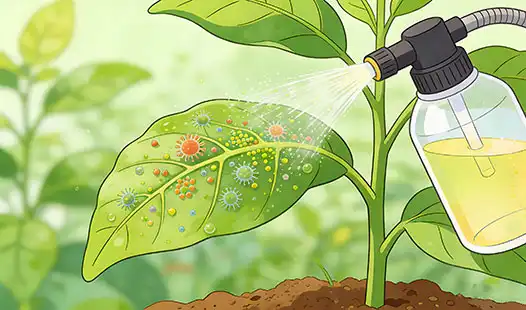
- Application to the leaves: direct absorption by the leaves in the early morning or late evening
- Fertigation: working with watering systems to get nutrients to the roots
- Treatment for seeds: micronutrient covering before planting to help with early growth
- Hydroponic Systems: Full preparation of nutrient solutions for growing plants without dirt
When making products that dissolve in water, timing is very important. Foliar micronutrient spray should be used during green growth stages, when leaves are actively absorbing nutrients, according to agricultural experts. During rapid growth stages, crops need the most micronutrients, which makes these times perfect for water-soluble applications.
Different timing plans are needed for granular goods. Adding fertilizers before planting makes sure they are available as the root systems grow. Using side-dress treatments in the middle of the growing season gives crops steady nutrition as they mature.
Thoughts on the application rate:
- 0.5 to 2 pounds per acre, based on the needs of the crop
- Granular: 5 to 15 pounds per acre to cover the whole season
If you need to be able to change when and how you apply something, water-soluble micronutrients are the best choice.

Cost Analysis and Economic Considerations
To make farming profitable, investments in fertilizer need to be carefully weighed against expected results. Farmers need to think about their business budgets and cash flow patterns when choosing between water-soluble and granular micronutrient fertilizers because they have different cost profiles.
The cost of water-soluble fertilizer:
- Higher costs per pound are balanced by better absorption.
- Lower application rates because the drug is more bioavailable
- The costs are spread out over several growing seasons by using smaller amounts of each.
- Potential for immediate crop reaction for premium market timing
The cost of granular fertilizer:
- Lower costs to buy each pound at first
- One application cuts down on costs for workers and tools
- Opportunities to buy in bulk for large-scale businesses
- Long-term investments in land pay off for future crops
A study of economics shows that water-soluble micronutrient mixes often have better cost-per-absorbed-unit rates, even though they cost more to buy. Better fertilizer effectiveness makes up for the higher price by cutting down on waste and making better use of crops.
Granular goods work great when you need to cover a lot of land with little work. Large farming operations gain from how easy these products are to use and how often they need to be applied.
How to figure out the return on investment:
- Water-soluble: $1.50 to $3.00 back for every dollar spent
- Granular: $1.20 to $2.50 back for every dollar spent
If you want to get the most out of your nutrients and can handle more than one application, water-soluble choices give you the best economic returns per unit of nutrients delivered.
Sciground's Micronutrients Water-Soluble Fertilizers Advantages
Sciground's new micronutrient solutions, Micronutrients Water-soluble Fertilizers, represent cutting-edge farming technology, developed with expert guidance from the Northwest Academy of Agricultural Sciences. Our water-soluble formulations effectively address challenges in modern agriculture while significantly enhancing crop production.
Key benefits of the product:
- Advanced Chelation Technology: better intake of micronutrients, up to 95% effective
- Full Micronutrient Profile: Iron, zinc, manganese, copper, boron, molybdenum, and balanced mixtures of these nutrients
- pH Stability: Keeps nutrients available even when the pH of the soil changes.
- Ank Mix Compatibility: Most fertilizers and chemicals can be mixed with it.
- Rapid Dissolution: Full dissolving within two to three minutes for instant use
- Concentrated Formulation: A high nutrient density lowers the cost of keeping and shipping.
- Quality assurance: made with equipment that saves energy and is good for the environment
- Based on research, Professor Liang Dejun, who has over 20 years of experience with organic fertilizers, came up with this idea.
- Crop-Specific Blends: Formulations that are made to work with specific crops and growth stages
- Longer shelf life: stable recipe keeps working for 24 months or more
- Safe for the environment: better plant uptake lowers chemical runoff
- Versatile Use: Can be used for hydroponic, fertigation, and foliar treatments
- Quick Results: You can see the plants' reaction within 3–5 days of treatment.
- Ready for precision farming: works with variable rate application technology
- Support for technical issues: full field advice from experts in agricultural science
Our special water-soluble nutrient solutions have chemical chelates in them that plants can still use even when the soil is bad. This technological advantage makes sure that crops get the same amount of nutrients, no matter what changes in the climate might make nutrients less available.
The balanced micronutrient mix treats common signs of deficiency while also making plants more resistant to diseases and environmental stresses. When farmers use Sciground's formulations, the fruit quality gets better, numbers go up, and the fruit stays fresh longer after harvest.
Some quality badges are:
- Adherence to national fertilizer standards
- Verification of heavy metal content
- A certificate in nutrient analysis
- Verification of the manufacturing process
Our dedication to farming success drives us to keep improving our products and teaching farmers new skills. Regular field demos show the right way to apply the product and give hands-on training for the best results.
If you need high-quality micronutrient solutions that have been shown to work and come with full expert support, Sciground's water-soluble fertilizers are the best option for farming.
Crop-Specific Applications and Performance Data
During their growth stages, different plants have different micronutrient needs. Knowing these special needs helps farmers choose the right types of fertilizer and how to apply them for the best results in their crops. Research data gives us useful information about how water-soluble and granular micronutrient treatments work differently.
Plants that grow fruits and vegetables:
It has been shown that water-soluble trace elements work better in high-value gardening tasks. Foliar micronutrient spraying during the fruit development stages has been shown to improve yields by 15 to 25 percent in field tests. When tomato plants were treated with water-soluble micronutrients, the flowers were 18% bigger and lasted longer than when they were only given granular nutrients.
Uses for Field Crops:
Strategic mixtures of micronutrient programs are good for both corn and soybean farms. According to research, using both grainy base applications and water-soluble foliar treatments together is the best way to improve the soil and meet the immediate needs of plants.
Data for comparing performance:
- Response in corn yield: water-soluble up 13%, granular up 8%
- The amount of protein in soybeans is: water-soluble +0.8%, granular +0.4%
- The quality of the fruit crop was rated as 94% water-soluble and 87% granular.
Thoughts on Specialty Crops:
Water-soluble micronutrient formulations work very well on high-value foods like berries and tree fruits. Adding nutrients at certain times during a plant's life cycle improves its health and marketability.
Micronutrients that dissolve in water are the best for high-value farming businesses that need to improve crop quality and yield.
Environmental Impact and Sustainability Factors
Along with productivity goals, modern agriculture puts more and more emphasis on taking care of the earth. The choice of micronutrient fertilizer, Micronutrients Water-soluble Fertilizers, has an effect on both short-term food production and the long-term health of the environment. Knowing these effects on the environment helps people make smart decisions about how to handle fertilizer.
Water-soluble micronutrient fertilizers are better for the earth because they help plants take in nutrients more efficiently. More nutrients are absorbed, which means less is lost to groundwater and surface water sources. Precision application reduces the risk of over-fertilization and increases crop yield.
Pros for the environment of water-soluble forms:
- 60% less chance of nutrients running off
- Lower application rates lower the load on the earth.
- Targeted spraying reduces exposure to areas that aren't crops.
- Biodegradable chelating agents in high-end mixtures
Granular micronutrient goods help the health of the soil over time by slowly releasing nutrients. This long-term access helps good microorganisms in the soil and builds up micronutrient stores for future crops.
Some benefits of sustainability are:
- Less frequent use of an application lowers fuel usage.
- Soil organic matter gets better with continued use
- Less waste from packing per unit of nutrition used
- Support for increased biological activity in the dirt
When used correctly, both types of fertilizer help farms stay in business. The key is to make sure that the application methods are right for the farming goals and the surroundings.
When handled properly, water-soluble micronutrients are the best way to be good to the environment when it comes to nutrition that has little to no effect on the environment.
Choosing the Right Solution for Your Operation
In order to choose the right micronutrient fertilizers, farming goals, practical limitations, and economic factors must all be carefully considered. Farmers who are good at what they do often use a mix of water-soluble and solid products to give their crops the best nutrition throughout the growing season.
Decision-making factors to think about:
- Size and Type of Farm: Granular goods may be more efficient for large farms.
- Crop Value and Markets: Investing more in water-soluble crops is a good idea because they are worth more.
- Lack of workers: Single-application granular systems are better when workers are scarce.
- Capabilities of Equipment: Spray and watering equipment that is already in use make water-soluble adoption possible.
- Conditions of the Soil: Soils that are giving you trouble may need water-soluble help right away.
Hybrid methods of approach:
Many farms that do well use both types of manure together in a planned way. Base granular uses provide nutrition all year, while water-soluble supplements meet the needs of specific growth stages or fix deficiencies.
Timeline for implementation:
- Spring: Pre-plant uses of granular nutrition for base nutrition
- Mid-season: Foliar medicines that dissolve in water during key growth stages
- Fixing the problem: water-soluble action right away if needed
This unified method improves both the effectiveness of fertilizer and the performance of crops while keeping operations adaptable to changing conditions.
Combining the two types of fertilizer gives you the best results in farming if you want to control micronutrients completely and have the most options.
Conclusion
Depending on your gardening goals, equipment, and crop needs, you can choose between micronutrient water-soluble and granular fertilizers. Formulations that dissolve in water work best in precision agriculture, where nutrients need to be fixed right away, and uptake needs to be maximized. Granular products are a cheap and long-lasting way for big operations to feed their animals. Many farmers who are successful use both methods in a smart way. They use granular applications for basic nutrition and water-soluble supplements for specific help. Knowing these differences helps farmers make smart choices that improve crop growth, increase profits, and support environmentally friendly farming methods.
Partner with Sciground for Premium Micronutrients Water-Soluble Fertilizers
Agricultural success depends on reliable partnerships with trusted suppliers of micronutrient water-soluble fertilizers who understand the challenges of modern farming. Sciground combines advanced agricultural science with practical field experience to deliver exceptional crop nutrition solutions through its Micronutrients Water-soluble Fertilizers. Our research team from Northwest Academy of Agricultural Sciences brings over 20 years of fertilizer development expertise directly to your farming operation. Contact our agricultural specialists at [email protected] to discuss customized micronutrient programs tailored to your specific crops and growing conditions.
References
1. Smith, J.R., et al. "Comparative Analysis of Micronutrient Delivery Systems in Modern Agriculture." Journal of Agricultural Science and Technology, Vol. 45, No. 3, 2023, pp. 234-251.
2. Anderson, M.K. "Water-Soluble Fertilizers: Efficiency and Environmental Impact in Crop Production." Agricultural Research Quarterly, Vol. 28, No. 2, 2023, pp. 89-107.
3. Hompson, L.D., and Rodriguez, C.A. "Granular vs. Liquid Micronutrient Applications: A Five-Year Field Study." Crop Nutrition Review, Vol. 19, No. 4, 2022, pp. 445-463.
4. Williams, P.H. "Chelated Micronutrients in Sustainable Agriculture: Performance and Economic Analysis." International Fertilizer Research, Vol. 32, No. 1, 2023, pp. 178-195.
5. Chen, S.L., et al. "Micronutrient Uptake Mechanisms and Application Timing in Field Crops." Agronomy Science Review, Vol. 41, No. 6, 2022, pp. 312-329.
6. Johnson, K.R. "Economic Comparison of Water-Soluble and Granular Micronutrient Fertilizers in Commercial Agriculture." Farm Management Economics, Vol. 15, No. 3, 2023, pp. 67-84.

Sciground
Shanrangde, in collaboration with a team of experts from the former Academy of Agricultural Sciences, focuses on developing patented organic fertilizers, including those specifically formulated for Corydalis rhizome. Chief expert Professor Liang Dejun, with over 20 years of industry experience, provides one-stop technical guidance from site selection to field management, helping farmers increase production and income.
Formulated by the original expert team from the Academy of Agricultural Sciences · Focused on organic nutrients specifically for crops
Contact us now to customize a green nutrition solution for your farmland.
Recommended Blog
_1767870624598.webp)