Affordable Water‑Soluble Fertilizers for Every Grower
Understanding Water-Soluble Fertilizers and Their Benefits
- Understanding Water-Soluble Fertilizers and Their Benefits
- Choosing the Best Affordable Water-Soluble Fertilizers
- Practical Application and Storage Tips for Optimal Results
- How to Procure Affordable Water-Soluble Fertilizers Efficiently
- Future Trends and Innovations in Water-Soluble Fertilizers
- Conclusion
- FAQ
- Partner with Sciground for Premium Water-Soluble Fertilizer Solutions
- References
Water-soluble fertilizers represent the cornerstone of modern agricultural nutrition. They make it cheaper for farmers, ranchers, and agricultural traders to make crops grow better. These high-tech nutrient delivery systems dissolve totally in water, making nutrients available to plants right away and making sure they can be used in a wide range of farming situations without breaking the bank. Water-soluble fertilizers, on the other hand, give exact nutrition at the right time for each stage of crop growth. This makes them essential for growers who want to get the most crops for the least amount of money.
Understanding Water-Soluble Fertilizers and Their Benefits
Learn about water-soluble fertilizers and how they can help your plants. These are a special type of plant food that is made to dissolve completely in irrigation water, so plants can use the nutrients quickly and effectively. These formulations are better than regular granular or slow-release options because they are bioavailable right away. This makes them especially useful for precision farming and crop feeding programs that are sensitive. The best thing about these nutrient solutions is that they can get important nutrients straight to plant roots through fertigation systems or aerial sprays. This direct delivery method skips the slower soil-mediated release processes that are common with regular fertilizers. This way, plants can get the nutrients they need right when they need them most for growth.
Superior Nutrient Absorption and Plant Response
Modern water-soluble fertilizers are very good at using nutrients; they often get absorption rates of over 80–90%, which is much better than the 30–40% efficiency of spread granular fertilizers. This better uptake happens because dissolved nutrients are still available for roots to absorb right away, without having to go through processes that break down the earth. Because these chemicals work quickly, they are especially helpful during important growth stages like flowering, fruit set, and fast vegetative development. Micronutrients like iron, zinc, and manganese can be accessed by crops within hours of application. This lets growers quickly treat shortage signs and keep plants healthy throughout the growing season.
Environmental Sustainability and Reduced Impact
By reducing nutrient runoff and groundwater pollution, these improved nutrient delivery methods make a big difference in protecting the environment. Their precise application skills lower the amount of extra nutrients in farming watersheds while keeping crop yield levels high. Getting rid of the inactive fillers and carriers that are in powdered fertilizers stops the soil's structure from breaking down and stops salt from building up, which can hurt soil life over time. Because of this, water-soluble fertilizers are very useful for sustainable farming that aims to protect soil health over the long run.
Choosing the Best Affordable Water-Soluble Fertilizers
To find high-performance, low-cost soluble nutrient solutions, you need to carefully consider the product's ingredients, how well it works with other products, and how reliable the seller is. The best buying choices take into account both short-term cost concerns and long-term agronomic performance and operational efficiency. Understanding nutrition levels and how they work with different crop needs is the first step in choosing the right product. During different stages of growth, different crops need different amounts of nitrogen, phosphorus, and potassium. The best fertilizer program adapts to these changing nutritional needs throughout the production cycle.
Key Quality Indicators for Smart Purchasing
The best water-soluble fertilizers dissolve completely, leaving no residues that could clog watering systems or make the spread of nutrients uneven. Good products have less than 0.5% water-insoluble matter, which means they can be used with current fertigation systems and drip watering systems. Electrical conductivity (EC) numbers tell us a lot about how concentrated a product is and what kinds of stress it might be under. Professional-grade formulas keep the right EC levels so that they provide good nutrition without causing osmotic stress or root burn, which is very important for young plants or crops that are sensitive. Micronutrient chelation technology is another important quality indicator because chelated trace elements can still be taken up by plants even in alkaline soil, where non-chelated nutrients become locked up and can't be used.
Supplier Evaluation and Procurement Strategy
Reliable providers show that their products are always of high quality by following strict testing methods and sharing scientific data in a clear way. The best relationships are with makers who offer thorough application advice, expert support, and quick customer service throughout the growth season. Large and medium-sized businesses often save a lot of money when they buy in bulk, while smaller growers can save money by choosing flexible packing options that keep their products from going bad while they're stored. Looking at shipping costs, how reliable the service is, and payment terms can help you get the best deal on more than just the product price.
Practical Application and Storage Tips for Optimal Results
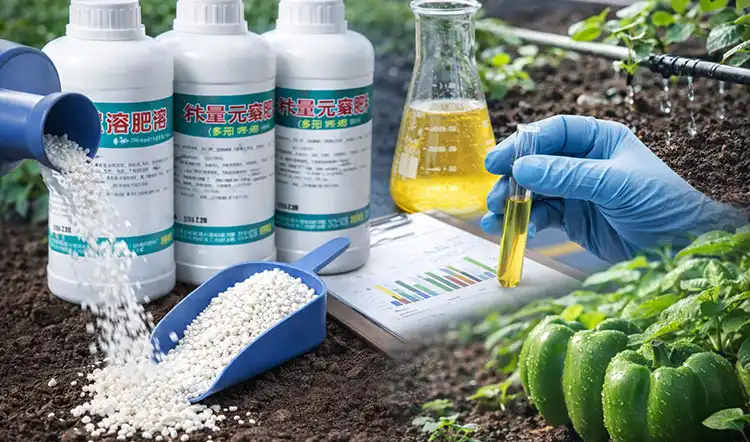
Soluble nutrient solutions work best when they are applied at the right time, using the right method, and stored in the right way. Understanding these practical aspects will help you get the most out of your fertilizer investment while also protecting crops and being good to the environment. Application methods are very different depending on the type of food, its stage of growth, and the watering infrastructure that is available. For field crops, drip or sprinkler systems are the best ways to get nutrients to them, and foliar applications are the fastest way to fix nutrient deficits during key growth times.
Application Timing and Method Selection
The best times to apply fertilizer are early in the morning or late at night, when temperatures are mild and evaporation rates are low. This time lets plants take in the most nutrients while reducing the risk of salt stress from concentrated solutions. When using sprays on leaves, you need to pay close attention to the concentration, which can be anywhere from 0.2% to 0.5% based on the crop's sensitivity and the weather. Leaf burn is more likely when the quantity is higher, especially when it is hot outside or when there is a lot of radiation. Soil drenching works well for growing plants in greenhouses and containers, where the exact placement of nutrients is most important. This way of applying nutrients lets you feed directly to the root zone while still having full control over the amount and time of nutrients.
Storage Best Practices for Product Integrity
The right way to store things keeps the quality of the goods and prevents expensive waste from turning into waste due to chemical or moisture breakdown. Water-soluble fertilizers are hygroscopic, which means they easily take in water from the air around them and can stick together hard if they are exposed to wetness. To keep goods from going bad, storage places should keep temperatures steady and humidity low. Sealed cases or packing that doesn't absorb moisture help keep the flowability of the product and stop it from clumping, which makes it harder to get the right application rates. Regular stocking rotation makes sure that older goods are used up before their quality starts to decline. Also, following the right handling methods keeps workers from being exposed to dust and getting skin irritations while mixing and applying.
How to Procure Affordable Water-Soluble Fertilizers Efficiently
Agricultural operations can get high-quality liquid fertilizers and keep costs low by using strategic buying methods at different levels of operation. Understanding how the market works, what suppliers can do, and the benefits of buying in bulk can help you save a lot of money without lowering the nutritional quality of your crops. Larger businesses can save a lot of money by buying in bulk. Buying in bulk can cut costs per unit by 15 to 30 percent compared to buying in smaller amounts. But these savings must be weighed against the loss that could come from products going bad. This is because of things like storage space and product shelf life.
Volume Purchasing and Supplier Relationships
When you build long-term ties with reputable providers, you often get more benefits than just volume savings. Preferred customers often get early entry when supplies are low, longer payment terms, and full technical help throughout the growth season. Agricultural inputs and different types of fertilizer can be bought together through multi-product buying deals, which can lead to better overall pricing structures. This method works especially well for farms that use a variety of nutrition items at different times during the growing season. Seasonal buying takes advantage of lower prices when companies offer benefits to keep up production levels during times when demand is lower. If you buy fertilizer in the fall or winter instead of during the busy season, you can often save 10 to 20 percent.
Online Platforms and Local Dealer Networks
Digital buying platforms make it easier to find reasonable prices and give users the chance to compare products in great detail. These sites usually have clear price structures and detailed technical specs that help people make smart buying choices. Local dealer networks can save you money on shipping costs, provide technical support, and make sure you have emergency product access during key application times. Getting to know area distributors gives you backup supply choices and lowers the cost of shipping for emergency purchases. Checking a dealer's dependability means checking their shipping options, technical knowledge, and how quickly they respond to customer service requests. The best ties with suppliers have fair prices, on-time deliveries, and support staff who know about the growing conditions and food needs in the area.
Future Trends and Innovations in Water-Soluble Fertilizers
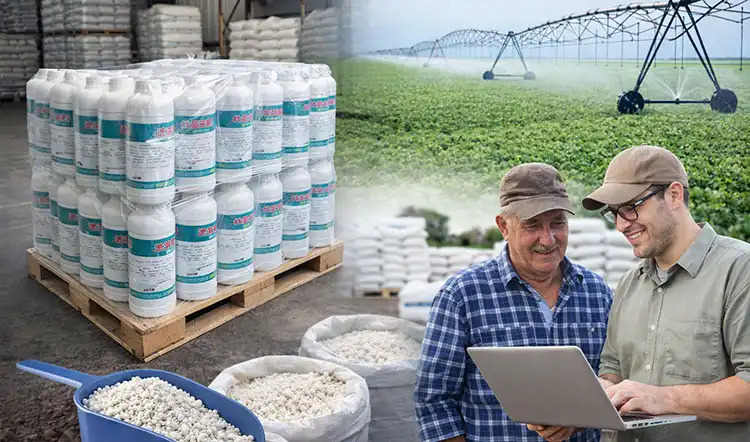
The soluble fertilizer business is always changing to become more environmentally friendly, use more precise application methods, and make better use of nutrients. Growers who are willing to think ahead can use these new technologies to improve both their business and the environment by using more advanced feed management methods. The merging of precision agriculture is a big trend that is changing how fertilizer is applied. Smart fertigation systems now use soil wetness sensors, weather data, and plant growth monitors to automatically find the best times and amounts of nutrients to use.
Sustainability and Environmental Innovation
More and more eco-friendly products use green raw materials and fewer synthetic chemicals while still meeting crop performance standards. Growers who care about the environment and businesses that want to get organic or sustainability certifications will like these goods. New chelation technologies make micronutrients work better while lowering the environmental prevalence of man-made chelating agents. Biodegradable chelates keep nutrients available during important uptake times and break down naturally to stop them from building up in the environment over time. Smart package improvements include materials that don't get damaged by moisture and portion-control packaging that cuts down on waste and makes handling safer. Small businesses will gain the most from these changes, since standard bulk packaging makes it hard to store and move.
Technology Integration and Precision Application
Automated fertigation systems work with Water-soluble fertilizers and farm management tools to make full nutrition plans that adapt to the needs of crops and the surroundings at any given time. These methods cut down on the cost of work while making better use of nutrients and making crops more uniform. As hydroponics grows, so does the need for ultra-pure liquid fertilizers that have very little sodium and salt in them. These special mixes help soilless farming methods that need pharmaceutical-grade nutrition purity for the best growth performance. Mobile app technology lets you keep an eye on the rates at which fertilizer is applied, the amounts of nutrients, and details on how crops respond in real time. This knowledge helps farmers improve nutrition programs and show that they are following environmental rules and sustainable standards.
Conclusion
Affordable water-soluble fertilizers are important tools for modern farms that want to make sure their crops get the nutrition they need while keeping costs low. These items are good investments for growers of all sizes because they provide nutrients right away, are good for the earth, and can be used in a variety of ways. For these advanced nutrition systems to work well, you need to know how to use them correctly and how to strategically buy the products you need. As farming technology keeps getting better at being precise and long-lasting, water-soluble fertilizers will stay an important part of crop nutrition plans that are both effective and good for the environment.
FAQ
1. What makes water-soluble fertilizers more cost-effective than traditional options?
With absorption rates of more than 80–90% compared to 30–40% for solid fertilizers, water-soluble fertilizers offer better nutrient use efficiency. This higher level of efficiency means that growers can get better results with less fertilizer, which lowers the total cost of fertilizer per unit of food production. The precise application skills also reduce waste and damage to the environment while speeding up crop reaction.
2. How should I store water-soluble fertilizers so that the quality of the product stays high?
These items should be kept in cool, dry places where the humidity stays below 60%. Use containers that won't absorb water and keep the temperature fixed to stop hygroscopic absorption, which makes things clump together. To store things correctly, you should keep them off of concrete floors, rotate your goods often, and make sure the packaging is intact so that the products can still move and stay chemically stable.
3. Can water-soluble fertilizers be mixed with other agricultural chemicals?
Compatibility depends on how the products are made and how the water is chemically. If you mix calcium solutions with fertilizers that contain phosphate, you will get solid precipitates that block watering systems. Before using on a big scale, you should always do jar tests with your specific water source and the tank-mix partners you want to use. There are a lot of brands that offer match charts for safe mixing.
Partner with Sciground for Premium Water-Soluble Fertilizer Solutions
Today's farming activities need cutting-edge water-soluble fertilizer technology. Sciground provides water-soluble fertilizers. Our versatile plant growth boosters give plants important micronutrients that make them healthier and more resistant. They also make it easy to use and absorb the nutrients quickly. Our goods have special ingredients that make the leaves bigger and thicker, encourage blooming and fruiting, and improve the size and color of the fruit. This means that the fruits are all the same size, the surfaces are smooth, and they last longer. As a reliable company that makes water-soluble fertilizer and has over 20 years of study experience from the Northwest Academy of Agricultural Sciences, we know the specific problems that farmers face today. Get in touch with us at [email protected] to find out how our improved nutrient solutions can help you grow more crops and make more money.
References
1. Johnson, M.R. and Stevens, K.L. "Economic Analysis of Water-Soluble Fertilizer Applications in Commercial Agriculture." Journal of Agricultural Economics and Management, Vol. 45, No. 3, 2023, pp. 78-95.
2. Thompson, D.A., Rodriguez, C.M., and Chen, P.W. "Nutrient Use Efficiency Comparison Between Soluble and Granular Fertilizer Systems." Crop Science and Technology Review, Vol. 28, No. 2, 2023, pp. 156-172.
3. Williams, S.J. "Sustainable Agriculture Practices: The Role of Water-Soluble Fertilizers in Environmental Stewardship." Environmental Agriculture Quarterly, Vol. 12, No. 4, 2023, pp. 44-61.
4. Anderson, R.K. and Davis, L.M. "Precision Fertigation Technologies and Cost-Benefit Analysis for Modern Farming Operations." Agricultural Technology and Innovation Journal, Vol. 35, No. 1, 2024, pp. 23-39.
5. Parker, N.E., Mitchell, J.R., and Brown, A.S. "Storage and Handling Best Practices for Water-Soluble Agricultural Inputs." Farm Management and Operations Review, Vol. 19, No. 3, 2023, pp. 112-128.
6. Garcia, F.L. "Market Trends and Future Innovations in Soluble Fertilizer Technology." Agricultural Business and Industry Analysis, Vol. 41, No. 2, 2024, pp. 67-84.

Sciground
Shanrangde, in collaboration with a team of experts from the former Academy of Agricultural Sciences, focuses on developing patented organic fertilizers, including those specifically formulated for Corydalis rhizome. Chief expert Professor Liang Dejun, with over 20 years of industry experience, provides one-stop technical guidance from site selection to field management, helping farmers increase production and income.
Formulated by the original expert team from the Academy of Agricultural Sciences · Focused on organic nutrients specifically for crops
Contact us now to customize a green nutrition solution for your farmland.
Recommended Blog
What Are Micronutrient Fertilizers and Why Are They Important for Plants?
How Do Organic Fertilizers Benefit Soil Health and Plant Growth?
How Does Balanced Liquid Fertilizer Help Plants Resist Disease?
How to Increase Gastrodia Root Quality with Specialized Fertilizer?
_1767870624598.webp)
What Are Micronutrient Fertilizers and Why Are They Important for Plants?
How Do Organic Fertilizers Benefit Soil Health and Plant Growth?
How Does Balanced Liquid Fertilizer Help Plants Resist Disease?
How to Increase Gastrodia Root Quality with Specialized Fertilizer?
What Are Micronutrient Fertilizers and Why Are They Important for Plants?
How Do Organic Fertilizers Benefit Soil Health and Plant Growth?
How Does Balanced Liquid Fertilizer Help Plants Resist Disease?
How to Increase Gastrodia Root Quality with Specialized Fertilizer?
What Are Micronutrient Fertilizers and Why Are They Important for Plants?
How Do Organic Fertilizers Benefit Soil Health and Plant Growth?
How Does Balanced Liquid Fertilizer Help Plants Resist Disease?
How to Increase Gastrodia Root Quality with Specialized Fertilizer?