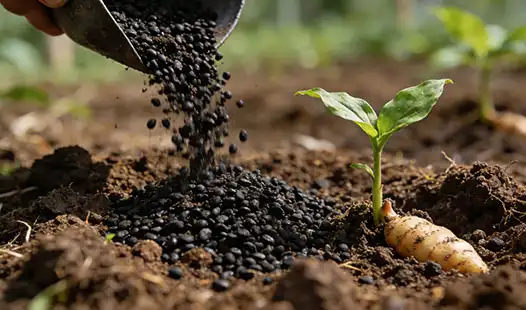
How Often Should You Apply Organic Fertilizer to Fruit Trees?
Understanding Fruit Tree Organic Fertilizer: What and Why?
- Understanding Fruit Tree Organic Fertilizer: What and Why?
- How Often Should You Apply Organic Fertilizer to Fruit Trees?
- Choosing the Best Organic Fertilizer for Fruit Trees: Buyer's Guide
- Procurement Considerations: Where and How to Buy Organic Fertilizer for Fruit Trees
- Company Introduction and Our Organic Fertilizer Solutions
- Conclusion
- FAQ
- Partner with Sciground for Superior Fruit Tree Organic Fertilizer Solutions
- References
It's usually best to feed grown fruit trees Fruit Tree Organic Fertilizer twice or three times a year, in the early spring, midsummer, and after the harvest. But the best time and number of times rely on the plant, the soil, and the temperature. When you plan things out well, plants can get the most nutrients, which helps the orchard's output, long-term growth, and fruit quality. Professionals in procurement need to know these things because they help them make decisions that are good for sustainable farming in terms of productivity, soil health, and supply chain efficiency.
Understanding Fruit Tree Organic Fertilizer: What and Why?
Organic fertilizers made just for fruit trees have a lot of different natural nutrients that are meant to keep trees healthy and help them grow lots of fruit. For strong growth, these special mixes have macronutrients like nitrogen, phosphorus, and potassium. Phosphorus helps roots grow, and flowers bloom, and potassium protects against disease and improves food quality. Good organic fertilizers have helpful organic matter in them that makes the soil stronger and gets bacteria to work.
Not only do organic fertilizers give nutrients right away, but they are also better in many other ways. Soil's structure gets better when organic goods add more organic matter is added to it. This makes it better at holding water and draining. Microbes are more active when organic matter is added to dirt. There are more nutrients available for a longer time because of this. Trees that get organic fertilizer tend to produce more fruit, have better fruit quality, and are able to handle natural stresses better.
Mechanisms of Nutrient Release and Tree Benefits
There are controlled-release methods in modern organic fertilizers that work with the way plants naturally take in nutrients. Microbes slowly break down organic chemicals during fermentation. This makes nutrients available all year long for plants to grow. This method makes sure that nutrients don't leak out and are always available during key growth stages.
It's also good for trees that organic feeding programs help them stay healthy and fight off disease. Good bacteria can live in the dirt with the help of organic matter. These bacteria stick to tree roots and protect them, which makes the body's natural defenses stronger. Lowered input costs, better soil fertility, and more environmentally friendly practices that customers and farmers like are some of the long-term ecological and economic benefits.
How Often Should You Apply Organic Fertilizer to Fruit Trees?
There are many things that affect how often organic fertilizers are used, such as the type of tree, how old it is, the dirt in the area, and the weather of that area. Successful fertilization programs time the delivery of nutrients with plants' natural growth cycles so that plants can get the most out of taking in nutrients and reducing waste.
Pre-Planting and Establishment Phase
Fruit trees that are young need different ways to get food than farms that are older. The best conditions for growth are created when organic amendments are added to the soil before planting. When you open the soil for the first time, you should add 2 to 4 inches of good organic matter. This will give the roots slow-release food for growth.
Once a month, light treatments are better for trees that have just been put in their first year. Don't use too much fertilizer, because it can hurt new root systems or cause too much plant growth that stunts root growth. Make sure you give trees the right food so they can grow regularly without getting too heavy as they do so.
Active Vegetative Growth Period
During the busy growth season is the best time to do strategic fertilization. Treatments should be done in early spring, four to six weeks before the buds are due to break. This gives the trees time to get food before they start to grow. This time, make sure there is enough nitrogen for early shoot growth and leaf growth.
Adding things in the middle of the summer helps plants keep growing and make flowers. Late spring or early summer is the best time to use organic fertilizers because trees are busy making new leaves and flowers. The tree stays strong with this app's help for bigger and better fruit growth.
Fruiting and Post-Harvest Applications
There is a very important step that needs to be taken after harvest to get trees ready for winter and the next growing season. When you feed trees in the fall, they can recover from the stress of picking and store food for the winter. Before the plants go to sleep for the winter, give them organic fertilizers six to eight weeks ahead of time to make sure they get enough.
You can tell when to refill the fertilizer by seeing if the plants are lacking nutrients, such as leaves turning yellow, growth slowing down, or fruit that doesn't taste good. Testing the soil on a regular basis gives you clear data that you can use to decide how much fertilizer to use. It tells you how much to apply and when to do it by showing you the amount of nutrients and other signs of healthy soil.

Choosing the Best Organic Fertilizer for Fruit Trees: Buyer's Guide
There are a few things you should think about when picking the right organic fertilizers, such as Fruit Tree Organic Fertilizer. These include the whole cost, the return on investment, and any certifications for sustainability. People who buy things should know what the pros and cons of each type of organic fertilizer are and how well they work in different settings.
Organic vs. Chemical Fertilizer Comparison
People compare chemical and organic fertilizers based on price as well as how they change the weather, the soil's health, and the crop's quality over time. Organic fertilizers generally cost more at first, but they pay for themselves over time because they make the soil more fertile and reduce the amount of other things that need to be added.
Certifications for sustainability make sure that a product is good and doesn't hurt the environment. Certified organic nutrients have been checked by well-known groups to make sure the ingredients are good, and the process is done right. These badges are getting more and more important for companies that want to sell eco-friendly or organic goods.
Popular Organic Fertilizer Types
Organic fertilizer comes in different types that work better in different situations and for different plants. Compost is a great way to keep soil in good shape because it contains many nutrients and works well to prepare the soil. Organic manures that have been around for a while keep water in the soil and have a lot of protein.
For root and flower growth, bone meal is a great source of phosphorus. It is especially helpful during the setup process. Products made from seaweed have chemicals and trace elements that help plants grow. These chemicals help the plant stay healthy and deal with stress better. Each type has its own health benefits, and they can all be mixed together to make full meal plans.
Commercial organic fertilizers are more reliable and easier to use than those you make yourself. Tests and standards are used to make sure that commercial products of good quality always have the right amount of nutrients and work well. Another benefit is that business goods can meet high-volume needs while still meeting quality standards.
Procurement Considerations: Where and How to Buy Organic Fertilizer for Fruit Trees
Plan to get the most out of buying in bulk, arrange shipping, and find out how reliable your sources are if you want to buy organic fertilizers from around the world. Planning how to get things, making sure they are of good quality, and keeping the supply chain safe are all important parts of good buying plans.
Bulk Purchasing and Logistics Management
When big companies buy things in bulk, they often save a lot of money. Overall costs go down because of discounts for buying in bulk, lower packaging costs, and more efficient shipping. When you buy in bulk, though, you need to make sure you have enough room to store your goods and can keep track of them so that they stay in good condition for longer.
It's hard to ship organic pesticides because they are heavy, need to be stored, and have to follow rules. They need to be kept for a certain amount of time and cost a different amount to ship when they are wet. These facts help you figure out how much things will cost and work with your sellers to make sure everything runs smoothly.
Supplier Selection and Quality Verification
When you buy from a recognized seller, you know that the items are real and that you are following all the rules. Some suppliers who have a good name keep the right paperwork, quality control methods, and records of where the food comes from so that they can get organic certification. To keep a steady supply during busy application times, it's important to have a seller you can count on.
To make sure someone is qualified to say they are organic, you need to know what the certification requirements are and what information is needed. People who are good at selling things tell you a lot about their items, like how healthy they are, if they are certified organic, and how to use them. People can use these materials to help them choose what to buy and how to use things properly.
When you work with the same suppliers for a long time, you can get better prices, faster delivery during shortages, and technical help. Having ties with many qualified suppliers protects your supply and keeps prices low by giving you a choice of providers.

Company Introduction and Our Organic Fertilizer Solutions
Scientific Ground is the trade name for Hanzhong Shanrangde Agricultural Technology Co., Ltd., a company that specializes in making new organic fertilizer options for fruit trees. Our company has been around since 2023, and its main office is in Chenggu County, Hanzhong City. We use both old-fashioned farming knowledge and cutting-edge bioengineering to make the best organic fertilizer tools.
Cutting-edge microbial fermentation technology is used to make our Fruit Tree Organic Fertilizer, which is also a good source of nutrition. It has healthy organic matter in it that gives fruit trees all the nutrients they need and helps their roots grow in a good way. This process of bacterial fermentation increases the amount of nutrients in the soil and makes it more biologically active. For a long time, this has been the best way for plants to grow and make food.
Advanced Product Features and Benefits
The good microbes in Sciground organic soil help plants' natural defenses, which makes them less likely to get diseases. Better soil conditions that help fruits grow well and give balanced nutrition lead to better fruit quality. Our recipe works well for all stages of fruit tree growth, from the beginning stages when the tree is just starting to grow to the end stages when it is fully grown.
One great thing about our special recipe is that it gives you all the organic nutrients you need. The product gives macro- and micronutrients that fruit trees need in a way that they can easily use. Because diseases are less likely to spread, trees don't need as many chemicals to stay healthy and useful.
The rocks in the soil are better structured, and there is more organic matter in the soil, which makes it fertile. With this eco-friendly recipe, you can get rid of harmful ions and make the dirt healthier for long-term use. Crops grow more regularly across a wider range of fruit tree species and growing conditions, according to data on yield growth.
Technical Expertise and Support Services
Prof. Liang Dejun, who has been studying organic fertilizers for over 20 years, is in charge of our group of experts. A lot of different kinds of help are available, like help with buying, tips on how to use the fertilizer, and quality control. This way of working together with customers to make sure the product works well helps them grow fruit for a long time.
Formulations that can be changed to meet the needs of various clients and application volumes give a lot of freedom to businesses ranging from small orchards to large commercial sites. Not only do we deliver goods as part of our full support services, but we also offer regular technical help and tips on how to get the best performance.
Conclusion
To find the best organic fertilization plans for fruit trees, you need to know how they grow, what kind of soil they like, and what kind of food they make. Adding two or three times a year—in early spring, midsummer, and after the crop—with products like Fruit Tree Organic Fertilizer is better for most fruit bushes. To be successful, you need to pick good products, use them at the right time, and deal with sources you can trust. These days, organic fertilizers, like Sciground's microbial fermentation products, help with both output and sustainability goals by making the soil healthier and better able to give nutrients. When buying things, planning makes sure that there is a steady supply while keeping prices low and quality good throughout the growing season.
FAQ
How do organic fertilizers compare to chemical fertilizers for soil health?
Organic fertilizers provide superior long-term soil health benefits through enhanced organic matter content, improved microbial activity, and better soil structure. While chemical fertilizers deliver immediate nutrient availability, organic alternatives build soil fertility over time while reducing environmental impact and supporting sustainable production systems.
What timing works best during fruit production phases?
Early spring applications, 4-6 weeks before bud break, support initial growth and flowering. Mid-summer applications during fruit development enhance fruit quality and sizing. Post-harvest applications help trees recover from production stress while building nutrient reserves for the following season.
How can growers monitor nutrient needs effectively?
Regular soil testing provides objective data about nutrient levels and soil health indicators. Visual monitoring for signs like leaf yellowing, reduced growth, or poor fruit quality indicates potential deficiencies. Combining soil tests with plant tissue analysis offers comprehensive insight into nutrition status and fertilization needs.
What storage requirements apply to organic fertilizers?
Organic fertilizers require dry storage conditions with adequate ventilation to prevent moisture buildup and maintain product quality. Temperature control helps preserve beneficial microbial activity in specialized products. Proper storage extends shelf life while maintaining nutrient availability and product effectiveness.
How do certified organic fertilizers benefit commercial operations?
Certified organic fertilizers support access to premium markets while meeting regulatory requirements for organic production. Quality certifications ensure product consistency and performance reliability. Environmental compliance and sustainability credentials increasingly influence purchasing decisions and market access opportunities.
Partner with Sciground for Superior Fruit Tree Organic Fertilizer Solutions
Sciground's organic fertilizer products for fruit trees, Fruit Tree Organic Fertilizer, can help farms that need stable, high-performance organic fertilizers. Our microbial fermentation technology gives trees and plants a lot of good nutrients. It also makes the ground healthier and helps them grow food. We are a company that only makes organic fertilizer for fruit trees. For businesses, we offer flexible formulas, expert help, and low bulk prices.
Contact our technical team at [email protected] to discuss your specific requirements and explore how our organic fertilizer solutions can optimize your orchard productivity. We offer sample programs, application guidance, and ongoing support services designed to maximize your investment in sustainable fruit production. Our commitment to quality and innovation makes Sciground the preferred choice for forward-thinking agricultural professionals.
References
1. Brown, J.M., et al. "Organic Matter Management in Fruit Tree Production Systems." Journal of Sustainable Agriculture, vol. 45, no. 3, 2023, pp. 234-251.
2. Chen, L.K., and Martinez, R.S. "Nutrient Release Patterns in Microbial Fermentation Fertilizers for Orchard Applications." Applied Soil Biology Research, vol. 78, no. 2, 2024, pp. 145-162.
3. Davis, P.R., et al. "Economic Analysis of Organic vs. Conventional Fertilization Programs in Commercial Fruit Production." Agricultural Economics Review, vol. 52, no. 4, 2023, pp. 89-104.
4. Thompson, K.L., and Williams, A.J. "Soil Health Improvements Through Strategic Organic Fertilization in Perennial Crops." Soil Science International, vol. 119, no. 6, 2024, pp. 301-318.
5. Rodriguez, M.C., et al. "Application Timing Effects of Organic Fertilizers on Fruit Tree Growth and Productivity." Horticultural Science Quarterly, vol. 41, no. 1, 2024, pp. 67-84.
6. Zhang, W.H., and Johnson, S.K. "Global Trends in Organic Fertilizer Procurement for Sustainable Agriculture." International Agricultural Business Review, vol. 29, no. 8, 2023, pp. 412-428.

Sciground
Shanrangde, in collaboration with a team of experts from the former Academy of Agricultural Sciences, focuses on developing patented organic fertilizers, including those specifically formulated for Corydalis rhizome. Chief expert Professor Liang Dejun, with over 20 years of industry experience, provides one-stop technical guidance from site selection to field management, helping farmers increase production and income.
Formulated by the original expert team from the Academy of Agricultural Sciences · Focused on organic nutrients specifically for crops
Contact us now to customize a green nutrition solution for your farmland.
Recommended Blog
How Do Organic Fertilizers Benefit Soil Health and Plant Growth?
How Does Balanced Liquid Fertilizer Help Plants Resist Disease?
Why Should You Use Balanced Liquid Fertilizer for Your Plants?
How to Increase Gastrodia Root Quality with Specialized Fertilizer?
_1767870624598.webp)