What Makes Organic Fertilizer a Smart Investment for Growers?
Understanding Organic Fertilizer and Its Key Benefits
- Understanding Organic Fertilizer and Its Key Benefits
- Types and Forms of Organic Fertilizer — Making the Right Choice
- Economic and Procurement Considerations for B2B Growers
- How to Maximize the Performance of Organic Fertilizers in Commercial Operations?
- Future Trends and Sustainable Advantages of Organic Fertilizer Investments
- Conclusion
- FAQ
- Partner with Sciground for Premium Organic Fertilizer Solutions
- References
For modern farmers looking to increase revenue while improving soil health, organic fertilizer represents a game-changing investment. Organic solutions work with the soil's natural biology to make long-lasting fertility changes. Synthetic options only give short-term nutrient boosts. There is a lot of organic matter, soluble natural humic acid, active trace minerals, and beneficial microorganisms in these items that make plant nutrients better. Organic fertilizer has measured economic returns through higher yields and lower input costs over time. It does this by taking care of soil compaction, improving water retention, and stopping disease.
Understanding Organic Fertilizer and Its Key Benefits
There are many more differences between good organic items and chemical-based alternatives than just the amount of nutrients they contain. The main benefit comes from how these materials work with soil environments to make them stronger and more productive.
Composition and Nutrient Delivery Mechanisms
Composted animal manure, plant waste, biosolids, and mineral deposits are just a few examples of the carefully treated natural materials used to make modern organic fertilizers. These raw materials become stable products that are full of good things for you through controlled fermentation and high-temperature cleaning. The organic matter gives soil bacteria a carbon base that they can live on, and humic substances that come from plants make nutrients easier to get. Synthetic fertilizers only use about 30 to 50 percent of the nitrogen they add, but microbially mediated organic nutrients get uptake rates close to 90 percent because they release slowly in forms that plants can easily absorb.
Soil Health Restoration and Structure Improvement
One of the most significant problems in farmland is that the dirt is getting worse. Repeated use of chemical fertilizer can make soil more acidic, compact it, and reduce organic matter. Adding organic matter fixes this damage, raising the cation exchange capacity and restoring the pH-balancing capacity. The organic bits hold the mineral parts together, making stable soil clumps that make it easier for water to get in and for roots to grow. We've seen that growers who switch to organic methods notice a difference in the structure of the soil within two to three seasons. This means that they need to use less fuel and do less tilling.
Enhanced Stress Tolerance Across Environmental Conditions
Crops have to be able to handle drought, high temperatures, and disease pressure because the climate is constantly changing. Through a variety of processes, organic fertilizer handles these problems. The development of soil particles raises its ability to hold water by 15–25%, which stops water loss during dry times. When it's cold outside, better soil structure keeps the temperature and wetness fixed, which helps roots work when synthetic nutrients aren't available. Pathogenic organisms are fought off by the various microbial populations that are supported by organic matter. This stops soil-borne diseases that can destroy conventionally managed fields.
Types and Forms of Organic Fertilizer — Making the Right Choice
To choose the right organic goods, you need to know how to use and distinguish between different formulas. Buying choices should be based on the needs of the crop, the logistics of the process, and the cost.
Solid Granular Formulations for Base Applications
Granular organic fertilizers rule the market for spread and incorporation uses. Usually, these items have between 3 and 6 percent nitrogen, 2 to 4 percent phosphorus, and 2 to 3 percent potassium. They also have important vitamins and 40 to 60 percent organic matter. The granular form is easy to work with standard spreading tools, and it releases nutrients slowly over the course of the growth season. The carbon-to-nitrogen ratio of totally composted, mature materials is between 15:1 and 25:1. This makes sure that nitrogen doesn't remain stuck during breakdown. The germination index test shows that quality solid materials don't have any phytotoxic chemicals when they pass at levels above 80%.
Liquid Concentrates for Rapid Response and Fertigation
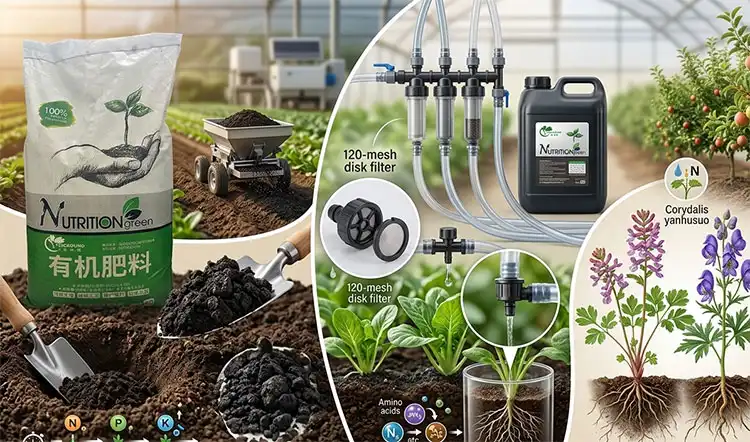
Liquid organic goods are used in specific situations where nutrients need to be available right away. Formulations containing amino acids, fish hydrolysate, and soluble humic parts are broken down by enzymes, providing plants with nutrients that they can use without requiring extensive microbial breakdown. If you handle these materials so that they dissolve completely in water and have particle sizes below 100 mesh, they work really well in drip watering systems. Filtration through 120-mesh disk screens prevents clogging and delivers nutrients straight to the root zones. During times of high demand, when base grain treatments might not provide enough nutrients for high-value crops, liquid organics fill the gap.
Specialized Formulations for Targeted Crop Needs
Nutrient levels and release patterns need to be customized for each crop. Well-balanced formulations, with low amounts of nitrogen and more phosphorus for root growth, are good for growing vegetables. Tree fruit farms need slow-release nitrogen to keep plants from growing too much and to help fruits grow steadily. Specialized organic fertilizers for crops like Corydalis yanhusuo, Aconitum carmichaelii, and different fruit trees are part of the Sciground product line. They were made in collaboration with agricultural research institutions. These specific goods are made to meet the specific nutritional needs and growth trends of high-priced specialty crops.
Economic and Procurement Considerations for B2B Growers
It is important to do a good job of analyzing the finances when looking at organic fertilizer purchases. Even though the cost per unit might seem higher than manufactured options at first, figuring out the total cost of ownership shows that they are much more cost-effective.
Return on Investment Through Soil Health Improvements
Beyond just providing nutrients during one season, organic fertilizer has value. The increases in organic matter and bacteria activity last for several growth cycles, so farmers will need less input in the future. Better soil structure keeps water in the soil longer, so 20–30% less watering is needed. Fungicide treatments are cut down when diseases are better controlled, which lowers the cost of chemicals and work. Within three growing seasons of starting an organic program, farmers usually see yield gains of 8 to 15% for general field crops and 12 to 20% for specialty crops. These increases in efficiency, along with the higher prices paid for organically approved food, make for substantial returns that synthetic programs can't match.
Bulk Purchasing Strategies and Supplier Selection
Significant cost cuts are possible when buying in bulk. By building relationships with dependable organic fertilizer makers, you can discuss prices for pallet or truckload loads. When purchasing managers look at possible sellers, they should check that they have quality approvals like being listed by the OMRI, following USDA organic guidelines, and having pathogen testing results that meet EPA Class A biosolids standards. Inductively coupled plasma spectrometry testing for heavy metals shows that the amounts of arsenic, cadmium, lead, and mercury are below the legal limits. When evaluating a supplier, you should also look at how efficient their logistics are, how reliable their deliveries are, and how much expert support they offer to help you get the best product performance in your growth conditions.
Quality Standards and Verification Protocols
Strict quality control protects growers from inconsistent goods that don't work well. Reliable suppliers use the Kjeldahl method to check total nitrogen levels and spectrophotometry to check phosphorus, making sure the promises on the label match the actual composition. The Solvita maturity test makes sure that the compost has completely broken down and that the respiration rates are steady. This means that the products won't make heat or take oxygen from the earth after they are used. Mature organic fertilizer has an earthy smell from geosmin chemicals instead of ammonia or rotten smells, which means the processing isn't done yet. When well-known companies like Sciground make products, they put them through many tests to make sure they work and are safe before they hit the market.
How to Maximize the Performance of Organic Fertilizers in Commercial Operations?
To get the best results, you need to follow best practices designed for your crops and the conditions of your surroundings. Organic fertilizer is more successful when used at the right time and with other related farming methods.
Application Timing and Dosage Optimization
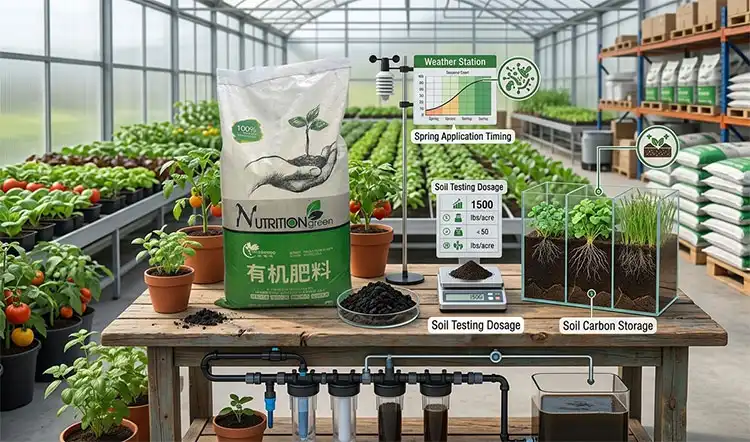
When nutrients are released at the right time, they help plants grow when they need them the most. Applying in the spring before plants come up lets microbe communities get active as the earth warms up. This starts the mineralization process, which changes organic nitrogen into forms that plants can use. Application rates are usually between 500 and 2000 pounds per acre, but they depend on the type of crop, how fertile the land is already, and the desired yield. Soil testing gives you a starting point for figuring out the exact rates at which to apply chemicals. Since organic nutrients are released slowly, they don't cause salt burn like synthetic fertilizers do. This means that heavier doses can be used to build long-term fertility without hurting delicate plants.
Integration with Crop Rotation and Cover Cropping
When used in complete management methods, organic fertilizer works best. Crop rotation stops the cycles of pests and diseases and changes the needs for nutrients across the area. Cover crops add more organic matter to the soil and fix nitrogen from the air, which works with fertilizer. Adding organic matter and having living root systems all year long keeps the soil alive with living things that break down nutrients efficiently. Growers who use integrated systems say that the total amount of organic matter in the soil rises by 0.2% to 0.5% per year. This is a big increase in carbon storage and nutrition that is worth thousands of dollars per acre in higher crop yields.
Addressing Common Challenges and Practical Solutions
Some farmers who are used to precise synthetic fertilizer control are worried about the unpredictability of nutrient release. Rates of release depend on the carbon-to-nitrogen ratio; lower ratios mean faster access. Adding liquid organic parts to base treatments during times of high demand makes sure that high-yield crops get enough nutrition. Managing storage stops quality loss; for example, keeping powdered goods dry below 15% moisture content stops secondary fermentation, caking, and mold growth. When stored properly, products stay useful for two to three years, so you can buy a lot of them without worrying about the quality.
Future Trends and Sustainable Advantages of Organic Fertilizer Investments
The market for farming inputs keeps moving toward sustainability, which gives growers who use organic fertility plans strategic benefits. Knowing about new trends helps businesses set themselves up for long-term success.
Innovation in Formulation and Delivery Technologies
New research is leading to the creation of next-generation organic goods that work better. Bio-fortified mixes contain certain microbial types that speed up the rate of mineralization, which reduces the time it takes for plants to respond to manmade nutrients. Encapsulation technologies keep delicate organic chemicals from breaking down, which makes them more stable on shelves and better at their job in the field. Nutrients that are smaller than 50 microns can be applied directly to leaves to help soil programs work better during important growth stages. These new ideas get around problems that have been around for a long time, but they keep the benefits for soil health that make organic methods better for long-term production.
Regulatory Compliance and Market Access Benefits
Because it can pollute water, environmental laws are making it harder to use manufactured fertilizer near sources of water. Organic goods naturally stop nutrients from leaching because they bind to organic matter. This makes sure that wetland protection rules are followed. More and more pressure is being put on growers who sell to retail shops and foreign markets to show proof of sustainable production. Utilizing organic fertilizer shows environmental care that meets company ESG requirements and customer standards. Because there is a lot of proof behind organic certification, higher prices are charged, which covers any extra costs for inputs. This turns sustainability from a problem to a profit source.
Market Growth Projections and Competitive Positioning
Analysts in the field think that the organic fertilizer market will grow at rates higher than 10% per year until 2030. This is because of government rules and customer desire for environmentally friendly farming. Distributors and sellers who market themselves as experts in organic fertilizer can take advantage of this growth and set themselves apart from rivals who focus on selling goods. The change in the market opens up chances for value-added services like soil testing, application planning, and agricultural advice that build stronger relationships with customers. With specialty formulas backed by research and technical know-how, companies like Sciground are leading this change by offering solutions that improve performance in a way that can be measured by farmers using yield monitors and soil tests.
Conclusion
Organic fertilizer is a basic step toward regenerative agriculture, which uses natural resources to grow rather than diminish them. The economic case includes short-term benefits like higher yields and better stress tolerance, as well as long-term benefits like better soil health and easier access to top markets. Quality products that are high in organic matter, humic substances, trace minerals, and good microbes help growers deal with the main problems they face today, such as soil degradation, changing weather patterns, and pressures to be environmentally friendly. Whether you're in charge of row crops, specialty veggies, or tree fruits, smart organic fertility programs give you a competitive edge and set up your business for future market demands that value environmental responsibility.
FAQ
Does organic fertilizer release nutrients too slowly for high-demand crops?
The rate of release relies on the amount of carbon to nitrogen in the soil and the temperature of the soil. Base granular applications provide food all year, while liquid organic parts with amino acids and fish hydrolysates provide nutrition that plants can use right away. Bio-fortified mixes that speed mineralization work well during times of high demand.
How do manufacturers ensure manure-based products contain no antibiotics or hormones?
Veterinary drug leftovers are broken down by aerobic fermentation at thermophilic temperatures between 55°C and 65°C for more than 15 days. High-performance liquid chromatography tests are used on high-end goods to make sure they are antibiotic-free. This protects the organic certification and customer trust.
Will organic fertilizer clog drip irrigation systems?
Slurries that haven't been handled can cause blocking issues. For fermentation, you need liquid mixtures that have been broken down by enzymes and have particles smaller than 100 grit. By adding 120-mesh disk screens further down the line, system clogs can be avoided, and nutrients can be delivered more efficiently.
What causes unpleasant odors, and how are they controlled?
Bad smells come from imperfect composting, which creates anaerobic conditions that release hydrogen sulfide or ammonia. Geosmin chemicals in high-quality organic fertilizer are processed completely aerobically, giving it an earthy smell. Products that pass the Solvita age index test will work reliably and without smells.
Partner with Sciground for Premium Organic Fertilizer Solutions
Sciground is ready to help you make the switch to healthy fertility control that makes you money. Our team from the Northwest Academy of Agricultural Sciences has been doing research for over 20 years, led by Professor Liang Dejun. They have been making special mixtures that meet the needs of different crops. To produce goods that meet certification standards, improve soil structure, and increase yields, we, as a top organic fertilizer manufacturer, mix traditional farming knowledge with cutting-edge processing technology. Our full support goes beyond just supplying products. It also includes helping you choose the right spot, planning your application, and providing ongoing agricultural advice to make sure you get the best results. Get in touch with our technical experts at [email protected] to talk about buying in bulk and creating custom fertility plans that will increase the output and profits of your business using organic solutions that have been proven to work by science.
References
1. Gaskell, M., & Smith, R. (2021). Nitrogen Sources for Organic Vegetable Production. University of California Agriculture and Natural Resources Publication 8537.
2. Hargreaves, J. C., Adl, M. S., & Warman, P. R. (2019). A Review of the Use of Composted Municipal Solid Waste in Agriculture. Agriculture, Ecosystems and Environment, 123(1-3), 1-14.
3. Lal, R. (2020). Soil Organic Matter Content and Crop Yield. Journal of Soil and Water Conservation, 75(2), 27A-32A.
4. Mader, P., Fliessbach, A., Dubois, D., Gunst, L., Fried, P., & Niggli, U. (2018). Soil Fertility and Biodiversity in Organic Farming. Science, 296(5573), 1694-1697.
5. Rivero, C., Chirenje, T., Ma, L. Q., & Martinez, G. (2022). Influence of Compost on Soil Organic Matter Quality Under Tropical Conditions. Geoderma, 123(3-4), 355-361.
6. Willer, H., & Lernoud, J. (2023). The World of Organic Agriculture: Statistics and Emerging Trends 2023. Research Institute of Organic Agriculture FiBL and IFOAM Organics International.

Sciground
Shanrangde, in collaboration with a team of experts from the former Academy of Agricultural Sciences, focuses on developing patented organic fertilizers, including those specifically formulated for Corydalis rhizome. Chief expert Professor Liang Dejun, with over 20 years of industry experience, provides one-stop technical guidance from site selection to field management, helping farmers increase production and income.
Formulated by the original expert team from the Academy of Agricultural Sciences · Focused on organic nutrients specifically for crops
Contact us now to customize a green nutrition solution for your farmland.
Recommended Blog
Why Natural Fertilizer Is Key to Sustainable Crop Production