How Multi element Foliar Spraying Fertilizer Support Healthy Crops?
Understanding Multi-Element Foliar Spraying Fertiliser
- Understanding Multi-Element Foliar Spraying Fertiliser
- Benefits of Using Multi-Element Foliar Spraying Fertilizer for Crop Health
- Best Practices for Applying Multi-Element Foliar Spraying Fertilizer
- Comparing Multi-Element Foliar Spraying Fertilizers with Other Fertilization Methods
- Procurement Guide for Multi-Element Foliar Spraying Fertilizer
- Conclusion
- FAQ
- Partner with Sciground for Premium Multi-Element Foliar Spraying Fertilizer Solutions
- References
Multi-element foliar spraying fertilizer helps plants stay healthy by providing a balanced mix of macronutrients, secondary nutrients, and micronutrients directly through plant leaves. This ensures fast absorption during important growth stages by bypassing soil uptake problems. This advanced nutritional method quickly fixes deficiencies, raises the plant's stress tolerance, boosts blooming and fruiting, and maximises yield quality, especially when soil conditions make it hard for roots to work or when the plant's body is under a lot of stress.
Understanding Multi-Element Foliar Spraying Fertiliser
What Defines Multi-Element Foliar Nutrition?
Multi-element Foliar Spraying Fertilizers contain many important nutrients that plant leaves can quickly absorb. They can be used instead of or in addition to regular soil fertilizer and work well. These complex mixtures usually have macronutrients like nitrogen, phosphorus, and potassium, as well as secondary nutrients like calcium, magnesium, and sulfur, and important micronutrients like iron, zinc, manganese, copper, boron, and molybdenum. Foliar formulations provide tailored nutrition more quickly and accurately than traditional fertilisers, which depend on root uptake and soil conditions. Often, they reach metabolic sites within 24 to 72 hours.
Advanced Chelation Technology
Chelation technology is a big part of how well foliar chemicals work. Premium versions use EDTA, DTPA, amino acids, or sugar alcohols to bind micronutrients. This keeps them from precipitating in spray tanks and keeps them stable through the surface layers and stomata of the leaves. This chelation process solves a major problem in the industry: it stops yield loss caused by "hidden hunger," which happens when changes in soil nutrients hide deficits that lower the quality and amount of the harvest.
Product Variants and Formats
Chemical and organic recipes are two types. They come in liquid concentrates, water-soluble powders, and ready-to-use sprays, and they are usually made to meet the needs of a particular crop. High-quality goods have a pH level between 5.0 and 6.5 to allow for optimal uptake, a low salt index to remove phytotoxicity risk, and 100% water solubility to keep nozzles from getting clogged in precision farming drones and spray rigs. With this basic knowledge, procurement workers can decide if a product is right for the job based on its makeup and how it works.
Benefits of Using Multi-Element Foliar Spraying Fertilizer for Crop Health
Rapid Correction of Nutrient Deficiencies
When you use multi-element foliar spraying fertilizers, they quickly fix nutrient shortages like chlorosis and necrosis by giving the plant essential vitamins. Foliar application gets nutrients to plants 5 to 20 times faster than roots can take them in when plants' leaves turn yellow from not getting enough iron in alkaline soils or their growth stops because they don't have enough zinc. This speed is very helpful during important growth stages that affect output, such as flowering, fruit setting, and grain filling, when delayed nutrition directly leads to lower crop value.
Enhanced Nutrient Uptake Efficiency
The method improves the efficiency of nutrient uptake, which leads to strong plant growth, better flowering, and higher outputs, especially during critical times of development. According to research from agricultural universities, giving wheat leaves during the flag leaf stage or corn leaves during the tasseling stage can boost protein content by 8–12% and grain weight by 5–9%. These changes come from sending nutrients straight to photosynthetic tissues, where carbohydrates are made and moved around, making metabolism work more efficiently.
Environmental and Economic Advantages
Foliar fertilizers are better for the earth because they keep soil from getting dirty and fertilizer from going to waste. In traditional soil treatments, plants lose 30 to 50 per cent of the nutrients before they can use them. Such losses can happen through leaching, volatilisation, or fixation. Foliar nutrition uses a smaller overall amount of nutrients, but plants absorb them more quickly, so less nitrogen runs off into rivers, and less phosphorus builds up in the topsoil. These benefits are becoming more important as environmental laws get tighter around the world and farmers are under more pressure to show that they are environmentally friendly to customers and consumers.
For B2B buyers, the following perks make value offers more appealing:
- Optimised resource use with precise delivery methods that cut the amount of fertilizer needed by 15 to 25 per cent
- Lower input costs from less application volume and machine wear
- Sustainable farming solutions that are in line with global legal trends toward regenerative agriculture
- Improved crop marketability by raising quality indicators such as sugar levels, protein levels, and shelf life
Foliar nutrition is better for the environment and the economy, so it's more of an investment than a cost. This is especially true for buying managers who want to make their companies more competitive while also meeting their sustainability goals.
Best Practices for Applying Multi-Element Foliar Spraying Fertilizer
Optimal Timing and Growth Stages
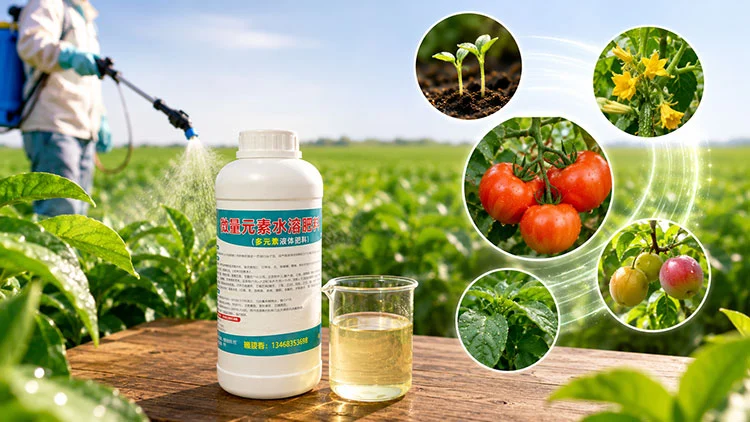
Multi-element foliar spraying fertilizer nutrients work best when applied at the right time and in the right amount of times to get the most out of them. Different time rules are good for different crops. During the pre-bloom and post-harvest healing stages, growers apply high-value orchard management for citrus and pome fruits. During these times, high-zinc and boron varieties help fruits set and stop physiological disorders like corky spot, even when alkaline soils make it hard for roots to absorb nutrients. Foliar feeding is used in broad-acre wheat production at the flag leaf stage or while the grain is filling. This phenomenon is especially true in dryland farming situations where the dirt dries out, and granular fertilizer doesn't work.
Technical Application Parameters
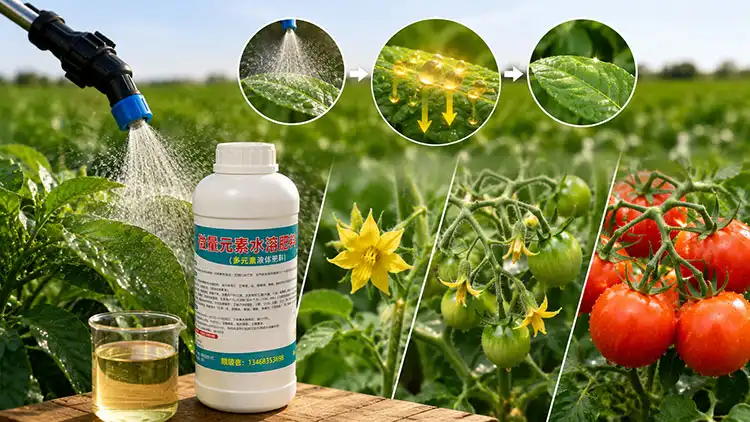
Using the right mixing methods and tools can help keep fertilizer stable and make sure it's spread out evenly. Several technical factors affect how well an application works. For full canopy entry, spray coverage needs the right amount of water—usually 20 to 30 gallons per acre for field crops and 50 to 100 gallons per acre for tree crops. The nozzle you choose is crucial. Compared to flood nozzles, flat fan and hollow cone nozzles cover more leaves better.
The weather greatly affects absorption. Use in the early morning or late afternoon, when the humidity is high and the stomata are still open. Applying in the middle of the day is not a wise idea because the high heat and UV rays will evaporate the droplets before they can be absorbed, which could burn the plants. The best temperatures are between 60°F and 75°F, and the humidity should be above 60%. We recommend waiting 4 to 6 hours before going outside in the rain after applying the product. However, luxury formulas with built-in spreaders, stickers, and lubricants make it much more waterproof.
Integration with Crop Management Programs
When foliar spraying is combined with other crop management methods, it improves the general control of nutrients. Foliar nutrients work with soil fertilizer programs, not instead of them. Base fertilizer applications build up soil stores and help roots take in nutrients all the time, while foliar feeding fixes immediate deficits and helps plants when they are stressed and root function drops. This two-pronged approach works especially well in controlled environment farming where intensive soilless culture faces pathogen pressure or salinity buildup—foliar application works as a bypass, sending essential nutrients directly to metabolic sites without putting extra osmotic stress on root zones.
Comparing Multi-Element Foliar Spraying Fertilizers with Other Fertilization Methods
Foliar vs. Traditional Soil Fertilizers
Although they have different effects on the long-term health of the soil, multi-element Foliar Spraying Fertilizers have unique benefits over conventional soil fertilizers in terms of nutrient delivery speed and uptake efficiency. Over time, soil fertilizers build up nitrogen stores and improve the structure of the soil, which helps it stay productive throughout the growing season. But they need the right amount of water, pH, and bacteria activity in the soil to release nutrients and take them up by the roots. When you feed plants from above, the leaves take care of these needs and give them food right away, no matter what the soil is like. This is especially beneficial when the soil is dry, wet, or has a pH that keeps some nutrients locked up, like phosphorus in acidic soils and iron in alkaline soils.
Foliar Applications vs. Liquid Soil Fertilizers
Unlike liquid soil fertilisers, foliar products usually have multi-nutrient complexes that are specifically made for certain plants or growth stages. Both methods of delivery use liquid forms for exact application, but foliar products need smaller amounts and special binding to work well on leaf surfaces. Liquid soil fertilizers add more nutrients to the soil so that plants can store them for a long time, while foliar sprays add nutrients strategically during key developmental times.
Organic vs. Chemical Foliar Formulations
When deciding between chemical and organic spray fertilizers, you need to think about things like your goals for sustainability, cost, and following the rules. Companies that want to get organic approval or sell high-quality crops to people who care about the environment prefer organic products made from seaweed extracts, fish emulsions, or composted materials. Usually, these goods cost 20–40% more than synthetic options, but they are worth that extra money in certain markets. Chemical formulas are better for large-scale market production where efficiency is key to making money because they offer more accurate nutrient ratios, higher concentration stability, and lower application costs.
This comparison helps business-to-business clients choose fertilization methods that balance success with environmental duty and market needs. This way, buying choices are in line with both business goals and the company's image.
Procurement Guide for Multi-Element Foliar Spraying Fertilizer
Supplier Selection Criteria
When buying in bulk, choosing the right supplier is crucial to make sure that the products are of good quality, that the supply lines are stable, and that the certifications are followed. The image of a brand is essential. Manufacturers that have been around for a long time and have a track record of reliability lower the risk in high-stakes agricultural activities. Certifications like ISO 9001 for quality management, ISO 14001 for environmental systems, following REACH rules for European markets, or the OMRI listing for organic operations are very important for making sure of the quality of a product.
Professionals in procurement should look at a supplier's exporting skills and transportation infrastructure. Reliable shipping schedules, proper storage and handling during transit, and quick technology help ensure smooth activities throughout the growing season. The quality of the documentation, such as safety data sheets, nutrient analysis certificates, and application instructions, shows that the company is skilled and obeys the rules.
Bulk Purchasing Considerations
Considerations for bulk purchasing include different types of packaging that are suited to the size of the business and pricing models that help keep costs low. Large businesses can save time and money by using bulk truck delivery or intermediate bulk containers (275-330 gallon totes). These formats generate less packing waste and require less handling work than drum or bag formats. With volume-based price tiers, costs usually go down by 15–30% for large orders, so negotiating with suppliers is very important for keeping expenses down.
How much a product sells depends on how long it lasts and how it needs to be stored. When you keep premium formulations correctly above 41°F in covered cases out of direct sunlight, they stay stable for 18 to 24 months. To keep wasted inventory to a minimum, operations should weigh bulk discounts against storage space and regular application windows.
Innovation and Sustainability Focus
Paying attention to brands that are good for the environment and are always coming up with new ideas lets buyers use cutting-edge multi-element foliar spraying fertilizer formulas that work with green initiatives and boost farming production. When companies invest in research relationships with farming universities, they often come up with new chelation technologies, nutrient complexes, and adjuvant systems that make a difference in how well the products work. Sciground is a prime example of this method because our team from the Northwest Academy of Agricultural Sciences has been researching organic fertilizer for over 20 years and combines traditional farming knowledge with the latest high-tech preparation skills.
Conclusion
With its fast, precise feeding that gets around soil limits and improves plant health during important growth stages, multi-element foliar spraying fertilizer represents a game-changing advancement in crop nutrition. The technology has real benefits for increasing yields, improving quality, and making better use of resources. These benefits directly lead to higher profits for farms of all sizes. Understanding the right way to apply fertilizer, its benefits over other methods, and strategic buying criteria provides agricultural workers the power to make smart buying choices that match crop success with business goals. As rules and market demands become more focused on sustainability, foliar nutrition options help farmers meet both their output and environmental responsibility goals.
FAQ
Can foliar fertilizers be mixed with fungicides and insecticides?
In general, yes, but you have to do a jar test first before mixing in the tank. Most good multi-element foliar spraying fertilizer nutrients can balance the pH of the soil, which helps keep common agrochemicals stable. But don't mix it with copper fungicides that are very alkaline or pesticides that are sensitive to calcium. This will keep precipitation from forming, which jams spray equipment and makes both products less effective.
How quickly do crops respond to foliar feeding?
For deficiency signs like chlorosis, visible changes usually show up in 3–7 days, and full corrections show up in 10–14 days. Effects on yield and quality build up over the course of the growing season. Measuring at harvest time shows how smart foliar nutrition programs used at different stages of growth add up over time.
Does foliar feeding replace soil fertilization programs?
Foliar nutrition is not meant to replace base soil fertilizer; it is meant to be added to it. Applying nutrients to the soil builds up long-term nutrient stores and helps roots take them in continuously. Foliar feeding, on the other hand, fixes short-term deficits and helps plants when they are stressed. This approach uses the best parts of both delivery systems to get the best results in a variety of growing conditions and stages of plant growth.
Partner with Sciground for Premium Multi-Element Foliar Spraying Fertilizer Solutions
Sciground is ready to change the way you farm with cutting-edge plant-feeding technology that is backed by science and has been shown to work. As a specialist multi-element foliar spraying fertilizer supplier, we combine over 20 years of study knowledge from the Northwest Academy of Agricultural Sciences with modern production tools at our 6,000-square-meter plant in Hanzhong City. Professor Liang Dejun, who is our top expert, is in charge of formulating solutions to real-world farming problems using strict scientific methods and new ideas that have been tested in the field.
We offer more than just product supply. Our team can help you with everything from choosing crops and preparing the land to figuring out when to apply the products and managing the fields. Our special multi-element water-soluble fertilizers have advanced chelation technology, the best pH balancing, and built-in adjuvants that make sure plants absorb and respond to all the nutrients they need. Our custom solutions make a real difference in yield, quality, and profits, whether you're in charge of trees, field crops, or controlled environment systems.
Contact our expert buying team at [email protected] about your unique needs, ask for technical specs, and set up reliable delivery services for big orders. Find a reliable multi-element foliar spraying fertilizer company that wants you to succeed and take the next step toward long-term, high-yield gardening.
References
1. Johnson, R. M., & Williams, P. T. (2021). Foliar Nutrition in Modern Agriculture: Principles and Practices. Agricultural Sciences Press.
2. Chen, L., Martinez, S., & Thompson, K. (2020). "Comparative Efficacy of Foliar vs. Soil Fertilisation in Nutrient-Limited Environments." Journal of Plant Nutrition, 43(8), 1156-1173.
3. Anderson, D. W. (2022). Chelation Technology in Agricultural Fertilizers: Mechanisms and Applications. Crop Science Publications.
4. National Agricultural Research Institute. (2021). "Best Management Practices for Foliar Fertilizer Application in Commercial Crop Production." Technical Bulletin Series, No. 147.
5. Roberts, E. J., & Chang, H. Y. (2020). "Economic Analysis of Foliar Nutrition Programs in High-Value Crop Systems." Agricultural Economics Review, 35(2), 89-104.
6. International Fertilizer Association. (2022). Global Standards for Foliar Fertilizer Quality and Safety Testing. IFA Technical Report.

Sciground
Shanrangde, in collaboration with a team of experts from the former Academy of Agricultural Sciences, focuses on developing patented organic fertilizers, including those specifically formulated for Corydalis rhizome. Chief expert Professor Liang Dejun, with over 20 years of industry experience, provides one-stop technical guidance from site selection to field management, helping farmers increase production and income.
Formulated by the original expert team from the Academy of Agricultural Sciences · Focused on organic nutrients specifically for crops
Contact us now to customize a green nutrition solution for your farmland.
Recommended Blog
How to Source Quality Wholesale Fruit Tree Organic Fertilizer?


How to Select the Right Organic fertilizer for thistle Supplier?

Can Micronutrients Water-soluble Fertilizers Prevent Nutrient Deficiencies?
Does Fruit Tree Organic Fertilizer Work for Citrus and Apple Trees?