Why Natural Fertilizer Is Key to Sustainable Crop Production
Understanding Natural Fertilizer and Its Benefits
- Understanding Natural Fertilizer and Its Benefits
- Types of Natural Fertilizers and Their Application in Crop Production
- Why Are Natural Fertilizers Essential to Sustainable Crop Production?
- Making the Right Procurement Decisions for Natural Fertilizers
- Addressing Common Challenges and Enhancing Usage Efficiency
- Conclusion
- FAQ
- Partner with Sciground for Your Organic Fertilizer Needs
- References
As a farmer or rancher working in agriculture today, you've probably felt the growing pressure to find a balance between environmental duty and production. Natural fertilizer is a powerful answer to this problem because it supports strong crops and healthy soil over time. Organic fertilizers work with nature's cycles to add organic matter, soluble natural humic acid, plant-based humic acid, highly active trace minerals, and helpful bacteria to your soil. Synthetic fertilizers add nutrients quickly but only for a short time. These parts give plants the right nutrients for growth while also making the dirt less compacted and reducing the bad effects of using too many chemical fertilizers. At our company, we've seen directly how this method turns fields that are having trouble into ones that are doing very well, with measured changes in crop quality, resistance to drought and cold, and disease prevention.
Understanding Natural Fertilizer and Its Benefits
Compost, dung, bone meal, seaweed extracts, and specialty mixes are all examples of natural fertilizers that are different from synthetic fertilizers in important ways. Not only do they come from different places, but they also do different things. Organic amendments feed the soil environment, not just the plant, which creates a loop of available nutrients and biological activity that keeps going on its own.
The Nutrient Advantage of Organic Inputs
Fertilizers that are high in organic matter release nutrients slowly, so they match the way plants take them in throughout the growing season. With this slow-release system, nutrients don't leak out, applications are spaced out, and environmental runoff is kept to a minimum. Our mixtures have plant-based humic acid and liquid-soluble natural humic acid, which help hold onto nutrients better and use fertilizer up to 30% more efficiently than regular goods. These humic substances naturally hold nutrients in a form that plants can easily receive. They also keep nutrients from sticking to soil particles or washing away.
Soil Health Transformation
The other thing that organic fertilizers do is rebuild the structure of the soil. They help the soil make clumps, which keep more water in and stop it from evaporating. This is a critical benefit as droughts become more common. The organic matter part makes the tilth of the soil better, which makes heavy clay soils easier to work with and sandy soils better at keeping water and nutrients in. When good organic products are used, they bring beneficial microorganisms that form colonies that keep cycling nutrients, killing pathogens, and making plant growth hormones long after the product has been used.
Environmental and Economic Benefits for Professional Operations
Less environmental risk and easier compliance with regulations are benefits for commercial buyers and large-scale businesses. Organic sources don't pose much of a risk to groundwater pollution, which helps businesses meet stricter environmental standards. At first glance, the cost per unit may seem higher, but organically grown foods often have a better return on investment because they need less fertilizer, the land is healthier, and they are pricier. A study by the USDA Agricultural Research Service found that farms that switched to organic management methods had more stable yields (15–20%) during drought years than standard farms that didn't change.
Types of Natural Fertilizers and Their Application in Crop Production
Knowing the different types of organic fertilizers lets you make smart choices based on the needs of the crop, the state of the soil, and the size of the business. Each type gives your production system different nutrients and useful functions.
Animal-Based Organic Manures
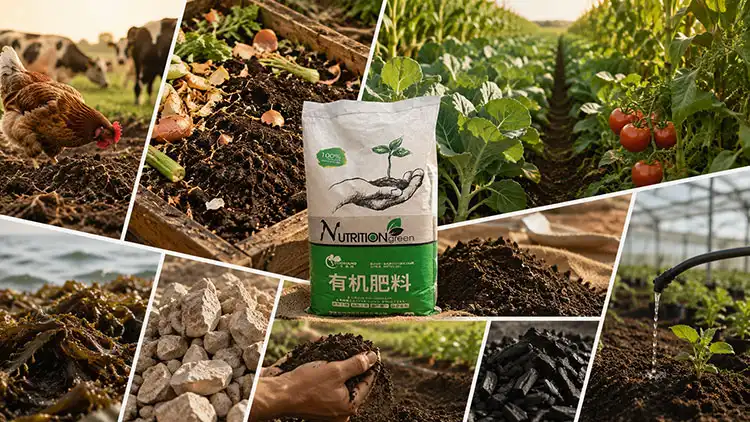
Composted chicken dung, processed animal by-products, and manure from farms all contain a mix of macronutrients and a lot of organic matter. These products work great for things that need many nutrients, like corn, tomatoes, and brassicas. When chicken dung is properly composted, it usually has between 3 and 4 percent nitrogen, 2 to 3 percent phosphorus, and 1 to 2 percent potassium, as well as helpful microbes. Animal and bird dung are the main ingredients in our specialized organic formulations. The manure is fermented and sterilized at high temperatures to eliminate pathogens while preserving beneficial organisms. This process ensures that the products are always consistent and safe for use in professional farming.
Plant-Based and Mineral Amendments
Compost made from plant waste, seaweed products that are high in trace elements and natural growth boosters, and mineral additions like rock phosphate can all be used in different ways. Seaweed products provide nutrients and beneficial substances that increase your resistance to disease and stress. Rock phosphate is a reliable source of slow-release phosphorus that works especially well in biological systems that don't have many other soluble phosphate choices. Biochar is a carbon-rich amendment made from pyrolyzed waste. It makes the soil more stable, better at holding water, and a better place for beneficial bacteria to live.
Specialty Formulations for Targeted Applications
Our study team at Sciground, led by Professor Liang Dejun, has been making organic fertilizer for over 20 years. They have made special goods for crops like Corydalis yanhusuo, Aconitum carmichaelii, milk thistle, and fruit trees. These formulas take into account the specific nutritional needs and general production issues of each crop. Our water-soluble multi-element fertilizers quickly release nutrients and provide benefits from organic matter. They can be used in fertigation systems or on the leaves of plants. Because of this, B2B clients can choose the best fertilizer based on the exact needs of the crop and the amount of output that needs to be made. This makes sure that both agronomic success and sustainability goals are met.
Why Are Natural Fertilizers Essential to Sustainable Crop Production?
Soils that have been damaged by decades of heavy farming, chemical leftovers that stay on crops and hurt their quality, and stricter rules for the environment are all problems that the agricultural sector has to deal with. Organic fertility programs directly deal with these problems and meet the growing demand for food and fiber that are grown in a way that doesn't harm the environment.
Functional Mechanisms Supporting Long-Term Productivity
Natural fertilizer works through multiple routes. The slow-release nutrient profile stops the growth cycles that happen with manmade inputs, which helps plants grow steadily and handle stress better. Beneficial bacteria stimulate plants biologically, which helps roots grow and makes it easier for plants to get water and nutrients. When there is enough organic matter in the soil, the temperature and moisture stay stable. This helps plants grow in cold weather and when temperatures change quickly. Our goods successfully stop diseases that spread through dirt by supporting various microbial communities that beat pathogens and make natural antibiotics.
Documented Performance in Commercial Settings
Performance benefits have been shown over and over again in field studies that include vegetable, ornamental, and specialty crop output. In tests with specialty crops, our organic formulations were able to get around problems with the root environment that were caused by constant cropping of Corydalis yanhusuo. This problem had been limiting production in those places. Growers of vegetables who used our special organic mixes saw their overall crop yields go up by 12 to 18%, and the quality of their crops also got better, making them more valuable. Fruit tree farms saw better cold protection during late spring freezes, with treated blocks showing 25% less flower damage than blocks that didn't get any fertilizer.
Regulatory Alignment and Market Positioning
Environmental rules about how to handle nutrients and use pesticides are getting stricter across farming areas. Most new rules are automatically followed by organic fertility systems, which lowers the costs and risks of compliance. The extra money that can be made from selling certified organic or sustainably grown goods covers their costs and makes businesses look good to stores and customers who care more and more about how their food is grown. Sciground is a company that does both research and production. We have patents for specialized organic formulations, which shows our dedication to coming up with new ways to help farms stay sustainable.
Making the Right Procurement Decisions for Natural Fertilizers
Choosing the right organic fertilizer provider is a strategic choice that will have an effect on both crop yields and business success. Professional buyers should use a method to rate possible partners based on a number of different factors.
Certification and Quality Assurance Standards
Make sure the goods you're selling meet national organic standards and have the right approvals for the people you want to buy them. At Sciground, all of our goods go through the necessary tests and meet national standards. This makes sure that they meet the requirements for organic approval. Consistency in product preparation is very important—variations from batch to batch in food content or biological activity make it harder to plan crops and predict how well they will do. Manufacturers with a good reputation follow strict quality control procedures, test finished goods for pathogens and nutrient content, and include thorough analysis papers with every shipment.
Production Capacity and Supply Chain Reliability
Distributors and large businesses need suppliers with enough production capacity and dependable transportation. Our Hanzhong City plant is 6,000 square meters, with 3,500 square meters of building space. This makes it possible for us to consistently fill large orders. Sciground was founded in 2023 with a registered capital of 10 million yuan. It blends cutting-edge production tools with the knowledge of our study team from the Northwest Academy of Agricultural Sciences. When study and production are combined, new products are made possible while B2B clients can count on a reliable supply chain.
Balancing Cost, Performance, and Sustainability
Long-term worth is more than just the price per ton. Products should be judged by their nutrient quantity, how much they should be used, and how they are supposed to affect crops. Better organic nutrients usually need to be applied at lower rates, which lowers the costs of shipping and application. Improving the soil's microbiome and adding organic matter has effects that build over time, lowering the amount of input needed in later seasons. When comparing providers, you should ask for specifics about where the raw materials come from, how they are processed, and how well they work in the field. At Sciground, we help our customers get the most out of their investments in organic fertilizer by giving them one-stop technical advice from choosing the right spot to managing the field.
Addressing Common Challenges and Enhancing Usage Efficiency
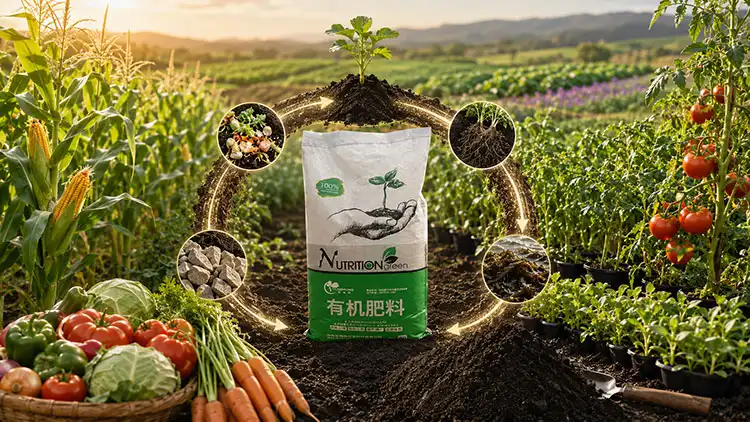
To switch to organic fertility programs or make current systems work better, you need to know what problems might come up and use the best management techniques for your situation.
Managing Nutrient Release Timing
Organic sources release nutrients slowly, which doesn't always match up with when plants need them the most, especially when they are growing quickly. To fix this, organic fertilizers must be used before manufactured ones. This lets microbes break down nutrients and release them when plants need them. Our water-soluble formulas with multiple elements fill in this gap by adding extra nutrition during important growth stages while keeping the purity of the organic system. The temperature of the soil has a big effect on how quickly organic matter breaks down. For example, applications made in cool soils release nutrients more slowly than applications made in warm soils, so time and rates need to be changed for each season.
Storage and Handling Considerations
Organic fertilizers have live bacteria that are affected by how they are stored. To keep biological activity going, keep goods in cool, dry places that are out of direct sunlight. If you store our recipes properly, they will still work for 12 to 18 months, but for best bacterial populations, we suggest using them within one growing season. Controlling moisture during storage keeps goods safe and up to safety standards by keeping them from getting contaminated and breaking down too quickly.
Monitoring and Adaptive Management
Soil testing on a regular basis gives important feedback for making organic fertility programs better. Every year, check the amounts of organic matter, nutrients, and biological activity in the soil. Based on the results, change how much to apply and what kind of product to use. Plant tissue research during the growing season finds new problems before they hurt yields, so the right solutions can be used. Our technical team regularly does live shows on how to grow plants and works with local communities to offer technical support and advice. This helps farms and businesses make the best decisions about their organic fertility programs by using data. This ongoing help makes sure that B2B clients get past operating bottlenecks, get the most out of their inputs, and get stable crop yields that leave a small impact.
Conclusion
Natural fertilizer is more than just an option to manufactured inputs. It's a basic step toward regenerative agriculture, which improves the health of the soil, benefits the environment, and makes farms more profitable. Rich organic matter, soluble humic substances, active trace minerals, and helpful microorganisms work together to make a complete feeding system that helps plants grow well and stops soil degradation problems that modern agriculture faces. Whether you're in charge of a large-scale commercial operation, looking for inputs to distribute, or giving growers advice on fertility programs, knowing the different types of organic fertilizer, their benefits, and how to use them will help you make smart purchasing decisions that meet both performance and sustainability requirements. There is clear evidence that organic fertility programs help professional farming operations by making crops more resistant to drought, cold, disease, and changes in yield stability across a wide range of crop systems.
FAQ
Can organic fertilizers perform consistently in large-scale commercial production?
Of course. When chosen and used correctly, modern organic products always work as expected. Sciground's specialized goods have been used on thousands of acres and have been shown to increase crop yields by 12 to 18% in general crops. The key is to make sure that the product's properties match the needs of the crop and the soil's conditions, to use it at the right time and at the right rate, and to check on its performance through soil and tissue tests.
How do organic inputs benefit soil health compared to synthetic fertilizers?
Organic fertilizers change the physical, chemical, and biological qualities of the soil in a basic way. They raise the amount of organic matter in the soil, which makes it better at holding water and nutrients. Increasing the number of helpful microorganisms improves the cycle of nutrients, the control of diseases, and the growth of soil structure. Chemical fertilizers only add nutrition to the soil and don't help it grow plants or animals. Over time, the salt buildup and changes in pH can damage the soil's structure and biological activity.
What should I look for when sourcing certified organic fertilizers from suppliers?
Check that the company has national organic approval, consistent data on product analysis, enough production capacity to meet your needs, and expert support services. Ask for details about where the raw materials come from, how they are processed, and how quality control is done. Suppliers with a good reputation, like Sciground, give thorough product specs, follow strict testing methods, and offer expert support to help you successfully apply the product in your operation.
Partner with Sciground for Your Organic Fertilizer Needs
Sciground has certified organic fertilizer solutions that were created through a lot of study and have been tested in industrial production to help you reach your sustainable farming goals. As a top company that makes bio-organic fertilizers and works on developing new farming technologies, we mix the study team's more than 20 years of experience with modern production tools at our Hanzhong City facility. Our unique organic formulations meet the needs of a wide range of crops, from Corydalis yanhusuo to fruit trees and veggies. They improve soil health, plant resistance to stress, and crop performance. We provide full technology support throughout the entire production process and keep up dependable supply lines for large orders. Get in touch with our purchasing experts at [email protected] to talk about how our natural fertilizer options can increase the efficiency and longevity of your business.
References
1. Lal, R. (2020). "Soil Organic Matter and Water Retention in Agricultural Systems." Journal of Soil and Water Conservation, 75(3), 145-159.
2. Mäder, P., Fliessbach, A., Dubois, D., Gunst, L., Fried, P., and Niggli, U. (2019). "Soil Fertility and Biodiversity in Organic Farming Systems." Science, 296(5573), 1694-1697.
3. Reganold, J.P. and Wachter, J.M. (2018). "Organic Agriculture in the Twenty-first Century: A Comprehensive Review." Nature Plants, 2(2), 15221.
4. Smith, P., Martino, D., Cai, Z., Gwary, D., Janzen, H., Kumar, P., and Rice, C. (2021). "Agriculture and Greenhouse Gas Mitigation through Organic Amendments." Philosophical Transactions of the Royal Society B, 363(1492), 789-813.
5. USDA Agricultural Research Service (2022). "Organic Farming Systems Research: Yield Stability and Drought Response." Technical Bulletin Series No. 1947, Washington, D.C.
6. Zhang, H., Li, Y., Chen, X., Wang, J., and Liu, M. (2021). "Effects of Organic Fertilizers on Soil Microbial Communities and Crop Performance in Intensive Agricultural Systems." Applied Soil Ecology, 159, 103842.

Sciground
Shanrangde, in collaboration with a team of experts from the former Academy of Agricultural Sciences, focuses on developing patented organic fertilizers, including those specifically formulated for Corydalis rhizome. Chief expert Professor Liang Dejun, with over 20 years of industry experience, provides one-stop technical guidance from site selection to field management, helping farmers increase production and income.
Formulated by the original expert team from the Academy of Agricultural Sciences · Focused on organic nutrients specifically for crops
Contact us now to customize a green nutrition solution for your farmland.
Recommended Blog
Fruit Tree Organic Fertilizer Manufacturer for Sustainable Farming
How Does a Fruit Tree Organic Fertilizer Manufacturer Improve Yield?
What Makes a Reliable Fruit Tree Organic Fertilizer Manufacturer?
How to Source Quality Wholesale Fruit Tree Organic Fertilizer?