Eco-Friendly Fertilizer for Healthier Soil and Stronger Crops
Understanding Eco-Friendly Fertilizers and Their Benefits
- Understanding Eco-Friendly Fertilizers and Their Benefits
- How do eco-friendly fertilizers work, and what are their mechanisms and practical applications?
- Evaluating and Selecting the Best Eco-Friendly Fertilizer for B2B Procurement
- Procurement and Supply Chain Insights for Eco-Friendly Fertilizer
- Future Trends and Innovations in Eco-Friendly Fertilizer Market
- Conclusion
- FAQ
- Partner With Sciground for Superior Eco-Friendly Fertilizer Solutions
- References
Eco-friendly fertilizer is a game-changer in farming nutrition because it uses organic matter, helpful bacteria, and natural mineral complexes instead of manufactured poisons to provide plants with the nutrients they need. These long-lasting mixtures fix the structure of the soil, boost the activity of microbes, and help crops grow for a long time without hurting the environment. Modern eco-friendly fertilizer solutions solve important problems that farmers, ranchers, and agricultural sellers face when they want to make money and take care of the environment at the same time. These solutions include adding soluble humic acids, trace minerals, and bioactive substances.
Understanding Eco-Friendly Fertilizers and Their Benefits
Natural Composition That Rebuilds Soil Health
Sustainable farming inputs differ from synthetic goods in their composition and function. Organic-based formulas have a lot of organic matter from things like animal manure, plant waste, and microbe biomass. This organic matter breaks down over time, releasing nitrogen, phosphorus, and potassium along with other nutrients. These natural fertilizers contain liquid humic acid and plant-based humic substances that chelate micronutrients. This makes iron, zinc, manganese, and copper easier for plant roots to access, even when the soil pH is low.
Beneficial bacteria, like Bacillus species, and nitrogen-fixing microbes that live in root zones are biological parts of effective organic products. These living communities change nitrogen in the air into forms that plants can use and dissolve phosphorus that is locked up in mineral compounds. This provides plants with nutrition that can't be found in manmade sources. According to research from the Rodale Institute, fields that are handled organically have 30% more microbial biomass than fields that are treated chemically. This is directly related to a better nutrient cycle.
Addressing Soil Compaction and Chemical Overuse
On modern farms, using too much synthetic fertilizer and heavy machines over and over again often damages the earth. Packed-down soils make it harder for roots to grow, water to seep in, and good soil creatures to get air. Organic fertilizers work against these problems in a number of ways that repair the soil's physical traits over the course of several growing seasons.
The fulvic and humic acid parts in luxury formulas naturally improve the soil by encouraging the formation of aggregates that create spaces between mineral particles. This increase in structure lets water and air flow and gives roots ways to grow. Independent field studies in Midwest grain farms show that switching to organic nutrient programs lowers penetration resistance by 18–25% within three crop cycles. This improves root growth and drought resistance measurably.
Chemical, eco-friendly fertilizer leftovers build up in soils when application rates are higher than what crops can absorb. This causes salt buildups that hurt soil bacteria and stop plants from absorbing nutrients. Because they release slowly and have low salt index scores, organic options lessen these bad effects. According to the Cornell University Soil Health Laboratory, fields that are handled with organic inputs have 40% lower electrical conductivity levels than fields that are treated with manmade materials. This is because organic inputs keep helpful microbial populations that are needed for the mineralization of nutrients.
Environmental Resistance and Crop Resilience
For agriculture to be sustainable, crop systems must be able to handle pressure from the climate without using too many inputs. This resilience is built by organic fertility programs that use a variety of defensive processes to make plants stronger and better able to use their resources when conditions are tough.
Increasing soil organic matter through regular organic amendments makes it much more resistant to drought. Because humic substances are hygroscopic, they help treated soils keep their wetness levels at field capacity for longer periods of time. This means that farmers don't have to water as much during dry times. Organic matter helps the earth stick together, which creates tiny holes that hold water and slowly release it to the roots of plants. A study from the University of California measures this effect and finds that a 1% rise in organic matter leads to an extra 20,000 gallons of water storage per acre.
When young plants are getting established in the spring, and the weather changes, their cold protection becomes very important. Soils that have more organic matter keep their temperatures more fixed, which keeps heat from escaping quickly at night. Organic-rich soils are darker, which makes them better at absorbing sun heat during the day. This helps seeds germinate earlier, and plants grow faster. Field studies from Montana State University show that in northern growth regions, organic fertility systems bring crops up to five to seven days earlier than synthetic programs.
Disease protection is another important benefit for farmers who use continuous cropping methods that are prone to soil-borne pathogens. When you use good organic products, they bring beneficial microorganisms that fight bacteria and fungi that cause disease at root colonization sites. These microorganisms also make natural antibiotics that kill pathogens. A lot of research has been done on how organic systems can help fight diseases. For example, a study from the Netherlands found that Fusarium wilt cases dropped by 60% in tomato farms that were managed naturally.
How do eco-friendly fertilizers work, and what are their mechanisms and practical applications?
Biological Nutrient Release and Soil pH Management
By understanding how nutrients are mobilized, farm workers and managers can determine the best times and amounts for nutrient application to achieve optimal economic returns. Soil bacteria have to break down the complex protein and amino acid structures of organic nitrogen before plants can take in the ammonium and nitrate ions that are released. This organic mineralization happens slowly over the course of a growing season. The rate of release depends on the temperature, wetness, and number of microbes in the soil.
Problems are getting enough phosphorus in areas with alkaline soils in the west and acidic soils in the east, where crop access is limited by mineral fixation. When microbes break down organic matter, they make organic acids that bind calcium and aluminum ions that would otherwise lock phosphate into forms that can't be used. Specialized bacteria, such as Pseudomonas species, break down rock phosphate and bone meal components using enzymes, turning them into orthophosphate forms that roots can easily take.
The pH of the soil affects almost every part of the supply of nutrients and the activity of microbes. Because they have a high cation exchange capacity, organic amendments keep the pH level stable even when the soil's acidity or alkalinity changes quickly. In acidic soils, the humic acid in special products directly gets rid of extra hydrogen ions. In alkaline soils, it stops sodium from building up. Long-term field studies from Ohio State University show that using organic fertility management consistently gets soil pH levels back to normal levels (6.5–7.0) over 4-6 year cycles without the need for extra lime applications.
Application Strategies Across Production Systems
How it is actually used changes a lot depending on the type of crop, the size of the output, and the growing factors in the area. When vegetable farms prepare the seedbeds, they usually use 800 to 1,200 pounds of organic goods per acre. They also use liquid organic formulations that are applied through drip watering systems once a week during the plant's peak growth periods. Because fast-growing plants like lettuce and cabbage need nutrients right away, they need to be applied more often than annual systems.
Farmers who grow grains and row crops often spread granular organic products on the ground before they till the soil in the spring. They aim to use enough of these products to give each acre 80 to 120 pounds of nitrogen equivalents over the course of the growing season. The delayed nitrogen release rate fits the uptake patterns of corn and soybeans better than manmade sources, which could lose nitrogen when it rains a lot. Enterprise budgets from Kansas State University show that organic fertility programs lower nitrogen costs by 15 to 20 percent while keeping yield goals by making better use of nutrients.
Fall treatments that help roots grow during dormant times are good for perennial crop systems like trees, vines, and hay production. After harvesting, spreading 1,500 to 2,000 pounds per acre of organic goods lets nutrients slowly become mineralized at the same time as spring flush growth. The steady release of nutrients gets rid of the need for multiple synthetic treatments. It also builds up soil organic matter stores that help it hold on to water during times of drought in the summer.
When it comes to getting the most biological activity and nutrients, timing is very important. To make sure there are enough microbes for nitrogen mineralization, treatments should only happen in the spring when the soil temperature stays above 50°F. When you apply nutrients in the fall, the warm soil helps the nutrients break down before winter hibernation. This sets the stage for early-season crop uptake. According to research from the USDA Agricultural Research Service, applying organic goods in the fall gives plants 25% more nitrogen that they can use during spring growth than applying them in late winter.
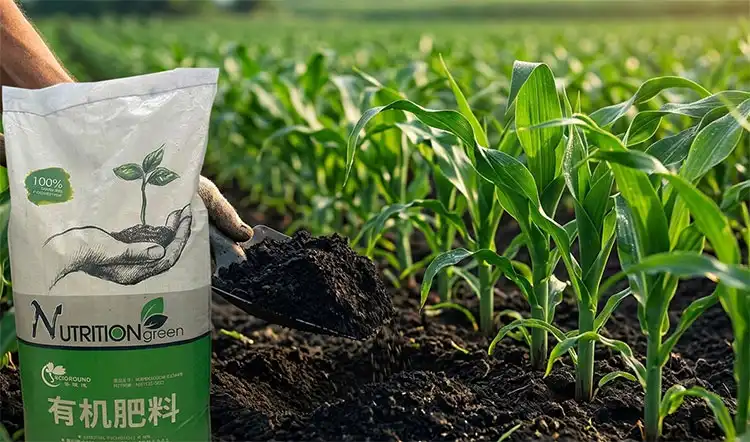
Evaluating and Selecting the Best Eco-Friendly Fertilizer for B2B Procurement
Decision Frameworks for Procurement Managers
To choose the right organic fertilizers, you need to carefully look at the supplier's skills, the product details, and how well they work with your system. The F-1 criteria screening approach gives procurement managers a structured way to deal with legal compliance, cost-effectiveness, and the stability of the supply chain all at the same time.
When it comes to large-scale farming, where freight costs have a big effect on shipped prices, bulk buying is the most important factor. When buying by truckload (20–25 tons), prices are usually 30–40% lower than when buying on pallets. This makes the seller's storage space and shipping schedule very important when choosing a supplier. Setting up vendor-managed inventory deals is good for distributors and dealer networks that serve farm communities in the region because they make sure that products are available during peak application seasons without having to pay too much for storage in the winter.
Larger farms and agricultural groups can choose fertilizer mixes that are best for their soil types and crop rotations thanks to OEM customization options. Custom mixing services include micronutrient kits that fix shortages in the area, like boron for alfalfa output or zinc for corn systems, while still meeting the standards for organic certification. This adaptability guarantees the best agricultural performance while streamlining the management of goods across a wide range of output units.
Certification Standards and Quality Verification
Regulatory compliance verification keeps buyers safe from low-quality goods that don't meet the standards for organic certification or have fake ingredients that aren't allowed. The USDA National Organic Program sets strict rules for what can and can't be used in approved organic production systems. These rules must be checked by a third party through qualified certifying agencies. People who are in charge of buying things should ask for Organic Materials Review Institute (OMRI) listing documents or other foreign approvals that show the product is eligible.
Nutrient analysis paperwork makes sure that the guaranteed nutrient content and application rate estimates are clear. Manufacturers with a good reputation give full analytical profiles that show the amounts of micronutrients, available phosphate, soluble potash, and total nitrogen. These profiles are backed up by independent lab tests. These details make it possible to accurately plan farming and compare the costs of different goods based on their nutrients per unit instead of just their per-ton prices.
As companies make more commitments to sustainability across agricultural supply lines, environmental effect studies play a bigger role in how much to buy. Carbon footprint studies measure the amount of climate gases that are released when you buy raw materials, make things, and ship them. Products made from locally sourced organic materials and little processing usually have 60–70% less carbon intensity than manufactured options that need to be chemically synthesized, which uses a lot of energy.
Cost-Effectiveness Analysis for Commercial Operations
In economic review, you have to look at both the short-term costs of the inputs and the long-term benefits that improve soil health and lower the need for fertilizer in the future. Organic programs usually cost between $85 and $140 per acre, based on the product chosen and the amount of nutrients needed. Synthetic programs, on the other hand, cost between $60 and $95 per acre. When you look at the long-term benefits of better soil structure, better water retention, and lower disease pressure, this perceived price difference becomes less important.
The University of Minnesota Extension Service did a break-even study that shows that organic fertility programs start to make money for corn-soybean rotations within three crop years. Increasing organic matter over time (averaging 0.3-0.5% gains per year) leads to measured yield improvements of 8–12% by year five, which more than offsets the higher starting costs of inputs and raises the long-term value of the land.
Getting rid of risks is another economic factor that procurement managers look at when they evaluate the stability of the supply chain. The price of synthetic eco-friendly fertilizer changes a lot because of the cost of natural gas and problems with foreign trade. For example, in 2022, prices went up by 300%. Because they come from a variety of sources and can be produced in more than one area, organic goods have more stable price patterns. This makes budgeting for multi-year operations easier.
Procurement and Supply Chain Insights for Eco-Friendly Fertilizer
Supplier Evaluation and Sourcing Channels
Finding manufacturers and distributors with regular quality control, enough production capacity, and quick expert help is important for building reliable supply relationships. When regional producers use local organic waste streams like dairy manure, chicken litter, and food processing byproducts, they can often save money on shipping costs and support the circular economy in rural areas.
Online business-to-business (B2B) sites connect farms directly with niche makers who offer unique formulations, giving them more sourcing choices than traditional dealer networks. These online stores let you look at different products and prices, see full product details, and make it easier to place an order by integrating shipping management. But before committing to big orders, buyers should check the qualifications of the seller and ask for examples of the product.
By teaming up with farming groups on a wholesale level, businesses can get economies of scale that they wouldn't be able to get on their own. Cooperative buying programs usually get 15–25% price cuts by making promises to buy in bulk. They also coordinate deliveries centrally, so each farm doesn't have to handle as much. These deals are especially helpful for small and medium-sized businesses that don't have the space to store large packages.
Quality Assurance and Logistics Management
The biological nature of organic formulations, having real microbial populations, means that freshness issues affect how well the product works. Long-term storage in bad conditions lowers the number of functional cells and speeds up the mineralization of nutrients, which makes the field less useful. Specifications for purchases should include production dates that are less than 90 days from the date of delivery and storage rules that keep temperatures below 80°F in covered areas that aren't exposed to direct moisture.
Verification of the supplier's approval goes beyond checking that the product is organic; it also includes checking the quality systems and paperwork for traceability. Good Manufacturing Practices (GMP) compliance shows that controls for contamination are in place to protect the purity of the product, while ISO 9001 approval shows that quality management processes have been established. These certificates give buyers peace of mind that the goods they buy will always meet the requirements, even if they come from different production lots.
Sample testing programs let buyers check the claims about a product before making a big purchase. Asking for 50-pound samples for small-plot trials lets you test the agronomic performance on a real farm while also making sure of the handling features, compatibility with application tools, and crop response patterns. This approach for lowering risk is especially helpful when looking at new sources or product formulations that you don't know much about.
Strategic Relationship Development
Long-term relationships with suppliers offer more than just transactional prices. They offer expert support services, custom product development, and priority allocation during supply shortages, among other things. When companies spend money on agronomic research and field display programs, they give buyers advice based on data that helps them choose the best application methods for the growing conditions in their area and the needs of each crop.
Through tiered pricing, longer payment terms, and faster order fulfillment, loyalty programs and bulk refunds reward customers who buy from a business regularly. The goals of these reward systems are to match the interests of both the buyer and the seller, while also easing the administrative burdens that come with switching vendors often and holding competitive bidding rounds.
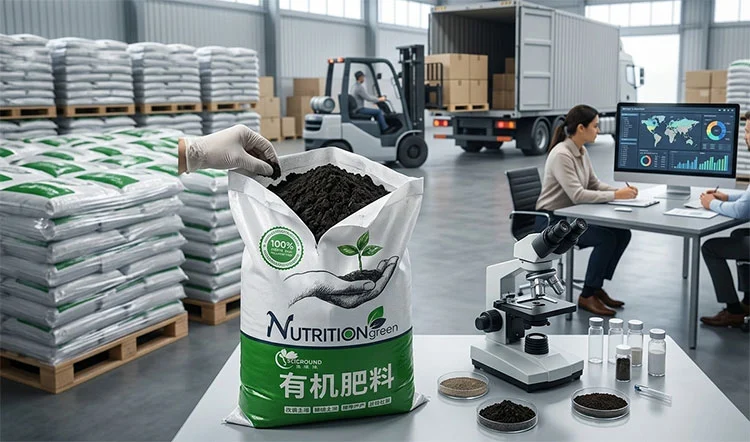
Future Trends and Innovations in Eco-Friendly Fertilizer Market
Technological Advancements in Product Formulations
The main goal of innovation pipelines is to improve the release patterns of nutrients by using new coating technologies and packaging methods that keep organic materials from breaking down too quickly. Organic grains covered with biodegradable materials made from plant oils and natural waxes make nutrients available for longer periods of time while still meeting the requirements for organic certification.
Targeted microbial groups chosen for specific crop systems and weather factors are used to improve biofertilizer better. Next-generation products blend nitrogen-fixing bacteria, fungi that break down phosphate, and rhizobacteria that help plants grow all in one mixture. These products offer a wide range of biological benefits while making application procedures easier. Genetic research tools let producers verify the identity and survival of microbial strains, which makes sure that all production batches of a product work the same way.
Precision Agriculture Integration
Based on Earth mapping data and crop sensing information, digital farming tools make it possible to use organic goods at different rates. GPS-guided spreaders with prescription maps give site-specific fertility programs that place inputs most effectively based on the areas of a field that have the most promise for output. This precise method cuts down on the total amount of product needed by 15 to 20 percent while making the spread of nutrients more even than with regular broadcast applications.
By taking many samples and analyzing them in the lab, soil health tracking tools keep an eye on changes in organic matter, signs of biological activity, and how well nutrients are being cycled. Adaptive management decisions are based on these data streams, which let farmers change the amount of organic matter they put into the soil based on how it actually reacts instead of following general guidelines. Integration with farm management software lets you do economic analysis by weighing the costs of inputs against changes in output and the value of higher-quality grains.
Regulatory Developments and Market Dynamics
Sustainability rules that are moving through the governmental processes in the European Union and North America require more openness about how farming inputs affect the environment. Labeling rules for carbon intensity and limits on high-emission synthetic goods support organic alternatives that leave smaller greenhouse gas footprints. These changes in policy speed up market adoption while giving early adopting farms a competitive edge by putting them in a position to take advantage of new sustainability bonuses.
Concerns about the durability of the supply chain after recent foreign problems lead to investments in the United States' ability to make organic eco-friendly fertilizer. Government reward programs that help build infrastructure for handling organic waste and biological manufacturing facilities cut down on reliance on imports and create jobs in the area. This increase in capacity makes it easier for agriculture buyers across North American markets to get products and keeps prices stable.
Conclusion
Switching to organic fertility programs improves the health of the soil, the resilience of crops, and the long-term health of the environment. It also helps modern farms deal with the financial challenges they face. The biological processes that make these natural goods work—nutrient mineralization, increased microbe activity, and better soil structure—give them long-term value that is greater than their initial costs. With the help of structured evaluation frameworks, procurement professionals can find good suppliers that offer certified products that are made to fit specific practical needs. As regulations and consumer tastes shift toward more eco-friendly ways of farming, farms that strategically use organic fertility systems can gain a competitive edge in changing agricultural markets while also creating soil resources that will keep crops growing for future generations.
FAQ
What distinguishes eco-friendly fertilizers from organic fertilizers in procurement specifications?
There is a lot of confusion between the terms, but eco-friendly products include both approved organic formulations and natural mineral-based goods that don't meet strict organic certification standards. To get an organic certification, a product must follow the National Organic Program's rules that say synthetic additives are not allowed. On the other hand, eco-friendly labels may include goods that have few synthetic parts or are made using environmentally friendly methods. When looking for certified organic operations, purchasing managers must check the OMRI listing or other similar certifications. On the other hand, conventional farms may use a wider range of eco-friendly choices that offer environmental benefits without having to pay extra for certification.
How can buyers authenticate supplier sustainability certifications?
For verification, you can't just rely on what the seller says; you also need to get proof from recognized third-party certifying bodies. You can check the current state of your certification by contacting the certifying bodies directly through their online databases and reading audit results when they are available. Ask for records of inspections of the production site and records of where the raw materials came from to show that organic standards were followed throughout the supply chain.
Do organic fertility programs maintain yields when scaling to commercial production?
Long-term studies show that when organic systems are handled correctly, they produce 95–100% of conventional returns after 3–5 years of change. The USDA Farming Systems Trial shows that both organic and standard farming methods produce the same amount of corn and soybeans over a 30-year period of time. However, the organic system does better during droughts. To be successful, you need to change the fertility rates based on the soil's factors and use different crop rotations that increase the soil's organic ability to cycle nutrients.
Partner With Sciground for Superior Eco-Friendly Fertilizer Solutions
Scientific Ground provides certified organic fertilizers that are designed to help industrial farms achieve long-term production gains. Our special mixes have plant-based humic substances, soluble natural humic acids, and specific trace mineral packages that fix common soil problems that keep crops from doing well. We work directly with farmers, ranchers, and agricultural traders all over North America to make sure they have the best application methods for their crops and the growing conditions in their area.
Sciground is a top company that makes eco-friendly fertilizer. They have a 3,500-square-meter production center with high-tech fermentation systems and quality control labs that make sure their products always meet the standards. Working together with farm scientists on research projects helps us come up with new ways to solve tough problems like problems with ongoing cropping and disease pressure from the soil. Email our scientific team at [email protected] to talk about buying in bulk, getting product samples for testing in the field, or looking into special formulation development. We help farmers build profitable, long-lasting businesses by offering organic feeding plans that have been proven to work and full agronomic support.
References
1. Gattinger, A., Müller, A., Haeni, M., Skinner, C., Fliessbach, A., Buchmann, N., Mäder, P., Stolze, M., Smith, P., Scialabba, N. E. H., & Niggli, U. (2012). Enhanced topsoil carbon stocks under organic farming. Proceedings of the National Academy of Sciences, 109(44), 18226-18231.
2. Pimentel, D., Hepperly, P., Hanson, J., Douds, D., & Seidel, R. (2005). Environmental, energetic, and economic comparisons of organic and conventional farming systems. BioScience, 55(7), 573-582.
3. Mäder, P., Fliessbach, A., Dubois, D., Gunst, L., Fried, P., & Niggli, U. (2002). Soil fertility and biodiversity in organic farming. Science, 296(5573), 1694-1697.
4. Ros, G. H., Hoffland, E., van Kessel, C., & Temminghoff, E. J. M. (2009). Extractable and dissolved soil organic nitrogen: a quantitative assessment of the literature. Soil Biology and Biochemistry, 41(11), 2225-2232.
5. Delate, K., Cambardella, C., Chase, C., & Turnbull, R. (2015). A review of long-term organic comparison trials in the U.S. Sustainable Agriculture Research, 4(3), 5-14.
6. Reganold, J. P., & Wachter, J. M. (2016). Organic agriculture in the twenty-first century. Nature Plants, 2(2), 15221.

Sciground
Shanrangde, in collaboration with a team of experts from the former Academy of Agricultural Sciences, focuses on developing patented organic fertilizers, including those specifically formulated for Corydalis rhizome. Chief expert Professor Liang Dejun, with over 20 years of industry experience, provides one-stop technical guidance from site selection to field management, helping farmers increase production and income.
Formulated by the original expert team from the Academy of Agricultural Sciences · Focused on organic nutrients specifically for crops
Contact us now to customize a green nutrition solution for your farmland.
Recommended Blog
What Makes Cordydalis Tuber Plant Fertilizer a Premium Choice?
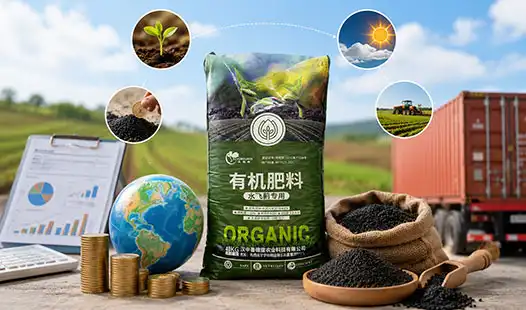
What Factors Affect Silybum marianum Organic Fertilizer Price?

How Does Cordydalis Tuber Organic Fertilizer Improve Plant Resistance?
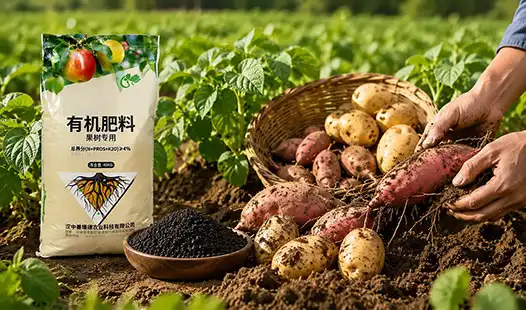
Why Is Wholesale Fruit Tree Organic Fertilizer Ideal for Tuber Crops?
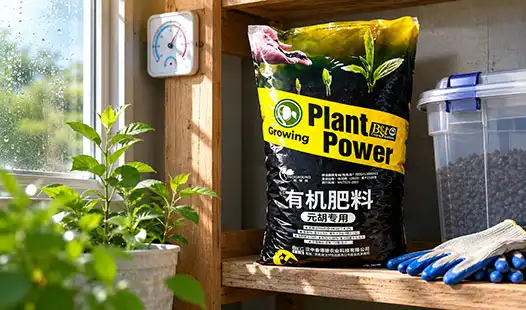
How Should Cordydalis Tuber Organic Fertilizer Be Stored Safely?