What Are the Signs Your Crops Need Micronutrient Fertilizers?
Understanding Micronutrient Deficiencies in Crops
- Understanding Micronutrient Deficiencies in Crops
- Diagnosing Micronutrient Needs: How to Detect Deficiencies Early
- Practical Application Methods for Micronutrient Fertilizers
- Benefits of Using Micronutrient Fertilizers for Crop Performance and Soil Health
- How to Choose and Source the Right Micronutrient Fertilizers for Your Business?
- Conclusion
- FAQ
- Contact Sciground for Professional Micronutrient Fertilizer Solutions
- References
Seeing signs of plant suffering is the first step in figuring out when your plants need micronutrient fertilizers. Leaf chlorosis (leaves turn yellow while veins stay green), reduced growth, leaf necrosis (leaves get brown spots or edges), and leaves that are the wrong shape or size are all common signs. Fruit trees may not flower well, produce small or imperfect fruits, or drop their fruit too soon. These signs mean that you don't have enough trace elements like copper, iron, zinc, manganese, boron, or photosynthesis. These elements are needed in tiny amounts but are necessary for enzyme activity and photosynthesis to happen.
Understanding Micronutrient Deficiencies in Crops
Professionals in agriculture know that trace elements have a big impact on the quality and quantity of the harvest. Nitrogen, phosphorus, and potassium are the most talked about nutrients in fertilizer. However, if you don't handle micronutrients properly, you can't get as much crop growth, even if you have a lot of NPK. This is called Liebig's Law of the Minimum.
Why Do Micronutrients Matter for Plant Health?
Trace elements that are essential for plant health speed up hundreds of chemical processes inside plant cells. During photosynthesis, iron helps make chlorophyll and move electrons around. Zinc makes growth hormones and protein production happen. Manganese is a mineral that helps the body use nitrogen and fight off diseases. Boron is needed for cells to build walls and for reproduction to happen properly. Copper helps make lignin and keeps pollen alive. Legumes can fix nitrogen with molybdenum. Crops go through "hidden hunger" when they don't get enough of these elements. This means they lose output before any visible signs show up.
Identifying Deficiency Symptoms Across Different Crops
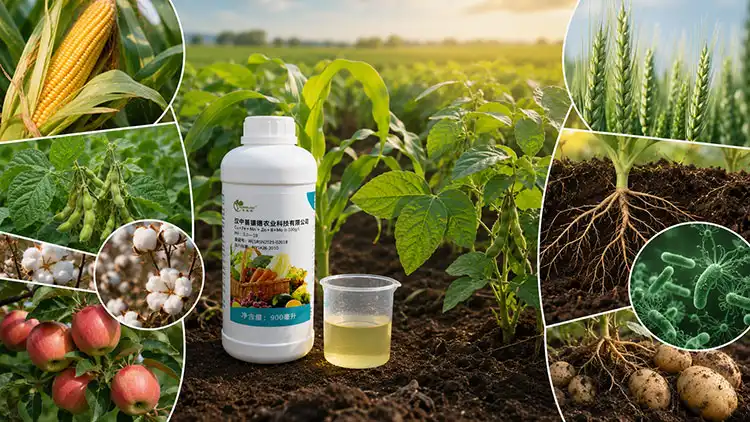
Symptoms show up in very different ways based on the type of crop and which part is missing. It is called "white bud" in corn when cereal crops that don't receive enough zinc have interveinal chlorosis on their smaller leaves and shorter internodes. When soybeans and fruit trees don't receive enough iron, the new growth turns yellow evenly, but the older leaves stay green. Cotton that doesn't get enough boron gets twisted bolls and weak stems. Manganese deficiency in wheat causes the leaves to have gray spots and the grains to not fill up properly. Farmers and agronomists can make more accurate diagnoses before deficiencies have a big effect on the usable yield if they know about these crop-specific symptoms.
Land-grant colleges have found that corn yields drop by 15–30% in calcareous soils when micronutrient levels are low. In soybeans, iron chlorosis can reduce production by up to 50 percent in fields that are badly impacted. These losses in income show how important careful nutrient control really is.
Diagnosing Micronutrient Needs: How to Detect Deficiencies Early
Correct analysis keeps expensive inputs from being used in the wrong way and makes sure crops get exactly what they need. Today, farms use scientific testing methods instead of guessing to decide how much fertilizer to buy.
Soil Testing Protocols for Trace Element Analysis
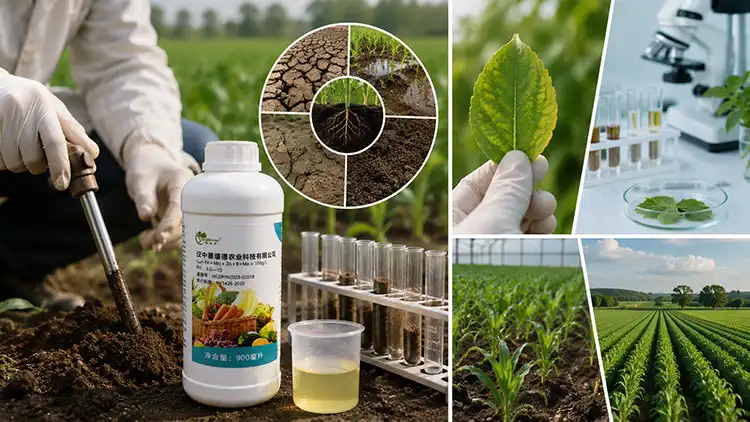
A full soil study shows what nutrients are available and what conditions make it hard for plants to take them up. Testing should find out how much iron, zinc, manganese, copper, and boron can be extracted using the right methods. The pH of the soil greatly affects micronutrients. Soils that are too acidic (below 5.5) can cause manganese and copper to become too concentrated, which can be harmful. Soils that are too alkaline (above 7.5) turn iron and zinc into forms that plants can't use. Organic matter, clay minerals, and calcium carbonate all affect how plants access minor elements. By testing the soil every two to three years, you can find patterns and make preventative treatments before problems show up.
Plant Tissue Testing at Critical Growth Stages
Soil tests tell you what's in the ground, but plant tissue research tells you what plants really take in. Taking leaf samples during busy growth stages—V6 stage for corn, early bloom for soybeans, or fruit set for orchards—provides a quick look at the plant's nutritional state. In the lab, quantities are measured in plant parts and compared to ranges of amounts that are known to be sufficient for each crop. In soils with a high pH, tissue testing is very useful because it can show that there are enough stores that are chemically locked and can't be reached by roots. When procurement managers and farm experts use both types of tests together, they obtain the information they need to choose the right fertilizer products.
Environmental Factors Influencing Nutrient Availability
How plants get minor elements depends a lot on their growing conditions. Cold, wet soils make roots work less and take in fewer nutrients, even when there are enough nutrients available. Drought stress makes it harder for nutrients to get to the roots. When soil is compacted, it makes it harder for roots to grow and creates areas without oxygen, which changes elements chemically into states that plants can't use. Too much phosphate can cause a zinc shortage by creating zinc phosphates that can't dissolve. Pesticide programs may mess up useful mycorrhizal relationships that help plants get micronutrients. Soils in different areas, such as the limestone soils of the Great Plains or the acidic red clays of the Southeast, require different management plans that address their unique solubility problems.
Practical Application Methods for Micronutrient Fertilizers
Choosing the best formulations and time for application increases crop response while keeping costs low. Today's farming offers a variety of transport methods suitable for different sizes of operations and types of crops.
Water-Soluble Formulations for Rapid Response
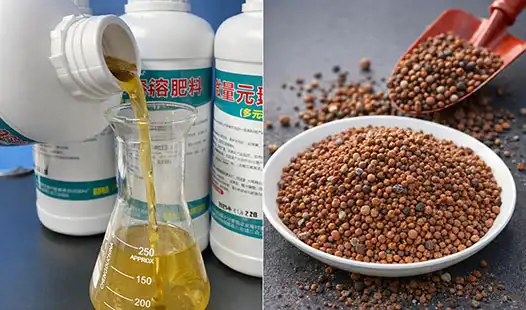
When deficiency signs appear during the growing season, liquid trace element solutions provide immediate help. Water-soluble fertilizers with chelated types of iron, zinc, and manganese stay solid in spray tanks and work well on the cuticles of leaves. These mixtures work especially well in fertigation systems that are used in greenhouses, to grow high-value vegetables, and to run orchards. Foliar-applied treatments work quickly to fix problems within 7 to 14 days, getting plants back to normal function before they lose too much fruit. Surfactants make it easier for plants to absorb wet substances while lowering the risk of phytotoxicity in products made just for foliar use.
Our water-soluble micronutrient fertilizers at Sciground meet these needs thanks to cutting-edge composition technology. The products have chelated trace elements that don't settle out in hard water and stay stable over a wide range of pH levels that are common in irrigation systems. Here are the main things that make effective water-soluble items stand out in terms of performance:
- Enhanced Plant Resistance: Balanced trace element nutrition turns on plants' defense systems, which lowers the risk of disease and raises their ability to handle stress during hot, dry, or cold spells that usually hurt crop health.
- Fast Absorption Technology: Specialized chelating agents keep nutrients safe while they are applied to the leaf. This process lets them be quickly absorbed through the stomata and cuticle paths, so fixes can be made quickly when they're needed the most.
- Growth Enhancement Properties: The mixtures encourage bigger and thicker leaves, many flowers and fruit set, faster fruit growth with better coloring, and even fruit sizes and smooth surfaces that fetch high prices on the market.
These performance traits directly lead to better yield quality and longer shelf life, which are important factors for growers who serve the fresh market or have processing contracts with strict quality requirements. Quality water-soluble goods make it easy to use without having to mix different parts. They also give stable results on a wide range of crops and application tools.
Soil-Applied Slow-Release Options
When mixed into the soil, granular and powder forms make it possible for plants to get trace elements all through the growing season. These products work best when used as preventative treatments on seedbed preparation or as broad applications before planting. Slow-release technologies cover each particle with polymers or sulfur that break down slowly, making nutrients available for an extra 60 to 90 days. This method cuts down on application work and makes sure there is a steady supply during key growth times. Soil-applied products are more cost-effective for large-scale row crop operations, where applying products directly to the leaves would be difficult to manage.
Organic Sources for Sustainable Production Systems
Producers who want to get organic approval or use regenerative agriculture principles accept natural sources of trace elements. Composting manures, rock phosphates with natural trace element content, and mining mineral deposits all release nutrients slowly while adding organic matter to the soil. These things help microbe communities grow, which improves the long-term health of the soil and speeds up the movement of nutrients. Organic sources usually cost more per unit of nutrition than manufactured ones, but they are better for the environment, and crops sell for more money, so the extra cost is worth it.
Benefits of Using Micronutrient Fertilizers for Crop Performance and Soil Health
When you handle trace elements correctly, you get benefits that go beyond just higher yields during this season. Smart investments in micronutrient fertilizers build up the soil's capital and set up processes for long-term output.
Immediate Yield and Quality Improvements
Fixing trace element deficiencies reveals genetic yield potential that poor diets have hidden. Field tests in corn-growing areas show that adding zinc increases yields by 8 to 15 bushels per acre when there aren't enough of them. When iron chelates are added to high-pH soils and soybeans are grown on them, 10 to 20 bushels per acre are saved that would have been lost to chlorosis. When borate is added to cotton, it improves the fibers and adds 50 to 100 pounds of lint per acre. In addition to increasing the amount of food grown, managing micronutrients improves the quality of crops in ways that directly affect their market worth. For example, better micronutrient management leads to bigger and more colorful apples, higher protein levels in wheat, better oil profiles in soybeans, and easier storage for potatoes.
Enhanced Disease Resistance and Stress Tolerance
When plants get enough trace elements, they strengthen their immune systems and structural stability. When there is enough manganese, plants are less likely to get fungal diseases, such as take-all in wheat and gray leaf spot in corn. Copper is an important part of making lignin, which forms physical walls that keep pathogens out. Zinc helps the body make chemicals that protect it from insect feeding. Silicon is not always thought to be necessary, but it does help keep rice and small grains from getting stuck and stops piercing-sucking insects from getting inside. These benefits for managing diseases and pests lower the need for pesticides, which lowers input costs and helps reach the goals of integrated pest management.
Long-Term Soil Health Benefits
Various microbial communities drive nutrient cycling by supporting balanced production that includes trace elements. Healthy microbe communities break down nutrients stuck in organic matter and mineral parts, gradually making the soil more fertile. When plants have enough micronutrients, they grow stronger and produce more roots and food residues that break down organic matter in the earth. This organic matter improves the structure of the soil, makes it easier for water to seep into and stay in the soil, and raises the cation exchange capacity, which stops nutrients from leaving the soil. Holistic nutrition management that takes into account both macro and micronutrients over multiple growing seasons builds strong soils that can keep producing crops with less help from outside sources.
How to Choose and Source the Right Micronutrient Fertilizers for Your Business?
Before making a purchase choice, you need to carefully look at the product specifications, the supplier's skills, and the total value provided. Commercial buyers who are responsible for fertilizer programs for farms, groups, or distribution networks need partners they can trust who know how to handle farming tasks and provide expert support.
Evaluating Product Quality and Formulation Standards
Trace element products of high quality must meet strict composition requirements and come with a promise that the analysis will correctly show the amount of nutrients they contain. Chelated formulas should say whether EDTA, DTPA, or EDDHA was used as the chelating agent. This is because stability changes with soil pH, and each substance works best in different situations. When using fertigation, where particles that aren't dissolved can clog emitters and make watering less even, solubility rates are crucial. Products that meet foreign standards and have third-party certifications guarantee stability from one batch to the next. Lab analysis papers should be sent with packages so that buyers can verify the specs before using them on a big scale.
Assessing Supplier Technical Support and Service
Beyond the quality of the goods, the knowledge of the supplier has a big impact on how well things turn out. Agronomic consulting firms help match formulas to the needs of specific crops and the conditions of the land. Technical reps should know what problems growers in that area face and be able to give advice on how to use products that take into account local weather patterns, soil types, and common failure patterns. Customer service teams that are quick to answer questions, even during the busy planting and growing seasons, are very helpful. Product performance is improved by teaching dealer networks and end users the right way to use the product, how to make it compatible with other products in the tank, and how to fix problems.
Balancing Cost and Performance for Procurement Decisions
When comparing prices, you should look at more than just the cost per unit weight. You should also look at the real nutrients and absorption. Even if the price is right, a cheaper product that doesn't dissolve well or uses bad chelating agents may not work well in the field. It's easier to understand the differences between prices when you figure out the cost per acre based on the suggested application rates and the expected crop reactions. When you buy in bulk from the same suppliers, you can often get big savings and make logistics easier. By building long-term partnerships with makers who keep enough stock and stick to regular shipping times, you can avoid problems during busy application times when timing is very important for success.
Hanzhong Shanrangde Agricultural Technology Co., Ltd. is a good example of a micronutrient supplier that can do both study and production, which is what serious farming companies look for. The company was started in 2023 with help from experts who used to work at the Academy of Agricultural Sciences. It has modern production facilities and more than 20 years of experience researching organic micronutrient fertilizers. The industrial complex in Chenggu County, which is 6,000 square meters, makes special mixtures that meet the needs of local crops while keeping high standards that support large-scale farming. This method for making products is based on study and makes sure that formulas solve real-world agricultural problems instead of giving general answers.
Conclusion
Micronutrient management works best when early signs of a shortage are identified, the right diagnostic tests are done, and the right trace element products are chosen. When signs show up, water-soluble formulations work quickly to fix the problem, while soil-applied formulations provide preventative nutrition all through the growing season. Quality products increase food output, make goods more marketable, make them less likely to get diseases, and help the land stay healthy over time. Instead of just looking at price, procurement choices should take into account product specifications, technical help from suppliers, and provided value. Strategic control of trace elements opens the genetic yield potential, boosts profits, and creates long-lasting farming systems.
FAQ
How quickly will crops respond after applying micronutrient fertilizers?
How quickly you get a response relies on how you applied and how bad the problem is. When water-soluble products are applied to the leaves, the plants usually look better within 7 to 14 days, as the leaves return to their regular color and growth starts up again. Granular or slow-release formulations that are spread on the soil take three to four weeks to change the way a plant looks because the nutrients have to break down, move to the roots, be absorbed, and then move to the growing points. Crops that are severely lacking may need more than one treatment before they fully heal. Tissue testing 4 to 6 weeks after treatment shows that the nutrients were effective in fixing deficiencies and helps with decisions about future uses.
Can preventive applications reduce the need for extensive testing?
Regular low-rate applications of full trace element blends during regular fertilizer programs can keep crops grown on soils that are known to have limits from getting too few of certain elements. This protection method works well when certain nutrients are likely to be limited by the soil, like iron and zinc in chalky soils or boron in sandy soils with little organic matter. Testing the soil and tissue every two to three years is still a good way to make sure that preventative programs are keeping up with nutrition needs and preventing useless over-application.
Contact Sciground for Professional Micronutrient Fertilizer Solutions
Agricultural businesses that want to be sure they are getting enough trace elements should work with makers that have been in the business for a while and know how to handle the supply chain. Sciground makes advanced water-soluble micronutrient fertilizers made for industrial farming. These fertilizers combine fast absorption technology with better disease protection. Our goods help plants grow more leaves, flowers, and fruits. They also make fruits bigger, faster, and more colorful, and they keep them fresh longer by improving quality factors.
Sciground is a company that makes micronutrient fertilizers. They offer expert advice to help you make formulas that are best for your crops and soil. Our team, led by Professor Liang Dejun, has more than 20 years of study experience and can help you with everything from choosing the right product to figuring out how to use it. We keep an inventory on hand to make sure that deliveries happen on time during important growing times, and we offer low prices for big purchases that keep your input costs low.
Contact our expert team at [email protected] to talk about the trace element needs of your business. We help you make custom nutrition plans that get the most out of your crops, make them more valuable, and improve the health of the land so that you can keep farming.
References
1. Alloway, B.J. (2008). Micronutrient Deficiencies in Global Crop Production. Springer Science, Netherlands.
2. Fageria, N.K., Baligar, V.C., and Clark, R.B. (2002). Micronutrients in Crop Production. Advances in Agronomy, Volume 77. Academic Press.
3. Marschner, P. (2012). Marschner's Mineral Nutrition of Higher Plants, Third Edition. Academic Press, London.
4. Mortvedt, J.J., Cox, F.R., Shuman, L.M., and Welch, R.M. (1991). Micronutrients in Agriculture, Second Edition. Soil Science Society of America Book Series.
5. Shuman, L.M. (1994). Mineral Nutrition. In Physiology and Determination of Crop Yield. American Society of Agronomy.
6. Welch, R.M. and Graham, R.D. (2004). Breeding for Micronutrients in Staple Food Crops from a Human Nutrition Perspective. Journal of Experimental Botany, Volume 55, Agricultural Research Service.

Sciground
Shanrangde, in collaboration with a team of experts from the former Academy of Agricultural Sciences, focuses on developing patented organic fertilizers, including those specifically formulated for Corydalis rhizome. Chief expert Professor Liang Dejun, with over 20 years of industry experience, provides one-stop technical guidance from site selection to field management, helping farmers increase production and income.
Formulated by the original expert team from the Academy of Agricultural Sciences · Focused on organic nutrients specifically for crops
Contact us now to customize a green nutrition solution for your farmland.
Recommended Blog

Micronutrient Water-Soluble Fertilizer vs. General Liquid Fertilizer
Key Benefits of Silybum marianum Specialized Organic Fertilizer
Micronutrient Water-Soluble Fertilizer vs. Granular Fertilizer
Can Fruit Tree Organic Fertilizer Improve Soil Health Long Term?