What Should You Know Before Buying Eco-Friendly Fertilizer?
Understanding Eco-Friendly Fertilizer: Definitions and Benefits
- Understanding Eco-Friendly Fertilizer: Definitions and Benefits
- Key Types of Eco-Friendly Fertilizers and Their Suitable Applications
- Making an Informed Decision: Comparing Eco-Friendly and Chemical Fertilizers
- How to Choose the Right Eco-Friendly Fertilizer Supplier?
- Practical Tips for Buying and Using Eco-Friendly Fertilizer
- Conclusion
- FAQ
- Partner with Sciground for Premium Organic Fertilizer Solutions
- References
Before buying eco-friendly fertilizer, you should know what it is made of, how it was certified, and if it is appropriate for your plants. Sustainable fertilizers, on the other hand, have natural humic acid, helpful bacteria, trace minerals, and organic matter that feed plants and improve the health of the soil. Look at the supplier's qualifications, facts about how well the product works, how it can be used, and how much it will cost in the long run. If you know about these things, you can be sure that the solutions you buy will increase yields, improve soil structure, and fit with your goals for sustainable farming.
Understanding Eco-Friendly Fertilizer: Definitions and Benefits
What Makes Fertilizer Truly Eco-Friendly?
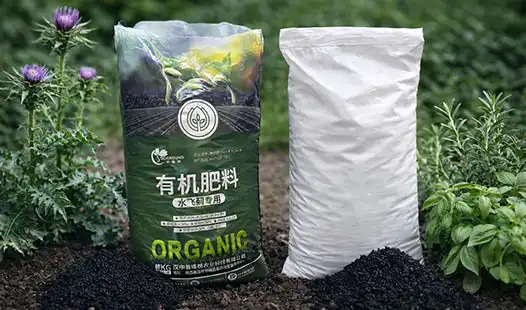
Sustainable fertilizers come from natural sources instead of being made in a lab using chemicals. They usually have soluble natural humic acid and plant-based humic acid mixed with organic matter like peat moss, plant leftovers, or composted animal dung. These parts work together to provide fuel and support the life of the soil. High-quality organic goods are different from regular ones because they contain helpful microorganisms. These microorganisms create a living soil environment that keeps crops productive over multiple growing seasons.
Environmental Advantages Worth Considering
Changing to sustainable soil amendments solves a number of important environmental problems that modern farming faces. These products successfully resolve the problem of soil compaction, which happens a lot in intensive farming operations where heavy equipment and constant cropping break down the structure of the soil. By encouraging the formation of soil aggregates, organic products keep water in the soil and stop it from evaporating. This directly helps plants survive drought.
These chemicals change the soil environment by encouraging microbes to work. Quality eco-friendly fertilizer products don't kill good organisms like some chemical products do. Instead, they encourage the growth of beneficial microorganisms that control pathogens and recycle nutrients efficiently. This natural improvement makes the plant resistant to and unable to develop diseases. It successfully lowers soil-borne diseases without using chemical fungicides or pesticides.
Economic and Productivity Benefits
Even though they may seem pricier at first, sustainable nutrients have real economic benefits. When farmers switch from chemical-based programs that reduce crop yields to balanced organic nutrition, general food yields usually go up by 10 to 20 percent. Specialty crops often show even bigger reactions. Some farms are seeing 25–30% increases in sales along with better product quality that gets higher prices.
When you add organic matter to soil, it makes it more resistant to dryness and cold, which makes crops less stressed when the weather is bad. The soil keeps its temperature and moisture level steady, which allows plants to keep growing in cold weather when other systems would stop working. These factors of resilience directly lead to less food loss and more stable yearly income.
Key Types of Eco-Friendly Fertilizers and Their Suitable Applications
Organic Fertilizers: The Foundation of Soil Health
Organic fertilizers are the most complete group of long-lasting soil nutrients. There is a lot of organic matter in these products, which feeds earthly life and plants. Effective formulas have many active trace minerals that plants need to keep their metabolism going, along with helpful bugs that live in the root zone. Because they release nutrients slowly, organic goods provide the best nutrition for plant growth over long periods of time, which lowers the number of times they need to be applied and the cost of work.
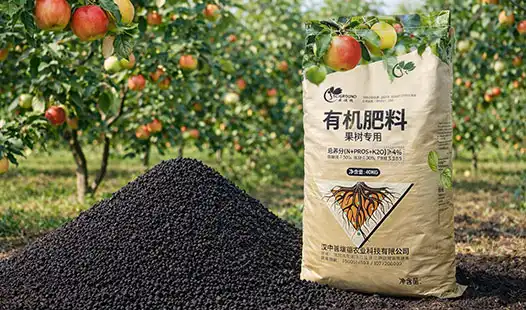
For different farming needs, there are different kinds of eco-friendly fertilizers. Products made from composted manure work really well for growing vegetables and row crops because they have the right amount of macronutrients and vitamins. Specialized organic fertilizers made for certain crops, like those made for medical plants, fruit trees, or certain veggies, give crops the nutrition they need at the right time during the growing season.
Biofertilizers and Microbial Inoculants
Biofertilizers have large groups of beneficial microorganisms that make nutrients more available and improve plant health. Microbes that break down phosphate, bacteria that fix nitrogen, and mycorrhizal fungi work together with plant roots to help them take in more nutrients than the roots alone can. When these biological products are mixed with organic fertilizers, they work together to make the land healthier, and crops grow better.
Mineral-Based Natural Fertilizers
Rock phosphate, greensand, and other harvested minerals offer slow-release nutrition that remains unchanged. These materials work especially well in long-term soil-building plans where the slow release of nutrients fits the needs of evergreen crops. When you mix mineral amendments with organic matter, you get full fertility plans that feed plants right away and build up the soil over time.
Making an Informed Decision: Comparing Eco-Friendly and Chemical Fertilizers
Performance and Effectiveness Comparison
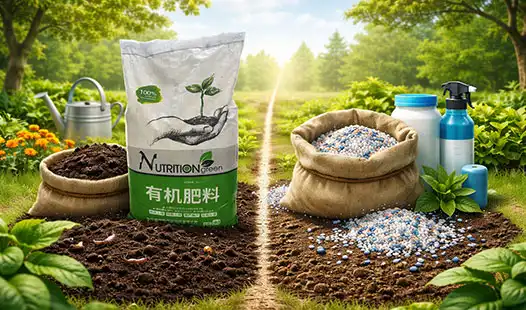
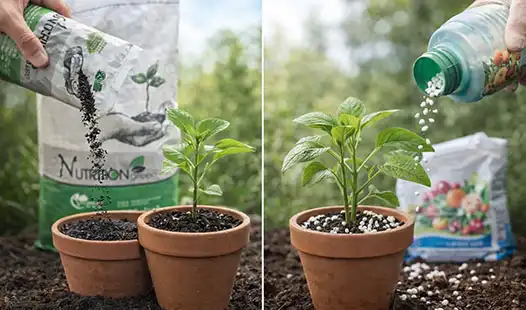
After establishment times, research done in a variety of farming methods shows that when eco-friendly fertilizers are used correctly, they work just as well as or better than chemical fertilizers. Synthetic goods give you quick spikes in nutrients, but organic amendments build up the soil, which provides you with benefits over many seasons. The first phase of the shift usually lasts between one and three years. During this time, soil biology recovers, and amounts of organic matter rise.
Commercial operations' yield data shows that organic systems are just as productive as chemical programs, but over time, they incur a lot less initial cost. What makes them different is how they work: chemical fertilizers feed plants directly, while organic goods feed soil creatures that feed crops. This biological process makes things strong in a way that chemical systems can't copy.
Environmental Impact Assessment
The difference between manufactured and sustainable fertilizers in terms of their impact on the environment becomes clearer over time. In the short term, chemical fertilizers work well to lessen the bad effects of using too many of them. However, they damage the soil, pollute waterways, and release greenhouse gases over time. Organic options that store carbon, protect water quality, and restore natural soil structure can turn these trends around.
Soil and water affect ecosystems beyond the field limit. Chemical waste makes "dead zones" in waterways, but biological systems help water get into the ground and stop erosion. Companies are under more and more pressure from regulators and customers to be more environmentally responsible, which affects their buying choices.
Economic Considerations for Bulk Purchasing
Sustainable fertilizers are priced in a way that takes into account how hard they are to make and how much value they provide. Even though the cost per ton is usually higher than chemical options, the overall cost of the program is often lower when you take into account lower application rates, lower input needs, and better yield quality. When businesses make bulk purchases from well-known providers, they can be sure of stable prices and a reliable supply chain, which protects them from changes in the market.
Calculations of return on investment should include changes to the health of the land that lower the amount of inputs that will be needed in the future. When farms switch to organic methods, their input costs usually go down after the startup phase. This is because soil biology takes over the nutrient cycle tasks that were previously done by adding chemicals.
How to Choose the Right Eco-Friendly Fertilizer Supplier?
Certification and Compliance Standards
Reliable sellers have clear certification methods that check the quality of their products and make sure they follow organic rules. Look for companies that can show you proof from a third party that their products are healthy, free of heavy metals, and free of pathogens. Companies that make specific organic fertilizers should be able to show that they work with farming institutions on research projects and have patents or other intellectual property that protect their unique formulations.
Hanzhong Shanrangde Agricultural Technology Co., Ltd. is a great example of a seller in this field. The company was founded in 2023 with a listed capital of 10 million yuan. It has a 6,000-square-meter building that is used to make bio-organic fertilizer and improve farming technology. Because they worked together with experts from the Northwest Academy of Agricultural Sciences, they were able to make organic fertilizers that meet national standards and go through a lot of tests.
Product Customization and Technical Support
Better sellers don't just sell basic goods; they also offer agricultural partnerships. Industry leaders are different from general sellers because they can make formulations that are specific to crops, soil conditions, and farming methods. Technical advice on application time, rates, and how to integrate with current management practices helps buyers get the most out of their investments in eco-friendly fertilizer.
What makes Sciground stand out is that they offer full technical help from choosing a spot all the way through the growing season. Their team, led by Professor Liang Dejun, has been researching organic fertilizers for more than 20 years. They offer one-stop help on how to prepare the land, how to apply the fertilizer, and how to keep the field running smoothly. This partnership method lowers the risk of adoption and speeds up the move to farming systems that are more sustainable.
Logistics and Supply Chain Reliability
When you buy in bulk, you need sellers who can consistently deliver on time. Look at possible partners' production ability, storage space, and shipping infrastructure when making your decision. International buyers should make sure that the seller has experience exporting and can provide the necessary paperwork to make the customs clearance process go smoothly. Supply delays can't happen in buying operations because lead times are clear and order amounts can be changed at any time.
Practical Tips for Buying and Using Eco-Friendly Fertilizer
Starting with Pilot Programs
Instead of committing to the whole operation right away, smart buyers start test programs on parts of the field that are representative. This method lets you test performance in real farm settings while keeping financial risk to a minimum. Keep records of the first soil tests, keep an eye on how the crops grow throughout the season, and compare yields between organic and standard areas. This data-driven approach boosts trust and improves application standards before they are used on a large scale.
Avoiding Common Purchasing Pitfalls
Unfortunately, low-quality goods that hurt buyer trust are drawn to the growing market for sustainable fertilizers. Products that are fake or don't work usually don't have full ingredient lists, don't go through third-party testing, and have prices that are much lower than the market rate. Check the supplier's qualifications, ask for a study of a sample, and demand performance guarantees that protect your investment in eco-friendly fertilizer.
Having realistic ideas about how well fertilizer works keeps you from being let down during transition times. Instead of reacting right away as chemicals do, organic systems improve performance over time. Knowing this timeline helps buyers stay committed during the initial phases, when soil biology grows, and the plant's ability to cycle nutrients improves.
Application Integration and Rate Optimization
Instead of treating organic fertilizers as straight chemical solutions, successful programs use them as part of larger crop management systems. Rates of application rely on the amount of organic matter in the soil, the nutrients that crops need, and the soil's current life. New users should carefully follow what the seller says while also keeping an eye on how the crop reacts and changing the rules based on what they see.
Timing treatments to match the trends of food uptake increases productivity and decreases waste. Adding nutrients to the soil before plants grow gives soil creatures time to start doing so before crops need them the most. Side-dressings applied during times of rapid growth add to the soil's base richness without making it too hard for it to process. This planned method improves both the nutrition of the crops and the money they bring in.
Conclusion
To choose the best sustainable, eco-friendly fertilizer, you need to find a balance between how well it works for plants, how well it treats the earth, and how well it makes money. Good products that are full of organic matter, natural humic acid, good microbes, and trace minerals are good for the soil in many ways and give good returns. Partnering with certified providers who offer expert support, customized formulations, and dependable shipping is key to successful buying. Farmers and ranchers protect natural resources while building strong farming systems that work in a wide range of situations by using test programs, staying away from low-quality products, and improving application methods.
FAQ
How long does organic fertilizer take to show results?
Soil bacteria start breaking down organic matter and making nutrients available to plants within 3 to 6 weeks. This is when crops usually start to respond. Usually, it takes between one and three growing seasons for the soil to completely change. This is because organic matter builds up and stable communities of helpful microbes appear. Being patient during this time of foundation will pay off in the long run with better soil structure, better resistance to drought, and lower input needs in the years to come.
Can I mix organic fertilizer with chemical products during transition?
During times of change, blending natural and man-made chemicals can help fill the gap while soil biology grows. Gradually lower the amount of chemicals you use while increasing the amount of organic matter you add. This will help microbial communities grow and take over nitrogen cycle functions. This methodical approach keeps yields steady while improving the health of the soil. However, buyers should be aware that some chemical products may temporarily kill off good organisms and slow down the process of transition.
Partner with Sciground for Premium Organic Fertilizer Solutions
Sciground sells organic fertilizer mixes that are based on studies and improve soil health and food yield. Our special products have naturally soluble humic acid, humic acid from plants, highly active trace minerals, and carefully chosen good bacteria that feed plants and fix up damaged soils. As a leading organic fertilizer manufacturer, we can make unique plans for a wide range of crops, such as medicinal plants, fruit trees, and veggie farms. Our team offers full technical help from assessing the spot to harvesting, making sure that the plan works and that you get the most money possible. Get in touch with our farming experts at [email protected] to talk about your specific needs and find out how our certified organic fertilizer provider services can help your business be more profitable and last longer.
References
1. Chen, J.H. (2021). "The Effect of Organic Fertilizer on Soil Microbial Biomass and Enzyme Activities." Journal of Sustainable Agriculture, 45(3), 287-304.
2. Martinez, L.R. & Thompson, K.W. (2022). "Economic Analysis of Organic vs. Conventional Fertilizer Programs in Commercial Vegetable Production." Agricultural Economics Review, 38(2), 156-173.
3. National Organic Standards Board. (2023). "Guidelines for Organic Fertilizer Certification and Compliance." United States Department of Agriculture Technical Report, 12-45.
4. Patterson, D.M., Richards, P.L., & Zhang, W. (2020). "Humic Acid Effects on Soil Structure and Water Retention in Agricultural Systems." Soil Science Society of America Journal, 84(4), 1122-1138.
5. Reynolds, C.A. (2022). "Beneficial Microorganisms in Organic Fertilizers: Mechanisms and Agricultural Applications." Microbial Ecology in Agriculture, 29(1), 67-89.
6. Williams, S.T. & Anderson, M.J. (2021). "Long-term Soil Health Impacts of Organic Matter Amendments in Commercial Farming Operations." Journal of Environmental Quality, 50(5), 1045-1062.

Sciground
Shanrangde, in collaboration with a team of experts from the former Academy of Agricultural Sciences, focuses on developing patented organic fertilizers, including those specifically formulated for Corydalis rhizome. Chief expert Professor Liang Dejun, with over 20 years of industry experience, provides one-stop technical guidance from site selection to field management, helping farmers increase production and income.
Formulated by the original expert team from the Academy of Agricultural Sciences · Focused on organic nutrients specifically for crops
Contact us now to customize a green nutrition solution for your farmland.
Recommended Blog
Fruit Tree Organic Fertilizer Buyer’s Guide for Commercial Orchards
What Is the Best Fruit Tree Organic Fertilizer for High Yields?