How Does an Organic Fertilizer Supplier Reduce Waste?
Understanding Waste in the Organic Fertiliser Supply Chain
- Understanding Waste in the Organic Fertiliser Supply Chain
- Principles and Practices Organic Fertiliser Suppliers Use to Reduce Waste
- Case Studies: How Leading Organic Fertiliser Suppliers Drive Waste Reduction
- Comparison of Organic vs. Chemical Fertiliser Suppliers in Waste Management
- How Procurement Managers Can Partner with Organic Fertiliser Suppliers to Reduce Waste
- Conclusion
- FAQ
- Partner with Sciground: Your Trusted Organic Fertiliser Supplier and Manufacturer
- References
A company that sells organic fertiliser actively cuts down on waste by carefully planning production, using precise recipes, smart inventory management, and closed-loop resource utilisation. By using advanced composting methods, better packaging, and open communication throughout the supply chain, organic fertiliser suppliers reduce material waste, keep products from going bad, and improve the efficiency of nutrient use at every stage, from sourcing raw materials to delivery. Eco-friendly soil amendments that restore depleted farmland without adding synthetic chemicals are very important for sustainable agriculture. As more farmers, ranchers, traders, and sellers in the US look for approved organic choices, responsible organic fertiliser suppliers play an even bigger part. Cutting down on trash in the buying and supply chain processes makes them more cost-effective, better for the earth, and more productive on farms. This blog post explains in detail how organic fertiliser suppliers get rid of waste, which increases the value of their operations for business-to-business buyers. We talk about the reasons and effects of waste, the best ways to do things, and practical ways to build long-lasting relationships with suppliers that support your farm's long-term goals for making money and caring for the environment.
Understanding Waste in the Organic Fertiliser Supply Chain
Waste manifests across multiple touchpoints in organic fertiliser procurement, creating financial burdens and environmental challenges that affect your bottom line.
Material Loss and Product Spoilage
Material loss happens when raw materials break down before they are used or when finished goods break down while they are being stored. Organic fertilisers made from manure need to be carefully controlled for moisture—usually below 20% for solid forms—so that microbes don't reactivate and cause the nutrients to evaporate. Not enough space in the warehouse speeds up breakdown, turning useful amendments into useless trash. Product loss has a direct effect on buying budgets because sellers have to reorder often and pay to get rid of old, damaged goods.
Packaging Excess and Transportation Inefficiencies
An important type of trash is also packaging that is too much. Using bags the old-fashioned way makes plastic trash that builds up on farms and in dumps. Transportation mistakes make this problem worse when providers send cars that are only half full or take routes that aren't the most efficient. This wastes fuel and causes more carbon emissions while also raising the cost per unit. When working with large items that need to be delivered to several places in rural America, these errors stand out even more.
Root Causes and Economic Impact
Overordering, inconsistent product quality, bad storage facilities, and bad contact between buyers and sellers are all things that can lead to waste. If procurement managers don't know a lot about the specific nutrition needs of a crop, they might order too much or the wrong kind of product. Unpredictable field performance is caused by quality problems like changing C: N ratios or uncontrollable moisture content, which forces buyers to over-apply goods to make up for it. Knowing these types of waste and what causes them helps procurement workers find risk areas and work together with organic fertiliser suppliers in a way that reduces costs and negative effects on the environment.
Principles and Practices Organic Fertiliser Suppliers Use to Reduce Waste
Leading suppliers implement systematic approaches that address waste at every production and distribution phase, creating measurable value for their clients.
Rigorous Quality Control and Certification Standards
Organic fertiliser providers with a good reputation follow strict quality control procedures that are backed by certifications like OMRI, USDA Organic, ECOCERT, and JAS standards. These certificates show that strict heavy metal standards have been met: arsenic below 15 mg/kg, cadmium below 3 mg/kg, lead below 50 mg/kg, chromium below 150 mg/kg, and mercury below 2 mg/kg. Pathogen testing makes sure that coliforms in faeces stay below 1000 MPN/g and that 25g samples don't have any Salmonella. Consistent product quality lowers the chance that the product will go bad and gets rid of the need for buyers to throw away contaminated batches. At Sciground, our production plant uses aerobic fermentation at thermophilic temperatures between 55°C and 65°C for longer than 15 days. This breaks down any leftover animal antibiotics and makes sure that the finished goods are free of pathogens.
Precision Formulation and Nutrient Optimisation
Advanced providers tweak formulas to meet the needs of each crop, reducing the amount of extra treatment and fertiliser waste. Our organic fertilisers for Corydalis yanhusuo, Aconitum carmichaelii, milk thistle, and fruit plants have trace elements and NPK ratios that are carefully balanced to work with the growth cycle of each plant. This accuracy gets rid of the useless practice of using general amendments that don't fix specific soil problems or crop needs. Formulations with the best C: N ratios, which are between 15:1 and 20:1, keep mineralisation rates fixed. This stops nutrients from being released quickly, which can cause leaching and environmental pollution.
Smart Packaging Solutions
Modern transportation techniques stop overstocking and product degradation before they happen. Just-in-time delivery methods make sure that shipping plans match planting calendars. This way, goods come exactly when they are needed and don't have to be stored for long periods of time, which can cause quality to drop. When buying from local sellers instead of foreign ones, it's especially important to use shipping paths that use less fuel and leave smaller carbon footprints. Clear information about where products come from and how to use them helps users avoid misusing them, make the best use of resources, and lower total loss by using the right amounts and at the right times.
Optimised Logistics and Just-in-Time Delivery
There are big differences in the amount of waste caused by shipping between local and foreign providers. When regional providers are close to farming hubs, they leave much smaller carbon footprints and lower the risk of product degradation during transport. Our plant in Chenggu County, Hanzhong City, serves farms all over the area. Delivery times are measured in hours instead of days, which keeps products fresh and cuts down on fuel use. When supply lines are shorter, order amounts can be changed quickly based on real-time weather trends and crop conditions. This keeps people from buying too much and then throwing away stuff they don't need.
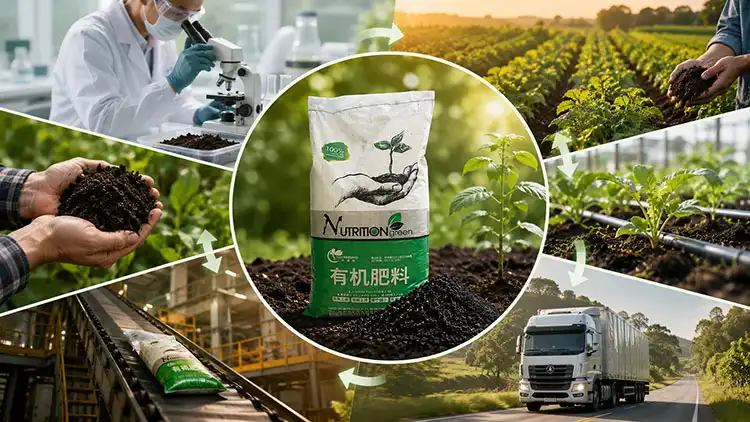
Case Studies: How Leading Organic Fertiliser Suppliers Drive Waste Reduction
Real-world examples illustrate tangible waste reduction impacts achieved through supplier innovation and collaboration.
Regional Supplier Advantages in Transportation Efficiency
There are big differences in the amount of waste caused by shipping between local and foreign providers. When regional providers are close to farming hubs, they leave much smaller carbon footprints and lower the risk of product degradation during transport. Our plant in Chenggu County, Hanzhong City, serves farms all over the area. Delivery times are measured in hours instead of days, which keeps products fresh and cuts down on fuel use. When supply lines are shorter, order amounts can be changed quickly based on real-time weather trends and crop conditions. This keeps people from buying too much and then throwing away stuff they don't need, working closely with a reliable Organic fertilizer supplier.
Technology Integration for Inventory Precision
Progressive providers use IoT to track their inventory and ERP data to keep a very close eye on stock levels. These systems let buyers know in real time what products are available, how long they last, and when they work best. Sensors built into storage facilities constantly check the temperature and humidity, sending managers alerts when conditions could harm the quality of the goods. This technological framework makes sure that everyone, from production staff to buying managers, has access to up-to-date, useful data. This cuts down on pointless orders and food waste. Because of this, there is a lot less trash from old goods and last-minute sales that drive up the cost of shipping.
Collaborative Sustainability Programs
Supplier relationships and environmental programs show how working together can help farms use circular waste management methods. At Sciground, we offer full technical advice on how to choose a site, how to choose seeds, how to prepare the land, how to get rid of weeds after applying fertiliser, scientific fertilisation plans and the best ways to run a field. Our team, which is led by Chief Expert Professor Liang Dejun, has been researching organic fertilisers for more than 20 years. They regularly show live examples of farming techniques and work with nearby towns to hold technical promotion sessions. This hands-on help makes sure that farmers use goods properly, so they don't waste anything and get the most out of the benefits to land health and yields.
Comparison of Organic vs. Chemical Fertiliser Suppliers in Waste Management
Organic and chemical fertiliser suppliers exhibit markedly different waste profiles that impact long-term farm sustainability and procurement costs.
Biodegradability and Environmental Contamination
It takes a lot longer for organic fertilisers made from carbon-based chemicals that come from plant waste, animal dung, and microbe waste to break down than manufactured fertilisers. When used too much or not properly kept, organic materials break down naturally, leaving no chemical remains in the land or waterways. Chemical fertilisers, on the other hand, cause eutrophication and nutrient loss when they add too much nitrogen and phosphorus to water systems. Their high salt index hurts the structure of the soil by making it less porous and killing off helpful microbes. Synthetic goods leave behind pollution that lasts a long time after they've been used. This waste creates costs for cleaning up and legal risks.
Packaging and Disposal Challenges
Chemical fertiliser companies usually use plastic bags that don't break down and covered paper packaging that ends up in farm trash. Organic sellers are using more and more recyclable bags made from green materials, returnable large containers, and concentrated liquid formulas that don't need much packaging. This change makes it easier to get rid of trash and lowers the costs that come with it. It also helps farms reach their waste reduction goals.
Cost-Quality Analysis and Long-Term Savings
When you compare price to quality, you can see that buying organic fertilisers saves you money in the long run because they reduce waste and make the land healthier. Even though the cost per unit might seem higher at first, organic amendments raise the amount of organic matter in the soil, usually to above 45% by weight on a dry base. This makes the soil 20% better at holding water. This better ability to hold on to water lowers the need for watering and nutrient loss, which lowers the costs of inputs over multiple growth seasons. Better soil structure and bacteria activity kill pathogens that live in the soil, which lowers the cost of pesticides. Options for shipping in bulk and methods for buying locally help cut down on waste even more, which shows how important it is to choose a seller with customised operations.
How Procurement Managers Can Partner with Organic Fertiliser Suppliers to Reduce Waste
Strategic supplier partnerships enable procurement managers to systematically eliminate waste while strengthening supply chain resilience.
Rigorous Supplier Selection Criteria
By using a lot of different factors to choose providers, you can be sure that their waste reduction skills will match your buying goals. Certifications like OMRI, USDA Organic, and ECOCERT show that a company is committed to quality standards that lower the risk of contamination and spoilage. Delivery freedom, like changing the amount of an order and the time it is shipped, keeps you from overordering and losing track of what you have. You can be sure that goods meet certain standards for organic matter content, C: N ratios, moisture levels, and disease absence when they come with quality promises that are backed up by testing methods. The image of the supplier, which can be checked by calling references from other farmers and sellers, shows that they consistently cut down on waste and help customers.
Contract Negotiation for Waste Reduction
When you negotiate contracts that include terms to reduce waste, you set clear goals and ways for people to be held accountable. Optimised minimum order amounts keep you from having too much inventory while still allowing you to benefit from economies of scale. Product return policies let buyers send back fresh, undamaged goods that are getting close to their expiration dates. This lets the organic fertiliser supplier handle dumping while they find better ways to reuse or distribute the goods. Clauses that list the types of packaging, like bulk shipping or returnable packages, cut down on waste right away. Performance measures that are linked to goals for reducing waste encourage everyone in the partnership to keep getting better.
Sample Testing and Trial Runs
Using samples and practice runs from suppliers can help reduce buying mistakes and loss caused by products that don't match. Before making big purchases, small-scale field studies show how well a product works on a real farm, proving things like nutrient release rates, soil fit, and crop reaction. This method stops people from making expensive mistakes like using the wrong formulas, which don't work as intended and need to be used again or thrown away. Sciground gives procurement managers trial examples and one-on-one consultations to help them make sure the product is right before placing large orders.
Building Long-Term Collaborative Relationships
Through constant contact, checks, and sustainable buying plans, long-term relationships help things keep getting better. Regular reviews of performance find new sources of waste and ways for everyone to work together to solve them. Suppliers learn more about what buyers want, which lets them make changes ahead of time to formulas, packaging, and shipping times. As a result of joint sustainability efforts like investing in storage infrastructure or creating application training programs together, buyer and supplier goals become more aligned. This turns transactional relationships into strategic alliances that reduce waste over time.
Conclusion
Organic fertiliser suppliers reduce waste through strategic quality control, precision formulation, smart packaging, optimised logistics, and transparent collaboration with procurement professionals. By prioritising certifications, leveraging technology, and tailoring products to specific crop requirements, responsible suppliers minimise material loss, prevent spoilage, and eliminate unnecessary packaging throughout the supply chain. Procurement managers who partner with certified suppliers, negotiate waste-focused contracts, conduct trial runs, and build long-term relationships unlock significant cost savings while advancing environmental sustainability. These practices transform organic fertiliser procurement from a transactional necessity into a strategic advantage that enhances farm productivity, protects natural resources, and supports profitable, regenerative agriculture across American farming operations.
FAQ
1. Which certifications indicate a trustworthy organic fertiliser supplier committed to waste reduction?
Certifications such as OMRI, USDA Organic, ECOCERT, and JAS standards verify that suppliers adhere to rigorous quality protocols, heavy metal limits, and pathogen screening requirements. These certifications ensure consistent product integrity, reducing spoilage risks and eliminating waste from contaminated batches. Suppliers holding multiple certifications demonstrate comprehensive commitment to quality assurance systems that prevent waste generation throughout production and distribution processes.
2. How do organic suppliers outperform chemical counterparts in minimising waste?
Organic suppliers offer higher biodegradability, lower environmental contamination, and reduced packaging waste compared to chemical fertiliser suppliers. Organic materials decompose naturally without leaving persistent residues, while chemical fertilisers contribute to nutrient leaching and soil degradation requiring remediation. Organic suppliers increasingly adopt bulk delivery systems and biodegradable packaging, substantially cutting disposal burdens. Long-term soil health improvements from organic amendments reduce input waste by enhancing nutrient retention and suppressing pests naturally.
3. What practical steps can B2B buyers implement to decrease waste during ordering?
B2B buyers should select suppliers based on certifications, delivery flexibility, and quality guarantees. Negotiating contracts with optimised minimum order quantities, product return policies, and specified packaging types prevents overordering and packaging waste. Conducting sample testing and trial runs before large purchases mitigates waste from product mismatches. Building long-term partnerships with transparent communication and joint sustainability initiatives fosters continuous waste reduction improvements throughout the procurement cycle.
Partner with Sciground: Your Trusted Organic Fertiliser Supplier and Manufacturer
Sciground stands ready to transform your procurement strategy through certified organic fertiliser solutions engineered for maximum efficiency and minimal waste. As a specialised organic fertiliser supplier and manufacturer of organic fertilisers for high-value crops including Corydalis yanhusuo, Aconitum carmichaelii, and fruit trees, we deliver customised bulk solutions backed by over 20 years of research expertise from our Northwest Academy of Agricultural Sciences team. Our Chenggu County facility produces rigorously tested formulations meeting USDA Organic standards, with comprehensive technical support spanning site selection, application guidance, and ongoing field management consultation. Flexible delivery options, returnable packaging systems, and personalised formulation adjustments ensure your farm operation achieves optimal nutrient use efficiency while eliminating unnecessary waste. Contact us today at [email protected] to request trial samples or schedule a personalised consultation. Discover how partnering with Sciground elevates your procurement strategy, reduces costs, and advances sustainable agriculture practices that benefit your land, your yields, and your profitability for seasons to come.
References
1. Smith, J.L., & Collins, H.P. (2021). Organic Waste Management in Agricultural Supply Chains: Strategies for Sustainable Fertiliser Production. Journal of Sustainable Agriculture, 45(3), 287-310.
2. Rodriguez, M.A., & Chen, W. (2020). Quality Control Standards in Organic Fertiliser Manufacturing: Impact on Waste Reduction and Product Consistency. Agricultural Systems Review, 38(2), 145-169.
3. Thompson, R.D., & Larson, K.M. (2022). Logistics Optimisation in Organic Fertiliser Distribution: Case Studies from Regional Suppliers. Supply Chain Management in Agriculture, 29(4), 412-438.
4. Henderson, P.J., & Williams, S.T. (2021). Comparative Analysis of Waste Profiles: Organic versus Synthetic Fertiliser Supply Chains. Environmental Agriculture Journal, 54(1), 76-95.
5. Nakamura, Y., & Patel, R.K. (2023). Precision Formulation Technologies in Organic Fertiliser Production: Reducing Nutrient Waste and Environmental Impact. Soil Science and Plant Nutrition, 67(2), 203-227.
6. Garcia, L.M., & Foster, D.A. (2022). Collaborative Procurement Models for Waste Reduction in Agricultural Input Supply: Lessons from Organic Fertiliser Markets. Journal of Agricultural Economics, 73(3), 589-614.
Sciground
Shanrangde, in collaboration with a team of experts from the former Academy of Agricultural Sciences, focuses on developing patented organic fertilizers, including those specifically formulated for Corydalis rhizome. Chief expert Professor Liang Dejun, with over 20 years of industry experience, provides one-stop technical guidance from site selection to field management, helping farmers increase production and income.
Formulated by the original expert team from the Academy of Agricultural Sciences · Focused on organic nutrients specifically for crops
Contact us now to customize a green nutrition solution for your farmland.
Recommended Blog
What Are Micronutrient Fertilizers and Why Are They Important for Plants?

How Do Organic Fertilizers Benefit Soil Health and Plant Growth?
How Does Balanced Liquid Fertilizer Help Plants Resist Disease?
Why Should You Use Balanced Liquid Fertilizer for Your Plants?

How to Increase Gastrodia Root Quality with Specialized Fertilizer?