Why Is Multi Element Foliar Spraying Fertilizer So Popular Now?
Understanding Multi-Element Foliar Spraying Fertilizer
- Understanding Multi-Element Foliar Spraying Fertilizer
- Why is multi-element foliar spraying fertilizer trending over traditional fertilization?
- Application Best Practices for Maximizing Benefits
- Choosing the Right Multi-Element Foliar Spraying Fertilizer for Your Business Needs
- Cost, Supply, and Procurement Insights for Multi Element Foliar Spraying Fertilizer
- Conclusion
- FAQ
- Partnering with Sciground for Your Multi-Element Foliar Spraying Fertilizer Needs
- References
A lot of people like Multi element Foliar Spraying Fertilizer because it gets nutrients to plants quickly through their leaves instead of having to go through the dirt, which can take longer with traditional feeding. NPK, potassium, zinc, and iron are some of the macro- and micronutrients that are sent straight to biochemical sites by this method. This lets plants move quickly during key stages of growth. Foliar feeding is a quick and easy way to boost crop quality and growth that can't be beat by treatments that go into the soil. It can fix gaps in days instead of weeks, make plants stronger against stress, and raise the quality and output of all crops.
Understanding Multi-Element Foliar Spraying Fertilizer
This new way of feeding plants changes the way we think about what we feed them. Not only do the roots pull nutrients from the earth, but the surfaces of the leaves are also used as a direct means for absorption. The leaves have a lot of tiny holes called stomata that let gases move through, and nutrients come in when the right conditions are met.
What Makes Foliar Fertilizers Different from Soil-Based Products?
Nutrients that are mixed into the soil have to break down, move through the pores, and be taken up by the roots before they can reach the plant's main blood vessels. It takes a long time and often has issues like getting stuck on nutrients, leaks, or pH changes that stop important elements from being released. No matter what the issue is, foliar nutrients can solve it. When nutrients are sprayed on leaves, they get through the surface and stomata. After that, they quickly move into the phloem and are sent to new cells. Five to twenty times faster than when they go through roots, minerals get to where they need to go this way. This speed directly causes crops to grow better at key times, like when they flower or when they fill with grain.
Key Nutrients and Their Roles in Plant Health
There are many things that plants need, and a full Multi element Foliar Spraying Fertilizer has a lot of them. It has macronutrients, secondary nutrients, and trace elements. Nitrogen helps plants make chlorophyll and grow leaves. Phosphorus helps them move energy around and grow roots. Potassium helps them control water and fight off diseases. Calcium and magnesium make cell walls stronger, sulfur helps make proteins, and magnesium holds chlorophyll molecules in place. Some micronutrients that speed up a lot of biological processes are iron, zinc, manganese, copper, boron, and molybdenum. They help enzymes do their job. Any of these deficits can lower yields without being noticed. This is what agronomists call "hidden hunger." Foliar application makes sure plants get the right nutrition even when the soil doesn't let the roots take enough.
How Foliar Absorption Works Compared to Root Uptake
It depends on the temperature, the pH of the soil, the action of bacteria in the soil, and the amount of water in the soil that roots can take in. Roots can't grow in soils that are too cold or too packed down. Iron and phosphorus can't get to the roots in soils that are too acidic or too basic. Foliar feeding works no matter what these things are. Surfactants drop the surface tension of the nutrient solution so that the drops are spread out evenly when they touch the leaf's surface. For the nutrients to get to the apoplast and symplast paths, they have to go through the stomatal holes and layers of wax. These nutrients start to help with breathing, making proteins, and other important tasks within hours. Universities that study agriculture often find that adding micronutrients to the leaves can fix gaps in three to five days, while adding them to the soil can take up to three weeks in the best of cases.
Why is multi-element foliar spraying fertilizer trending over traditional fertilization?
Fertilizing the soil has been done for hundreds of years, but modern gardening has shown that it can only do so much. People who grow plants may not get the most out of them because the dirt changes, the environment is lost, and nutrients aren't available right away. Spraying on the leaves is not a replacement; it is a smart feature that can be used quickly and accurately.
Challenges Facing Traditional Soil Fertilization Methods
Acids in the soil have to go through a lot to reach the roots of plants. When nitrogen is mixed with acidic soil, it forms strong bonds with clay particles and iron or aluminum oxides, which makes it hard to use. When it rains a lot, nitrogen either evaporates into the air or seeps below the root zone. This wastes money and makes groundwater dirty. Potassium fixing happens in some clay-rich soils. This locks this important nutrient in forms that can't be changed. When the climate is stressed, like during a drought, roots don't work as well, which makes uptake even less likely. Changes in the pH of the soil and the bacteria that live in it can also be caused by heavy-base fertilizer. This can cause long-term problems. When plants are pushed to their genetic limits in high-intensity farming methods, these problems get worse. The Earth's health may be at risk.
Rapid Nutrient Uptake and Efficiency Gains
Leaf nutrition really shines when speed is key. When crops need nutrients quickly, like when fruit sets, grains fill up, or plants grow quickly, they need to be able to get them right away. If you use a foliar spray now, it gives plants extra nutrients right when they need them. In university tests on corn, applying nitrogen to the leaves at the flag leaf stage increased the amount of protein in the grain by up to 12 percent compared to groups that were not treated. When citrus farms use zinc overhead sprays, the fruit drops less, and the peels are better. If you just feed the roots, limestone soils can't fix the problems. When you put something on the plant's leaves instead of the soil, most of the material gets into the plant instead of being lost through soil interactions. In general, this means that fewer chemicals are needed. This makes things more efficient, which lowers costs and is better for the environment. This fits with sustainability goals that are becoming more important to both customers and makers.
Supporting Precision Agriculture and Intensive Farming Systems
Precision planting works by taking actions based on data that is updated in real time. This kind does great with fertilizers that you put on the leaves. Fields with nitrogen stress can be found with sensors and drones. This means that variable-rate foliar sprays can fix specific problems without hurting healthy parts too much. When you feed plants on the leaves instead of the roots, you keep the roots from getting sick, too much salt, or not enough air. This is very helpful for greenhouse and hydroponic operations. To keep their crops healthy and in line with license rules, organic farmers like to spray nutrients made from natural ingredients like amino acid complexes or seaweed extract. As farms use new technologies and produce more crops, they need tools that can be quickly and easily changed to handle nutrients. This is why multi-element foliar spraying fertilizer is so common.

Application Best Practices for Maximizing Benefits
Multi element Foliar Spraying Fertilizer works best when they are used in the right place, at the right time, and after the plants have been properly grown. Random use costs money and could hurt crops, but planned use makes the benefits greater.
Timing and Frequency Based on Crop Type and Growth Stage
Foliar treatments need to be different for every type of plant and stage of growth. Boron sprays help plants mate and set fruit before the flowers open. Calcium sprays keep fruits from getting physical problems like bitter pit in apples or blossom-end rot in tomatoes while they are growing. It works well on cereals when the roots get longer and again when the flag leaves come out, making the seeds heavier and higher in protein. During the growing season, foliar feeds may be applied to vegetable plants grown on busy plants every ten to fourteen days. The treatments should happen at the same time that the plants are watered and pests are killed. Putting potassium and magnesium on the leaves of root crops like potatoes helps them get bigger and last longer while the tubers are still growing. You need to know your crop's physiological calendar to get the most out of foliar treatments.
Proper Dilution, Mixing, and Safety Protocols
Getting things ready right saves both the crops and the people who use them. Always follow the decrease rates that are written on the package. Concentrations that are too high can burn the leaves, and concentrations that are too low won't give them enough nutrients. Use clean water that doesn't have a lot of salts to stop rain for it to stop. Some nutrients can mix with hard water to make solid substances that get stuck in nozzles and make the result less useful. Test the blend in a jar to make sure it works with spray fertilizers that contain pesticides or fungicides before adding them to the garden. There are some combos that make the plants less stable or less useful. When the weather is warm and muggy, like early in the morning or late in the afternoon, put it on. This will make the stomata stay open longer, which will help the plant lose less water. Don't use the paint before it rains, so that it doesn't wash off. But good recipes with sticking agents can dry in four to six hours without running. Wear gloves and safety glasses to protect your hands and eyes, and keep things in cool, dry places out of direct sunlight to keep them stable.
Diagnosing Nutrient Deficiencies and Adjusting Formulations
Foliar fertilizer decisions are based on what can be seen. If the leaves are turning yellow between the veins, especially on younger leaves, it means they don't have enough iron or manganese. If your plants don't have enough phosphorus, older leaves may start to turn purple. If the tips of your leaves turn brown, that means they don't have enough potassium. When plants don't have enough nitrogen, they generally grow slowly and turn a pale green color. When plants don't get enough calcium or boron, leaves can become rigid and growth points can die back. After you figure out what's wrong, pick a spray product that has a lot of the mineral that your plant is missing. Tissue testing gives you proof that is based on facts and helps you make precise changes. This way, you don't have to guess and can better target your actions. It is helpful to keep track of what you use, the weather, and how the crops respond so that you can improve your method every season. With this strategic, data-driven way of thinking, you get the most out of your money while taking the least amount of risk.
Choosing the Right Multi-Element Foliar Spraying Fertilizer for Your Business Needs
When picking Multi element Foliar Spraying Fertilizer, you should think about the quality of the mix, the reputation of the seller, and how well it meets the needs of the plant. Being smart about what you buy lowers your risk and raises your chances of success.
Nutrient Composition and Formulation Quality
Not every type of fertilizer for plants works the same. Goods of good quality have fully chelated vitamins in them. This helps them stay steady in the spray tank and moves them faster through the plants. Chelation agents, such as EDTA, amino acids, or sugar alcohols, keep metals from mixing with other ions or settling down. All of the stuff needs to dissolve in water so that the spray equipment doesn't get stuck. The amount of dense stuff should not go above 0.1%. Blends with a pH level between 5.0 and 6.5 help plants absorb nutrients better and have a lower risk of phytotoxicity. The salt index must be low so that the leaves don't get burned when the pesticide is used more than once a season. A lot of high-end items already have cleansers and spreaders built in. This means that they cover better and stay waterproof without the need for extra adjuvants. Read the technical specs carefully, and if you need to, ask a third-party lab to test the product to make sure it works the way you want it to.
Certification, Compliance, and Organic Options
By following the rules, you can keep your business alive and get into new areas. Products that are going to be shipped or sold in organic markets have to meet certain standards before they can be sold. It is important for food safety that the amount of heavy metals stays below the standards set by groups like REACH and OMRI. It is possible to get organic spray fertilizers that are good for plants and are made from natural ingredients like seaweed, fish hydrolysate, or composted plant matter. Most of the time, these things have extra benefits, like plant hormones, amino acids, and good bugs that make plants stronger against illness and stress. Make sure that the company you're buying from has the most recent licenses and can give you research records for each batch that show how many nutrients, heavy metals, and microbes are in it. It's very important to be able to keep track of things and keep records for things like foreign trade and government reports.
Evaluating Supplier Reputation and Support Services
Picking a supplier is more than just picking a good product. It also includes being dependable, getting help from experts, and being able to handle operations. Companies with a good reputation and many years of experience offer tried-and-true recipes and good quality. Check out where they make their products, how they make sure the quality of their goods, and whether they have any study partnerships with farm schools. Reliable companies offer full expert support, which includes farming tips, teaching on how to use the software, and help with fixing issues. Clear information is given, such as safety data sheets, directions on how to use, and test results from the field. Logistics are a big deal when it comes to farming. Make sure your provider can deliver on time, especially when it's time to plant or grow, as delays can hurt results. Your promise terms and help after the sale show that you care about your customers' success. It's safer to buy things when you have long-term relationships with reliable sellers. This will also help your nutrition management plans keep getting better.
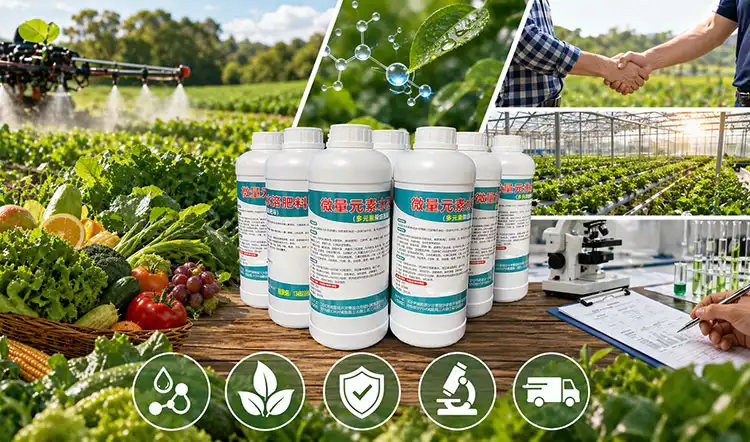
Cost, Supply, and Procurement Insights for Multi Element Foliar Spraying Fertilizer
Costs are important, but so are quality control and how reliable the supply line is. When you buy strategically, you get the most for your money with the least amount of risk.
Price Analysis and Bulk Purchase Advantages
Multi element Foliar Spraying Fertilizer prices change based on how many nutrients it has, how hard it is to make, and how it is packed. When you buy a lot, you save a lot of money. When you order by the box or more, the price per unit is twenty to thirty percent less than when you buy in small amounts. The total cost of landing is affected by the shipping costs, especially for liquids that make the goods heavy. You should find out if powder forms are more useful, even if they cost more per pound. When you look at the total cost of ownership, you should think about how often, how much, and how much the expected yield rises are used. It may be better to buy a slightly more expensive product that works better than a cheaper product that needs to be used more often or at higher rates. Get quotes from a few different providers. Be sure to ask about payment terms, minimum order amounts, and how bulk deals work. Clear pricing makes it easy to plan and builds trust.
Verifying Supplier Authenticity and Avoiding Counterfeits
There are issues in the market for farming feed with fake and poor-quality goods. To keep your company safe, only buy from suppliers that have been checked out and whose lines of supply can be followed. You should ask to see proof of quality certificates, rights to make the product, and check records from a third party. If the supplier is honest, they will be happy to give you records of analysis that are unique to each batch and show that the nutrients are pure and in the right amount. When the price seems too low, the quality has likely gone down, or the goods are fake. Learn about the supplier's sources and what other buyers have said about them. If you can, visit the workshops and pay close attention to how they make things and how they check the quality of their work. Trade groups and industry networks can help you find sellers you can trust and share information about sellers who are giving you trouble. When you do a lot of study ahead of time, mistakes don't cost as much, and the crop does better.
Emerging Trends and Sustainability Considerations
Along with cost and quality criteria, sustainability factors are being used more and more in plans to buy things. People who want to buy things look for sellers who care about the environment and do things like cut down on waste, use energy wisely, and get their raw materials in a responsible way. Some of the new things that are being made are biodegradable surfactants, renewable chelating agents, and recipes that make less trash and have less of an impact on the earth. When you package and ship things, you should think about their carbon footprints. Goods that are packed together and shipped together lessen the pollution caused by shipping. When supply chains are open, buyers can check promises of sustainability and make sure that the things they buy are in line with their goals for corporate social responsibility. Following changes in rules, such as limits on heavy metals or certain chelating agents, helps you prepare for future compliance needs and make smart changes to how you buy things. People who plan and think about sustainability when they buy things get an edge over other buyers and are better able to adapt to changing market standards.
Conclusion
Today, Multi element Foliar Spraying Fertilizer is used in farming because it gives plants nutrition quickly and effectively, which is something that older soil treatments can't do. There are important holes in the supply of nutrients that this method fills. It also gets around problems with the soil and helps with precision farming techniques that increase output. If you want to be successful, you need to understand how foliar absorption works, follow the best methods for your crop, and pick items of good quality from reputable sources. When you buy strategically, you can save money, get good quality, and be good to the world all at the same time. Businesses that are ready to move with the times will be able to benefit from new trends. It's not enough to just take care of the earth; adding nutrients to the leaves of plants is also very helpful and makes them stronger, more responsive, and more valuable. Foliar fertilizers will keep getting more important as farming problems get worse and standards rise. More crops, better quality, and less damage to the environment are all things that growers want. These tools will help them meet those goals.
FAQ
Can Multi-Element Foliar Spraying Fertilizer Be Mixed with Pesticides?
Most of the time, yes, but first, a jar test needs to be done to make sure they work together. In order to stay steady when mixed with common poisons, most multi-element foliar-spraying fertilizer products have pH levels that are just right. Copper fungicides that are very alkaline and herbicides that are sensitive to calcium should not be mixed because they can make them worse or cause them to precipitate. To make sure the goods work with each other, read the labels or call the company that makes them if you're not sure.
What Is the Optimal Time of Day for Application?
You should put fertilizer on the plant's leaves in the early morning or late afternoon, when the humidity is high, and the plant's stomata are open. The strong UV rays and high temperatures make it not a good idea to use in the middle of the day. Droplets can evaporate quickly, and leaves can get burned. That way, it can soak up the most. Try to keep it between 60 and 80 degrees Fahrenheit.
How Does Foliar Feeding Compare to Base Soil Fertilization?
Foliar feeding doesn't take away soil fertilizer; it adds to it. Adding base treatments to the soil helps plants store nutrients and stay healthy over time. Foliar sprays, on the other hand, give plants quick nutritional boosts during important growth stages. Feeding plants through the leaves gets them nutrients five to twenty times faster than feeding them through the soil, which fixes nutrients and leads to leaching losses. You can get the best overall nutrient control and the biggest yield when you use both ways together.
Partnering with Sciground for Your Multi-Element Foliar Spraying Fertilizer Needs
Science Ground, which is run by Hanzhong Shanrangde Agricultural Technology Co., Ltd., has cutting-edge spray nutrition options that really work for farmers, ranchers, and agricultural sellers. Cutting-edge chelation technologies are used to make our Multi element Foliar Spraying Fertilizer. It has been tested a lot to make sure it works with modern tools for application, absorbs quickly, and gives plants the right amount of nutrients. Sciground is a website that blends hard science with real-world training in the field. Together with some of the best agriculture study schools, it was built. The person we trust the most is Professor Liang Dejun. He has been studying and making organic fertilizers for over twenty years. He has led changes to recipes that help farmers solve problems in the real world. Personalized nutrition solutions from our spray fertilizer source improve crop health, make them more resistant to stress, and boost growth potential. This is true whether you are in charge of trees, large-scale grain farms, or intensive greenhouse systems. Contact us at [email protected] to talk about your specific needs and find out how our products and agricultural support can help your company make more money and be more efficient.
References
1. Fernández, V., and Brown, P.H. (2013). Principles and Perspectives of Foliar Fertilization. Acta Horticulturae, 1009, 31-48.
2. Fageria, N.K., Baligar, V.C., and Clark, R.B. (2006). Physiology of Crop Production. CRC Press, Boca Raton, Florida.
3. Marschner, H. (2012). Mineral Nutrition of Higher Plants. Academic Press, London, United Kingdom.
4. Oosterhuis, D.M., Loka, D.A., and Raper, T.B. (2013). Foliar Fertilization with Potassium Nitrate: Physiological Considerations. Better Crops, 97(4), 16-18.
5. Bondada, B.R., Oosterhuis, D.M., Murphy, J.B., and Kim, K.S. (1996). Effect of Foliar Application of Inorganic Nutrients on Cotton Growth, Yield, and Quality. Journal of Plant Nutrition, 19(3-4), 457-468.
6. Romheld, V., and El-Fouly, M.M. (1999). Foliar Nutrient Application: Challenge and Limits in Crop Production. Proceedings of the 2nd International Workshop on Foliar Fertilization, Bangkok, Thailand.

Sciground
Shanrangde, in collaboration with a team of experts from the former Academy of Agricultural Sciences, focuses on developing patented organic fertilizers, including those specifically formulated for Corydalis rhizome. Chief expert Professor Liang Dejun, with over 20 years of industry experience, provides one-stop technical guidance from site selection to field management, helping farmers increase production and income.
Formulated by the original expert team from the Academy of Agricultural Sciences · Focused on organic nutrients specifically for crops
Contact us now to customize a green nutrition solution for your farmland.
Recommended Blog
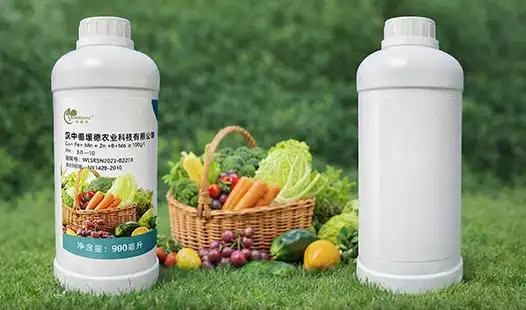
Micronutrient Water-Soluble Fertilizer vs. General Liquid Fertilizer
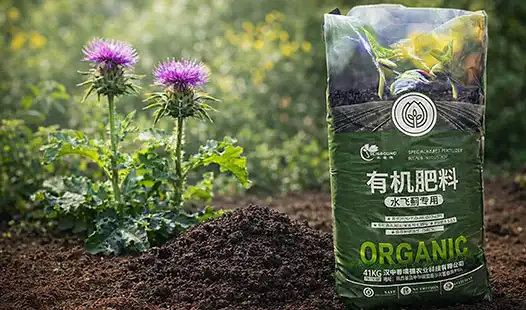
Key Benefits of Silybum marianum Specialized Organic Fertilizer
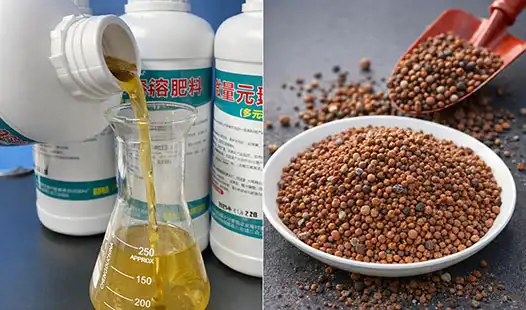
Micronutrient Water-Soluble Fertilizer vs. Granular Fertilizer
Can Fruit Tree Organic Fertilizer Improve Soil Health Long Term?