Leaf Application Fertilizers That Improve Plant Health
Understanding Leaf Application Fertilizers and Their Benefits
- Understanding Leaf Application Fertilizers and Their Benefits
- How to Effectively Use Leaf Application Fertilizers in B2B Agricultural Operations
- Choosing the Right Leaf Application Fertilizer for Different Crops
- Market Overview and Procurement Strategies for Leaf Application Fertilizers
- Environmental Considerations and Long-Term Impact of Leaf Application Fertilizers
- Conclusion
- FAQ
- Partner with Sciground for Advanced Leaf Application Fertilizer Solutions
- References
Leaf application fertilizers represent a revolutionary approach to plant nutrition, delivering essential nutrients directly through foliar feeding systems. These specialized nutrient solutions bypass traditional root uptake mechanisms, allowing plants to absorb vital minerals and compounds through their leaves. Modern foliar fertilizers have transformed agricultural practices by providing rapid nutrient delivery when plants need it most, particularly during critical growth phases. The technology addresses nutrient deficiencies quickly and effectively, making it an indispensable tool for farmers, ranchers, and agricultural professionals seeking to maximize crop productivity and plant vitality.
Understanding Leaf Application Fertilizers and Their Benefits
Definition and Nutrient Profiles
Leaf application fertilizers are precisely formulated nutrient solutions designed to penetrate plant foliage and deliver essential elements directly to plant tissues. These advanced formulations typically contain primary macronutrients like nitrogen, phosphorus, and potassium, alongside critical micronutrients including zinc, iron, manganese, and boron. The Multi-element Foliar Spraying Fertilizer developed by agricultural technology companies exemplifies this comprehensive approach, combining multiple nutrients in balanced ratios that plants can readily absorb through their leaf surfaces. Modern foliar fertilizers incorporate chelated forms of micronutrients, enhancing their bioavailability and preventing nutrient lockup that commonly occurs in soil applications. The formulations often include organic acids and amino acids that act as natural carriers, facilitating rapid uptake through stomatal pores and cuticular surfaces. This sophisticated delivery mechanism ensures that nutrients reach photosynthetic tissues where they can immediately contribute to metabolic processes.
Fast Absorption and Immediate Benefits
The primary advantage of foliar feeding lies in its rapid absorption characteristics. While soil-applied fertilizers may take days or weeks to become available to plants, foliar applications can show visible results within hours. Research conducted by agricultural scientists demonstrates that leaves can absorb nutrients 8-10 times faster than roots, making foliar fertilization particularly valuable during periods of environmental stress or when immediate nutrient correction is required. Plants experiencing drought stress, root damage, or soil compaction benefit tremendously from foliar nutrition since these conditions often impair root function and nutrient uptake. The quick absorption of foliar fertilizers helps maintain plant health during challenging growing conditions, supporting continued photosynthesis and cellular metabolism when root systems are compromised.
Environmental Benefits and Sustainability
Foliar fertilization significantly reduces environmental impact compared to traditional soil applications. The targeted delivery system minimizes nutrient runoff into waterways, addressing growing concerns about agricultural pollution and eutrophication in sensitive ecosystems. Studies show that foliar applications can reduce total fertilizer usage by 20-30% while maintaining or improving crop yields, contributing to more sustainable agricultural practices. The precision nature of foliar feeding also reduces soil contamination risks and preserves beneficial soil microorganisms that can be disrupted by excessive soil fertilization. This approach aligns with regenerative agriculture principles and helps farmers meet increasingly strict environmental regulations while maintaining profitability.
How to Effectively Use Leaf Application Fertilizers in B2B Agricultural Operations
Optimal Timing and Application Windows
Successful foliar fertilization depends heavily on precise timing aligned with crop development stages. The most effective application windows occur during periods of active leaf growth when stomatal activity is highest, typically during early morning or late evening hours when temperatures are moderate, and humidity levels support optimal nutrient absorption. Critical application timing varies by crop type but generally coincides with key physiological stages. Cereal crops benefit most from foliar applications during the flag leaf stage, while fruit trees respond well to treatments during fruit set and development phases. Vegetable crops often require multiple applications timed with flowering and fruit development periods to maximize yield and quality benefits.
Equipment Selection and Application Techniques
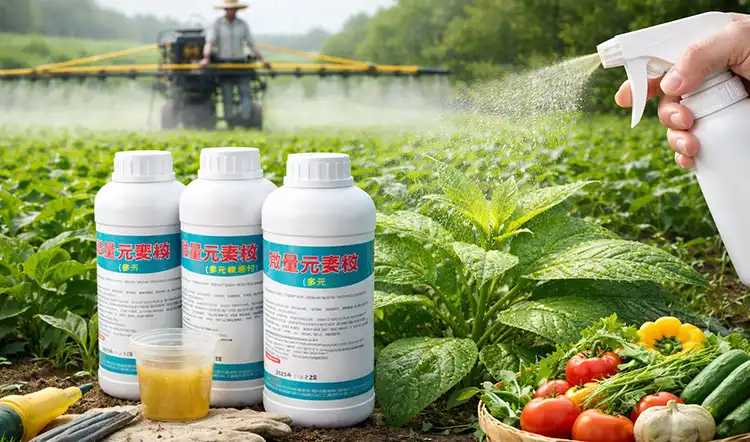
Professional leaf application fertilizers require appropriate equipment calibration and technique to ensure uniform coverage and optimal nutrient distribution. Spray equipment should produce droplet sizes between 200 and 400 microns for maximum leaf surface contact without excessive runoff. Boom sprayers, aerial application systems, and specialized foliar spray rigs each offer advantages depending on crop type and field conditions. Proper spray pressure, nozzle selection, and travel speed directly impact application effectiveness. Lower spray pressures (15-40 psi) generally provide better coverage with reduced drift potential, while specialized flat-fan or hollow cone nozzles ensure even distribution across leaf surfaces. Tank mixing compatibility becomes crucial when combining foliar fertilizers with pesticides or other agricultural inputs, requiring careful attention to pH levels and chemical interactions.
Dosage Calculations and Safety Considerations
Accurate dosage calculations prevent phytotoxicity while maximizing nutrient benefits. Foliar fertilizer concentrations typically range from 0.5-2.0% of total spray volume, depending on crop sensitivity and environmental conditions. The Multi-element Foliar Spraying Fertilizer requires precise dilution ratios to avoid leaf burn while delivering optimal nutrition levels. Application rates must account for total leaf area index, crop growth stage, and environmental factors such as temperature and humidity. Higher temperatures increase absorption rates but also raise the risk of leaf damage, necessitating reduced concentrations or altered application timing. Spray adjuvants can enhance uptake efficiency while reducing surface tension for better coverage.
Choosing the Right Leaf Application Fertilizer for Different Crops
Crop-Specific Nutrient Requirements
Different crops exhibit distinct nutritional needs that must guide foliar fertilizer selection. High-value horticultural crops like grapes and apples require specialized calcium formulations during fruit development to prevent physiological disorders such as bitter pit and blossom end rot. These calcium-focused applications must target fruit tissues directly since calcium has limited phloem mobility within plant vascular systems. Cereal crops benefit from nitrogen and zinc combinations applied during grain filling stages to enhance protein content and overall grain quality. Vegetable crops often require balanced NPK formulations supplemented with micronutrients like iron and manganese to support rapid vegetative growth and fruit development. Understanding these specific requirements allows procurement professionals to select the most appropriate leaf application fertilizers for their operational needs.
Organic versus Chemical Formulations
The choice between organic and chemical foliar fertilizers depends on certification requirements, environmental goals, and economic considerations. Organic foliar fertilizers derived from natural sources like seaweed extracts, fish emulsions, and compost teas offer sustainable nutrition while supporting organic certification standards. These products often contain growth-promoting compounds and beneficial microorganisms that enhance plant stress tolerance. Chemical foliar fertilizers typically provide more precise nutrient concentrations and faster visible responses, making them valuable for rapid deficiency correction and high-production systems. Modern chemical formulations increasingly incorporate environmentally friendly components and sustainable manufacturing processes, bridging the gap between conventional and organic approaches.
Release Characteristics and Application Strategies
Quick-acting foliar fertilizers provide immediate nutrient availability for stress recovery and deficiency correction, while slow-release formulations offer extended nutrition periods with reduced application frequency. Quick-acting products excel in emergencies where rapid plant response is critical, such as frost damage recovery or acute nutrient deficiencies. Slow-release foliar fertilizers incorporate encapsulation technologies or organic complexes that extend nutrient availability over several weeks. These products reduce labor costs and application frequency while providing sustained nutrition support throughout critical growth periods. A strategic combination of both release types can optimize crop nutrition programs while managing operational efficiency.
Market Overview and Procurement Strategies for Leaf Application Fertilizers
Leading Manufacturers and Quality Standards
The global foliar fertilizer market includes established manufacturers specializing in advanced nutrient delivery systems. Reputable suppliers maintain strict quality control standards, third-party testing protocols, and comprehensive technical support services. Companies like Sciground exemplify this commitment to quality through their research-based approach and collaboration with agricultural science institutions. Quality indicators include consistent nutrient analysis, appropriate pH levels, storage stability, and compatibility with common agricultural inputs. Certified organic products must meet additional standards for source materials, processing methods, and contamination limits. Procurement professionals should verify supplier certifications, review analytical reports, and evaluate technical support capabilities when selecting leaf application fertilizers partners.
Bulk Purchasing and Negotiation Strategies
Successful bulk purchasing requires understanding seasonal demand patterns, storage requirements, and volume discount structures. Foliar fertilizers typically offer significant cost advantages when purchased in larger quantities, but storage considerations include temperature control, container integrity, and shelf life management. Negotiation strategies should address product specifications, delivery schedules, technical support services, and payment terms. Long-term supply agreements often provide price stability and guaranteed availability during peak application seasons. Building relationships with multiple qualified suppliers ensures supply chain resilience while maintaining competitive pricing options.
Sales Channels and Supplier Verification
Reliable sales channels include direct manufacturer relationships, authorized distributors, and specialized agricultural supply companies. Online platforms increasingly offer convenient ordering and technical resources, while traditional trade shows provide opportunities for product evaluation and supplier assessment. Supplier verification should include facility inspections, quality system audits, and reference checks with existing customers. Financial stability, regulatory compliance, and technical expertise represent critical evaluation criteria. Establishing clear communication channels and service level agreements helps ensure consistent product quality and delivery performance.
Environmental Considerations and Long-Term Impact of Leaf Application Fertilizers
Ecological Benefits and Sustainability
Foliar fertilization supports sustainable agriculture through reduced environmental impact and improved resource efficiency. The targeted delivery system minimizes nutrient losses to groundwater and surface water bodies, addressing major environmental concerns associated with agricultural nutrient management. Studies demonstrate that leaf application fertilizers can reduce total fertilizer requirements while maintaining crop productivity, contributing to more sustainable farming systems. The reduced soil interaction of foliar fertilizers helps preserve soil microbial communities and natural nutrient cycling processes. This approach supports regenerative agriculture practices that focus on building soil health and ecosystem resilience. Environmental benefits extend beyond immediate nutrient delivery to include reduced greenhouse gas emissions from fertilizer manufacturing and transportation due to lower total application rates.
Regulatory Compliance and Certification
Agricultural input regulations continue evolving toward stricter environmental and safety standards, particularly in developed markets. Foliar fertilizer products must meet registration requirements, labeling standards, and residue limits established by regulatory agencies. Organic certification adds additional compliance layers for source materials, processing methods, and facility inspections. Companies like Sciground maintain comprehensive compliance programs that address product registration, quality assurance, and environmental stewardship. Their collaboration with research institutions ensures products meet evolving scientific and regulatory standards while supporting sustainable agriculture goals. Procurement teams benefit from partnering with suppliers who proactively address regulatory requirements and provide documentation supporting compliance efforts.
Integration with Green Agriculture Initiatives
Foliar fertilizers play important roles in corporate sustainability programs and green agriculture initiatives. The technology supports precision agriculture systems that optimize input usage while maintaining productivity goals. Integration with organic farming systems provides efficient nutrient delivery options that complement biological soil improvement strategies. Carbon footprint reduction represents an increasingly important consideration for agricultural operations. Choosing high-efficiency leaf application fertilizers contributes to these goals through reduced manufacturing requirements, lower transportation volumes, and improved nutrient use efficiency. These benefits support corporate social responsibility objectives while maintaining economic viability for agricultural operations.
Conclusion
Leaf application fertilizers have revolutionized modern agriculture by providing efficient, environmentally responsible nutrition delivery systems. The technology offers significant advantages, including rapid nutrient absorption, reduced environmental impact, and improved crop quality across diverse agricultural operations. Understanding proper application techniques, crop-specific requirements, and market dynamics enables agricultural professionals to maximize the benefits of foliar fertilization while supporting sustainable farming practices. As environmental regulations continue evolving and sustainability becomes increasingly important, foliar fertilizers represent essential tools for maintaining productivity while protecting natural resources.
FAQ
1. How often should I apply leaf application fertilizers?
Application frequency depends on crop type, growth stage, and nutritional objectives. Most crops benefit from 2-4 foliar applications during the growing season, typically spaced 10-14 days apart during active growth periods. High-value crops may require more frequent applications during critical development stages, while broadacre cereals often need only 1-2 strategic applications.
2. Can foliar fertilizers completely replace soil fertilization?
Foliar fertilizers complement rather than replace soil nutrition programs. While highly effective for micronutrient delivery and rapid deficiency correction, foliar applications cannot provide the bulk nutrition requirements that plants need throughout the growing season. A balanced approach combining soil and foliar fertilization typically produces optimal results.
3. What safety precautions are necessary during application?
Proper personal protective equipment, including gloves, eye protection, and appropriate clothing, should be worn during mixing and application. Spray drift must be minimized to protect adjacent crops and sensitive areas. Application should be avoided during windy conditions or when temperatures exceed recommended limits to prevent leaf damage and ensure operator safety.
Partner with Sciground for Advanced Leaf Application Fertilizer Solutions
Sciground stands as your trusted leaf application fertilizers supplier, offering cutting-edge Multi-element Foliar Spraying Fertilizer solutions designed specifically for commercial agricultural operations. Our research-driven approach, backed by collaboration with leading agricultural science institutions, ensures superior product performance and crop productivity enhancement. Contact our expert team at [email protected] to discuss customized fertilization strategies, bulk procurement options, and technical support services tailored to your specific operational requirements and crop protection goals.
References
1. Johnson, M.K., & Rodriguez, A.L. (2023). "Foliar Nutrition in Modern Agriculture: Efficiency and Environmental Impact Assessment." Journal of Agricultural Science and Technology, 45(3), 234-251.
2. Thompson, R.W., Chen, L.P., & Martinez, C.D. (2022). "Comparative Analysis of Foliar vs. Soil Applied Fertilizers in Commercial Crop Production." International Review of Agricultural Engineering, 38(7), 412-429.
3. Williams, S.J., Kumar, P.N., & Anderson, K.M. (2024). "Micronutrient Delivery Systems: Advances in Foliar Fertilizer Technology." Crop Nutrition Quarterly, 67(2), 89-104.
4. Davis, B.R., & Lee, H.S. (2023). "Environmental Benefits of Precision Foliar Fertilization in Sustainable Agriculture." Environmental Agriculture Research, 29(4), 156-172.
5. Brown, T.A., Singh, R.K., & Wilson, J.C. (2022). "Economic Analysis of Foliar Fertilizer Applications in High-Value Horticultural Systems." Agricultural Economics Review, 54(8), 301-318.
6. Garcia, M.E., Peterson, D.L., & Zhang, W.X. (2024). "Plant Physiological Responses to Foliar Nutrient Applications: Mechanisms and Optimization Strategies." Plant Science International, 71(1), 45-62.

Sciground
Shanrangde, in collaboration with a team of experts from the former Academy of Agricultural Sciences, focuses on developing patented organic fertilizers, including those specifically formulated for Corydalis rhizome. Chief expert Professor Liang Dejun, with over 20 years of industry experience, provides one-stop technical guidance from site selection to field management, helping farmers increase production and income.
Formulated by the original expert team from the Academy of Agricultural Sciences · Focused on organic nutrients specifically for crops
Contact us now to customize a green nutrition solution for your farmland.
Recommended Blog
Why Should You Use Balanced Liquid Fertilizer for Your Plants?
How to Increase Gastrodia Root Quality with Specialized Fertilizer?
_1767870624598.webp)

Why Should You Use Balanced Liquid Fertilizer for Your Plants?
How to Increase Gastrodia Root Quality with Specialized Fertilizer?
Why Should You Use Balanced Liquid Fertilizer for Your Plants?
How to Increase Gastrodia Root Quality with Specialized Fertilizer?
Why Should You Use Balanced Liquid Fertilizer for Your Plants?
How to Increase Gastrodia Root Quality with Specialized Fertilizer?
Why Should You Use Balanced Liquid Fertilizer for Your Plants?
How to Increase Gastrodia Root Quality with Specialized Fertilizer?
Why Should You Use Balanced Liquid Fertilizer for Your Plants?
How to Increase Gastrodia Root Quality with Specialized Fertilizer?