Organic fertilizer supplier Guide for High-Efficiency Soil Nutrition
Understanding Organic Fertilizer Suppliers and Their Role in Soil Nutrition
- Understanding Organic Fertilizer Suppliers and Their Role in Soil Nutrition
- Types of Organic Fertilizers and Production Methods
- How to Choose the Right Organic Fertilizer Supplier for High-Efficiency Soil Nutrition
- Bulk Purchasing and Procurement Process of Organic Fertilizers
- Building Trust and Verifying Supplier Authenticity
- Specialized Applications and Technical Insights
- Conclusion
- FAQ
- Partner with Sciground for Trusted Organic Fertilizer Solutions
- References
Choosing the best Organic fertilizer supplier is a smart choice that has a direct effect on the health of the soil, the yield of crops, and the farm's bottom line. A reliable seller gives you more than just the product; they also make sure the quality is consistent, offer expert support, and use approved materials that are in line with sustainable farming methods. Working with a dependable Organic fertilizer supplier gives farmers, ranchers, traders, and dealers in the United States access to high-efficiency soil nutrition solutions that are backed by science and follow all regulations. This leads to higher yields and more resilient soil over time.
Understanding Organic Fertilizer Suppliers and Their Role in Soil Nutrition
What Organic Fertilizer Suppliers Do and How They Differ from Distributors
Organic fertilizer suppliers are specialized businesses that handle the whole value chain, from getting the raw materials to making the fertilizer to making sure it's of good quality and delivering it. Suppliers like Sciground do research and development, production, and expert support themselves, unlike distributors who only sell goods to other people. We get animal dung, peat moss, and straw powder, put them through aerobic fermentation and high-temperature sterilization, and then make mixes that are perfect for different crops and soil types. Traceability, uniformity, and the ability to come up with new ideas based on feedback from farmers are all made possible by this vertical integration.
Key Certifications and Quality Standards That Matter
Suppliers with a good reputation follow strict rules set by organizations like the National Organic Program (NOP) and the Organic Materials Review Institute (OMRI). They also follow state-specific standards for heavy metals like arsenic, cadmium, and lead. These badges are more than just legal requirements; they show a dedication to food safety and protecting the earth. Pathogen tests for Salmonella and E. coli are done on high-quality goods, making sure that GAP rules are met. To keep them from caking while they're being stored, bulk organic nutrients should have an Organic Matter content above 45%, a C: N ratio between 15:1 and 25:1, and a moisture content below 15–20%. This level of scientific detail leads to better soil structure, more microbial activity, and long-term access to nutrients.
Economic and Agronomic Advantages of Partnering with a Trusted Supplier
Working with a dedicated Organic fertilizer supplier has real benefits that go beyond the quality of the product. When the health of the soil is better, it can hold more water, share cations more efficiently, and need fewer manmade inputs. Over time, the buildup of organic matter reduces the effects of changes in pH and the damage that constant cropping does to the soil. When it comes to money, buying in bulk and getting discounts for buying more leads to lower costs per acre, and expert help cuts down on mistakes and lost yields. Our team at Sciground, led by Professor Liang Dejun, has more than 20 years of experience in research and development. We can help farmers with everything from choosing a site and teaching how to use seeds to managing the field after they've been planted. This way, farmers can make sure their crops do well, and their incomes keep growing.
Types of Organic Fertilizers and Production Methods
Diverse Product Categories and Their Applications
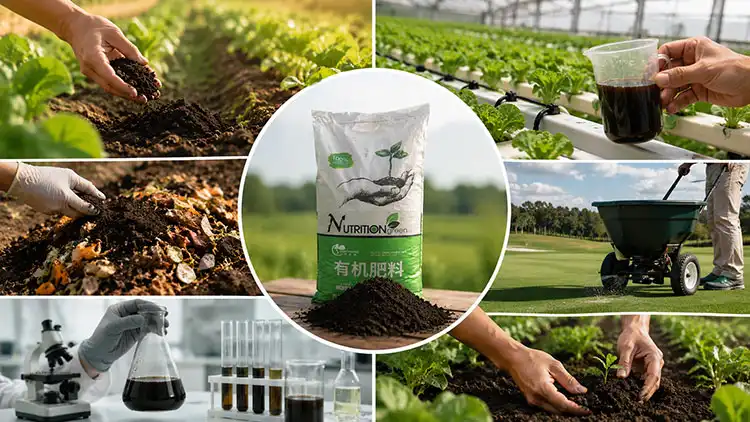
Organic fertilizers come in a lot of different forms that are made to work with different types of soil and crops. Granules made from manure work well for crops that need a steady release of nitrogen, and compost mixes add organic matter and good germs to sandy soils, making them better for growing plants. Liquid organic fertilizers that have been broken down by enzymes are great for business gardens and hydroponic systems because they keep EC levels from rising and keep drip irrigation lines from getting clogged. Products that are biofortified with biochar can help fix saline-alkaline soil by lowering the pH and washing sodium away from root zones. Slow-release pellets help golf course managers take care of the grass by preventing nitrogen burn and making the grass more resistant to drought.
Traditional Composting vs. Advanced Production Techniques
In traditional aerobic composting, microbes break down the material at a fixed temperature and wetness level. Pathogens are killed by thermophilic phases that stay above 55°C for at least 15 days. Modern techniques, such as vermicomposting, speed up the process of humification, creating casts that are rich in nutrients and have a wide range of microorganisms. Specific types of microbes, like nitrogen-fixing bacteria or phosphate-solubilizing fungi, are added through microbial enrichment techniques to improve bioavailability and crop response. At Sciground, we use these new ideas by mixing energy-efficient tools with strict quality standards to make sure that the goods we sell meet Solvita maturity indices and ICP-MS heavy metal screenings.
Organic vs. Chemical Fertilizers: Nutrient Release and Environmental Impact
Organic fertilizers release nutrients slowly and steadily, depending on the temperature and activity of microbes in the soil. This feeds plants all season and lowers the risk of leaching. It is possible for roots to get burned by high salt levels in chemical fertilizers, and they also pollute aquifers. In line with climate-smart agriculture goals, organic choices make the land better at buffering, boost biological activity, and store carbon. Suppliers who are dedicated to organic purity make sure that their products meet all national and foreign standards. They do this by providing batch-specific Certificates of Analysis (CoA) that prove the food's nutrient content, pathogen-free status, and antibiotic-free status through HPLC testing.
How to Choose the Right Organic Fertilizer Supplier for High-Efficiency Soil Nutrition
Applying the F-1 Criteria Screening Approach
A structured review strategy is needed when choosing an Organic fertilizer supplier. The F-1 Criteria Screening Approach puts order number capacity, product consistency, shipping times, and required licenses at the top of its list of priorities. Check to see if the provider can handle large orders without lowering the quality, and look at their operations to make sure they can deliver on time in a variety of locations. Certifications like USDA Organic and OMRI listing are required and show that strict rules are being followed. To get the best return on your investment, you should look at expert support services like help with soil testing, treatment suggestions, and agronomic problem-solving.
Essential Evaluation Metrics: Consistency, Pricing, and Support
Consistency in the product is very important; variation from batch to batch hurts crop growth and makes farm planning harder. Ask for a certificate of analysis (CoA) for every package that lists the NPK ratios, organic matter makeup, and heavy metal analysis. Prices should be clear, and there should be savings for buying in bulk and flexible payment terms that work with regular cash flow trends. Support after the sale, like in-person talks and live technical shows, sets exceptional sellers apart from transactional ones. Sciground regularly works with nearby villages and towns to hold training classes for farmers. This way, we can make sure that our clients get full help from preparing the land to harvesting.
Regional Specialization and Long-Term Partnership Potential
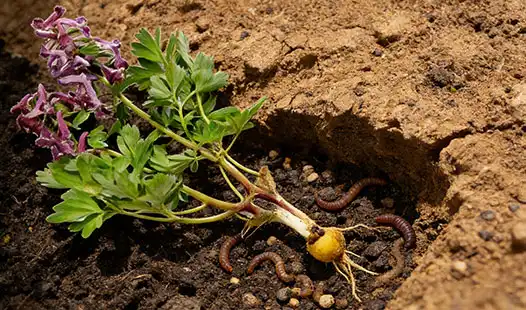
Suppliers who are familiar with the area know about the problems that come up with the land, the weather, and the needs of specific crops. Focusing on small markets, like our unique organic fertilizers for Corydalis yanhusuo and Aconitum carmichaelii, shows a strong commitment to research and development and the ability to come up with new ideas. Long-term relationships help both parties grow, and they let providers change formulations based on ongoing feedback and changing agricultural needs. Reputation, which can be checked through case study results and recommendations from people in the same field, gives you peace of mind about trust and performance. Working with a provider who cares about sustainability and green farming gives you a competitive edge and keeps your business running smoothly.
Bulk Purchasing and Procurement Process of Organic Fertilizers
Understanding Minimum Order Quantities and Volume Discounts
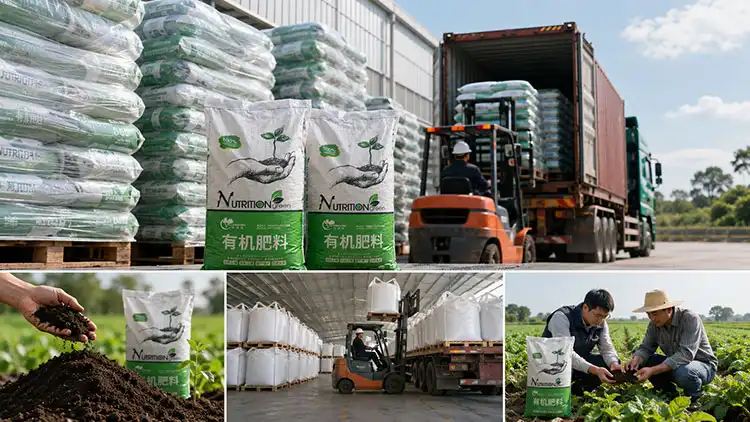
Through economies of scale, buying in bulk can save you a lot of money. Depending on the type of product and the packing choices, the minimum order quantity is usually between 10 and 50 tons. Volume savings can cut the cost per ton by 15–30%, which helps large-scale businesses stick to their budgets. Different handling and storing systems can work with flexible packaging, like 25 kg bags, 1-ton totes, or loose bulk packages. By negotiating multi-season contracts, you can further stabilize prices and make sure that you have enough product during busy application times.
Step-by-Step Procurement: From Inquiry to Contract Negotiation
The buying process starts with an initial question about the type of food, the amount of land, the soil, and the specific nutrition goals. Suppliers reply with suggestions for products, technical details, and price quotes. Before placing a big order, ask for examples to be tested in the field to make sure they work. When negotiating a contract, the parties should talk about quality promises, delivery dates, payment terms, and ways to settle disagreements. Clear communication about wait times (usually two to four weeks for large orders) and regional coverage make sure that the supply chain works together smoothly. Setting up a single point of contact makes things easier and builds trust.
Delivery Logistics and After-Sales Support Policies
Transport methods change depending on the size of the order and where it's going: for local deliveries, trucks are used, for bulky items, rail is used, and for foreign deliveries, containers are used. Coordinate with providers to find the best routes, handle items as little as possible, and lower the risk of damage during transport. As part of after-sales help, technical advice is given, applications are checked, and problems are fixed when crop replies don't go as planned. Sciground helps clients with ongoing field management by changing when and how much to fertilize, keeping an eye on signs of soil health, and combining organic inputs with practices that work well together, such as cover crops and less tilling.
Building Trust and Verifying Supplier Authenticity
Verifying Certifications: USDA Organic, OMRI, and EU Organic
Third-party approvals are the best way to make sure that a supplier is trustworthy. The USDA Organic certification shows that the raw materials, processing methods, and ways of treating them are all in line with government organic standards. The OMRI listing means that the product has been reviewed and approved by a third party for use in certified organic farming. EU Organic approval lets you ship your goods and shows that you follow Europe's strict rules. Ask for copies of up-to-date certificates and audit records, and use certifier databases to make sure they are real. Suppliers who pay for approval show that they are responsible and dedicated to organic purity.
Assessing Customer Reviews and B2B Testimonials
Real reviews from other farmers, ranchers, and buying managers can tell you a lot about how well an Organic fertilizer supplier does their job, how well their products work, and how good their service is. Look for reviews that talk about specific results, like higher yields, better soil health, and helpful customer service. Case studies that show how technical skills and problem-solving skills were used in real-life situations, like fixing saline-alkaline soils or making hydroponic fertigation work, are useful proof. At Sciground, we often share success stories from Corydalis farmers and fruit tree makers that show how their crops have gotten better in terms of quality, resistance to disease, and profits.
Sustainability and Corporate Social Responsibility as Trust Indicators
Suppliers that care about business social responsibility put money into sustainable practices that go beyond what the law requires. This includes programs to reduce trash and carbon emissions, get people involved in the community, and teach farmers new skills. Our work with the Northwest Academy of Agricultural Sciences and our monthly live broadcasts on cultivation techniques show how committed we are to sharing information and making agriculture better. Supplier ethics is supported by open sourcing policies, fair labor practices, and caring for the environment. This leads to long-term relationships based on shared values and mutual respect.
Specialized Applications and Technical Insights
Commercial Greenhouses and Hydroponic Systems
In closed-loop fertigation systems, liquid organic fertilizers that have been broken down by enzymes and have a lot of amino acids work best. These products keep the osmotic balance for sensitive plants like strawberries and fresh greens by stopping the buildup of salt and EC spikes that happen with manmade fertilizers. Micro-filtration processing makes sure that all the particles are dissolved and are smaller than 100 mesh. This keeps the drip line from getting clogged when used with 120-mesh disk filters further downstream. A plant's ability to get free amino acids right away speeds up healing after transplanting and reduces the effects of abiotic stress.
Remediation of Saline-Alkali Soils
Biochar mixed with high-OM powdered organic fertilizers can help with very bad soil conditions. Humic and fulvic acids reduce alkalinity in soils with a pH above 8.5. Higher cation exchange capacity makes it easier for sodium to leave root zones. This corrects the structure of fertile land, allowing previously unusable land to be farmed and increasing the amount of land that can be used for farming. Sciground's formulations have successfully fixed up damaged soils, letting farmers use a wider range of farming methods and raising the value of their land.
Organic Turf Management and Stress Resilience
Applying slow-release pellets on golf courses and public parks on a yearly basis stops nitrogen burn and too much top growth, which lowers the number of times the grass needs to be mowed and the cost of labor. In places with a lot of foot traffic, steady nutrient release helps root systems that are complicated, making them more resistant to mechanical stress and drought. Low salt levels reduce osmotic damage, keeping the grass healthy and looking good all through the growth season. These uses show that well-engineered organic fertilizers can be used in a wide range of farming and gardening settings and are reliable.
Conclusion
A key component of healthy and successful agriculture is choosing the right Organic fertilizer supplier. Farmers, ranchers, traders, and sellers can build strong supply chains and improve soil nutrition by knowing the roles of suppliers, checking product quality and certifications, figuring out how to buy in bulk, and making sure products are real by looking at reviews and environmentally friendly practices. High-efficiency organic fertilizers improve the health of the soil, increase crop yields, and help with long-term environmental care. This means that supply relationships are important for the success of agriculture.
FAQ
Does Organic Fertilizer Release Nutrients Too Slowly for High-Demand Crops?
The C: N ratio and the temperature of the Earth affect how fast nutrients are released. Base reduction happens slowly, so it can be used all year. Bridge feeding with liquid organic parts like amino acids or fish hydrolysate, on the other hand, lets plants use the food right away. Bio-fortified mixes speed up the mineralization process, which meets the needs of dense cropping systems without harming the organic purity.
How Do You Ensure No Antibiotics or Hormones Remain in Manure-Based Organic Fertilizer?
Most veterinary drug residues are broken down by heat after 15 days of normal aerobic fermentation at thermophilic temperatures between 55°C and 65°C. High-end items are tested with HPLC to make sure they are antibiotic-free, which is good for food safety and organic standards. Pathogens and medicinal contaminants are removed through a strict process that produces safe, high-quality nutrients.
Will Organic Fertilizer Clog My Drip Irrigation System?
Slurries that haven't been processed will. For fertilization, you need liquid organic fertilizers that have been broken down by enzymes and have particles that are less than 100 mesh in size. Always put in a 120-mesh disk filter after the first one to keep it from getting clogged. When processed correctly, goods work well with precision irrigation systems, making it easier to give nutrients without stopping operations.
Partner with Sciground for Trusted Organic Fertilizer Solutions
Sciground is a top Organic fertilizer supplier company that makes organic fertilizer and is dedicated to healthy farming and high-efficiency soil feeding. Our 6,000-square-meter plant in Hanzhong City makes specialized organic fertilizers. The Northwest Academy of Agricultural Sciences has been an R&D partner for over twenty years. We offer custom formulations for a wide range of crops, strict quality control, and full expert help, from getting the land ready for planting to managing the yield. Get in touch with us at [email protected] to learn more about buying in bulk, ask for product samples, and work with a seller who cares about your agricultural success and environmental responsibility.
References
1. Brady, N.C., & Weil, R.R. (2016). The Nature and Properties of Soils (15th ed.). Pearson Education.
2. Gaskell, M., & Smith, R. (2007). Nitrogen Sources for Organic Vegetable Crops. University of California Agriculture and Natural Resources Publication 7418.
3. Magdoff, F., & van Es, H. (2009). Building Soils for Better Crops: Sustainable Soil Management (3rd ed.). Sustainable Agriculture Research and Education.
4. Roe, N.E., Stoffella, P.J., & Graetz, D. (1997). Composts from Various Municipal Solid Waste Feedstocks Affect Vegetable Crops. Journal of the American Society for Horticultural Science, 122(3), 433-437.
5. Sullivan, P. (2004). Sustainable Soil Management: Soil Systems Guide. ATTRA National Sustainable Agriculture Information Service.
6. USDA National Organic Program. (2020). Organic Production and Handling Standards. United States Department of Agriculture Agricultural Marketing Service.
Sciground
Shanrangde, in collaboration with a team of experts from the former Academy of Agricultural Sciences, focuses on developing patented organic fertilizers, including those specifically formulated for Corydalis rhizome. Chief expert Professor Liang Dejun, with over 20 years of industry experience, provides one-stop technical guidance from site selection to field management, helping farmers increase production and income.
Formulated by the original expert team from the Academy of Agricultural Sciences · Focused on organic nutrients specifically for crops
Contact us now to customize a green nutrition solution for your farmland.
Recommended Blog
How Do Organic Fertilizers Benefit Soil Health and Plant Growth?
Why Should You Use Balanced Liquid Fertilizer for Your Plants?
_1767870624598.webp)