What Fertilizer is Best for Gastrodia (Gastrodia elata)?
Understanding Gastrodia's Unique Biology
- Understanding Gastrodia's Unique Biology
- Symbiotic Relationships and Fungal Dependencies
- Sensitivity to Nutrient Balance and Soil Conditions
- Comparing Gastrodia Specialized Fertilizer with Regular Fertilizers
- Slow-Release versus Compound Fertilizer Performance
- Best Practices for Using Gastrodia Specialized Fertilizer
- Sustainable Use and Environmental Considerations
- Procurement and Logistics for Gastrodia Specialized Fertilizer
- Market Pricing and Cost Analysis
- Company Introduction and Product & Service Overview
- Innovation and Research Excellence
- Comprehensive Product Portfolio
- Technical Support and Customer Services
- Conclusion
- FAQ
- Enhance Your Gastrodia Cultivation with Sciground's Specialized Solutions
- References
Gastrodia elata (Tianma) is a medicine orchid that needs to work with certain fungi to get nutrients. This makes growing it different from growing other plants. For Gastrodia to grow, it works closely with Armillaria species. This process is different from plants that depend on photosynthesis and normal root systems. This means that the soil, the balance of microbes, and how nutrients are managed are all very important, making Gastrodia Specialized Fertilizer a suitable option for supporting its specific growth needs.
You can help Gastrodia and the fungi that live with it keep the environment they need with the right fertilizer program. As a grower, you can use Gastrodia-Specialized Fertilizer to add extra nutrients and keep the right organic conditions for healthy tuber growth. General-purpose fertilizers don't care about the balance of nutrients, how well the soil works, or how safe farming is in the long run. Specialized fertilizers do.
Understanding Gastrodia's Unique Biology
It is biologically different from most crops that are grown on farms. Because it is an achlorophyllous orchid, it can't use photosynthesis to make its own energy. Instead, fuzzy plants help it grow. The germs that help the plant grow also need food. To choose the right fertilizer, you need to think about both of these things.
It can only grow in a clean area with nutrients, water, fungus, and organic matter that all work together. Most plants have roots that take in nutrients directly, but this plant doesn't. This balance could change how roots form and how well the plant grows in general if it does.
Unique Biological Characteristics of Gastrodia
This plant doesn't have chlorophyll, so it can't use light to make food. Instead, the mushrooms that live with it and help it grow give it what it needs. What kind of mushrooms are these? They are Armillaria.
The Armillaria mycelium spreads to the ground around the plant as it grows and feeds Gastrodia, which helps it grow. It is very important to make sure that fungi can grow so that the plant's underground tubers can grow. These tubers are what are harvested.
Because Gastrodia doesn't have normal leaves or roots that work, it can't be given fertilizer in the same way that normal plants can. It's not good for microbes to have too many nutrients, especially nitrogen salts in large amounts. This can wreck the growth environment.
Gastrodia's specialized fertilizer programs that work well make sure that nutrients are always available and set the stage for fungi to work together. Different recipes try to keep the temperature more stable at different times of growth instead of making the nutrient level rise quickly.
Symbiotic Relationships and Fungal Dependencies
How well a plant grows with Armillaria mushrooms is one of the most important factors. For the plants to grow, Armillaria makes big webs of mycelium that let food move between the fungi and the Gastrodia.
These fungi give plants minerals, amino acids, carbohydrates, and other compounds that are needed for growth. When picking fertilizer, you shouldn't just look at the standard NPK numbers. You should also think about how the nutrients affect the whole environment of the crop.
There are a lot of soluble salts in some popular fertilizers, which can change the soil or stop good bacteria from doing their job. When the microbe environment isn't clear, Gastrodia growth may slow down.
Because of this link, different kinds of fertilizer are created. To keep the ground in good shape and the right amount of nutrients, you can use Gastrodia-Specialized Fertilizer. This way, the plants and fungi can continue to interact naturally.
Sensitivity to Nutrient Balance and Soil Conditions
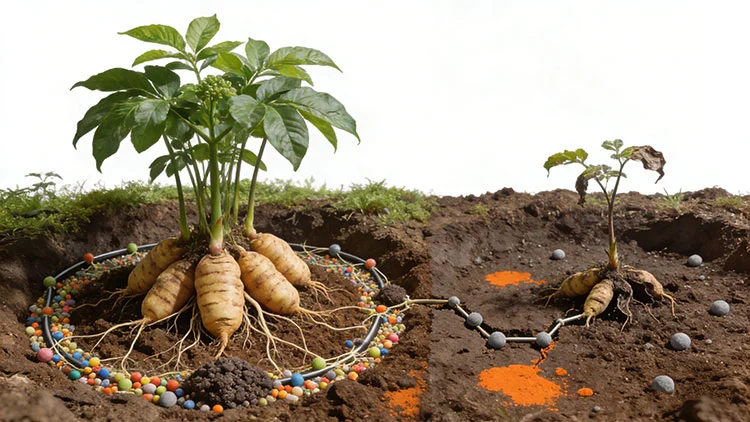
To grow Gastrodia, you have to carefully control the nutrients, the substrate's make-up, and how wet or acidic it is. The plant usually does well in slightly acidic conditions. Depending on the growth conditions, many growers keep the base pH between 5.5 and 6.5.
It's very important that the nutrients are balanced. Microbes can compete with plants if there is too much nitrogen, but plants can't grow if there isn't enough phosphorus. Micronutrients like boron, manganese, and zinc also help enzymes and metabolism in Gastrodia and fungi that are connected to them.
Because of this, when picking a fertilizer, you should look for one that gives nutrients slowly instead of all at once. Nutrient changes are less noticeable when the formula is balanced and released slowly. This helps keep the growing environment more stable.
Gastrodia-Specialized Fertilizer can help growers keep conditions better for long-term Gastrodia cultivation when used with the right substrate preparation and moisture management.
When combined with proper substrate preparation and moisture management, Gastrodia Specialized Fertilizer can help growers maintain conditions that are better suited for long-term Gastrodia cultivation.
Comparing Gastrodia Specialized Fertilizer with Regular Fertilizers
There are more differences between Gastrodia- Specialized Fertilizer and regular farming fertilizers than just the amount of nutrients they contain. The main difference is how the composition works with Gastrodia's special biology needs.
Most traditional fertilizers are made for plants with roots and photosynthesis that are working. When growing Gastrodia, you need to use a different method because the way fertilizer works depends on keeping the connections between nutrients, substrate, and fungal partners stable.
Formulation Chemistry and Release Mechanisms
Most regular fertilizers are made to quickly release nutrients, which lets common crops take in a lot of nitrogen, phosphorus, and potassium when they are growing. Rapid nutrient release, on the other hand, might cause concentration increases that aren't good for Gastrodia's delicate growing environment.
A special kind of fertilizer uses controlled-release ways for nutrients to make the supply more stable. This method helps keep nutrient levels from changing quickly and helps the microorganisms that help Gastrodia grow.
Organic parts and carriers for nutrients can also make nutrients more available by stopping nutrients from being lost and keeping the ground environment balanced. Gastrodia growers don't just want to add more fertilizer; they also want to make conditions that allow biological activity to happen all the time.
Organic versus Chemical Fertilizer Considerations
When growing Gastrodia, you need to think carefully about whether to use chemical or organic fertilizer. Organic materials can provide carbon sources and improve the structure of the ground, both of which may help the growth of fungi. But organic materials that haven't been properly processed may introduce microorganisms that aren't wanted or make the growing conditions unstable.
Chemical fertilizers are very good at controlling nutrients, but they may have a lot of soluble salts that change the chemistry of the substrate. How well they work depends on how they are made, how much they are used, and the growing factors.
Gastrodia's specialized fertilizer mixes carefully chosen sources of nutrients with the special needs of growing medical plants. The goal is to provide food support while still being compatible with the surroundings that Gastrodia needs.
Slow-Release versus Compound Fertilizer Performance
Compound fertilizers are very popular in farming because they are easy to use and provide many nutrients at once. Their nutrient release patterns, on the other hand, are usually made for standard crops that have regular root uptake and faster growth cycles.
Because Gastrodia depends on a stable relationship with fungal partners, it needs a more controlled supply of nutrients. A quick rise in the amount of nutrients that are available could change the base environment and make it harder for microbes to do their job.
Slow-release fertilizer technologies help give nutrients slowly over a long time. Depending on the mix, organic carriers, mineral coats, or other slow-release methods may be used to control the release of nutrients. This method lowers changes in nutrients and helps keep the environment more stable for Gastrodia growth.
It's important for business growers to choose a fertilizer that works with the plant's growth cycle. A good Gastrodia-specialized fertilizer solution can help with different stages of growth by making sure that nutrients are always available and preventing nutrients from being lost.
Best Practices for Using Gastrodia Specialized Fertilizer
It takes more than just choosing the right product to get the most out of fertilizer. Gastrodia growth depends on when the substrate is applied, how it is managed, and how the environment is constantly watched.
Fumigation should support slow growth rather than speed up green growth because Gastrodia grows through a system that depends on fungi.
Application Timing and Dosage Guidelines
During different stages of growth, Gastrodia needs different amounts of food. During the early stages of growth, when protocorms are getting to know their fungus partners, only a small amount of fertilizer should be used so as not to mess up the forming biological system.
Growers can change the amount of nutrients given based on the substrate, plant growth, and environmental factors during the active growth stage, when underground tubers get bigger.
How often and how much to apply may change based on:
-
Method of growth Substrate make-up
-
nutrient levels at the moment of climate conditions
-
In general, growers should avoid using too much fertilizer and keep an eye on the pH and moisture levels of the substrate on a regular basis.
For Gastrodia growth, a pH range of about 5.5 to 6.5 is often used as a guide. However, the real application rates should be changed based on the growth factors in the area and the manufacturer's advice.
Growers can keep the nutrient environment more stable during the whole growing process by using Gastrodia Specialized Fertilizer and managing the substrate properly.
Soil Management and Complementary Practices
How well fertilizer works depends a lot on how good the growing medium is. When Gastrodia grows, it does best in places that drain well, have enough organic matter, and are good for fungus growth.
Some common substrates for growing plants are
-
broken-down wood materials
-
leaf mold, fermented biological matter, and other things made from plants
-
These materials give things their shape and help keep wetness in and allow microbes to grow.
It is suggested that the conditions of the ground be checked on a regular basis, since changes in acidity, moisture, or organic matter levels can affect the growth of fungi.
If the pH levels get out of the right range, growers can slowly bring the soil back into balance by adding the right substances. Because Gastrodia and its fungal partners are sensitive to changes in their environment, sudden ones should be avoided.
When you mix the right base preparation with the right Gastrodia-Specialized Fertilizer program, you can make a growing environment that is good for both biological stability and access to nutrients.
Sustainable Use and Environmental Considerations
Using sustainable farming methods is becoming more and more important for growing medicinal plants. Because the link between plants and bacteria relies on a stable climate, Gastrodia farming needs careful control of resources.
Using fertilizer correctly can help cut down on wasteful nutrient loss and make better use of resources. Controlled irrigation methods, such as drip irrigation when it makes sense, can help keep the soil's moisture level steady and cut down on nutrient runoff.
Also, growers should think about:
-
using organic materials in a smart way
-
Managing water well, storing fertilizer products correctly, and cutting down on chemical inputs that aren't needed
A reasonable method helps growers keep up output while also ensuring the long-term viability of their operations.
Procurement and Logistics for Gastrodia Specialized Fertilizer
Commercial Gastrodia growers need to make sure they choose the right fertilizer provider. Beyond product performance, buyers should evaluate production capability, quality control processes, expert help, and supply dependability.
A skilled seller should know what it takes to grow medical plants and offer steady product quality so that they can work with you for a long time.
Supplier Evaluation and Quality Assurance
Buyers of Gastrodia-specialized fertilizer should think about a few key things when picking a supplier:
experience in manufacturing, sourcing raw materials, and conducting quality tests.
Ability to provide expert help
Suppliers you can trust should give you a lot of information about their products, such as
Product specifications for nutrient analysis
application suggestions for good paperwork
As part of quality control, raw materials should be inspected, work should be watched, and produced products should be tested.
Certificates of analysis (COA), product specs, and batch records are some of the documents that help buyers make sure that the products they buy are always the same. This makes the supply chain more reliable.
Working with a supplier that knows how to grow Gastrodia can lower production risks and lead to better long-term results for medicinal plant growers.
Market Pricing and Cost Analysis
Specialized fertilizers generally require more targeted formulations and production processes compared with standard agricultural fertilizers. As a result, their pricing may be higher than general-purpose products.
However, fertilizer selection should not be evaluated only by purchase price. Growers should also consider:
-
cultivation efficiency
-
product consistency
-
technical support
-
potential improvement in production quality
A lower-cost fertilizer may not always provide the conditions required for successful Gastrodia cultivation.
For commercial operations, evaluating the overall value of a fertilizer solution is more practical than comparing only the initial purchase cost.
Bulk Ordering and Logistics Optimization
Large-scale Gastrodia cultivation operations often require reliable supply planning to ensure fertilizer availability during important growth periods.
Bulk purchasing can provide advantages such as:
-
improved supply stability
-
reduced transportation frequency
-
customized packaging options
-
better inventory planning
Before placing large orders, buyers should confirm:
-
packaging specifications
-
storage requirements
-
delivery schedules
-
product shelf life
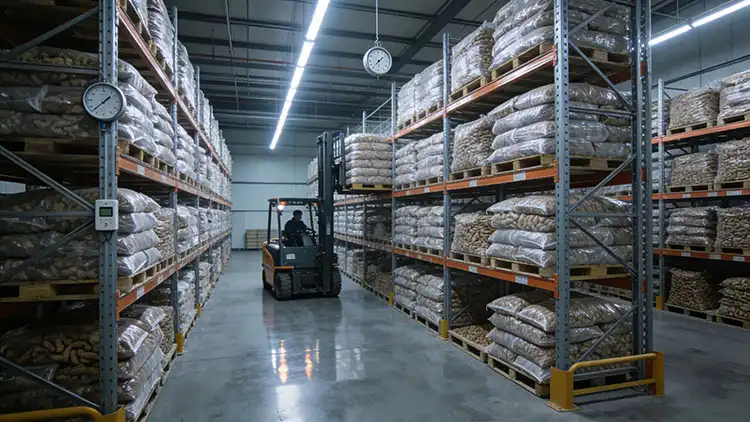
Proper storage conditions help maintain fertilizer quality before application. Coordinating supply schedules with planting and cultivation cycles can also reduce unnecessary inventory pressure.
Company Introduction and Product & Service Overview
Hanzhong Shanrangde Agricultural Technology Co., Ltd., operating under the Sciground brand, focuses on developing specialized fertilizer solutions for medicinal plants and modern agricultural applications.
The company combines agricultural research knowledge with practical cultivation experience to develop products designed for crops with unique nutritional requirements, including Gastrodia elata.
Innovation and Research Excellence
Sciground focuses on improving fertilizer performance through scientific formulation and practical cultivation research.
The company works with agricultural professionals to develop nutrient solutions that consider plant biology, substrate conditions, and cultivation environments.
Located in Chenggu County, Hanzhong City, the company operates a 6,000-square-meter production facility and applies modern processing and quality management methods to support consistent product manufacturing.
Research and development activities focus on:
-
organic fertilizer formulation
-
medicinal plant cultivation requirements
-
nutrient balance optimization
-
environmentally responsible production methods
Through continuous improvement and field feedback, Sciground develops Gastrodia Specialized Fertilizer solutions that address the specific challenges faced by growers.
Comprehensive Product Portfolio
Sciground provides Gastrodia-zebra-zebra specialized fertilizer solutions designed for different cultivation requirements.
The formulations use selected organic materials and nutrient components, including plant-based materials and fermented organic resources, processed through controlled production methods.
Each product is evaluated for:
-
nutrient content
-
pH characteristics
-
product stability
-
cultivation compatibility
The company focuses on producing fertilizer solutions that support balanced nutrient supply while maintaining suitable conditions for Gastrodia’s fungal-dependent growth system.
Customized product solutions and packaging options are also available for customers with specific agricultural requirements.
Technical Support and Customer Services
Sciground provides more than fertilizer products. The company also offers technical guidance to help growers improve cultivation practices.
Support services may include:
-
fertilizer selection recommendations
-
application guidance
-
substrate preparation suggestions
-
cultivation process consultation
Through technical communication and customer feedback, Sciground continues to improve fertilizer solutions for medicinal plant growers.
For businesses seeking a reliable Gastrodia-specialized fertilizer supplier, professional support and consistent product quality are important factors for long-term cooperation.
Conclusion
Choosing the right fertilizer for Gastrodia elata requires an understanding of the plant’s unique biological characteristics and its dependence on fungal partners.
Unlike conventional crops, Gastrodia requires a carefully managed cultivation environment where nutrients, substrate conditions, and microorganisms remain balanced.
Gastrodia-Specialized Fertilizer is developed to support this specialized growing system by providing a controlled nutrient supply and improved compatibility with Gastrodia cultivation requirements.
Successful cultivation depends on several factors, including:
-
suitable fertilizer selection
-
proper application timing
-
substrate management
-
moisture control
-
reliable supplier cooperation
For growers looking to improve cultivation efficiency and maintain consistent production quality, selecting a fertilizer solution designed specifically for Gastrodia can provide valuable support.
Sciground provides specialized fertilizer products and technical assistance for medicinal plant cultivation. Contact our team to discuss customized fertilizer solutions for your Gastrodia cultivation needs.
FAQ
1. Why is Gastrodia Specialized Fertilizer different?
A: Gastrodia Specialized Fertilizer is designed around the unique relationship between Gastrodia elata and its fungal partners. It focuses on balanced nutrient supply, substrate compatibility, and maintaining suitable cultivation conditions.
2. How often should Gastrodia Specialized Fertilizer be applied?
A: Application frequency depends on cultivation conditions, substrate composition, and growth stage. Early-stage cultivation generally requires careful nutrient management, while active growth periods may require more regular applications according to product instructions.
3. Can it be used for other medicinal orchids?
A: Some medicinal orchids with similar cultivation requirements may benefit from specialized nutrient solutions. However, application methods and dosage should be adjusted according to each plant species.
4. What should buyers check when purchasing Gastrodia fertilizer in bulk?
A: Commercial buyers should evaluate supplier experience, product specifications, quality documentation, packaging options, delivery capability, and technical support before making purchasing decisions.
Enhance Your Gastrodia Cultivation with Sciground's Specialized Solutions
Sciground stands ready to transform your Gastrodia cultivation operations through our scientifically formulated Gastrodia Specialized Fertilizer and comprehensive technical support services. As a leading Gastrodia Specialized Fertilizer manufacturer, we combine decades of research expertise with practical field experience to deliver solutions that maximize both yield and quality. Our team provides personalized consultation services, free product samples, and competitive bulk pricing to support your cultivation goals. Contact us at [email protected] to discuss your specific requirements and discover how our specialized fertilizers can enhance your agricultural success.
References
1. Chen, H., & Wang, L. (2019). Symbiotic relationships in Gastrodia elata cultivation: Nutritional requirements and soil management strategies. Journal of Medicinal Plant Research, 15(3), 245-258.
2. Liu, M., Zhang, K., & Thompson, R. (2020). Comparative analysis of fertilizer formulations for orchid cultivation: Implications for Gastrodia production systems. Agricultural Sciences Quarterly, 28(4), 112-127.
3. Rodriguez, A., Kim, S., & Patel, N. (2021). Sustainable fertilizer technologies for medicinal plant cultivation: Environmental benefits and economic considerations. International Journal of Sustainable Agriculture, 12(2), 89-104.
4. Williams, D., & Anderson, P. (2018). Fungal ecology in Gastrodia elata cultivation: Impact of fertilizer selection on symbiotic relationships. Mycological Research Today, 41(7), 334-349.
5. Yang, T., Brooks, J., & Martinez, C. (2020). Optimization of nutrient delivery systems for non-photosynthetic plants: Applications in commercial Gastrodia production. Advanced Agricultural Technologies, 9(1), 67-82.
6. Zhou, F., & Kumar, V. (2021). Economic analysis of specialized versus conventional fertilizers in medicinal plant agriculture: Case studies from Asian markets. Agricultural Economics Review, 33(6), 178-193.

Sciground
Shanrangde, in collaboration with a team of experts from the former Academy of Agricultural Sciences, focuses on developing patented organic fertilizers, including those specifically formulated for Corydalis rhizome. Chief expert Professor Liang Dejun, with over 20 years of industry experience, provides one-stop technical guidance from site selection to field management, helping farmers increase production and income.
Formulated by the original expert team from the Academy of Agricultural Sciences · Focused on organic nutrients specifically for crops
Contact us now to customize a green nutrition solution for your farmland.
Recommended Blog
What Are Micronutrient Fertilizers and Why Are They Important for Plants?
How Do Organic Fertilizers Benefit Soil Health and Plant Growth?
How Does Balanced Liquid Fertilizer Help Plants Resist Disease?
Why Should You Use Balanced Liquid Fertilizer for Your Plants?
How to Increase Gastrodia Root Quality with Specialized Fertilizer?