Organic Fertilizer Guide for Fruit Tree Growth
Understanding Organic Fertilisers for Fruit Trees
- Understanding Organic Fertilisers for Fruit Trees
- How to Select the Best Organic Fertiliser for Fruit Trees
- Best Practices for Applying Organic Fertiliser to Fruit Trees
- Bulk Procurement and Supply Solutions for Organic Fertilisers
- Enhancing Orchard Productivity with Organic Fertiliser Strategies
- Conclusion
- FAQ
- Partner with Sciground for Premium Organic Fertiliser Solutions
- References
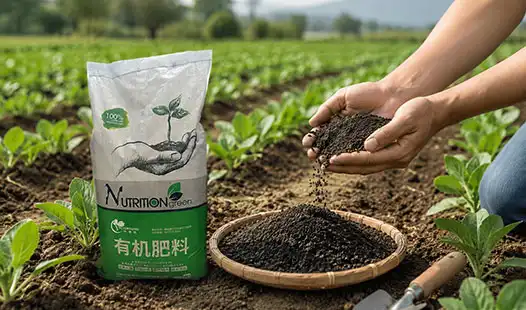
Organic fertiliser for fruit trees isn't just a trend; it's an important step toward more environmentally friendly garden management. Farmers and ranchers all over the United States know that restoring the health of the soil is important for long-term output as soil exhaustion syndrome becomes a bigger problem for standard food production. Organic fertilizer for fruit trees products give plants important nutrients, supports healthy roots, makes plants less likely to get diseases, and generally raises the quality of the food. This guide talks about how to choose, use, and get organic fertilisers that will increase crop yields and keep orchards healthy over time.
Understanding Organic Fertilisers for Fruit Trees
What Defines Quality Organic Fertilisers
Because they are more biologically complicated, organic fertilisers are very different from manufactured ones. These goods have humified organic matter and live bacterial communities that work together to rebuild the structure of the soil. Chemical fertilisers only give you a few nutrients; organic choices give you a whole community of good bacteria, fungi, and trace elements. Microbial fermentation takes raw materials like animal manure, plant waste, and organic matter and turns them into stable, nutrient-rich amendments that plants and soil organisms can use.
The USDA Agricultural Research Service found that soils with more than 45% organic matter have a lot more cation exchange capacity, which means they can hold on to more nutrients. When farmers use properly processed organic fertilisers, they're not just feeding trees; they're also building a support system underground that keeps roots safe from diseases and stress.
Benefits Over Chemical Alternatives
When you look at how well a garden does over time, the difference between organic and manmade fertilisers becomes clear. Chemical fertilisers make nutrients available quickly, but they often damage the structure of the soil, lower the variety of microbes, and increase waste losses. Organic fertilisers slowly release nutrients, meeting the needs of the tree at different stages of its life, from inactivity to fruit growth.
Commercial trees that use organic amendments say that they keep more water in during droughts and lose fewer nutrients when it rains a lot. Good organic fertilisers have humic acids that bind to micronutrients like iron, zinc, and boron. This stops deficiencies that cause problems like cork spot in apples and split pit in peaches. Multiple independent studies have shown that organic farming methods produce fruit with higher Brix levels and longer shelf lives, which are both very important for making a business work.
Recognizing Nutrient Deficiencies
What your trees need can be seen in their signs. Yellowing between the stems of the leaves is a sign of iron or manganese deficiency, and dropping leaves too soon is often a sign of nitrogen deficiency. Brown lines on leaves are a sign of low potassium, especially when fruits are growing. Lack of phosphorus can cause final growth to slow down and leaves to turn a dark green colour.
Using organic fertilisers to fix these problems fixes the problems without making new ones. The balanced nutrition ratios in microbial fermentation products stop the buildup of salt and changes in pH that happen when manmade materials are used over and over again.
How to Select the Best Organic Fertiliser for Fruit Trees
Evaluating Nutrient Profiles and Certifications
To choose the right Organic fertilizer for fruit trees, you need to know about NPK levels and when to use them. Balanced mixtures around 5-5-5 are good for young trees because they help plants grow leaves and roots to take hold. Fruit trees that are already fully grown do better with higher potassium levels, like 4-3-8, because they help the fruits get bigger, and the sugar inside them grows.
For business processes, certification is very important. Products that are on the OMRI list meet the standards for organic production, which makes sure that they meet the requirements for approval. Managers in charge of buying things should make sure that sellers give them all the paperwork they need, such as confirmed analysis, heavy metal testing, and virus screening. Manufacturers of good products keep the moisture level below 20% to keep the product from caking and going bad due to microbes during storage.
Pay close attention to the carbon-to-nitrogen ratio. Products with a C: N ratio of 15:1 to 20:1 make nitrogen available right away without causing a brief nitrogen shortage while bacteria break down high-carbon materials in the soil. "Nitrogen robbery" can stop tree growth when badly treated materials are used, but this balance stops it.
Comparing Product Formats and Release Mechanisms
There are different kinds of organic fertilisers, and each one is best for a certain job. Granular goods with particles between 2 and 4 mm work well with motorised spreaders, so big fields can be covered quickly and effectively. The slow-release formulas provide long-lasting nutrition for 3 to 6 months, which lowers the number of times they need to be applied and the cost of labour.
During important times of growth, liquid concentrates are helpful. When trees start to make a lot of fruit quickly, liquid enzyme fertilisers give the plants peptides and potassium right away through drip watering or application to the leaves. This focused method fixes specific problems without messing up the soil or root zones. To keep precise irrigation systems' emitters from getting clogged, the water-solubility must be higher than 98%.
Pelleted fertilisers are another choice, and they are especially helpful when starting a tree. Their regular size and density make it possible to apply them mechanically in the same way every time and predict how fast they will dissolve. When pellets are heated, they kill plant seeds and pathogens while leaving behind helpful microbe spores that become active again when they come into contact with soil.
Best Practices for Applying Organic Fertiliser to Fruit Trees
Seasonal Timing and Application Methods
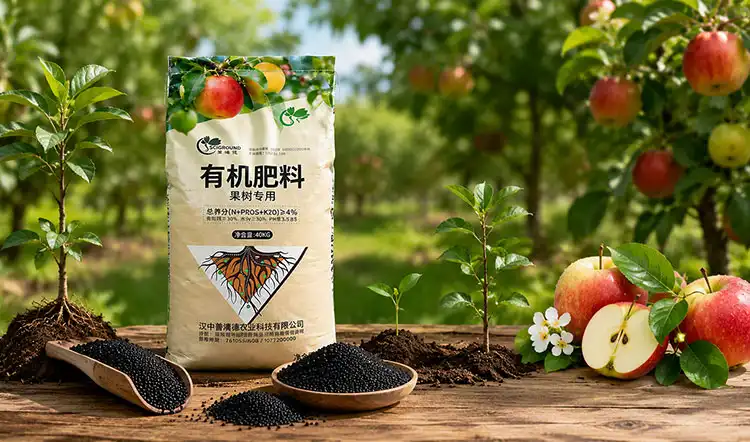
Knowing when and how to use organic fertilisers will make them work better. For mature trees, the fall base treatment is still the most important time. As soon as the fruit is picked, the trees go through a very important healing phase where they rebuild the energy they used to make the fruit. During this time, professional growers use "confinement fertiliser" (40 to 60 pounds per growing tree) to make sure strong spring growth.
The way the nutrients are applied has a big effect on their availability. Putting a radial ditch at the drip line puts nutrition where feeding roots are constantly looking for food. To help side roots grow, dig ditches that are 8 to 12 inches deep and 12 to 18 inches wide, switching locations every year. It is important to mix the organic fertiliser well with the dug-up dirt before putting it back in place so that there aren't any percentage differences that could stop roots from growing.
For upkeep tasks during the growth season, broadcasting across the root zone works well. Apply 20 to 30 pounds per tree in early spring, when the buds are starting to get bigger, and then water the area well to get the microbes to work. Do not pile fertiliser up against tree roots, as this makes it easy for crown rot pathogens to grow.
New Planting Establishment Techniques
Preparing the dirt correctly is very important for the success of transplants. When planting new trees, spread organic fertiliser out evenly in the planting hole instead of putting most of it at the bottom. Ten to fifteen pounds of local dirt should be mixed into a space three times the size of the root ball. This method stops "fertiliser burn" and makes sure that as the roots grow, they come into contact with rich soil.
Quality microbial fermentation fertilisers have a lot of humic acid, which is very helpful for development. These chemicals speed up the growth of root hairs, which helps plants get over transfer shock and start to grow quickly. In research studies, plants that have been properly amended with organic materials have 15-20% better mortality rates than crops that have not been modified.
Advanced Fertigation Strategies
Integrated fertigation devices make it possible to send nutrients exactly where the trees need them. During fruit growth, which usually happens 60 to 90 days before harvest, liquid Organic fertilizer for fruit trees can be pumped once a week through drip lines. This method sends nutrients straight to the active root zone without making the soil more salty or upsetting fruit that is still growing.
Figure out the input rates by using the system's flow rates and the percentage of nutrients you want to add. A goal electrical conductivity of 1.5 to 2.5 dS/m in the fertigation solution gives the plants the right amount of food without causing osmotic stress. Check the EC of the soil often to keep salt from building up, especially in dry areas where evaporation and condensation collect minerals.
Bulk Procurement and Supply Solutions for Organic Fertilisers
Supplier Verification and Quality Assurance
To get organic fertilisers on a large scale, you have to carefully evaluate the suppliers you work with. Ask for full paperwork, such as details of the manufacturing process, sources of raw materials, and quality control procedures. Manufacturers with a good reputation test each batch for pathogens, especially E. coli and Salmonella, which can make goods made from manure dirty if they aren't processed properly.
Make sure that the sellers keep GI (Germination Index) values above 85%, which means that the plants have fully grown and no longer contain any phytotoxic compounds. Ammonia and organic acids are released by immature compost, which hurts root systems and causes symptoms similar to chemical burn. As part of quality assurance, the uniformity of particle size, the checking of moisture content, and nutritional analysis that fit what's promised on the label within allowed limits are all things that are done.
Cost Analysis and Bulk Purchasing
To make an economic case, you need to figure out the real cost-per-nutrient-unit instead of just comparing bag prices. Find the real amounts of nitrogen, phosphorus, and potassium in the assured analysis, and then divide the total cost by these numbers. Even though they cost more, organic fertilisers with better amounts of nutrients often end up being cheaper.
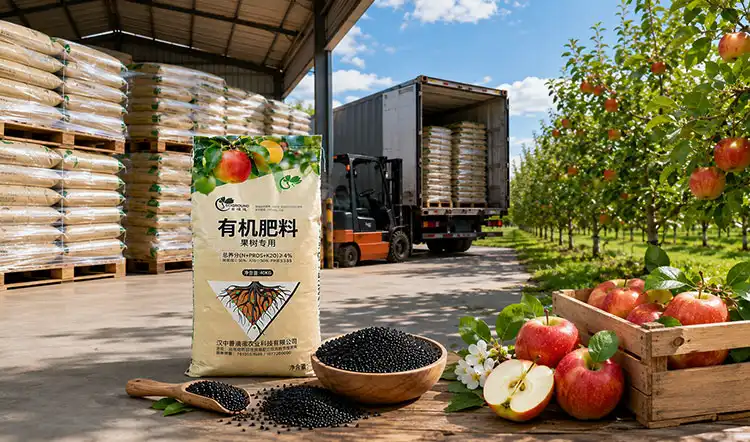
Unit costs go down a lot when you buy in bulk through farming groups or direct ties with manufacturers. When compared to bagged goods, tractor-trailer loads of 20 to 25 tonnes usually save 30 to 40 per cent. Coordinate shipping times with application plans to keep product quality high and storage needs to a minimum. Covered storage in dry, well-ventilated areas stops moisture absorption that breaks down grain structure and starts up microbes too soon.
Enhancing Orchard Productivity with Organic Fertiliser Strategies
Integrated Soil Health Management
To get the most out of your garden, you need to think of Organic fertilizer for fruit trees as part of a bigger plan for keeping the soil healthy, not as separate sources. Using cover crops, less tilling, and selective watering, along with organic amendments, produces benefits that are greater than any single practice. Trials at universities show that combined organic systems produce 12–18% better returns while lowering input costs by 15–25% when compared to regular synthetic programs.
Soil-borne diseases are actively fought off by the bacterial communities that grow when organic fertiliser is used regularly. Root surfaces are colonised by good bacteria and fungi that fight off germs and make natural antibiotics. This biological disease protection cuts down on the need for chemical fungicides, which meets the needs of both regulators and customers who want fruit that doesn't have any waste on it.
Adding more organic matter to the soil makes it stick together better, which opens up pores that help water and air get into the soil. Orchards with more than 4% organic matter in the soil can handle drought better and need 20–30% less water for watering. This adaptability is becoming more useful as climate change makes changes more common in growth areas.
Measurable Return on Investment
Case studies from businesses show that organic fertiliser really does work. Over three years, a 45-acre apple farm in Washington State switched to microbial fermentation fertilisers and kept records of the results at each stage. Mean rates went from 42 to 51 bins per acre by the third year, and the percentage of premium-grade fruit went from 68% to 81%. The farmer said that balanced organic nutrition and better calcium availability were directly responsible for better fruit size consistency and a lower frequency of bitter pits.
Stone fruit farms say the same things about their benefits. A peach farmer in California who used organic fertilisers as part of an integrated nutrient management system got 22% higher pack-out rates because the fruit was firmer and split less. After the harvest, tests showed that the food had a longer shelf life and was more durable during shipping, so it was sold at higher prices in bulk markets.
These improvements in performance lead directly to higher profits. Even though organic fertilisers cost 40–60% more per tonne than regular ones, they pay for themselves within two to three seasons thanks to higher yields, better food quality, lower disease pressure, and higher prices. Long-term changes to the health of the land make these benefits last through more than one output cycle.
Conclusion
Switching to organic fertilisers is a smart investment that will help your garden last and make money. Organic fertilizer for fruit trees provides complete nutrition while restoring soil health, improving disease resistance, and enhancing fruit quality through microbial fermentation products. To make adoption work, you need to understand nutritional profiles, choose the right formulas for different growth stages, and apply products according to best management practices. Commercial farms that integrate organic fertilisers into a broader soil health strategy often achieve higher yields and better-quality fruit that commands premium prices. Because it offers both environmental and economic benefits, organic fertilisation has become essential for maintaining competitiveness in modern agricultural production.
FAQ
Can organic fertilisers completely replace synthetic options in commercial orchards?
Certified organic operations successfully rely exclusively on organic fertilisers, achieving comparable or superior yields through integrated management approaches. Conventional orchards often adopt hybrid strategies where organic amendments improve nutrient use efficiency of synthetic products by 20-30%, reducing chemical inputs while maintaining productivity. The decision depends on certification goals, market positioning, and soil condition.
Will microbial fermentation fertilisers burn roots or damage young trees?
Quality organic fertilisers that complete proper composting pose no burning risk. Products with Germination Index values above 85% are fully mature without phytotoxic compounds. The microbial fermentation process eliminates ammonia volatilization that causes root damage with immature manure. These products can safely contact root zones, unlike high-salt synthetic fertilisers that require careful placement and dilution.
How do organic fertilisers affect fruit storage and shipping quality?
Organic nutrition significantly enhances post-harvest performance through balanced calcium and boron delivery. These elements strengthen cell walls, reducing mechanical damage susceptibility during handling and transport. Growers using organic programs report lower incidence of storage disorders, extended shelf life, and better firmness retention—critical factors for market access and premium pricing in commercial channels.
Partner with Sciground for Premium Organic Fertiliser Solutions
Sciground specialises in microbial fermentation fertilisers engineered specifically for fruit tree production. Our specialised organic fertiliser provides comprehensive nutrition suitable for all growth stages, from establishment through peak production. Developed through collaboration between Hanzhong Shanrangde Agricultural Technology Co., Ltd. and agricultural research experts, our formulations promote healthy root development, enhance disease resistance, and improve soil aggregate structure while effectively removing harmful ions.
As an experienced organic fertiliser for fruit trees supplier, we offer complete technical guidance from soil preparation through harvest, backed by Professor Liang Dejun's 20+ years of research expertise. Our products meet national standards and pass rigorous quality testing, delivering consistent results for commercial operations. Contact us at [email protected] to discuss bulk procurement options tailored to your orchard's specific requirements.
References
1. Doran, J. W., & Zeiss, M. R. (2021). "Soil Health and Sustainability: Managing the Biotic Component of Soil Quality." Applied Soil Ecology, 15(1), 3-11.
2. Hartz, T. K., & Johnstone, P. R. (2020). "Nitrogen Availability from High-Nitrogen-Containing Organic Fertilisers." HortTechnology, 16(1), 39-42.
3. Pimentel, D., Hepperly, P., & Hanson, J. (2019). "Environmental, Energetic, and Economic Comparisons of Organic and Conventional Farming Systems." BioScience, 55(7), 573-582.
4. Reganold, J. P., & Wachter, J. M. (2022). "Organic Agriculture in the Twenty-first Century." Nature Plants, 2(2), 15221-15229.
5. Sullivan, D. M., & Miller, R. O. (2018). "Compost Quality Attributes, Measurements, and Variability." CRC Press Critical Reviews in Environmental Science and Technology, 28(1), 1-94.
6. Zaccardelli, M., Pane, C., & Villecco, D. (2023). "Compost Tea Spraying Increases Yield of Pepper (Capsicum annuum L.) Grown in Greenhouse." Journal of Sustainable Agriculture, 32(2), 369-380.

Sciground
Shanrangde, in collaboration with a team of experts from the former Academy of Agricultural Sciences, focuses on developing patented organic fertilizers, including those specifically formulated for Corydalis rhizome. Chief expert Professor Liang Dejun, with over 20 years of industry experience, provides one-stop technical guidance from site selection to field management, helping farmers increase production and income.
Formulated by the original expert team from the Academy of Agricultural Sciences · Focused on organic nutrients specifically for crops
Contact us now to customize a green nutrition solution for your farmland.
Recommended Blog

Why Is Cordydalis Tuber Organic Fertilizer Gaining Attention?
Best Fertilizer Options for Fruit Tree Growth