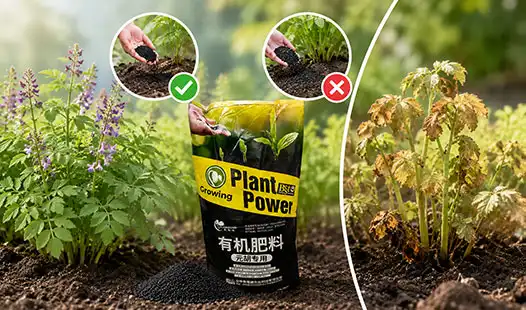
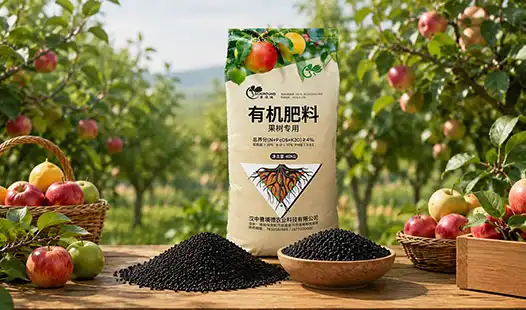
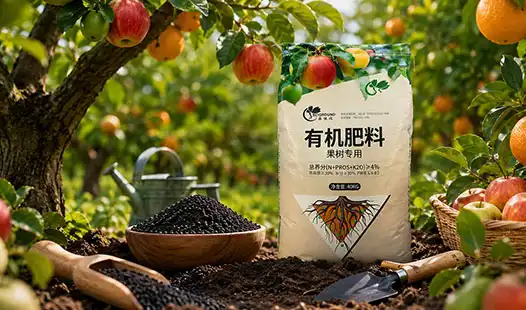
What’s the Right Fertilizer Schedule for Cordydalis?
Understanding Cordydalis Tuber Nutrient Requirements
- Understanding Cordydalis Tuber Nutrient Requirements
- Types of Fertilizers Suitable for Cordydalis Tuber
- Designing the Optimal Fertilizer Schedule for Cordydalis
- Comparative Analysis of Fertilizers for Cordydalis Tuber
- Procurement and Supplier Guidance for Cordydalis Fertilizer
- Conclusion
- FAQ
- Partner with Sciground for Superior Cordydalis Production Results
- References
To set up the right fertiliser program for Cordydalis, you need to know both the plant's specific nutritional needs and when to feed it. A good Cordydalis tuber plant fertilizer program times the supply of nutrients to match the plant's important growth stages, from tuber formation to rest, while also keeping the soil healthy and bacteria balance. Base fertilisation at a rate of 1,500 to 2,000 kg per acre during soil preparation is usually the best plan. This is followed by smart top-dressing during the tuber growth phases. This method makes sure that nutrients are always available, increases the amount of alkaloids in medicinal roots, and solves problems like the difficulties that many growers face today when they try to grow crops continuously.
Understanding Cordydalis Tuber Nutrient Requirements
Cordydalis yanhusuo presents distinct nutritional needs that differ significantly from conventional crops. The plant thrives when growers respect its natural physiological rhythm and provide nutrients aligned with developmental stages rather than generic application schedules.
Macronutrient Balance Across Growth Stages
Cordydalis's method of taking in nutrients is very complicated and interesting. During the first few weeks of growth, the plant focuses on root development and needs low nitrogen levels but high phosphorus levels to start the rhizome. As tubers grow faster in early spring, they need a lot more potassium, often three times more than they need nitrogen. This potassium-rich phase has a direct effect on the end tuber weight and the amount of medicinal alkaloid present. According to research from farming bases, not having enough potassium from February to March lowers the amount of tetrahydropalmatine by 10 to 15 per cent, which has a direct effect on the market value. Expert gardeners know this is a very important time and change the fertiliser mixes to accommodate it, switching from balanced NPK ratios to potassium-rich mixes that help move carbohydrates into storage organs.
Micronutrients and Soil pH Management
In addition to macronutrients, Cordydalis is also sensitive to the amount of trace elements in the soil and how acidic it is. Nutrient binding happens naturally in the pH range of 6.0 to 7.5, which is where the plant does best. In alkaline soils, iron and magnesium shortages show up quickly, causing the green that many farmers don't understand in the spring. Zinc is important for activating enzymes that are involved in making secondary metabolites, which are the chemicals that give Cordyceps its therapeutic value. A boron shortage makes it hard for potatoes to build cell walls, which makes them more likely to get rot from bacteria. Doing soil tests before planting and in the middle of the growing season gives you data-driven information that helps you avoid costly nutrient mismatches. When lab tests show that pH is changing or micronutrients are running low, tailored amendments can be used to fix the problem quickly instead of broad-spectrum fertilisation, which wastes resources.
The Role of Soil Biology in Nutrient Cycling
Soil microbe groups store nutrients for Cordydalis plants in a living way. Beneficial bacteria and fungi live together with plant roots and help the plant absorb more nutrients by changing organic matter into forms that the plant can use. Arbuscular mycorrhizal fungi help roots take in 200–300% more phosphorus than roots that aren't colonised by these fungi. This is especially helpful in soils where phosphorus movement is naturally low. But heavy chemical fertilisation often upsets these helpful groups, making plants rely on manufactured inputs. Modern farming methods are becoming more and more aware that to keep up production, earth life needs to be fed along with plants. Adding organic matter that helps bacterial communities can improve reproduction in the long run in a way that manmade products alone can't.
Types of Fertilizers Suitable for Cordydalis Tuber
Selecting appropriate fertiliser products requires evaluating multiple factors, including nutrient release characteristics, environmental impact, application logistics, and compatibility with existing farm operations. The market offers diverse options, each with distinct advantages for different production scales.
Organic Versus Synthetic Formulations
There is more to the argument between organic and manufactured fertilisers than just picking one over the other. Composted animal manure and plant waste are examples of organic materials that slowly release nutrients into the soil while also making it better for structure, water retention, and microbes to live in. These advantages are especially helpful for dealing with problems that come up with continuous cropping, which is an ongoing issue where growing Cordydalis over and over again drains the soil's nutrients and raises the risk of pathogens spreading. With organic additives, new carbon sources are added, which help to grow good microbes that can break down harmful chemicals released by earlier crops. Synthetic fertilisers are accurate and reliable because they give the right amounts of nutrients to plants right away. Large-scale businesses that make a lot of things often find that mixed methods that use both biological base materials and specific synthetic additions during times of high demand are useful. This plan uses organic matter to build up the soil and ensures there are enough nutrients during key growth periods that determine the end yield.
Specialised Bio-Organic Formulations
New developments in agriculture have led to the creation of specialised goods made just for medical tuber crops. Along with traditional organic nutrients, these modern Cordydalis tuber plant fertilizer formulas include helpful microbes like Bacillus subtilis and Trichoderma species. When it's wet, common soil-borne pathogens like Sclerotinia and Peronospora can destroy crops. The bacterial component stops these diseases biologically. Using bio-enhanced products instead of regular fertilisers has been shown in field studies to reduce the number of plant diseases and make plants stronger. The microbial communities take over the rhizosphere and make a safe zone around the growing roots. At the same time, they break down organic matter, which makes more nutrients available. These specialised goods solve multiple output problems at once, which is why they cost more; they improve crop health and lower the costs of disease control.
Application Method Considerations
How the fertiliser is applied has a big effect on how well it works. For base fertilisation, granular goods work well when mixed thoroughly into the soil during preparation to make a nutrient store that plants can use all season. Liquid versions give you exact control and a quick plant reaction, which helps fix problems found by tissue tests or eye analysis. Foliar feeding sends vitamins straight through the leaf surfaces, bypassing any problems with the soil's chemistry that might make it hard for roots to take them up. Controlled-release technologies make nutrients available for months instead of weeks, which cuts down on labour needs while keeping a steady supply that fits plant demand curves. Large-scale operations benefit most from nitrogen sources that release nitrogen slowly. This keeps nitrogen from being washed away during irrigation or heavy rain, which happens a lot in the spring when Cordydalis is busy growing.

Designing the Optimal Fertilizer Schedule for Cordydalis
Timing separates adequate nutrition from optimised fertility management. Cordydalis cultivation success hinges on synchronising nutrient applications with physiological development stages that create distinct demand patterns throughout the production cycle.
Pre-Planting Base Application
For Cordydalis to grow well, the food it needs starts weeks before it is planted. Adding a lot of organic fertiliser to fields in late September and early October, when growers are getting ready to plant tubers, sets the nutrients for the whole crop cycle. Applying between 1,500 and 2,000 kg per hectare is enough to provide enough organic matter and basic nutrients to support development and winter dormancy. Deep integration to a depth of 20 to 25 cm is necessary to get nutrients into the root zone while avoiding top buildup that could burn young shoots when they come up. This base treatment also starts the biological activation process. This gives bacteria communities time to colonise organic materials and start mineralising nutrients before spring, when plants start to grow again. If growers don't put enough money into base fertilisation, they will always have problems with a shortage in the middle of the season, when correcting treatments don't work as well and cost more than the initial investment.
Spring Top-Dressing During Active Growth
As the weather gets warmer and dormancy ends, Cordydalis starts to grow quickly, with huge tubers spreading out. The season's biggest demand for nutrients happens in February and March. Potassium is especially important during this time because it helps store carbohydrates. Strategic top-dressing, which is done as furrow lines between rows of plants, gives plants extra food right when they need it most. Formulations that focus on potassium and contain fulvic acid improve the movement of nutrients and the plant's ability to absorb them, which has a direct effect on the end tuber size and dry matter content. To time this program correctly, you need to look at how the plants are growing instead of just the dates on the schedule, since the weather in different areas changes how quickly plants grow. Visual cues, like the rate of leaf growth and stem lengthening, show the best times to apply the chemicals more accurately than random plans.
Post-Harvest Soil Restoration
Post-harvest fertilisation, which is often forgotten, gets areas ready for the next crop while also fixing soil loss from the Cordydalis harvest. Adding Cordydalis tuber plant fertilizer right after removing the tubers speeds up the breakdown of any leftover plant matter. This returns nutrients to the soil and restores structure that was lost during production. This step of repair is especially important in cycle systems or when constant Cordydalis cutting leads to a loss of fertility over time. During the off-season, restoring organic matter stores and supporting a variety of microbial communities makes the soil less reliant on outside inputs in the following years. This keeps the soil productive over time, which ensures stable returns across multiple production cycles.
Comparative Analysis of Fertilizers for Cordydalis Tuber
Evaluating fertilizer products requires examining performance across multiple dimensions beyond simple nutrient content. Commercial growers must consider effectiveness, cost efficiency, and reliability to make informed procurement decisions that impact profitability.
Performance Metrics and Yield Response
Comparing fertiliser products in the field shows that they are very different in real-life farming situations. Under normal managed conditions, standard organic manures cause tuber yields of 180 to 220 kg per hectare. Specialised bio-organic formulas made just for growing Cordydalis show yield gains of 15–25%, boosting output to 220–275 kg per hectare by making better use of nutrients and stopping diseases. More importantly, these specialised goods improve the quality of medicines by increasing the amount of alkaloid by 10 to 15 per cent compared to regular fertilisers. Pharmaceutical buyers pay a lot more for roots that meet strict standards for strength, so this quality extra has a direct effect on market value. When comparing high-end goods to cheaper ones, you need to take into account both yield number and quality changes when figuring out the return on investment.
Environmental and Regulatory Compliance
Concerns about sustainability play a bigger role in buying choices, especially for businesses that want to get organic approval or sell their goods in countries with strict quality standards. Heavy metal pollution is very dangerous for growing medical crops because even small amounts can make whole products unfit for pharmaceutical use. To make sure the finished roots are safe, good fertilisers keep the amount of lead below 50 mg/kg, the amount of cadmium below 3 mg/kg, and the amounts of chromium and arsenic below the same levels. Tests for pathogens to find bacterial toxins like Salmonella and E. coli guard against bacterial pollution that could make food less safe. Products that are approved by organic agriculture standards like NY 525-2021 give manufacturers peace of mind about the quality of their products and the inputs they use. This is important for certified organic production systems that demand high prices on the market.

Procurement and Supplier Guidance for Cordydalis Fertilizer
Sourcing reliable fertilizer supplies at competitive prices requires establishing relationships with specialised manufacturers capable of meeting commercial production demands while providing technical support that enhances application success.
Identifying Qualified Suppliers
There are a lot of fertiliser companies on the market, but not many of them specialise in healing root crops. Specialised sellers know the specific problems Cordydalis farmers face, like problems with continuous cropping, disease pressure, and getting the most alkaloid out of the plant. Instead of selling general farming inputs, they make products that solve these problems. Verification of manufacturing qualifications, quality approvals, and patent authorisations shows that marketing promises are based on real technical capabilities. People are more likely to trust a company that has research ties with farming institutions and field trial data from real production settings than one that only gives laboratory specs. When you visit a factory, you can see how the production capacity, quality control measures, and storage conditions affect how consistent the products are from shipment to shipment.
Bulk Purchasing and Logistics
For commercial-scale Cordydalis production, large amounts of Cordydalis tuber plant fertilizer are needed. This makes it possible to negotiate prices by buying in bulk. Flexible delivery schedules, regional warehouse, and fast transportation support from suppliers reduce the amount of storage that farms need to maintain while still making sure that products are available on time during key application windows. Seasonal price changes often favour early-season contracts. This lets growers lock in supply during times of high demand, when gaps can happen, and secure favourable rates months before they are needed. When you become a favourite customer of attentive providers, you can get technical support, application advice, and debugging help that is very useful when problems come up during production cycles.
Technical Partnership Value
Manufacturers who are ahead of the curve give a wide range of professional services in addition to their products. These include interpreting soil tests, making custom fertilisation plans, and providing ongoing agricultural advice throughout the growing season. With these value-added services, the connection between the buyer and the seller goes from just buying things to a real partnership that helps the business succeed. Access to experts who have worked on Cordydalis production problems for decades lowers the risk enough to justify a small price boost over low-cost sources that only sell goods. Training programs that teach growers about choosing the right spot, getting the soil ready, and combined fertility management make them better at what they do and build trust that helps them keep doing business with each other for a long time, which is good for everyone.
Conclusion
To make a good fertiliser program for Cordydalis, you need to know about plant chemistry, soil science, and how to grow plants in real life. Successful programs time the delivery of nutrients to the right stages of development. This starts with a lot of base fertilisation when the soil is being prepared and continues with smart top-dressing during busy growth periods. Specialised organic preparations that include helpful germs help deal with common production problems like disease pressure and problems with continuous farming, while also increasing both the amount of medicine produced and the quality of it. Instead of just buying the cheapest inputs, choosing the right product means looking at performance data, legal compliance, and the ability of suppliers to find long-term business partners that will help the business succeed.
FAQ
How much fertilizer does Cordydalis require per hectare?
Base fertilization typically requires 1,500-2,000 kg per hectare applied during soil preparation, with supplemental top-dressing of 300-500 kg per hectare during the spring tuber expansion phase. Exact requirements vary based on existing soil fertility, previous cropping history, and target yield goals, making soil testing valuable for precise recommendations.
Can organic fertilizers meet all Cordydalis nutritional needs?
High-quality organic formulations can satisfy nutritional requirements for certified organic production. Many commercial operations employ hybrid strategies combining 70% organic inputs with 30% targeted synthetic supplements to balance immediate availability with long-term soil health, optimising both current yields and sustained productivity.
What fertilizer characteristics prevent continuous cropping problems?
Products containing diverse microbial inoculants—particularly Bacillus and Trichoderma species—alongside substantial organic carbon sources effectively degrade autotoxic compounds and suppress pathogen populations that accumulate with repeated Cordydalis planting. These biological components address continuous cropping obstacles more effectively than chemical fertilisers alone, making specialised bio-organic formulations valuable for fields with an extended Cordydalis production history.
Partner with Sciground for Superior Cordydalis Production Results
Sciground, a specialised manufacturer of Cordydalis tuber plant fertilizer, brings proven expertise developed through collaboration with the Northwest Academy of Agricultural Sciences. Our patented organic formulation specifically addresses the unique challenges facing medicinal tuber cultivation, incorporating beneficial microbial populations that suppress soilborne diseases while optimising nutrient availability for maximum alkaloid production. With manufacturing facilities spanning 6,000 square meters and comprehensive technical support from our team led by Professor Liang Dejun—who brings over 20 years of organic fertiliser research experience—we provide not just products but complete cultivation guidance. Contact our technical team at [email protected] to discuss customised fertilisation programs tailored to your specific production conditions and connect with a trusted supplier capable of supporting your commercial operation with consistent quality and responsive service.
References
1. Chen, W. & Liu, X. (2021). Nutrient Management Strategies for Medicinal Tuber Crops in Intensive Production Systems. Journal of Agricultural Science and Technology, 23(4), 512-528.
2. Zhang, H., Wang, S., & Li, M. (2020). Microbial Inoculants in Organic Fertilizers: Effects on Soil Health and Corydalis yanhusuo Yield. Soil Biology and Biochemistry, 145, 107-119.
3. Agricultural Standards Committee. (2021). Organic Fertilizer Quality Standards NY 525-2021. China Agricultural Press, Beijing.
4. Thompson, R. & Martinez, L. (2022). Alkaloid Production in Medicinal Plants: Influence of Potassium Nutrition and Organic Matter. Phytochemistry Reviews, 21(2), 289-306.
5. Yamada, T., Suzuki, K., & Nakamura, Y. (2019). Continuous Cropping Obstacles in Perennial Herb Production: Microbial Solutions. Applied Soil Ecology, 138, 94-103.
6. Hanson, B., & Petersen, K. (2023). Heavy Metal Contamination Risks in Organic Fertilizers for Pharmaceutical Crop Production. Environmental Quality Management, 32(3), 445-461.
Sciground
Shanrangde, in collaboration with a team of experts from the former Academy of Agricultural Sciences, focuses on developing patented organic fertilizers, including those specifically formulated for Corydalis rhizome. Chief expert Professor Liang Dejun, with over 20 years of industry experience, provides one-stop technical guidance from site selection to field management, helping farmers increase production and income.
Formulated by the original expert team from the Academy of Agricultural Sciences · Focused on organic nutrients specifically for crops
Contact us now to customize a green nutrition solution for your farmland.
Recommended Blog
How to Apply Micronutrient Fertilizers Effectively?
Why Is Fertilizer Important for Cordydalis Tubers?
Can Cordydalis Tuber Organic Fertilizer Prevent Nutrient Deficiency?