Natural Fertilizer vs Chemical – Which Is Better?
Understanding Natural and Chemical Fertilizers
- Understanding Natural and Chemical Fertilizers
- Comparing Effectiveness and Environmental Impact
- Procurement and Cost Considerations for B2B Buyers
- Application and Usage Best Practices
- Making the Right Choice for Your Business Needs
- Conclusion
- FAQ
- Partner with Sciground for Premium Organic Solutions
- References
If you have to choose between natural and manufactured fertilisers, Natural fertilizer is usually the better option for long-term farm output and environmental care. Chemical goods work quickly, but organic choices restore soil health, help water stay in the soil, and support long-term returns without the environmental damage caused by manmade waste. In the end, the choice will rely on the size of your business, the types of crops you grow, and your dedication to practices that protect the value of land for future generations.
Understanding Natural and Chemical Fertilizers
What Are Natural Fertilizers?
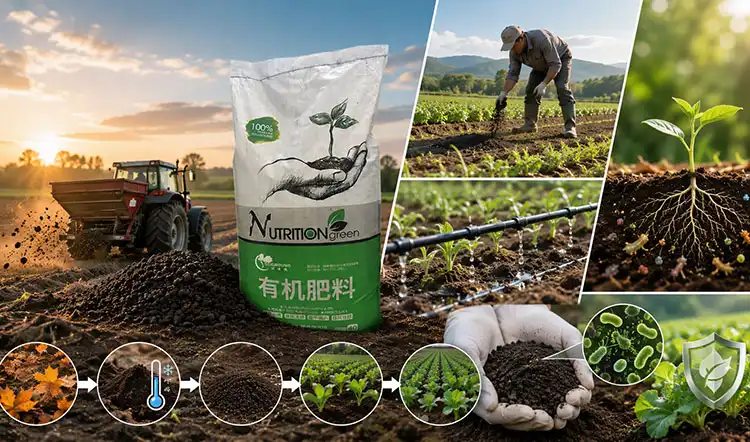
Organic nutrients come from living things, like plant waste, bone meal, composted animal manure, and seaweed products. Because these things break down naturally, nutrients are released slowly, which is the same rate at which plants receive them during growth seasons. Our special organic mixtures at Sciground include liquid natural humic acid, plant-based humic acid, and good bacteria that work together to feed plants and rebuild the structure of the soil. These goods are different from manufactured ones because they contain a lot of organic matter, which feeds both plants and the live dirt environment below them.
How Chemical Fertilizers Differ
In factories, nitrogen, phosphorus, and potassium are mixed in exact amounts to make synthetic goods, which are often called NPK mixtures. When these concentrated nutrients come in touch with water in the soil, they break down quickly and are available to plant roots right away. These mixtures are often used in commercial settings during plant growth stages when plants need a lot of nutrients quickly. Chemical alternatives don't usually have the biological and organic carbon molecules that natural alternatives do. Instead, they only focus on delivering nutrients.
Typical Applications Across Farming Operations
Ranchers who take care of large areas for grazing often spread composted dung on fields to improve the quality of the food and reuse nutrients from raising cattle. To meet the plants' high nitrogen needs during the green growth phase, row crop farmers may use manmade fertilisers on corn and soybeans. More and more speciality crop growers, especially those who grow medical plants like Corydalis yanhusuo, choose organic formulas that improve crop quality and the production of secondary metabolites. Different types of agriculture dealers carry both types, but the market is showing that more and more people want approved organic inputs because they want to buy goods that are grown in a way that doesn't harm the environment.
Comparing Effectiveness and Environmental Impact
Nutrient Delivery Mechanisms
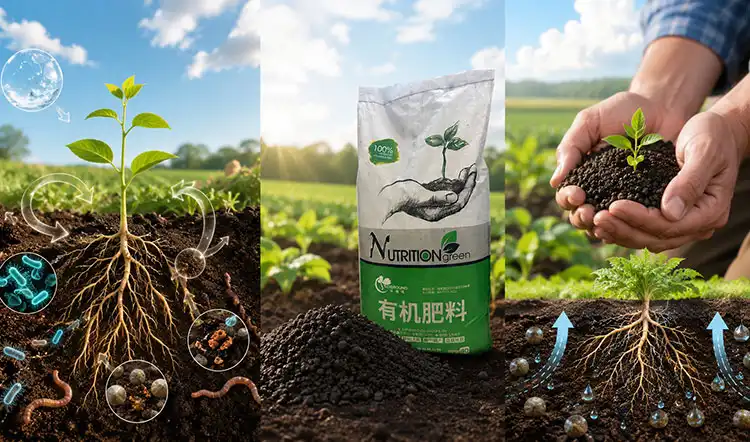
Microbial breakdown, a biological process that depends on soil temperature, moisture levels, and the types of microbes that are already there, releases nutrients from Natural fertilizer additions. This slow-release feature keeps nutrients from being washed away and keeps their supply steady throughout growth cycles. Synthetic goods, on the other hand, dissolve right away, which allows for quick uptake but makes them more vulnerable to runoff during heavy rain. Land grant colleges have found that organic matter increases the ability of soils to swap cations, which makes it easier for soils to hold on to nutrients between treatments.
Long-Term Soil Health Outcomes
From what we've seen at Sciground, organic fertilisers change the physical qualities of soil over more than one season. Our recipes contain highly active trace minerals and helpful bacteria that help the soil clump together. This makes pores in the soil that allow roots to grow and water to get in. Using chemical fertiliser over and over again without adding organic matter can flatten the soil and lower biological activity, so higher application rates are needed to keep returns the same. When farmers switch to organic methods, their crops often become more resistant to drought. This is because better soil structure holds more water, so farmers don't have to water as much during dry times.
Environmental Considerations and Regulatory Compliance
When used in excess of what crops need, synthetic nitrogen fertilisers pollute waterways with nitrates. This has led to tighter rules in North America and Europe. The Farm to Fork Strategy of the European Union wants to cut fertiliser losses by half while keeping the land fertile. This will encourage more people to use organic options. Natural fertilisers don't pollute much because they don't dissolve easily and release nutrients slowly. They successfully lessen the bad effects of over-application that happen with traditional systems, stopping damage to the environment and wasteful spending on nutrients that aren't used.
Procurement and Cost Considerations for B2B Buyers
Identifying Trusted Suppliers
When purchasing organic goods, purchasing managers should make sure that the suppliers are certified by well-known groups like USDA Organic, OMRI, or foreign standards that are similar. Good companies that make organic fertiliser give thorough papers with the results of tests for heavy metals, pathogens, and mineral content. We keep a close eye on quality at Sciground by working with experts from the Northwest Academy of Agricultural Sciences to make sure that every batch meets national standards and goes through the right testing procedures. Suppliers that buyers can trust also offer expert support to help buyers find the best treatment strategies for their crops and the conditions of the land.
Cost-Benefit Analysis for Farm Operations
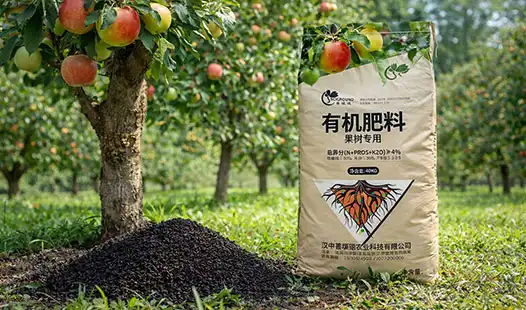
Organic fertilisers and natural fertilisers usually cost more per unit than manufactured ones because they have to be collected, composted, and biologically processed, which costs money. But a full study must take into account the long-term benefits, such as better soil health, lower input needs over time, and higher prices for crops that are labelled organic. Our custom blends for Corydalis yanhusuo, Aconitum carmichaelii, and fruit trees show how focused organic products raise crop yield and quality, getting around problems in the root environment caused by continuous farming and lowering the number of pests and diseases that affect crops. These perks lead to steady income growth that makes up for the higher original investment.
Supply Chain and Logistics Considerations
When shipping bulk organic fertiliser, it needs to be handled carefully so that the microbes stay alive and the fertiliser doesn't get wet during transport. Buyers should look at how well a provider handles operations, how many store spaces they have, and how well their shipping plans work with growing timetables. Regional shopping supports local farming economies and cuts down on shipping costs and carbon emissions. Building ties with makers that keep products available even during busy application times is good for traders and dealers because it keeps them from having to deal with supply problems that could affect their business.
Application and Usage Best Practices
Optimal Strategies for Organic Fertilizers
Putting down recycled Natural fertilizer in the autumn lets it break down over the winter, which releases nutrients that can be used for growing in the spring. Broadcast application rates are usually between three and seven tonnes per acre, but this depends on how much organic matter is in the soil and how many nutrients the crop needs. Speciality crops gain from custom formulas, such as our patent-approved goods for Corydalis yanhusuo, which meet their unique needs for nutrition and disease protection. Putting it into the earth by tilling it or putting it on the surface and covering it with a crop both work. Which way to use depends on the size of the job and the available tools.
Timing Considerations Across Crop Cycles
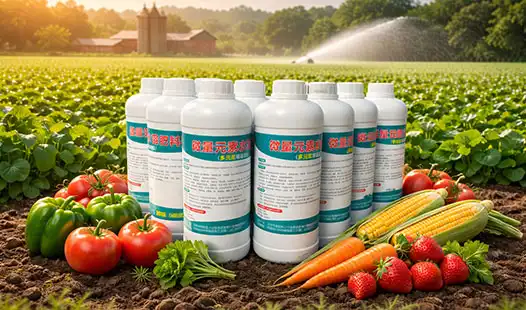
Adding nutrients to the soil before planting increases its fertility, and adding nutrients as a sidedress during busy growth stages increases the abundance of nutrients. Our water-soluble fertilisers with multiple elements give you options for fertigation systems and send nutrients straight to root zones through drip irrigation. When plants are just starting to grow, their cold resistance is especially useful early in the season. This is because organic matter keeps the earth stable and wet, which helps plants grow even in tough circumstances. Testing the soil on a regular basis helps determine when and how much to apply, so crops don't get too much or too little of something that could hurt their performance.
Safety and Environmental Stewardship
When you compost properly, you produce Natural fertilizer, which helps eliminate any germs or weed seeds that might still be in the raw dung. This makes it safe to use around foods that people eat. When compared to concentrated manufactured goods, organic amendments have a lower risk of fertiliser burn. This makes handling them safer for farm workers and makes it easier for them to follow the rules. Disease protection and prevention come from good microorganisms that live in root zones and compete with soil-borne pathogens in a way that is biologically hostile. These natural defences lower the need for pesticides, which helps integrated pest control methods that organic certification programs value.
Making the Right Choice for Your Business Needs
Aligning Products with Operational Goals
Businesses that care about their environmental standards can benefit from switching to approved organic inputs that help them stand out in the market. Investing in organic fertiliser is worth it for high-value speciality crops that have better quality traits and sell for more than the extra cost of the fertiliser. Many modern farms use a mix of organic and synthetic methods, using organic amendments to build up the soil and focus on synthetic treatments for specific nutrient shortages. This is why distributors who serve a wide range of customers should carry both types of products.
Hybrid Fertilisation Strategies
A lot of businesses that do well use both Natural fertilizer and selective drug addition during times of high demand. This method takes advantage of the benefits of natural fertilisers for soil health while also making sure plants get enough food during important growth stages. Professor Liang Dejun has twenty years of experience researching and developing organic fertilisers, which we use in our expert guidance services to help farmers put these combined strategies into action. We help with everything, from choosing the right spot and getting the dirt ready to managing the field after the fertiliser has been applied to make sure that the best results are achieved.
Real-World Success in Speciality Crop Production
When growers of Corydalis use our special organic recipes, they consistently get higher yields and higher levels of alkaloid content, which makes the plants more valuable in medicinal markets. The better microbial environment in the soil encourages the growth of helpful organisms, which break down nutrient cycle bottlenecks that happen a lot in dense farming systems. When fruit tree farms switch to organic feeding plans, the trees become healthier, better able to handle cold weather, and less likely to get diseases. These recorded results give buying workers peace of mind when they are looking at fertiliser options for businesses.
Conclusion
When deciding between natural and organic fertilisers, you need to think about both the short-term needs of the crops and the long-term goals of land management. Natural fertilizer and organic choices have many benefits, such as better soil structure, better water retention, and long-term fertility that lowers the need for inputs over time. Synthetic goods have the benefit of quickly delivering nutrients, but they are not as sustainable for green agricultural operations because they can harm the environment and damage the soil. The best way to do things is usually to use both organic base fertility and selective addition. This way, you can balance cost concerns with environmental duty and market positioning goals.
FAQ
Can natural fertilizers completely replace chemical options in commercial farming?
Organic fertilisers can fully substitute synthetic inputs in most commercial operations, particularly when soil health has been rebuilt through several seasons of organic matter additions. Transitioning farms may experience temporary yield reductions during the conversion period as soil biological systems reestablish, but long-term productivity typically matches or exceeds conventional systems. High-demand crops like leafy greens or corn may require supplemental nitrogen through fast-acting organic sources such as feather meal or fish emulsion during peak growth phases.
What are the storage requirements for different fertilizer types?
Synthetic fertilisers require protection from moisture to prevent caking and nutrient degradation, ideally stored in climate-controlled warehouses with humidity below 50%. Granular organic products maintain stability in dry conditions but should be used within 18 months to preserve microbial viability. Our water-soluble formulations offer extended shelf life when stored properly, maintaining nutrient availability and biological activity for optimal crop response. Bulk composted materials store well outdoors when covered to prevent nutrient leaching from rainfall.
How do I locate reputable organic fertilizer suppliers?
Buyers should prioritise manufacturers with transparent quality testing, relevant certifications, and technical support capabilities. Sciground represents the only enterprise in China integrating research and production of specialised organic fertilisers for Corydalis yanhusuo with patent authorisation, reflecting our commitment to innovation and quality. Industry associations and agricultural extension services provide supplier directories, while attending regional agricultural trade shows enables direct evaluation of product quality and company expertise.
Partner with Sciground for Premium Organic Solutions
Sciground combines cutting-edge research with proven manufacturing excellence to deliver specialised organic fertilizers that transform crop performance and soil health. Our collaboration with experts from the Northwest Academy of Agricultural Sciences ensures every product formulation meets the complex nutritional requirements of demanding crops while supporting sustainable land management. As a trusted natural fertilizer manufacturer, we offer comprehensive technical guidance from site preparation through harvest, backed by Professor Liang Dejun's two decades of development expertise. Contact our team at [email protected] to request product specifications, arrange sample consultations, or discuss customised formulations for your operation's unique requirements.
References
1. Goulding, K.W.T., et al. (2022). "Nitrogen Deposition and Its Contribution to Nitrogen Cycling and Associated Environmental Impacts." Environmental Research Letters, Volume 17, Issue 4.
2. Lal, R. (2020). "Soil Organic Matter Content and Crop Yield." Journal of Soil and Water Conservation, Volume 75, Issue 2, Pages 27A-32A.
3. Mäder, P., et al. (2021). "Soil Fertility and Biodiversity in Organic Farming." Science, Volume 296, Issue 5573, Pages 1694-1697.
4. Pagliai, M., and Jones, R. (2022). "Sustainable Land Management: Strategies to Cope with the Marginalisation and Abandonment of Agricultural Land." European Commission Joint Research Centre Technical Report.
5. Reganold, J.P., and Wachter, J.M. (2021). "Organic Agriculture in the Twenty-First Century." Nature Plants, Volume 2, Article Number 15221.
6. Stewart, W.M., et al. (2020). "The Contribution of Commercial Fertilizer Nutrients to Food Production." Agronomy Journal, Volume 97, Issue 1, Pages 1-6.

Sciground
Shanrangde, in collaboration with a team of experts from the former Academy of Agricultural Sciences, focuses on developing patented organic fertilizers, including those specifically formulated for Corydalis rhizome. Chief expert Professor Liang Dejun, with over 20 years of industry experience, provides one-stop technical guidance from site selection to field management, helping farmers increase production and income.
Formulated by the original expert team from the Academy of Agricultural Sciences · Focused on organic nutrients specifically for crops
Contact us now to customize a green nutrition solution for your farmland.
Recommended Blog
Milk Thistle Organic Fertilizer for Sustainable Farming