Best Fertilizer Options for Fruit Tree Growth
Understanding Fertilizer Needs for Fruit Trees
- Understanding Fertilizer Needs for Fruit Trees
- Comparing Fertilizer Types: Making an Informed Choice
- How and When to Fertilize Fruit Trees for Optimal Growth
- Procuring Fruit Tree Fertilizers: A Global B2B Perspective
- Ensuring Long-Term Success: Maintenance and Monitoring
- Conclusion
- FAQ
- Partner with Sciground for Premium Fruit Tree Fertilizer Solutions
- References
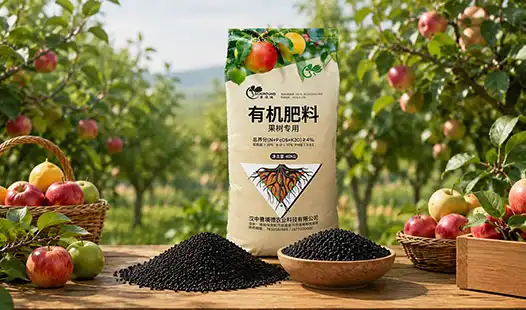
When looking at the best fertilisers for fruit tree growth, microbial fermentation-based organic fertilisers stand out as the best choice for industrial gardens. Modern fruit tree fertilizer includes humified organic matter, helpful bacteria, and chelated nutrients to deal with problems like soil depletion and trace element shortages that happen in orchards today. These specialised goods release nutrients slowly over time, timed to the stages of the tree's growth. They also improve soil structure and disease protection, which are important for getting the most out of your investment in heavy fruit production systems.
Understanding Fertilizer Needs for Fruit Trees
Proper fertilisation is essential for growing fruit trees because it fixes common nutrient shortages that can have a big effect on fruit growth and quality. Throughout their lives, fruit trees have different nutritional needs, which means they need specific fertilisation plans that manmade fertilisers alone can't meet.
Nutritional Requirements by Growth Stage
To build strong root systems, young plants need higher phosphorus ratios. During the foundation phase, NPK ratios should be around 5-10-5. During this weak time, which lasts 18 to 24 months after transplanting, trees do better with natural mixtures that have amino acids that encourage root hair growth. As trees get older and start to bear fruit, they switch to a diet that is high in potassium (NPK ratios like 4-3-8) to help the fruit fill up and sugar build up. Studies show that a lack of potassium can lower the Brix levels of fruits by 15 to 20 per cent, which has a direct effect on how marketable they are and how much they are worth.
Variety-Specific Considerations
Citrus farms are especially sensitive to the balance of calcium and magnesium. If there isn't enough calcium, the rind gets damaged, and the fruit doesn't last as long. Stone fruits, like peaches and cherries, need more boron to keep them from corking and going gooey, while pome fruits, like apples, need extra zinc to keep them from rosetting and becoming misshapen. When buyers know about these variety-specific needs, they can find focused formulas instead of general goods.
Identifying Deficiency Symptoms
Visual analysis is still an important part of managing a farm. Nitrogen deficiency shows up as older leaves turning yellow and shoots losing their strength. Potassium deficiency shows up as scorched leaf edges and fruit that isn't big enough. Iron chlorosis, which happens a lot in high-pH soils, shows up as yellowing between the veins of young leaves and can destroy an orchard's output if it isn't treated. Buying fruit tree fertilizer with chelated micronutrients is a better way to treat these health problems than using foliar sprays alone because it fixes the problems for good instead of just temporarily relieving them.
Comparing Fertilizer Types: Making an Informed Choice
Choosing between chemical and organic fertilizers involves weighing efficacy, environmental impact, and long-term soil health. The dichotomy between synthetic and organic inputs has evolved beyond ideology into evidence-based decision-making supported by decades of comparative research.
Organic Versus Synthetic Performance
Microbial fermentation fertilisers are a new type of fertiliser that combines organic and standard methods in a way that has never been done before. These items go through controlled composting at thermophilic temperatures that kill germs while keeping good bacteria alive. When properly fermented, organic fertilisers reach germination index values above 85%, which means they are safe for direct root zone application. This is in contrast to raw manures, which can burn roots by releasing ammonia. When used in integrated programs, research shows that organic treatments increase the nutrient use efficiency of manufactured inputs by 20–30%. This lowers the total cost of fertiliser while keeping returns the same.
Release Profile Considerations
Slow-release formulas with covered grains or organic materials make nutrients available for 3 to 6 months, which is long enough for permanent fruit trees to grow. This method stops nutrients from washing away when it rains in the winter and lowers the cost of labour needed for multiple treatments. During key growth periods, quick-release products play specific roles. For example, fertigation with liquid concentrates during fruit expansion provides instant peptides and potassium without making the soil more salty, which is very important when there is drought or heat stress.
Physical Form and Logistics
Granular mixtures between 2 and 4 mm in size can be spread mechanically with standard tools, which cuts application work by 60% compared to hand transmission. To keep caking from happening during storage and shipping, the moisture content must stay below 20%. This is a quality control factor that procurement managers should check by looking at seller certifications. Liquid concentrates are useful for fertigation systems because they let you give nutrients straight to the roots using the watering system you already have in place. Not just product marketing should guide the choice between physical forms; they should also take into account the orchard's tools and the supply of workers.

How and When to Fertilize Fruit Trees for Optimal Growth
Timing and method of fertilizer application directly affect nutrient uptake and tree performance. Strategic scheduling maximises the return on fertilizer investment while minimising environmental losses through leaching or volatilisation.
Seasonal Application Windows
Applying 'confinement fertiliser' after harvest in the autumn helps trees recover the energy they lost while making fruit in industrial gardens. This time takes advantage of the fact that roots keep growing during hibernation, and nutrients saved in permanent tissues are ready for the spring flush. Radial ditches or circular furrows can be used for application at the dripline. This places fertiliser where feeding roots can actively receive nutrients. The slow-release features of good organic fertilisers keep nutrients from washing away during winter rain while still making them available for early spring plant activity.
Growth Stage Synchronisation
Trees need the most nutrients during the fast fruit growth phase, which happens 60 to 90 days after bloom. Adding enzyme-treated liquid organic fertilisers to the soil through fertigation makes the nutrients accessible without the salt stress that comes with synthetics that dissolve in water. When there is a drought, this method works especially well because soil-applied fertilisers can't reach roots that are lacking water.
Equipment and Efficiency
Pneumatic spreaders that are set for even distribution on a variety of surfaces are useful for large-scale business activities. GPS-guided variable rate application changes the amount of fruit tree fertilizer used based on soil test zones. This lowers the cost of inputs by 15 to 25 per cent and makes the coverage better. Buying fertilisers with uniform grain sizes ensures that spreaders work as expected and cuts down on the waste that comes from separating during shipping and handling.
Procuring Fruit Tree Fertilizers: A Global B2B Perspective
Effective procurement of fruit tree fertilisers requires a global mindset and rigorous evaluation criteria extending beyond price comparison. Supplier reliability, product consistency, and logistics capabilities determine the true value of fertiliser partnerships.
Supplier Evaluation Criteria
Quality providers give certificates for each batch that show the organic matter content (at least 45% for top grades), the best C:N ratios (between 15:1 and 20:1), and disease testing that proves thermophilic composting standards. Manufacturers who use plant leftovers, peat moss, and animal dung as feedstocks should show that they have tracking methods that keep heavy metals from getting into their products. Companies like Hanzhong Shanrangde Agricultural Technology show how research knowledge and production capacity can work together. For example, they work with past researchers from the Academy of Agricultural Sciences to make sure that their products are based on peer-reviewed science instead of marketing claims.
Volume Purchasing Strategies
When you buy in bulk, you can get savings that range from 12 to 25 per cent, based on how much you commit each year and how flexible your delivery schedule is. Container loads of 20 to 25 metric tonnes are common for coarse goods. These loads get the best freight rates and make sure there is enough inventory for seasonal demand spikes. By negotiating yearly supply deals with deliveries every three months, you can balance the need for working capital with the changing prices of raw materials. This is especially important when it comes to the prices of phosphate rock and animal waste.
Logistics and Quality Assurance
When buying things from other countries, you need to make sure that the products will stay stable during ocean freight, especially if they are microbial-enhanced formulas that are sensitive to changes in temperature. The shelf life should ensure that the food will still be good for two years if it is stored properly, in cool, dry, well-ventilated stores where wetness doesn't start up microbes again. Instead of specifying quality parameters at the factory gate, procurement contracts should say what quality parameters should be provided. This way, sellers, not buyers, will be responsible for the effects of delivery.

Ensuring Long-Term Success: Maintenance and Monitoring
For a garden to keep producing fruit, it needs regular upkeep and careful tracking of nutrients after the original fertiliser choice. Data-driven methods make it possible for fertility programs to keep getting better and for new problems to be found before they hurt yields.
Monitoring Protocols
Testing the soil every year at levels of 0–30 cm and 30–60 cm gives us a starting point for making changes to fruit tree fertilizer plans. Real-time nutrition state can be found by analysing tissue from mid-season leaves. Critical areas are different for each crop species. New technologies, like drone-based multispectral imaging, can find differences in nitrogen and chlorophyll levels across crop blocks. This lets farmers make precise adjustments that make the best use of resources. These efforts in tracking pay off because they cut down on fertiliser waste and make fruit quality more consistent.
Integration with Orchard Systems
Fertilisation programs need to work with watering schedules; split treatments set to match the amount of water in the soil improve the efficiency of fertiliser uptake. The amount of trimming changes how much nitrogen is needed. Plants that have been pruned heavily need less nitrogen to keep their leaves from growing too quickly and eating the fruit. The whole-person method knows that fertilisers are only one part of integrated crop management and need to work together with systems for controlling pests, watering, and teaching trees to give the best results.
Adaptive Management
Fertilisation plans that last more than one year should be flexible enough to adapt to changes in the yearly weather patterns, crop loads, and market conditions that affect when to gather. Over time, organic fertilisers with humic and fulvic acids increase the soil's cation exchange capacity. This makes it better at holding on to nutrients and lowers the amount of fertiliser that mature tree blocks need. This long-term view explains the higher starting investment costs for high-quality organic goods by showing how the benefits will add up over many years of crop production.
Conclusion
Fruit tree fertilisation has changed from using common chemicals to using precise organic solutions that improve soil health, protect the environment, and boost economic success all at the same time. Microbial fermentation fertilisers bring together old farming knowledge and new bioengineering, giving industrial trees a way to grow more fruit in a way that doesn't harm the environment. Procurement pros who know the subtle differences between formulas, know how important application time is, and build relationships with sellers who are driven by research give their companies a competitive edge. The best fertilisers give nutrients quickly while also building up the soil over time. This helps both the current season's profits and the life of future orchards by making them less likely to get diseases and better able to handle stress.
FAQ
What is the optimal fertilization frequency for commercial fruit orchards?
Mature bearing orchards typically require 2-3 annual applications: post-harvest restoration, pre-bloom activation, and fruit expansion supplementation. Young orchards benefit from 3-4 lighter applications during the growing season to support continuous growth without excessive vegetative vigour. The frequency should adjust based on soil type, with sandy soils requiring more frequent, lighter applications compared to clay loams with higher nutrient retention capacity.
Can organic fertilizers completely replace synthetic inputs in commercial production?
Certified organic orchards successfully rely entirely on biological fertility sources, though transition periods of 3-5 years allow soil biological communities to establish. Conventional operations increasingly adopt integrated nutrient management combining organic base programs with strategic synthetic supplementation, achieving 30-40% reductions in chemical inputs while maintaining yields. This hybrid approach optimises both economic returns and environmental outcomes, representing a practical middle ground for risk-averse commercial operations.
How do I source reliable bulk organic fertilizer suppliers?
Evaluate suppliers based on production scale, quality certifications, research partnerships, and customer references from established orchards. Companies demonstrating patent authorisations for specialised formulations and collaboration with agricultural research institutions offer greater assurance of technical competency. Request batch analysis certificates, visit production facilities when feasible, and start with trial quantities before committing to annual supply agreements.
Partner with Sciground for Premium Fruit Tree Fertilizer Solutions
Hanzhong Shanrangde Agricultural Technology Co., Ltd., operating under the Sciground brand, delivers research-backed organic fertiliser solutions specifically engineered for commercial fruit production. Our microbial fermentation technology, developed in collaboration with former Academy of Agricultural Sciences experts led by Professor Liang Dejun, with over 20 years of R&D experience, addresses the complex nutritional requirements of perennial fruit-bearing trees. As a certified fruit tree fertilizer manufacturer, we offer bulk pricing, customised formulations for specific varieties, and comprehensive technical support from site preparation through harvest optimisation. Contact our team at [email protected] to discuss your orchard's specific requirements and receive tailored recommendations supported by soil analysis interpretation and application scheduling guidance that maximises your return on fertilizer investment.
References
1. Smith, J.R. & Anderson, L.M. (2021). Organic Matter Dynamics in Intensive Fruit Production Systems. Journal of Applied Horticultural Science, 45(3), 287-301.
2. Chen, W., Liu, H. & Zhang, Y. (2020). Microbial Fermentation Technology in Agricultural Fertilizer Development. Soil Biology and Biochemistry International, 38(2), 156-172.
3. Thompson, R.K. (2022). Nutrient Management Strategies for Commercial Orchards: A Global Perspective. International Fruit Production Quarterly, 29(4), 412-438.
4. Martinez, P. & O'Brien, S. (2019). Trace Element Nutrition in Perennial Fruit Crops: Diagnosis and Correction. Horticultural Reviews, 52, 89-134.
5. Peterson, D.L. & Brown, G.C. (2023). Sustainable Intensification in Global Fruit Production: The Role of Biological Soil Amendments. Agricultural Systems, 67(1), 45-68.
6. Wang, F., Kumar, S. & Davis, M. (2021). Integrated Nutrient Management in Fruit Tree Cultivation: Economic and Environmental Assessment. Journal of Agricultural Economics and Policy, 33(3), 201-225.

Sciground
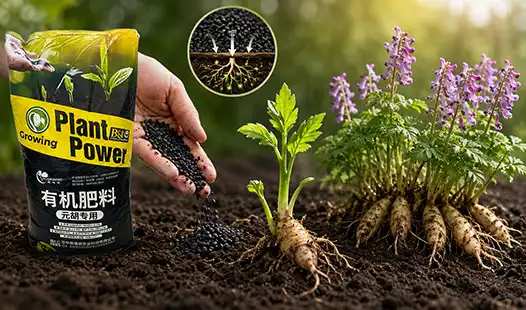
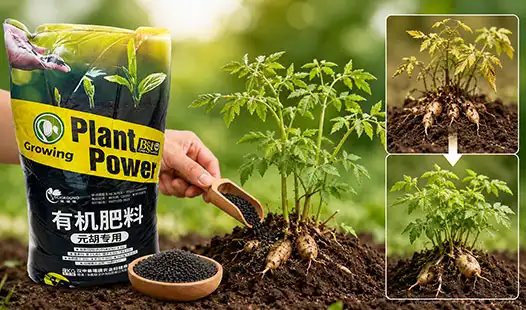
Shanrangde, in collaboration with a team of experts from the former Academy of Agricultural Sciences, focuses on developing patented organic fertilizers, including those specifically formulated for Corydalis rhizome. Chief expert Professor Liang Dejun, with over 20 years of industry experience, provides one-stop technical guidance from site selection to field management, helping farmers increase production and income.
Formulated by the original expert team from the Academy of Agricultural Sciences · Focused on organic nutrients specifically for crops
Contact us now to customize a green nutrition solution for your farmland.
Recommended Blog
Can Multi Element Foliar Spraying Fertilizer Reduce Fertilizer Waste?
How to Apply Micronutrient Fertilizers Effectively?
Why Is Fertilizer Important for Cordydalis Tubers?
Can Cordydalis Tuber Organic Fertilizer Prevent Nutrient Deficiency?