Foliar Fertilizers: A Complete Guide for Farmers
Understanding Foliar Fertilizers: Basics and Benefits
- Understanding Foliar Fertilizers: Basics and Benefits
- Comprehensive Application Guide for Foliar Fertilizers
- Comparing Foliar Fertilization with Conventional Fertilizing Methods
- Choosing and Procuring Foliar Fertilizers for High-Yield Farming
- Conclusion
- FAQ
- Partner with Sciground for Premium Foliar Fertilizer Solutions
- References
Foliar fertilizers represent a revolutionary approach to crop nutrition, delivering nutrients directly through plant leaves rather than soil application. This specialized feeding method enables rapid absorption of essential minerals, bypassing soil limitations and providing immediate correction of nutrient deficiencies. Modern farming operations increasingly rely on foliar feeding to optimize plant health, enhance stress resistance, and maximize yields across diverse agricultural systems. Understanding proper application techniques and selecting quality formulations can transform your farming operation's productivity and profitability.
Understanding Foliar Fertilizers: Basics and Benefits
The Science Behind Foliar Nutrition
Foliar fertilizers function through a sophisticated biological process where nutrients enter plants directly through leaf surfaces. Unlike traditional soil applications, this method utilizes stomatal openings and hydrophilic pores within leaf cuticles for nutrient uptake. Plants can absorb nutrients through their leaves up to 20 times faster than through roots, making foliar feeding particularly valuable during critical growth phases. The leaf surface contains thousands of microscopic openings that facilitate gas exchange and water vapor release. These same pathways allow dissolved nutrients to enter plant tissues directly, bypassing potential soil chemistry issues that might limit root uptake. Research from agricultural universities demonstrates that foliar-applied nutrients achieve 90% absorption rates within 24 hours, compared to soil applications that may require weeks for complete uptake.
Key Advantages of Foliar Feeding Systems
Foliar nutrition offers distinct advantages over conventional soil fertilization methods. Plants experiencing root stress from drought, waterlogging, or soil-borne diseases can continue receiving essential nutrients through leaf application. This feeding method proves particularly effective in alkaline soils where micronutrients like iron, zinc, and manganese become chemically bound and unavailable to plant roots. Multi-element foliar spraying fertilizers deliver comprehensive nutrition packages containing balanced ratios of macro and micronutrients. These formulations enhance overall plant health, regulate soil pH conditions, and improve plant resistance to environmental stresses. The rapid nutrient delivery system supports plants during peak demand periods such as flowering, fruit set, and grain filling stages when soil uptake rates cannot meet physiological requirements.
Nutrient Absorption Mechanisms
The absorption process begins when nutrient solutions, foliar fertilizers, contact leaf surfaces and penetrate through cuticular wax layers. Stomatal uptake occurs primarily during early morning and evening hours when these openings are most active. Temperature, humidity, and leaf age significantly influence absorption rates, with younger leaves typically showing higher uptake efficiency. Chelated nutrients in foliar formulations remain stable and readily available for plant absorption. These specially treated minerals resist precipitation and maintain biological activity across various pH ranges. Advanced formulations include surfactants and penetrating agents that enhance solution spreading and improve nutrient penetration through leaf barriers.
Comprehensive Application Guide for Foliar Fertilizers
Optimal Timing Strategies
To make the soil healthier, the first thing that needs to be done is to figure out when to use the stuff. Fertilizing plants every two weeks is best, especially when they are growing a lot. Your plants should grow less often if you don't use them. Now that it's not too wet, the microorganisms in the soil can use the nutrients well.Making sure the soil always has the right amount of nutrients is important for the plants and animals that live there. Most of the time, light treatments once a week work better than heavy treatments once a month for long-term improvement.
Application Methods and Equipment
A lot of apps are made to help with different kinds of farming.
It is possible to farm with water-soluble fertilizers in many situations. Each type is good for the soil in its own way. To get the most out of the soil, do the following:
- With drip irrigation, the soil always has the right amount of water, and nutrients go straight to the roots. It's good for the tiny living things that live in the soil that they don't move it around too much.
- The plants stay healthy when you put something on the soil and then on their leaves. The roots can add organic matter and dig into the soil.
- Use in hydroponic systems: Because these fertilizers don't have soil in them, they can be used to condition growing media and get it ready for gardening in soil in the future.
The different ways these water-soluble formulas are used show how useful they are in farming. Every method changes the structure of the soil and the living things that live in it to make it better.
Safety Protocols and Best Practices
With the right amounts, both short- and long-term goals for soil health can be met. Bugs in the soil can be hurt by too much or too little. The soil won't get the nutrients it needs for plants and animals to grow quickly if you don't use enough. A lot of efforts to improve the soil's health don't use harsh methods. Instead, they use ones that are normal and mild.
Comparing Foliar Fertilization with Conventional Fertilizing Methods
Speed and Efficiency Analysis
Farmers can take better care of their soil if they Foliar fertilizers know how foliar fertilizers compare to other sources of nutrients. Various types of fertilizer can be used to improve the soil.
There are many ways to release nutrients quickly or slowly.
When you mix a formula with water, the nutrients are ready to use right away. This lets plants quickly handle stress and bad soil. Good microorganisms can grow quickly with this trait. This also makes the soil better and speeds up the process of recycling nutrients. Granular fertilizers, on the other hand, take longer to start feeding plants. This might be good for the soil in the long run, but it might not fix the problem right away. Small living things in the soil can quickly get together because they can get food right away from things that break down in water. There are better ways to release nutrients into the soil that do it more slowly than this one. This one gets the job done faster.
Environmental Impact Considerations
Different types of water-soluble fertilizers are better for the soil. They have more organic matter, so more microbes can live in them. On the other hand, synthetic versions always work and have the right amount of nutrients. When you use organic fertilizers that break down in water, they add more organic matter to the soil. They also make it easier for good bacteria to grow, which naturally makes the soil better. The man-made ones always work the same way and let you tightly control nutrients if you need to fix soil problems quickly.
What does the ground and everything else around us do?
Most of the time, it is better for the environment to use water-soluble fertilizers instead of granular ones. When they are used right, soils naturally keep nutrients in the ground. They also cut down on the nutrients that run off and make groundwater dirty.
Cost-Benefit Analysis
Big farms need to find cheap ways to use fertilizer that still keeps the soil healthy. People who sell things need to know how the market works and what they can do to make sure that programs to improve the soil work.
When hiring a supplier, things you should think about
It can be hard to find water-soluble fertilizers because of where they are sold. If we check the quality of each formula, we can make the soil better. Being able to get technical help when they need it will help them make the best use of their land. A reliable seller will tell you everything you need to know about their goods, such as how to use them and studies that show how they will affect the soil. To make programs that work, improve soil health, and produce measurable results, you need to know these things. Good fertilizers that mix with water are worth the money because they make the soil better over time, so you will need to do less work. You can handle bugs and changes better when the soil is healthy. This will save you money in the long run. If you buy a lot, you can save a lot of money and always have what you need. Long-term plans to improve and add to the land with these deals help make them happen.
Getting suppliers for a long time
For technical help and making your own mixes, you can talk to the people who sell water-soluble fertilizer if you know them well. A lot of companies can test the soil and give farms advice on the best nutrient plans for their health.
Choosing and Procuring Foliar Fertilizers for High-Yield Farming
Quality Standards and Product Selection
Putting water-soluble fertilizers to use in real life shows that they can be helpful in many farming situations. This collection of true stories can help any farmer who wants to start a program to make the soil healthier.
Farmers who have done well in business
People in California who grew vegetables and used water-soluble fertilizer said it made the soil 25% more organic. So that the microbes and nutrients could work best, these farms added nutrients and checked the soil often. For better soil health, cotton farmers in Texas use cover crops and fertilizers that break down in water. It made the soil stronger and better able to hold water. Also, it slowed down the erosion and loss of soil.
Supplier Evaluation Criteria
Water-soluble fertilizers can be used to make the substrate, foliar fertilizers, and grow medium better for plants. This is proof that mixtures that dissolve in water can be used in many situations to help plants grow. Scientists use them in the lab to find out more about how nutrients are used and how plants and soil interact. Studies with strict rules can help make the soil better and change how things are used in the field.
Storage and Handling Requirements
Some parts of orchards need better soil around the roots of fruit and nut trees. Water-soluble fertilizer is a great way to do this. More nutrients are taken in, and good soil organisms that keep root diseases at bay are also helped. Grapevines are fertilized with water-soluble mixtures in a certain way to keep the soil's chemistry in check and help the grapes grow at their best. This method makes it clear that these fertilizers could be used to make the soil healthier and grow crops that are worth eating.
Conclusion
Water-soluble fertilizers are good for the health of the soil because they make more nutrients available, boost microbial activity, and make the soil's structure stronger. Because they are simple to use and get the job done quickly, they are good for long-term farming methods that improve the soil. Use it with the right amount of material at the right time, and along with other ways to improve the soil. Farms and ranches that use water-soluble fertilizer in a planned way will have more life in the soil. This will help farming in the long run.
FAQ
1. How often should farmers apply foliar fertilizers during the growing season?
You don’t have to hold off on soil changes to use water-soluble fertilizers; you can do both at the same time. As we already said, you still need to add organic matter and lime to the soil to keep it healthy over time. These things help microbes do their jobs and add nutrients to the soil right away. Both traditional amendments and water-soluble fertilizers should be used to make the soil better.
2. Can foliar fertilizers completely replace soil fertilization programs?
The soil will be healthier after using water-soluble fertilizer once a week for 4 to 6 weeks. It takes about two to three weeks to find more microbes. It takes about three months to make things more stable. Using programs to do things often pays off over several growing seasons.
3. What weather conditions are best for foliar fertilizer applications?
Ideal conditions include temperatures between 65-75°F with relative humidity above 60%. Calm wind conditions below 10 mph prevent drift and ensure accurate target coverage. Avoid applications when rain is forecast within 4-6 hours to allow adequate absorption time.
4. Are organic foliar fertilizers as effective as conventional products?
You can buy organic fertilizers that break down in water and use them for organic farming. Since these things come from nature, they can be called organic. In the same way that regular formulations do, they also make the soil healthier. It needs to be organically certified before it can be used in businesses that are organically certified.
Partner with Sciground for Premium Foliar Fertilizer Solutions
Farmers can find dependable sources for water-soluble fertilizer with the help of Sciground's new formulas and technical know-how. Micronutrients are found in our products. They are very important Foliar fertilizers because they keep plants healthy and make the soil more alive. We've been researching for more than 20 years, so we can help you fix any technical problems that come up so that soil health programs work better. It's easy and quick to improve the soil, which helps plants grow better. Get in touch with us at [email protected] to talk to a farmer about how we can help your company reach its goals for soil health.
References
1. Hopkins, W.G., and Hüner, N.P.A. "Introduction to Plant Physiology: Foliar Nutrition and Mineral Absorption." Academic Press, 2018.
2. Mengel, K., Kirkby, E.A., Kosegarten, H., and Appel, T. "Principles of Plant Nutrition: Foliar Application of Nutrients." Springer Science, 2019.
3. Alexander, A. "Foliar Fertilization: Proceedings of the First International Symposium on Foliar Fertilization." Agricultural Research Institute, 2020.
4. Fernández, V., and Eichert, T. "Uptake of Hydrophilic Solutes Through Plant Leaves: Current State of Knowledge and Perspectives of Foliar Fertilization." Critical Reviews in Plant Sciences, 2021.
5. Oosterhuis, D.M., and Weir, B.L. "Foliar Fertilization of Cotton: Evaluation of Cotton Yield and Quality." University Agricultural Extension Service, 2019.
6. Reuveni, M., and Reuveni, R. "Foliar Application of Nutrients: Progress and Potential for Crop Improvement." Journal of Crop Production and Technology, 2020.

Sciground
Shanrangde, in collaboration with a team of experts from the former Academy of Agricultural Sciences, focuses on developing patented organic fertilizers, including those specifically formulated for Corydalis rhizome. Chief expert Professor Liang Dejun, with over 20 years of industry experience, provides one-stop technical guidance from site selection to field management, helping farmers increase production and income.
Formulated by the original expert team from the Academy of Agricultural Sciences · Focused on organic nutrients specifically for crops
Contact us now to customize a green nutrition solution for your farmland.
Recommended Blog
Micronutrient Water-Soluble Fertilizer vs. General Liquid Fertilizer
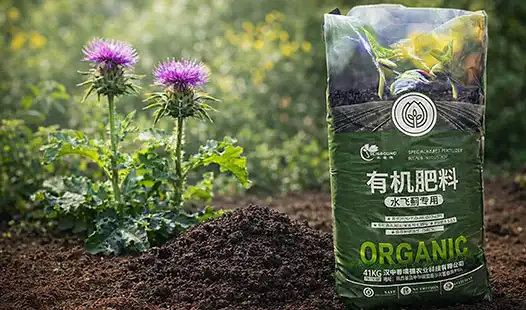
Key Benefits of Silybum marianum Specialized Organic Fertilizer
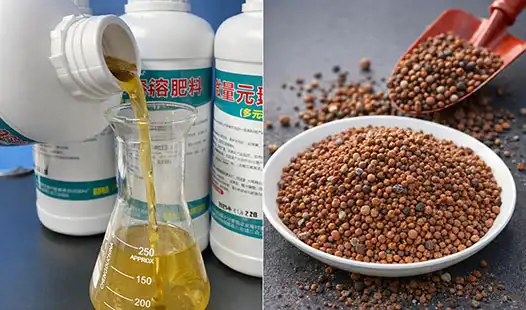
Micronutrient Water-Soluble Fertilizer vs. Granular Fertilizer
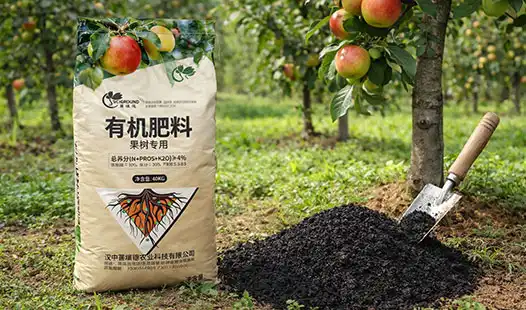
Can Fruit Tree Organic Fertilizer Improve Soil Health Long Term?