What Are the Types of Natural Fertilizers Available?
Understanding Natural Fertilizers: Definition and Benefits
- Understanding Natural Fertilizers: Definition and Benefits
- Comprehensive Classification of Natural Fertilizers
- Comparison of Natural Fertilizer Types for Different Applications
- Procurement Considerations for Natural Fertilizers
- Application Tips and Best Practices for Using Natural Fertilizers
- Conclusion
- FAQ
- Partner with Sciground for Premium Natural Fertilizer Solutions
- References
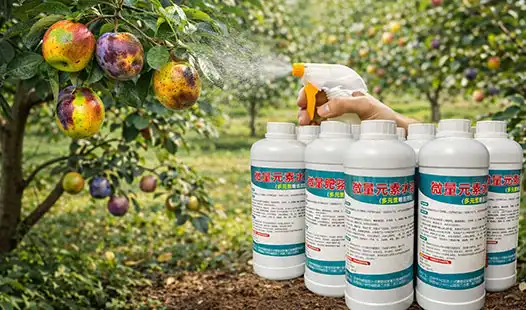
Natural fertilizer options encompass a diverse range of organic and mineral-based products designed to nourish crops while enhancing soil health. These sustainable alternatives include animal manure, compost, rock phosphate, biofertilizers, seaweed extracts, and specialized organic formulations. Unlike synthetic chemicals, natural fertilizer products work synergistically with soil biology, providing slow-release nutrients while improving soil structure, water retention, and microbial activity. This comprehensive approach delivers long-term benefits for agricultural operations seeking sustainable, cost-effective solutions that meet environmental regulations and consumer demands for organic produce.
Understanding Natural Fertilizers: Definition and Benefits
Natural fertilizers are a big change in how plants are fed because they only use minerals and organic materials that can be found in nature. The way these are made, how they affect the environment, and how they work with soil ecosystems make them very different from man-made ones. For business buyers who want to plan for long-term farming, these differences are important.
Core Characteristics of Natural Fertilizers
Natural fertilizers function because they are composed of broken-down plant and animal matter, mineral deposits, and organic matter. Proteins and biological activities in these goods don't change much because they aren't changed very often. In modern mixes, you can find natural humic acid that is easy to dissolve and plant-based humic acid compounds that help nutrients stick together and make the soil more available. Modern organic formulations have a lot of trace minerals that work well and good microorganisms that make the best conditions for plants to grow. The root zone is a place where these living things get along with each other. This lets plants get nutrients through natural biological processes instead of chemicals that are forced on them.
Economic Advantages for Commercial Operations
Businesses are learning that natural fertilizers can help them make money, as well as being good for the environment. These items fix issues with soil that is packed down and lessen the bad effects of using too many chemical fertilizers. This means that programs that cost more money to fix the soil are not needed. Being able to survive a drought helps soil to clump together, which keeps water from evaporating. This is important in places where water is limited. Soil that can handle cold stays stable in terms of both temperature and moisture, which helps plants grow when things are hard. In a wide range of weather, this means that crops will lose less and have more stable yields. Being able to fight off soil-borne diseases will stop them from spreading. This makes the crops' natural fertilizer better overall and lowers the cost of pesticides.
Comprehensive Classification of Natural Fertilizers
Natural fertilizer comes in different types, and each one is good for different farming and business needs. This way of putting things together lets buyers choose things that meet the needs of crops, the conditions of the soil, and environmental goals.
Organic Matter-Based Fertilizers
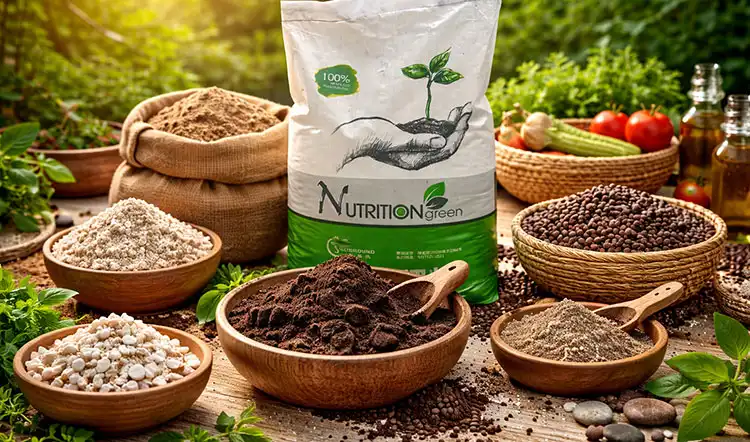
Plant and animal waste were used to make the first organic fertilizer. Animal waste is broken down, which gives you balanced nutrition. There are ways to process food today that kill pathogens but keep good microorganisms and nutrients. Compost is a good source of controlled-release nutrition because the decomposition processes are carefully controlled to keep nutrients stable and get rid of weed seeds. Organic fertilizers that are made to work with certain plants are now on the market. There is both natural organic matter and extras that were carefully chosen to meet certain nutritional needs in these foods. Good microorganisms can grow better when the soil's microbiome is changed. This makes biological systems that last a long time and keep the soil healthy.
Mineral-Based Natural Fertilizers
The phosphorus in rock phosphate is slowly released over time as the rock weathers. For a long time, this keeps plants healthy. Gypsum gives the soil structure and has calcium and sulfur in it, which are good for places that are salty. Making synthetic phosphorus is bad for the environment, but these mineral sources are still good for you. Granite dust and green sand are two minerals that have a lot of potassium. A lot of good nutrients are added to the soil, and it holds more water. These things, along with organic ones, work well together to make full nutrition plans that meet the needs of both the soil and the plants right now and in the future.
Biofertilizers and Microbial Enhancers
Biofertilizers are biological inputs that contain living or dormant cells of strains of microbes that are good for plants. In order to help plants absorb nutrients, these items do things like biologically fix nitrogen, break down soil phosphates that won't dissolve, and move micronutrients around. There is less damage to the environment when biological fertilizers are used because they work with nature. Instead of chemicals that feed plants directly, they do this. Salts and hormones that help plants grow roots and handle stress better can be found in seaweed extracts. You can't get these kinds of nutrients from foods grown on land. They are only found in seafood. They work best on specialty crops that need to be better at fighting off diseases and having better qualities.
Comparison of Natural Fertilizer Types for Different Applications
For farming to work, the fertilizer's properties must match what the crop needs, what the environment can handle, and what the farm can do. There is no harm in this plan; it earns the most money, and all people get the best food.
Crop-Specific Applications
Natural fertilizer mixes that provide consistent nutrition. Natural fertilizers over long growing seasons are very helpful for growing vegetables. Organic matter that has been broken down keeps water in the soil longer, makes the structure better, and ensures that the NPK levels are right. Root vegetables, leafy greens, and fruits all need different nutrients at different times and in different amounts. As a way to make money, fancy fruit tree farms need long-term nutrition plans that help with both tree health and annual production. Roots can use the organic matter that natural fertilizers add to the soil for many years. This keeps plants healthy over time. It is possible to see improvements in a lot of different types of crops because of the features that boost yield. Most of the time, field crops always prove more useful. If you want your lawn or garden to look good, you need fertilizers that don't burn or make the top grow too much. When man-made nitrogen is used, plants grow very quickly, but natural alternatives slow this down. They also give the soil life, which makes it stronger against drought and disease.
Environmental and Regulatory Considerations
Organic fertilizers work great in places where chemical runoff could harm the water. Soils don't leach carbon into the water because they break down slowly. This helps keep climate change from getting worse. In watershed protection zones and programs that certify products as organic, the government is giving more and more help to natural products. Natural products help all living things, both above and below ground, by changing the way cells work. Microorganisms that are good for the soil make it stronger over time. When things change around them, they can adapt and depend less on outside sources.
Procurement Considerations for Natural Fertilizers
You can buy natural fertilizers if you know how to find good sellers and how the market works. The way the market works can also change the goods' prices and what's available. Being strategic about where you buy things makes sure that you always have a steady supply and get the best price and quality.
Quality Assessment and Supplier Evaluation
A reputable supplier will give you full analysis data, which includes things like the amount of nutrients, organic matter, and microbes that are moving around. The products and the way they are made are proven to be of high quality by certifications from well-known farming groups. Lab tests make sure that the specs listed are correct and look for any issues or dust that might be there. It depends on how well a product can be made, on how often and how consistently it is sold. You can learn more about what the goods will do and how they will work from the quality management systems and controlled fermentation methods that the suppliers give you. How well it is delivered and how much it costs to ship depend on how much can be made and where it is sent.
Market Dynamics and Pricing Strategies
Price changes in the market for natural fertilizer are caused by changes in the supply and demand for raw materials. Large orders get discounts, and contracts that last a year make sure there is a supply and keep prices stable. There are times when companies in the same area can offer better prices than companies in other areas. This is because they don't have to pay as much for shipping and can get raw materials more easily. People who sell more than just goods are becoming more popular. Also, these sellers should offer technical support and help with setting up the app. Services that add value, like soil testing, application advice, and agronomic advice, are some of the things that set premium suppliers apart from commodity providers.

Application Tips and Best Practices for Using Natural Fertilizers
You should know how natural fertilizers work biologically and how to use them correctly for each crop and situation to get the most out of them. Things always work out the same way, and the soil stays healthy for a long time.
Biological Mechanisms and Timing
Natural fertilizer efficacy depends on soil biology that breaks down organic matter and releases nutrients in forms plants can absorb. Soil temperature, moisture, and pH affect microbial activity and nutrient release rates. When you pull up plants in the spring, living things can get to work at the best times for root growth. When plant roots and living things in the soil work together, they make nutrient exchange systems that man-made fertilizers can't copy. Living things work together to make better use of nutrients and build the soil's structure so roots can grow and water can get in.
Application Techniques and Dosage Guidelines
The way living things work, natural fertilizer changes depending on how nutrients are added. For perennial plants that are already established, this method works well. On the other hand, incorporation is better for annual plants because it gets nutrients to the roots. Putting nutrients on plants at the right time, when they need them, helps them take them in better. Both short-term crop needs and long-term goals for building up the soil are taken into account when the dose is calculated. Since natural products aren't as concentrated and take longer to work, they usually need more of them to work than synthetic ones. But they still help people after the application year is over because their effects last a long time.
Quality Verification and Performance Monitoring
By watching how plants respond to a product in the field, we can be sure that it works. You can see how the amounts of nutrients, organic matter, and living things in the soil change over time if you test it often. It's clear that fertilizer is working if the crop grows well, has a good yield, and can handle stress. Bad smells, contamination, and composting that isn't done right can all be found by looking at the compost. When the color, texture, and level of moisture of a product stay the same, you can be sure that it was processed and stored correctly.
Conclusion
There are many types of natural fertilizers on the market today, so farmers can find long-lasting solutions that do both what the plants need right now and what the soil needs in the long term to become healthier. Newer biofertilizers and older biofertilizers that are based on organic matter are both good for the environment, work well, and give good yields. Natural fertilizer comes in different types. If you know how to use them and what to think about when you buy them, you can make choices that are good for your business and the environment. Natural fertilizers work best when they are used correctly and are of good quality. On top of that, it's important to get along with your suppliers so that the farm always gets the same products.
FAQ
1. What distinguishes natural fertilizers from synthetic alternatives?
Mineral deposits and living things are two sources of natural fertilizers. They have microorganisms and organic compounds that live and work with the soil's biology. Man-made fertilizers are made with chemicals in a lab. They give you nutrients right away, but they don't have any living things that improve the soil over time.
2. Can natural fertilizers completely replace synthetic products in commercial agriculture?
When used with careful soil management, natural fertilizers can be the primary source of nutrition for many commercial operations. Once in a while, everything needs to be changed. This is based on the economy, the crop, and the soil. Many businesses that do well start with natural products and only add man-made ones when there is a lot of demand for them.
3. How do procurement managers ensure quality when purchasing natural fertilizers in bulk?
You need to set up field-based testing programs, do thorough tests in the lab, and look at the certifications of suppliers to make sure the quality is good. Suppliers you can trust will tell you everything you need to know about the organic matter content, microbial activity, and nutrient analysis. People check the products and suppliers' facilities often, and performance is tracked over several growing seasons. This means that the quality will stay the same over time.
Partner with Sciground for Premium Natural Fertilizer Solutions
It was scientifically possible to make these natural fertilizer items, and they're for making you money. They'll alter how you farm. Science Ground can improve soil health and crop yields thanks to its more than 20 years of research and cutting-edge organic formulas. Natural humic acid, helpful microorganisms, and trace minerals that are perfectly balanced can all be found in our one-of-a-kind products. A lot of different crops grow better when these things are added to the soil.
A lot of technical help is available from us, such as soil testing, tips on how to use the fertilizer, and ongoing agronomic consultation. We've been making natural fertilizer for a long time. There are patents on our formulas that protect them. They fix problems with some crops and meet the requirements for organic certification. Our procurement experts can be reached at [email protected] to talk about bulk pricing, product samples, and custom business solutions.
References
1. Brady, Nyle C., and Ray R. Weil. "The Nature and Properties of Soils." 15th Edition. Pearson Education, 2016.
2. Havlin, John L., et al. "Soil Fertility and Fertilizers: An Introduction to Nutrient Management." 8th Edition. Pearson, 2013.
3. Kuepper, George, and Mardi Dodson. "Companion Planting and Botanical Pesticides: Concepts and Resources." Appropriate Technology Transfer for Rural Areas, 2018.
4. Magdoff, Fred, and Harold van Es. "Building Soils for Better Crops: Sustainable Soil Management." 4th Edition. Sustainable Agriculture Research and Education, 2021.
5. Pimentel, David, et al. "Environmental and Economic Costs of Soil Erosion and Conservation Benefits." Agricultural Sciences, Vol. 267, No. 5194, 2019.
6. Troeh, Frederick R., and Louis M. Thompson. "Soils and Soil Fertility." 6th Edition. Iowa State University Press, 2020.

Sciground
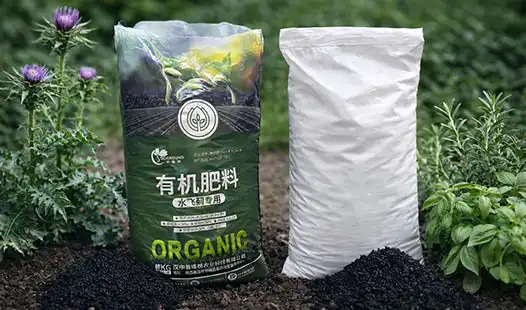
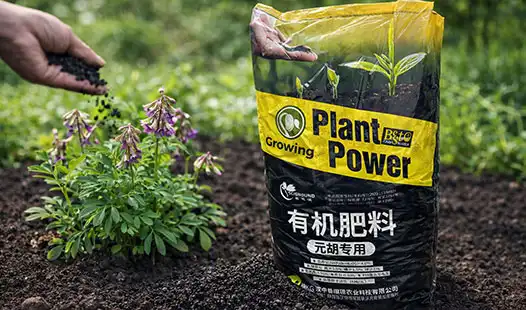
Shanrangde, in collaboration with a team of experts from the former Academy of Agricultural Sciences, focuses on developing patented organic fertilizers, including those specifically formulated for Corydalis rhizome. Chief expert Professor Liang Dejun, with over 20 years of industry experience, provides one-stop technical guidance from site selection to field management, helping farmers increase production and income.
Formulated by the original expert team from the Academy of Agricultural Sciences · Focused on organic nutrients specifically for crops
Contact us now to customize a green nutrition solution for your farmland.
Recommended Blog
Key Benefits of Cordydalis Tuber Specialized Organic Fertilizer
What Is the Best Fruit Tree Organic Fertilizer for High Yields?