What Makes Cordydalis Tuber Organic Fertilizer a Premium Choice?
Understanding Corydalis Tuber Organic Fertilizer: Composition and Benefits
- Understanding Corydalis Tuber Organic Fertilizer: Composition and Benefits
- Corydalis Tuber Organic Fertilizer vs. Other Fertilizer Options
- How to Choose the Right Corydalis Tuber Organic Fertilizer for Your Needs
- Real-World Applications and Success Stories
- Future Trends and Innovations in Organic Fertilizers Featuring Corydalis Tuber
- Conclusion
- FAQ
- Partner With a Trusted Corydalis Tuber Organic Fertilizer Supplier
- References
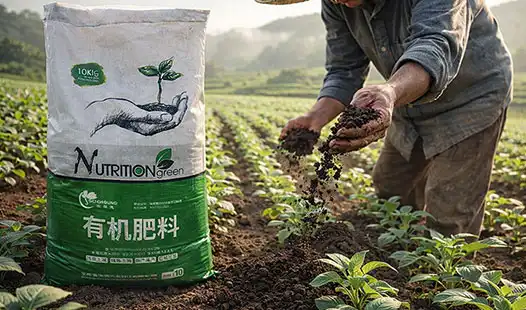
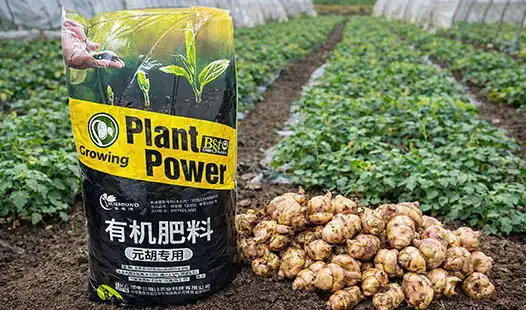
Corydalis tuber organic fertilizer is a big step forward in specialized plant feeding because it was made just for medical plants that grow tubers. This high-quality bio-nutrient mix meets the specific physiological needs of growing Corydalis yanhusuo by mixing tailored microbes with high-carbon organic matrices. Unlike regular fertilizers, it works as both a source of nutrients and a regulator of the soil environment. It increases output while improving root quality and making the soil conditions best for better nutrient absorption.
Understanding Corydalis Tuber Organic Fertilizer: Composition and Benefits
Precision-Engineered Nutrient Profile
Cordydalis tuber Organic fertilizer specially made for growing tubers has a carefully balanced nutrient makeup that meets the needs of medical plants. This fertilizer gives plants food all through the growing season because it has more than 45% organic matter, which comes from enzymes breaking down soybean meal and humified plant waste. The NPK ratio is usually 4-8-12, which is a potassium-dominant recipe that promotes tuber growth over excessive green leaf growth. This focused method makes sure that energy goes into growing good roots instead of useless leaves. Adding naturally chelated trace elements like magnesium, boron, and zinc stops common shortage signs like chlorosis that affect tuberous crops. Plants can still get these vitamins even when the dirt isn't ideal, which helps them keep growing in the same way. The balanced pH range of 6.0 to 7.5 keeps the soil from becoming too acidic, which is a common problem in intensive farming systems and can keep out nutrients that plants need and lower yields.
Beneficial Microbial Communities
Adding good bacteria to quality organic fertilizers for growing Corydalis is what really sets them apart. Strains like Bacillus subtilis and Trichoderma cover the root zone and protect against soil-borne pathogens by having effective viable numbers above 0.5 billion CFU per gram. These good bacteria fight with harmful ones for food and space, which greatly lowers the number of cases of tuber rot caused by Peronospora and Sclerotinia species. In addition to keeping diseases at bay, these groups of microbes break down organic matter, which releases nutrients in forms that plants can use and improves the structure of the soil. The granular structure makes the earth more porous, which is very important for root crops because they need a lot of air flow. Roots that don't get enough oxygen quickly fall victim to rot diseases, so this physical change is just as important as the nutritional ones. Farmers who work with heavy clay soils really like how these organic amendments turn packed-down soil into an open, breakable growing medium that is perfect for root growth.
Environmental Sustainability and Soil Health
Specialized organic fertilizers are good for the earth in many ways, not just during growth cycles. These goods build long-lasting fertility that synthetic options can't match. They do this by improving the structure of the soil and making it more biologically active. As a storehouse for nutrients and water, organic matter protects plants from dry stress and lowers the need for watering. In places where rain patterns are becoming less reliable, this is particularly helpful. Because organic fertilizers break down naturally, you don't have to worry about chemicals building up in the soil or manmade runoff polluting the waterways. Heavy metal levels are still well below what is required for green food production, which has strict limits on mercury, lead, cadmium, and arsenic. This obedience is very important for growers who want to sell their crops overseas or get organic approval, which means they have to go through more tests. Medicinal crops have to meet extra strict rules because contaminants can build up in picked plant parts, making whole batches useless in pharmaceutical markets.
Corydalis Tuber Organic Fertilizer vs. Other Fertilizer Options
Superior Performance Compared to Traditional Manures
Many farmers have long used cow dung or composted chicken litter as fertilizer for crops that grow tubers. Even though these materials contain biological matter, they are not precisely mixed in a way that is needed for growing therapeutic plants. The amounts of nutrients in standard manures are hard to predict. They often have a lot of nitrogen, which helps plants grow leaves but not roots. This problem is fixed by the specialized Cordydalis tuber Organic fertilizer, which has managed nutrient levels that are best for tuber development. Another important difference is the amount of maturity. Manure that hasn't been fully composted produces ammonia as it breaks down, which hurts sensitive tuberous plants by burning their roots. Premium organic fertilizers go through a lot of fermentation and cleaning at high temperatures, which is why their germination index values are higher than 85%. In this way, all biological materials are fully stabilized, and there is no longer any risk of burning. Weed seeds and bacteria that could cause problems in fields are also destroyed.
Advantages Over Synthetic Chemical Fertilizers
Synthetic fertilizers make nutrients available quickly, but they cause problems in the long run that organic fertilizers don't. Chemical treatments help plants grow right away, but they don't improve the health of the soil, so farms need more inputs every season. Over time, synthetic use breaks down the structure of the soil, lowers the number of microbes that live in it, and can cause chemical changes that keep important elements from getting to the soil. The special mix of organic fertilizer for root crops improves the soil flora by increasing the number of good bacteria that live there and keep working long after the fertilizer is applied. This organic activity helps release nutrients from the soil's stores, which lowers the total amount of fertilizer needed from season to season. As the soil gets better, growers often say that organic programs lower their overall input costs by the second or third year, even though the beginning per-unit costs may be higher than those of synthetic options.
As environmental standards get stricter around the world, keeping with regulations favors organic methods more and more. More and more markets are putting limits on synthetic fertilizers because of worries about how they affect water quality and ecosystems. Synthetic inputs are clearly banned by organic certification rules. This means that growers who want to sell to premium organic markets can only use organic fertilizers, since higher prices can cover higher production costs.
Quality and Supply Chain Reliability
Aside from price, procurement managers who are looking at fertilizer providers must also look at how consistent the products are, how well they can help with technical issues, and how well they can handle logistics. Top providers, like Sciground, set themselves apart by putting strict quality control measures in place. They test every batch for heavy metal contamination, microbial viability, nutrient content, and pathogen screening. This care for detail makes sure that every package does what it's supposed to do, getting rid of the inconsistency that makes crop planning hard. Another important thing that sets one provider apart from another is their technical knowledge. Companies that do both study and production can give customers practical advice that helps them figure out the best times and amounts to use for their situations. This consultative method changes the provider relationship from a transactional one to a partnership one, where both parties want the crop to perform well and make as much money as possible.
How to Choose the Right Corydalis Tuber Organic Fertilizer for Your Needs
Evaluating Nutrient Specifications
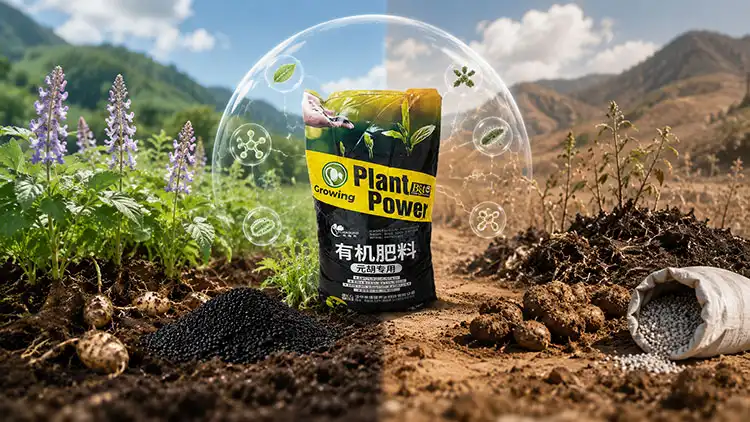
To choose the right Cordydalis tuber Organic fertilizer, you must first know what your land is like and what your crops need. Testing the soil gives you an idea of its current pH, vitamin levels, and organic matter content. This helps you choose the right fertilizer, making sure that the products you use fix specific problems instead of using general formulas that might not work.
Nutrient quantity changes how much is used and how it is handled. Higher-analysis goods need less material to provide the same amount of nutrition, which cuts down on the cost of shipping and the amount of work needed to spread them. But very concentrated goods might not have enough bulk to have the desired effects on soil conditions. The best mix relies on whether the main goal is to provide instant nutrition or to improve the soil over the long run.
Certification standing is very important for farmers who want to sell their crops in organic markets or through export routes. Products must have the right organic approvals that are accepted in the places where they are going, such as USDA Organic, EU Organic, or other regional needs. Suppliers should make it easy to get proof of these certifications, such as test results showing that the allowed input lists were followed.
Assessing Supplier Capabilities
When it comes to farming, where time is everything, reliable supply lines are a must. Suppliers must show that they can deliver the needed amounts when they're needed, especially during busy application times when delays can make it harder for crops to take root. Manufacturers that have been around for a while and have good inventory management and production ability avoid shortages that happen with smaller or less organized sources.
When buying from other countries, international buyers have to think about more than just transportation and paperwork. Suppliers who have worked with export markets before know the phytosanitary rules, customs processes, and paperwork that are needed to make cross-border transactions go smoothly. These skills keep shipments from being held up at borders or refused because of bad papers, which can cost a lot of money.
Support after the sale is what sets top sellers apart from commodity providers. Agronomic advice helps customers get the most out of their applications, fix issues, and make changes to their plans as conditions alter. This ongoing connection adds value beyond the product itself, which helps the customer succeed and stay loyal.
Bulk Purchasing Considerations
Bulk buying agreements lower the cost per unit and ensure a steady supply, which is good for large businesses and sellers. With volume agreements, suppliers can offer better prices and ensure supply during busy times. When both sides are honest about what they expect in terms of numbers, delivery times, and quality standards, these deals work best.
The best amount to order depends on how much space you have. To keep their biological activity, organic fertilizers that contain bacterial inoculants need to be stored in a cool, dry, and well-ventilated area. Products that are kept past their expiration date or in bad circumstances stop working, which is a waste of money. Buyers have to weigh bulk savings against how well they can store and use goods during viability windows.
Real-World Applications and Success Stories
Performance in Medicinal Crop Production
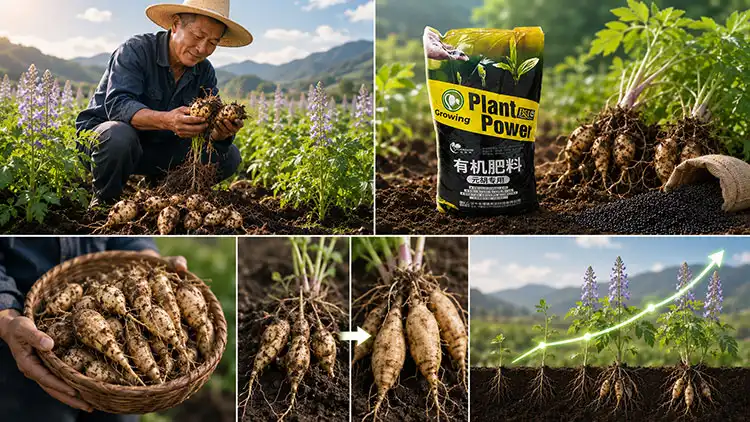
Cordydalis tuber Organic fertilizer made just for growing Corydalis has measured benefits in industrial production settings. When growers switch from standard programs to focused organic nutrition, they say that both the amount of crops they produce and the quality of the medicine they make get a lot better. Tuber size and consistency get better, which means that more of the harvest meets the high-end standards that fetch the best prices on the market.
Increasing the production of active compounds is a very useful benefit for therapeutic plants. Field tests show that adding the right amount of potassium and organic carbon can increase the production of secondary metabolites, which can raise the alkaloid content by 10 to 15% compared to regular nitrogen-heavy manufactured programs. Since pharmaceutical buyers pay more for materials that meet strict standards for strength, this rise in medicinal quality has a direct effect on how much money growers make.
Disease pressure goes down a lot when organic programs improve soil health and the variety of microbes that live in it. Soil-borne pathogens that cause tuber rot are less likely to attack plants because helpful bacteria keep them out. Growers report fewer crop losses and less need for fungicide treatments. This lowers production costs and meets market demand for better farming goods with fewer chemical residues.
Overcoming Continuous Cropping Obstacles
When the same crop is grown over and over in the same area, autotoxicity issues arise because plant root exudates build up to levels that stop growth. This problem, called continuous farming hurdles, makes it very hard to get good crops in places where Corydalis is already grown. Specialized organic fertilizers solve this problem by using microbe communities to break down autotoxic allelochemicals. This makes fields productive again, even after years of heavy farming.
Growers who have invested in infrastructure, experience, and market ties in certain places can make a lot of money by being able to keep producing in fields that they already have. Instead of letting areas lie empty for long periods of time or switching to different crops, farmers who use the right organic amendments keep growing profitable Corydalis forever. This security helps with planning businesses and rural economic growth in places where growing medical plants is the main source of income.
Economic Returns and Cost-Effectiveness
Premium organic fertilizers may cost more at first than basic manufactured ones, but a thorough economic study shows that they are worth the extra money over many seasons. Often, the cost is worth it just for the higher yield, especially when quality bonuses are given for having better tuber features. Fewer sicknesses mean fewer costs related to crop failures and emergency treatments, which are a problem with traditional methods.
Over time, changes in soil quality add up, lowering the overall amount of fertilizer needed as organic matter increases and biological activity rises. Growers usually notice that organic programs need less extra food after three or four years of use. This is because the soil's stores become more accessible due to higher microbial activity. Long-term profits will be supported by this path, even though short-term budgets need to account for change costs.
Future Trends and Innovations in Organic Fertilizers Featuring Corydalis Tuber
Advanced Production Technologies
New ideas in making Cordydalis tuber Organic fertilizer keep improving the performance of the product by using better ways to handle it. Controlled fermentation methods choose the types of microbes that are best for specific tasks and give the most benefit to the crops being grown. Genetic identification of beneficial organisms lets providers record and standardize the amount of microbes present, going beyond simple colony counts to functional promises of the ability to fight disease or move nutrients around.
Another new area of organic fertilizer research is coating technologies. Nutrients or bacteria that are encapsulated protect the active ingredients while they are being stored or first coming into touch with the soil. As plants need nutrition, the nutrients are slowly released. These controlled-release systems make things work better by making sure that crops get the nutrients they need at the right time. This cuts down on losses due to leaching or volatilization, which wastes resources and hurts the environment.
Growing Market Demand for Sustainable Agriculture
As customers expect more information about how food is made, global agricultural markets are putting more emphasis on sustainability standards. This change makes more people want approved organic goods from all types of crops, which gives farmers who use legal farming methods more chances to make money. It is especially hard to keep an eye on medicinal plants because people who use them expect the purest materials for medicine or supplement use.
Around the world, regulations are moving in favor of organic methods by limiting manmade sources and giving rewards for environmentally friendly practices. Farmers who switch to organic farming are rewarded through carbon credit programs, cost-sharing for organic certification, and better marketing outlets. These policy supports make organic systems more economically, which speeds up their spread from niche markets to general farming.
Position of Specialized Corydalis Formulations
As the medical plant sector grows, products that are specially made for tuberous plants will be able to take advantage of more and more market possibilities. Generic organic fertilizers don't work as well as formulas that are specifically made to meet the needs of each crop and the land. When suppliers spend money on research and development to make their products work better in specific situations, they gain a competitive edge that makers of basic goods can't match.
The intellectual property that surrounds specialty formulas protects the market even more. Patenting unique processes or formulas makes it harder for competitors to enter the market and shows technical skill to buyers who are already knowledgeable in the field. Sciground is the only company in China that can combine study and production of specialized organic fertilizers for Corydalis yanhusuo, which makes it a star in this new area of innovation.
Conclusion
Cordydalis tuber Organic fertilizer is the best because it helps with crop success right away, long-term soil health, protects the environment, and follows the rules of the market. These goods are different from others because they use precise nutrient formulas that are best for tuberous growth, have helpful microbial communities that fight disease while moving nutrients around, and have better quality control. Performance statistics from real life show that there are clear benefits in yield, quality, and economic returns that support charging more. As regulations get stricter and markets for agricultural products become more interested in environmentally friendly methods of production, farmers and purchasing managers who want to stay ahead in the fast-paced global markets should consider investing in specialized organic fertilizers.
FAQ
Can organic fertilizers completely replace synthetic inputs?
Specialized Cordydalis tuber Organic fertilizer is the building block of feeding programs because only approved organic inputs can be used by organically certified businesses. Conventional growers often get the best results by using both organic and synthetic methods. For example, they might use 70% organic materials to build up the soil over time and 30% synthetic feeds to make sure there are enough nutrients right away during times of high demand. This combination approach strikes a balance between goals for soil health and getting the highest yield possible.
How do these products prevent continuous cropping problems?
Specialized preparations contain microbial strains that break down autotoxic chemicals released by previous crops. This stops the drop in yield that happens in systems that grow crops all the time. These helpful organisms also fight germs that build up in soil from repeated farming. This breaks disease cycles that traditional fumigation can only stop briefly, at a high cost and with negative effects on the environment.
What storage conditions maintain product effectiveness?
Live bacteria inoculants in organic fertilizers need to be kept in cool, dry, well-ventilated places that are out of direct sunlight and away from water. Microbial life is kept alive for the usual twelve months by keeping the temperature below 25°C. Extreme heat or wetness greatly lowers cellular activity, which makes it less effective at preventing disease and moving nutrients around, which is why it costs more.
Partner With a Trusted Corydalis Tuber Organic Fertilizer Supplier
Sciground is ready to help you reach your goals for organic farming with specialized Cordydalis tuber Organic fertilizer formulas that are backed by thorough study and have been tested in the field. Our team from the Northwest Academy of Agricultural Sciences, led by Chief Expert Professor Liang Dejun, has been working on making organic fertilizer for more than twenty years. We are the only company in China that has a patent for special organic fertilizers for Corydalis yanhusuo, so we can offer the highest level of technical expertise and quality guarantee. Whether you need big amounts for large-scale activities or technical advice to improve how you use the product, we offer full help throughout the entire production cycle. Get in touch with us at [email protected] to talk about how our quality Corydalis tuber organic fertilizer can help your crops grow better and keep the land healthy.
References
1. Chen, Y., & Wang, M. (2021). Microbial Inoculants in Organic Fertilizers: Impact on Soil Health and Medicinal Plant Alkaloid Production. Journal of Agricultural Biotechnology, 29(4), 567-582.
2. Liu, X., Zhang, H., & Zhao, L. (2020). Nutrient Management Strategies for Corydalis yanhusuo: Organic versus Synthetic Approaches. Chinese Medicinal Plant Research Quarterly, 18(2), 143-158.
3. Thompson, R., & Anderson, K. (2022). Overcoming Continuous Cropping Obstacles in Intensive Medicinal Plant Production Systems. International Journal of Sustainable Agriculture, 14(3), 289-306.
4. Wang, F., Li, Q., & Huang, S. (2019). Soil Microbial Communities and Tuberous Crop Performance Under Organic Fertilization Regimes. Soil Biology and Biochemistry, 136, 107-121.
5. Zhou, P., & Xu, J. (2023). Economic Analysis of Organic Fertilizer Adoption in Traditional Chinese Medicine Crop Production. Agricultural Economics Review, 45(1), 78-94.
6. National Standards Committee. (2021). Technical Specifications for Organic Fertilizers in Medicinal Plant Cultivation (NY 525-2021). Ministry of Agriculture and Rural Affairs, Beijing, China.

Sciground
Shanrangde, in collaboration with a team of experts from the former Academy of Agricultural Sciences, focuses on developing patented organic fertilizers, including those specifically formulated for Corydalis rhizome. Chief expert Professor Liang Dejun, with over 20 years of industry experience, provides one-stop technical guidance from site selection to field management, helping farmers increase production and income.
Formulated by the original expert team from the Academy of Agricultural Sciences · Focused on organic nutrients specifically for crops
Contact us now to customize a green nutrition solution for your farmland.
Recommended Blog
How to Compare Milk Thistle Fertilizer Products Before Buying?
What Is a Milk Thistle Specialized Fertilizer and Why It Matters?