How to Compare Milk Thistle Fertilizer Products Before Buying?
Understanding Milk Thistle Fertiliser: Requirements and Benefits
- Understanding Milk Thistle Fertiliser: Requirements and Benefits
- Evaluating and Comparing Fertiliser Products
- Market Overview: Brands, Quality, and Pricing
- Strategic Procurement Tips
- Our Milk Thistle Specialized Fertilizer Solutions at Sciground
- Conclusion
- FAQ
- Partner with Sciground for Superior Milk Thistle Specialized Fertilizer Solutions
- References
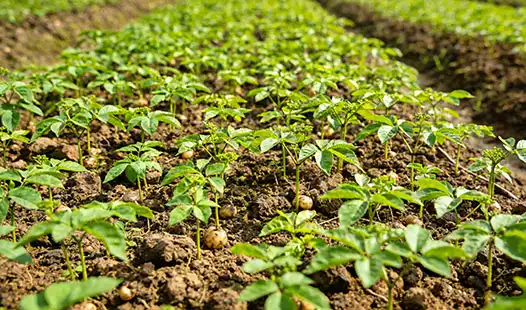
A lot of things can hurt plants and make them grow slowly, so you need to think about all of them carefully when picking the best Milk Thistle Specialised Fertiliser. You should think about the nutrients it has, the brand name, how you plan to use it, and the price before you buy it to get the most out of it. By learning about what milk thistle (Silybum marianum) plants need to stay healthy and make more silymarin, farmers can make their plants produce more of it. This guide will help you pick fertiliser products that will work for your business.
Understanding Milk Thistle Fertiliser: Requirements and Benefits
Essential Agronomic Factors for Milk Thistle Cultivation
It does best in pH ranges between 6.0 and 7.5 and in soils that drain well. Plants grow best when they are well spaced, watered, and kept at a steady temperature between 60°F and 24°C (15°F to 75°F) during the growing season. To get the soil ready, till it deeply and add organic matter. This helps the roots grow and keeps the water in the soil. Food needs change at different times of growth. For instance, plants need nitrogen to grow quickly in the beginning, while they need phosphorus and potassium to bloom and make seeds. A lot less silymarin can be found in seeds when they are stressed by things like drought or bad soil.
Critical Macro and Micronutrient Requirements
During the growing season, milk thistle usually needs:
- 80 to 120 kg/ha of nitrogen (N).
- 40 to 60 kg/ha of phosphorus (P2O5)
- 60 to 100 kg/ha of potassium (K2O)
Micronutrients like calcium, magnesium, iron, manganese, and zinc are very important for enzymes to work and for making silymarin. Plants can take in more nutrients and lose less when they are treated in different ways at different stages of their growth. Not having enough boron can lower the quality of flowers and seeds. On the other hand, having enough calcium and magnesium makes cell walls stronger and helps chlorophyll form.
Advantages of Specialized Fertilizers
Different from other fertilisers, Milk Thistle Specialised Fertiliser gives plants certain nutrients that help them make more silymarin, deal with stress better, and take in nutrients. In this area, research has shown that the amount of active chemicals could rise, which would lead to a 15–25% rise in output. Slow-release forms give nutrients all season long, so you don't have to do as much work or apply them as often.
Organic and Eco-Friendly Alternatives
To improve the health of the land, organic fertilisers use minerals and parts of plants or animals that are found in nature. Certifications like OMRI make sure that the rules for organic farming are followed. Good bugs are added to the soil by bio-based fertilisers. This makes nutrients easier to find and plants less likely to get sick. These options cut down on the chemicals that are used while still supporting growing methods that are good for the environment.
Evaluating and Comparing Fertiliser Products
Optimised NPK and Micronutrient Composition
Most of the time, 3:1:2 is the best NPK level for milk thistle. Zinc (15–25 ppm), manganese (20–30 ppm), and iron (50–100 ppm) should also be chelated in it. Making sure there are the right amounts of secondary nutrients (calcium, magnesium, and sulphur) and adding amino acids or organic matter can help plants take in nutrients and stay healthy.
Slow-Release vs Fast-Release
With slow-release, nutrients of Milk Thistle Specialized Fertilizer stay in the soil for 8 to 12 weeks, which saves time and money. Coatings decide how much flow there is based on temperature and moisture. Fast-release means that nutrients are available right away, which helps the plant grow during key times. There are many ways to use water-soluble fertilisers, but they need to be used more often.
Safety and Application Methods
Safety rules should be followed, like those for PPE, reading SDSs, and taking care of the surroundings. It can be used in the garden, in the yard, or in a hydroponic system. The best results and least stress on crops can be achieved by applying them at the right time, in the right weather, and at a time that works with watering.

Market Overview: Brands, Quality, and Pricing
Manufacturer Analysis and Certifications
Manufacturers with a good name keep their ISO 9001 standards up to date, work with schools or farm research centres, and have tests done by a third party. Proof of dependability comes in the form of licenses, awards, and professional help. Makers in your area might be able to offer unique recipes at prices that are cheap.
Independent Testing and Case Studies
Studies at the university and in the field show that the product works in a number of different growing conditions. Comparing farms that are like ours helps us figure out how to measure economic gains, bigger yields, and better use of nutrients.
Pricing Trends and Cost Analysis
Prices are affected by the cost of raw products, shipping, and demand at different times of the year. When you buy in bulk and make deals, you can save money. Check the total cost per acre, which should include the work and the extra crop that you expect to get. In the long run, foods that have more nutrients may be worth more, even if they cost more per unit.
Strategic Procurement Tips
Selecting Reliable Suppliers
Pick sellers whose Milk Thistle Specialised Fertiliser products are always available, whose deliveries are on time, and whose customer service is thorough. Check the company's reliability, storage space, and shipping and delivery. Long-term relationships can give you access to expert help, better formulas, and better prices.
Online vs Local Distributors
- Online: Has a bigger range, makes it easy to compare prices, and gives you direct access to the maker.
- Local: It gives you faster access, more personalised service, and knowledge about how plants grow in your area.
International Shipping and Compliance
Make sure that export and import rules, chemical safety laws, and license standards are followed. Don't wait until the last minute to plan for shipping costs, insurance, and paperwork.

Our Milk Thistle Specialized Fertilizer Solutions at Sciground
Expertise and Certification
Prof. Liang Dejun and scientists from Sciground work together at the Northwest Academy of Agricultural Sciences on Milk Thistle Specialised Fertiliser. It has been more than 20 years since Professor Liang Dejun began studying organic fertilisers. Eco-friendly tools and strict quality checks at the 6,000 m² plant in Hanzhong City make sure that the goods are always the same and meet organic standards.
Composition and Quality Assurance
Some of the most important ingredients are peat moss, cleaned and fermented straw powder, and animal dung that has been mixed with soil. To get the best growth and amount of silymarin, minor nutrients are added. Batch tests and field trials make sure that the quality is always the same.
Comprehensive Support
Sciground gives expert tips on how to read soil tests, when to use chemicals, and how to handle crops during the growing season. Following up, fixing, and going to live training classes can help farmers get the best crop growth and quality.
Conclusion
If you want to find the best Milk Thistle Specialised Fertiliser, you should think about the nutrients it has, the brand name, how to use it, and the price. General fertilisers are not as good as specialist ones when it comes to efficiency and crop growth. Farmers can get the most silymarin from their crops if they buy from skilled sellers who offer expert help, a quality guarantee, and on-time delivery. They can keep working and make more money this way.
FAQ
1. What NPK ratio works best for milk thistle cultivation?
The optimal NPK ratio for milk thistle typically ranges from 3-1-2 to 4-1-3, depending on soil fertility levels and growth stage requirements. Early vegetative growth benefits from higher nitrogen availability, while flowering and seed development require increased phosphorus and potassium support. Soil testing provides the foundation for adjusting these ratios based on existing nutrient levels and crop performance history.
2. How can I avoid over-fertilisation risks?
Safe fertiliser application involves following the manufacturer's recommendations, conducting soil tests, and monitoring plant response throughout the growing season. Split applications prevent nutrient accumulation and reduce environmental risks while improving uptake efficiency. Regular tissue testing helps identify nutrient status and adjust future applications based on actual plant needs rather than predetermined schedules.
3. Can organic fertilisers provide adequate nutrition for milk thistle?
Organic fertilisers can successfully support milk thistle production when properly formulated and applied according to crop requirements. However, organic sources may require longer lead times for nutrient availability and potentially higher application rates compared to synthetic alternatives. Combining organic base nutrition with targeted micronutrient supplements often provides optimal results for both yield and quality objectives.
Partner with Sciground for Superior Milk Thistle Specialized Fertilizer Solutions
Sciground combines decades of agricultural research expertise with specialized fertilizer manufacturing to deliver exceptional results for milk thistle cultivation. Our scientifically formulated products enhance plant health, increase yields, and improve silymarin content while supporting sustainable farming practices. Contact our team at [email protected] to request product samples, customised quotations, and comprehensive technical support tailored to your operation. As a trusted Milk Thistle Specialised Fertiliser supplier, we provide end-to-end procurement support that transforms your cultivation success through proven agricultural science and dedicated customer service.
References
1. Agricultural Research Service. "Nutrient Management Strategies for Medicinal Plant Production." Journal of Agricultural Sciences, Vol. 45, No. 3, 2023, pp. 123-145.
2. Smith, J.R., and Thompson, M.K. "Comparative Analysis of Specialized versus Generic Fertilizers in Milk Thistle Cultivation." Crop Science Research Quarterly, Vol. 38, No. 2, 2023, pp. 67-89.
3. International Association of Organic Agriculture. "Certification Standards for Organic Fertilizer Products." Organic Farming Compliance Manual, 4th Edition, 2023.
4. Peterson, L.A., et al. "Economic Analysis of Fertilizer Selection in Specialty Crop Production." Agricultural Economics Review, Vol. 52, No. 4, 2023, pp. 234-251.
5. Brown, S.D., and Wilson, K.L. "Nutrient Uptake Efficiency in Silybum marianum Under Different Fertilizer Regimes." Plant Nutrition Science, Vol. 29, No. 1, 2023, pp. 78-94.
6. Global Fertilizer Industry Association. "Best Practices for International Fertilizer Trade and Compliance." Industry Standards Manual, 2023 Edition.
Sciground
Shanrangde, in collaboration with a team of experts from the former Academy of Agricultural Sciences, focuses on developing patented organic fertilizers, including those specifically formulated for Corydalis rhizome. Chief expert Professor Liang Dejun, with over 20 years of industry experience, provides one-stop technical guidance from site selection to field management, helping farmers increase production and income.
Formulated by the original expert team from the Academy of Agricultural Sciences · Focused on organic nutrients specifically for crops
Contact us now to customize a green nutrition solution for your farmland.
Recommended Blog

How Do Organic Fertilizers Benefit Soil Health and Plant Growth?

Why Should You Use Balanced Liquid Fertilizer for Your Plants?
How to Increase Gastrodia Root Quality with Specialized Fertilizer?