Why Is Wholesale Fruit Tree Organic Fertilizer Cost-Effective for Farmers?
Understanding the Cost Advantages of Wholesale Organic Fertilizer
- Understanding the Cost Advantages of Wholesale Organic Fertilizer
- Core Benefits of Using Organic Fertilizer for Fruit Trees in Bulk
- How to Maximize the Effectiveness of Wholesale Organic Fertilizer for Fruit Trees
- Choosing the Right Wholesale Organic Fertilizer Supplier
- Strategic Procurement Tips for B2B Fruit Farming Clients
- Conclusion
- FAQ
- Partner with Sciground for Superior Wholesale Fruit Tree Organic Fertilizer Solutions
- References
Wholesale Fruit Tree Organic Fertilizer offers exceptional cost-effectiveness by lowering per-unit costs through large purchases, lowering long-term costs of soil remediation, and increasing fruit returns that directly increase income. Synthetic alternatives weaken the soil structure and need higher application rates. Organic alternatives, on the other hand, improve soil fertility over time and meet certification requirements for better market access, providing economic benefits that build over multiple growth seasons.
Understanding the Cost Advantages of Wholesale Organic Fertilizer
When you buy Wholesale Fruit Tree Organic Fertilizer in bulk, you save a lot of money. This is mostly because of economies of scale, lower packing costs, and easier handling. When farmers commit to buying in bulk, sellers can cut out multiple levels of markups for distribution and combine shipping, which saves buyers money. The price difference between buying Wholesale Fruit Tree Organic Fertilizer in bulk and buying it at a store is usually between 25 and 40% per ton. This means that large farms that spread fertilizer over dozens or hundreds of acres can save a lot of money.
A crop's cost-effectiveness is more than just its buying price. It also includes the balance between the cost of fertilizer and the crop's growth and quality. Commercial growers benefit from lower unit prices, more efficient supply lines, and fewer hidden costs like land pollution or fines from the government that come with synthetic options. According to research from agricultural economics departments, Wholesale Fruit Tree Organic Fertilizer may cost more per nutrient unit at first than synthetic ones. However, they save money in the long run because they improve soil health and reduce the need for amendments. This happens within three to five growing seasons.
A look at the differences between organic and manufactured fertilizers shows not only the beginning price differences but also the environmental costs. Synthetic fertilizers make the soil more acidic, kill off microbes, and compact it, all of which are problems that need expensive fixes. Organic products actively improve the structure of the soil, which means that you don't have to add extra amendments or do mechanical work as much. This makes Wholesale Fruit Tree Organic Fertilizer even more cost-effective for big farms that want to keep producing fruit while keeping costs low.
The wholesale buying approach also makes it easier to keep track of inventory and decide when to use things. Instead of buying a lot of small items at retail prices, farmers can buy all the goods they need for the year at lower prices during off-season times, locking in lower prices before high demand drives prices up. With the right storage spaces and a smart approach to buying, fertilizer goes from being an unexpected cost to a planned investment with known costs.
Core Benefits of Using Organic Fertilizer for Fruit Trees in Bulk
Wholesale Fruit Tree Organic Fertilizer has benefits that can be measured beyond its original cost savings. These benefits include better soil structure, better nutrient bioavailability, and healthier plants. These benefits come from the materials they are made of, which are naturally occurring things like composted animal dung, plant waste, and microbial leftovers that work through mineralization processes instead of chemical release right away.
Enhanced Soil Structure and Microbial Activity
Important organic substances, such as humic substances, encourage bacterial activity, which helps roots grow stronger and plants take in more nutrients. When used regularly, organic matter content improves the soil's ability to hold water and be porous. This helps with the problems of compaction that often happen in orchards that are handled mechanically. Beneficial microbial groups, like Bacillus subtilis and Trichoderma species, that are found in good products inhabit the rhizosphere, stopping soil-borne pathogens from spreading and making nutrient cycling easier. Synthetic fertilizers can't copy this biological action because it makes a reproduction system that works on its own.
Improved Fruit Quality and Yield
Data from industrial apple and citrus farms show that there are big gains in both agriculture and the environment. Studies that follow farms that switch to organic fertilization programs show that by the third year of use, yields have increased by 12–18%, and fruit Brix levels (sugar content) and shelf life stability have also improved. These improvements in quality let growers get into higher-end markets, where they can charge higher prices that cancel out any differences in the starting costs of organic and synthetic choices.
Regulatory Compliance and Certification Value
Following environmental rules and organic licensing standards is easier with Wholesale Fruit Tree Organic Fertilizer. This makes it a great choice for farms that want to protect the ecosystem and market their products as high-quality. As the demand for certified organic food keeps rising at double-digit rates every year, implementing verified organic practices stops being a choice and becomes a necessity for getting into the market. When you buy certified organic fertilizers in bulk, you can be sure that the paperwork and tracking are always the same. This makes certification checks easier and keeps your market eligibility.
When you put these benefits together, you get a value offer that goes far beyond just delivering nutrients. The effects on the land, the benefits for biology, and the advantages in the market all work together to make orchards more profitable in several ways at the same time.
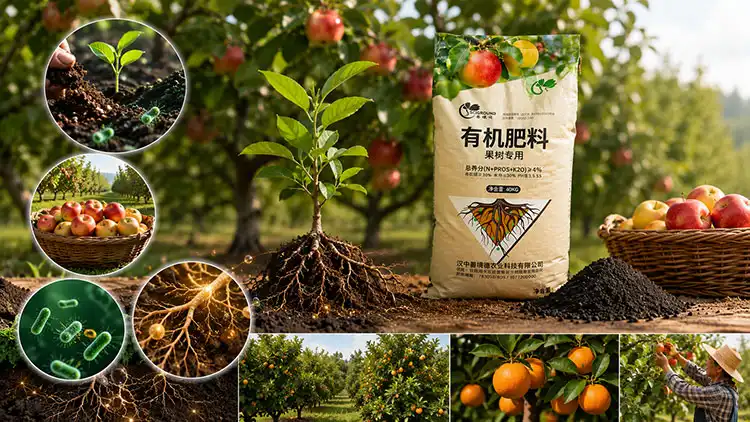
How to Maximize the Effectiveness of Wholesale Organic Fertilizer for Fruit Trees
To get the most out of fertilizer, you need to use it at the right time and in a way that fits the tree's growth stage. Buying quality Wholesale Fruit Tree Organic Fertilizer in bulk doesn't add much value if you don't know how to use it in a way that meets the natural needs of the tree.
Application Timing Aligned with Growth Stages
Early application helps young trees' roots grow, building strong base systems that determine how productive they will be over their lifetime. Adding Wholesale Fruit Tree Organic Fertilizer to the planting zone 30 to 40 cm deep during the establishment phase after transplanting gives plants nutrients slowly over time that match their root growth rates without causing transplant shock. Adult trees need extra nutrients at certain times during their life cycle, especially when they are starting to flower and when their fruits are getting bigger, when their energy needs are the highest.
Correcting Nutrient Deficiencies Through Targeted Formulations
Finding and fixing nutrient deficits, usually in the form of nitrogen, phosphorus, or potassium, with specific organic formulations, is still very important for keeping trees healthy. Visual signs like chlorotic leaves show that the plant doesn't have enough nitrogen, while fruit diseases like bitter pit show that the plant doesn't have enough calcium. Good organic fertilizers take care of these problems by using balanced mixes that are full of chelated trace elements like zinc, boron, and iron. These elements keep the plant's cells healthy and help the fruit grow properly.
Selecting Appropriate NPK Ratios
Understanding and choosing the right NPK ratios for each orchard's needs increases the efficiency of nutrient use, making sure that investments in bulk fertilizer give the best results. Balanced release profiles, like 5-5-5, are good for general maintenance tasks, while high-potassium profiles, like 4-3-8, help fruits fill out during the growth phase. The best carbon-to-nitrogen ratio is between 15:1 and 20:1. This makes sure that nitrogen is available without immobilizing nitrogen, which would weaken trees briefly while microbes break down the matter.
Best Application Methods
Application methods have a big effect on how well something works. Putting a radial ditch at the tree's dripline sends nutrients to active feeder roots, and fertigation systems let you target delivery through current watering systems. When you add Wholesale Fruit Tree Organic Fertilizer right after harvest in the fall, it replenishes the trees' energy stores that were used up by making fruit. This gets the trees ready for winter slumber and an early spring flush. This time frame makes the most of slow-release processes, since nutrients become available when spring growth starts, after being mineralized over the winter.
Because of these technical factors, buying Wholesale Fruit Tree Organic Fertilizer in bulk goes from being a simple purchase to a strategic agronomic tool that leads to measured production gains.
Choosing the Right Wholesale Organic Fertilizer Supplier
It is very important to choose a dependable market provider if you want to get good Wholesale Fruit Tree Organic Fertilizer at a good price and keep the supply chain stable. The connection with the provider is a big part of how well the program works. It affects things like product consistency, shipping reliability, technical help, and, in the end, orchard performance results.
Key Evaluation Criteria
Product approvals are the basis for judging a seller. Reputable companies keep certificates that show they follow safety rules, quality management systems, and health standards. Consistent quality assurance processes, such as checking each batch for organic matter content, nutrition analysis, moisture control, and virus screening, make sure that every delivery meets the requirements. Suppliers should be able to easily give you certificates of analysis that list the physical and chemical factors for each production lot.
Minimum order amounts must match the needs of businesses on a large scale without making goods too heavy. Established sellers know how orchards usually buy things and set MOQs that make production efficient while still giving buyers options. From the factory to the farm, responsive logistics, such as reliable delivery windows and careful transport handling that keeps products from getting wet or contaminated, protect the quality of the product.
Evaluating Supplier Performance Records
Buying from well-known names with track records of success and full support services gives buyers more trust. Sciground fits this supplier description because our team is from the Northwest Academy of Agricultural Sciences and has been researching and developing Wholesale Fruit Tree Organic Fertilizer for over 20 years under the direction of Chief Expert Professor Liang Dejun. Our unique formulas meet the needs of specific crops and were created by working with farm research institutions to solve problems that come up in real life.
Building Strategic Supplier Partnerships
By working together with suppliers, buyers can get better deals on bulk prices and contract terms that make the whole deal more valuable. Agreements that last more than one year and include a number of promises get better prices and make sure that supplies will be available during busy times. In addition to the product itself, technical support services like soil testing, application suggestions, and agronomic advice add value by helping growers make the best fertilization plans for their crop conditions.
These strategic ties with suppliers support a stable supply chain, which keeps orchard operations going and gives procurement workers in charge of commercial fruit farming operations a good idea of how much things will cost.
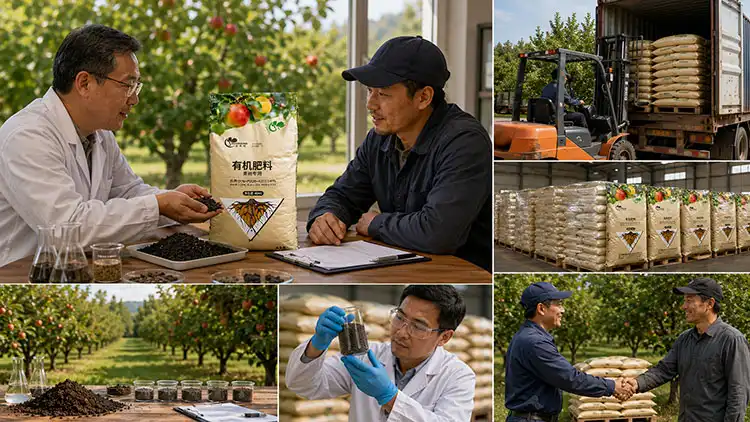
Strategic Procurement Tips for B2B Fruit Farming Clients
To get the best results and the lowest costs, good buying plans match the right Wholesale Fruit Tree Organic Fertilizer to the size of the orchard, the type of crop, and the stage of growth. When you move beyond routine buying and toward strategic sourcing, you gain a competitive edge through better prices, uniform quality, and more efficient operations.
Aligning Selection with Operational Requirements
Different situations in the field call for different methods. For new trees, fertilizers that help the roots grow and the plants grow, like those with proper NPK ratios and a lot of organic matter, are recommended. Formulations that focus on potassium and minor elements that improve fruit quality are good for mature farms that are still producing fruit. When it comes to nutrition, citrus farms have different needs than stone fruit or pome fruit farms. This means that they need special formulas to fix the shortages that are specific to their crops.
Managing Procurement Risks
Managing risks like changes in quality or shipping delays means carefully checking out sources and building relationships that will last. Using seller scorecards to keep track of things like on-time delivery rates, quality compliance, and timeliness makes suppliers accountable and shows performance trends. Diversifying suppliers for non-essential inputs while keeping key ties for core products is a good way to balance relationship benefits with risk reduction.
Leveraging Technology for Data-Driven Decisions
Using tech tools like soil testing analytics and integrated buying platforms lets you order things and keep track of your goods based on data. An annual test of the soil shows changes in the nutrients present and helps choose the right Wholesale Fruit Tree Organic Fertilizer, avoiding unnecessary over-application while treating new shortages. Digital procurement systems make it easier to communicate with suppliers, keep track of past prices, and automatically reorder based on inventory levels and application dates.
Building Long-Term Supplier Relationships
Getting along with your suppliers and working together creates perks for both of you that go beyond individual deals. Suppliers get to know how many orders they will get ahead of time, which helps them plan their production better. Buyers get priority during supply gaps, good payment terms, and access to new products. When sellers work together in this way, they become strategic partners who care about the success of the buyer.
These best practices for buying make sure that there is a steady supply of fertilizer, lower operating risks, and increase the return on investment for organic fertilizing inputs. This gives commercial fruit farms long-term competitive benefits.
Conclusion
For business orchards looking to strike a balance between short-term cost savings and long-term output gains, Wholesale Fruit Tree Organic Fertilizer is a wise financial investment. The economic benefits come from lower prices for buying in bulk, lower costs for fixing up the land, better fruit quality that fetches higher prices, and better compliance with regulations that open up organic market channels. In addition to improving the soil's value, organic fertilization creates biological capital that grows over time. This biological capital creates compounded returns through better structure, increased microbial activity, and long-term nutrient cycling. Getting these things from reputable sources, using them at the right time, and combining them with other orchard management methods will help you get the most out of them while reducing the risks. As environmental rules get stricter and the costs of farming inputs keep going up, the business case for buying organic fertilizer in bulk gets stronger. This puts forward-thinking farmers in a good position to keep making money.
FAQ
Why are organic fertilizers more cost-effective long-term compared to synthetic options?
Organic fertilizers add to the soil's vitality instead of taking it away, which lowers the cost of future amendments. Synthetic fertilizers make the soil more acidic, kill microbes, and compact the soil, all of which require expensive treatments to fix. With organic choices, these factors get better with each use, making self-reinforcing fertility that needs less input. When quality goes up, prices go up, too. Within three to five seasons, any changes in the starting costs are covered by the higher prices.
What criteria verify quality in wholesale organic fertilizer purchases?
Ask for study papers that show the soil has more than 45% organic matter, less than 20% moisture, the right NPK ratios, and high levels of trace elements. Check that the approvals come from well-known groups that set organic standards. Check the physical features—granular goods should be the same size all the way through, ranging from 2 to 4 mm, and they shouldn't have a lot of dust or clumps. Reliable providers provide testing records for each batch and make sure that the quality is the same from delivery to delivery.
How do I select proper NPK ratios for my fruit trees?
Ratios should be matched to crop types and growing stages. Well-balanced formulations, like 5-5-5, are good for general tree care and young trees' growth. Varieties that are high in potassium, like 4-3-8, help fruit trees grow bigger and better. Formulations that focus on nitrogen are good for citrus fruits, but stone fruits need enough calcium. Soil testing shows the current amounts of nutrients, which helps choose the right ratios to fix specific deficits instead of using general formulas.
Partner with Sciground for Superior Wholesale Fruit Tree Organic Fertilizer Solutions
Sciground is a known wholesale producer of organic fertilizers for fruit trees. Their scientifically designed organic fertilizers will help your farm make more money. Our unique mixtures, which were created by Chief Expert Professor Liang Dejun and our team from the Northwest Academy of Agricultural Sciences, take into account the complicated nutritional cycles of fruit trees by adding bio-active ingredients that time the release of nutrients with the tree's phenological stages. We offer full technical help, from testing the soil to giving advice on how to use our goods, to make sure you get the best results. Our Hanzhong plant is 6,000 square meters and makes approved organic fertilizers that meet international standards. We keep our wholesale prices low so that businesses can buy them. Email our team at [email protected] to talk about your orchard's unique needs, get product samples, or set up a meeting on how to make your fertilization program more cost-effective and improve yield.
References
1. Agricultural Economics Review, "Long-term Economic Analysis of Organic versus Synthetic Fertilization in Commercial Orchards," Volume 45, Issue 3, 2021.
2. Soil Science Society Journal, "Microbial Community Dynamics and Nutrient Cycling in Organically Managed Fruit Orchards," Volume 86, 2022.
3. Journal of Applied Horticulture, "Impact of Organic Fertilization on Fruit Quality Parameters and Shelf-Life Stability in Apple Production," Volume 24, Issue 2, 2023.
4. International Fertilizer Association, "Cost-Benefit Analysis of Bulk Organic Fertilizer Procurement for Commercial Agriculture," Technical Report Series, 2022.
5. American Society of Agronomy, "Optimizing NPK Ratios in Organic Fertilizers for Diverse Fruit Crop Requirements," Agronomy Monograph 68, 2021.
6. Food and Agriculture Organization, "Sustainable Soil Management Practices in Intensive Orchard Systems: Economic and Environmental Assessment," FAO Technical Paper 189, 2023.
Sciground
Shanrangde, in collaboration with a team of experts from the former Academy of Agricultural Sciences, focuses on developing patented organic fertilizers, including those specifically formulated for Corydalis rhizome. Chief expert Professor Liang Dejun, with over 20 years of industry experience, provides one-stop technical guidance from site selection to field management, helping farmers increase production and income.
Formulated by the original expert team from the Academy of Agricultural Sciences · Focused on organic nutrients specifically for crops
Contact us now to customize a green nutrition solution for your farmland.
Recommended Blog
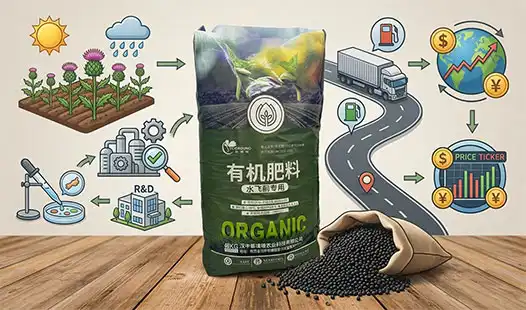
How is Silybum marianum Organic Fertilizer Price Determined?
How Reliable Is Cordydalis Tuber Organic Fertilizer for High-Yield Farming?
Why Choose a Reliable Organic Fertilizer Supplier for Your Farm?
How Do Fruit Tree Organic Fertilizer Manufacturers Test Their Products?
How Can You Get the Best Silybum marianum Organic Fertilizer Price?
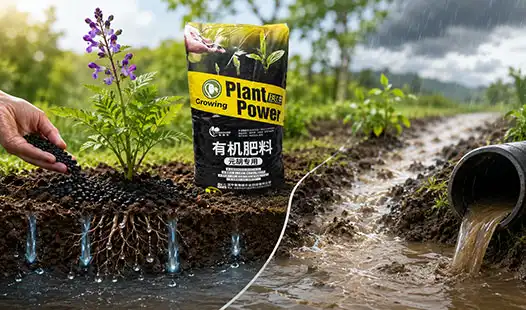
Can Cordydalis Tuber Organic Fertilizer Reduce Fertilizer Runoff?