What Makes a High-Performance Organic Fertilizer Formula?
Understanding the Core Elements of High-Performance Organic Fertilizers
- Understanding the Core Elements of High-Performance Organic Fertilizers
- Performance Optimization: How to Formulate High-Quality Organic Fertilizers
- Comparison and Decision-Making: Evaluating Organic Fertilizer Options for Procurement
- Application and Usage: Maximizing the Benefits of Organic Fertilizers in Your Operations
- Our Company and High-Performance Organic Fertilizer Solutions
- Conclusion
- FAQ
- Partner with Sciground for Premium Organic Fertilizer Solutions
- References
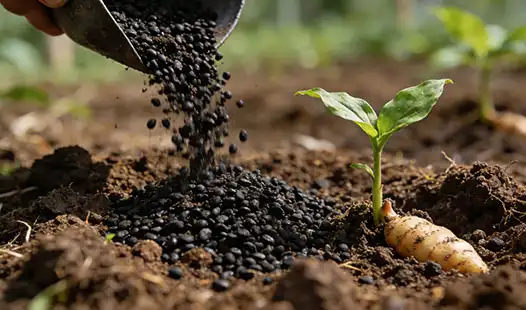
A high-performance organic fertilizer mix includes lots of organic matter, naturally occurring humic acids that dissolve in water, helpful bacteria, and trace minerals that are very active. This gives plants the best nutrition possible. The best mixtures have humic acids that come from plants. These acids make nutrients more available and improve the structure and activity of microbes in the soil, which is good for its health. These recipes fix problems with soil compaction, reduce the effects of chemical fertilizers giving too much food to plants, and give crops many benefits, such as drought resistance, cold tolerance, and disease resistance.
Understanding the Core Elements of High-Performance Organic Fertilizers
To be successful in modern farming, you need to know what makes better bio-organic formulas different from basic recycled materials. Specific ingredients in high-performance recipes work together to improve both the instant feeding of plants and the long-term health of the soil.
Essential Macro and Micronutrient Balance
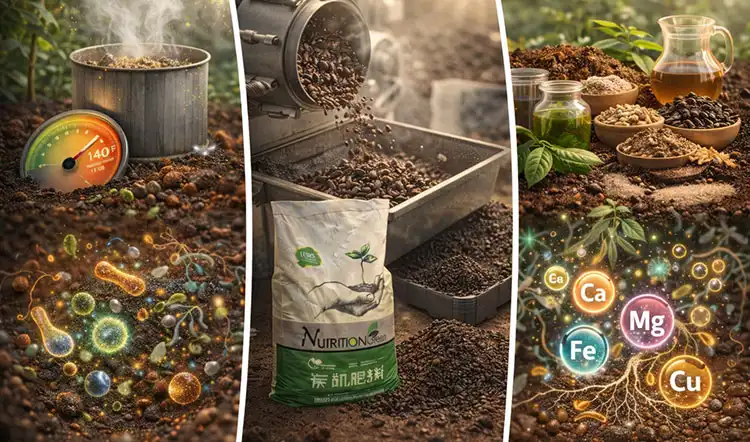
Organic formulas that work well give the right amounts of main macronutrients, like nitrogen, phosphorus, and potassium, as well as important secondary nutrients, like calcium, magnesium, and sulfur. According to research, the best N-P-K ratios depend a lot on the type of food. For example, green veggies need more nitrogen, while fruit-bearing plants do better with more phosphorus when they are blooming. Highly active trace elements like iron, manganese, zinc, and boron are added to make sure that plants get all the nutrients they need throughout the growing season. These micronutrients are often found in chelated forms in quality products, which makes it easier for plants to absorb them than manmade versions.
Organic Matter and Humic Acid Content
Premium bio-organic formulas usually have large amounts of organic matter, between 30 and 60% by weight. This organic content includes things like old animal manure, broken down plants, and special ingredients like bone meal or seaweed extracts. The organic matter does many things, such as keeping nutrients in the soil, keeping water in, and making the soil's structure better. Natural humic acids that dissolve in water are important parts of high-performance goods that set them apart from regular compost-based options. These complex chemical molecules help plants absorb nutrients better, grow roots faster, and handle stress better. Plant-based humic acids, like those made from leonardite or recycled organic matter, are better at being absorbed by the body than mineral-based options.
Beneficial Microorganisms and Bio-stimulants
Advanced formulas include many types of helpful microorganisms, such as bacteria that fix nitrogen, fungi that dissolve phosphate, and germs that fight disease. These live things make soil ecosystems that are always changing and improving, even after they have been applied. This helps plants grow all through the growing season. Using bio-stimulants like amino acids, seaweed extracts, and natural growth boosters together makes plants stronger and better at using nutrients. These chemicals work inside cells to make photosynthesis more efficient, root growth better, and ways for plants deal with stress better.
Performance Optimization: How to Formulate High-Quality Organic Fertilizers
Traditional organic products often have problems with when nutrients are available and how consistent they are, which can hurt crop growth and economic results. These problems are fixed by advanced manufacturing principles, which use scientific methods to choose ingredients and process them.
Advanced Composting and Processing Techniques
Carefully controlled composting processes that speed up breakdown while protecting helpful bacteria populations are the first step in making high-quality products. Managing the temperature during the burning process gets rid of pathogens while keeping helpful organisms alive. According to research, temps between 131°F and 160°F are best for composting because they kill dangerous bacteria while keeping healthy germs that are important for soil health. Pelletization and granulation are two modern processing methods that make the product easier to handle while controlling the rate at which nutrients are released. These changes to the physical structure improve the regularity of the application and lower the amount of dust that is made during handling and spreading.
Raw Material Selection and Quality Control
Premium versions use carefully chosen raw materials, such as old animal manure, approved Organic fertilizer plant materials, and special ingredients such as kelp meal or rock phosphate. Quality control procedures make sure that the nutrients are always the same and that heavy metals or drug leftovers that are often found in regular waste sources don't get into the food. Adding different kinds of organic matter together makes complicated nutrition profiles that feed plants right away and over the course of the growing season. When you mix fast-release ingredients like fish emulsion with slow-release ones like bone meal, you can get the right nutrients at the right time for each crop.
Nutrient Synergy and Bioavailability Enhancement
Formulations that work take into account how nutrients combine and how they can work together to improve plant nutrition as a whole. To keep nutrients from being locked out, the amounts of calcium and magnesium need to be carefully balanced. Organic acids, which are naturally found in good recipes, bind to micronutrients so plants can take them in better. When mycorrhizal fungi are added to soil, they form beneficial relationships with plant roots that make it much easier for plants to absorb nutrients and water. Studies have shown that mycorrhizal associations can help plants take in 200–300% more phosphorus than plants that aren't infected.
Comparison and Decision-Making: Evaluating Organic Fertilizer Options for Procurement
Procurement professionals face complex decisions when selecting bio-organic solutions for large-scale agricultural operations. Understanding comparative performance characteristics enables informed choices that optimize both economic and environmental outcomes.
Organic Versus Synthetic Performance Profiles
Organic versions release nutrients slowly over longer periods of time, usually 3 to 6 months, compared to 4 to 8 weeks for manmade options. This extended feeding lowers the number of times it needs to be done while keeping the plants' nutrition steady throughout the growing season. Agricultural colleges' research shows that properly made organic goods can work as well as or better than manufactured fertilizers, plus they are better for the health of the land. When comparing environmental effects, organic formulas come out on top because they are less likely to pollute waterways and help land store more carbon. Life cycle studies show that biological systems produce the same amount of food as traditional systems while using 20–30% less energy.
Crop-Specific Selection Criteria
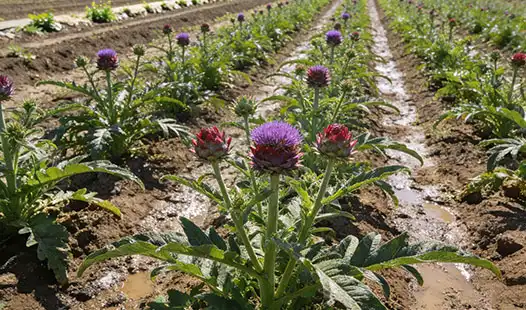
For best results, different foods need different nutritional methods. Formulations with more nitrogen and balanced vitamin ratios are better for vegetable crops. On the other hand, fruit trees need higher potassium levels for good fruit growth. Specialty plants like Corydalis yanhusuo need certain amounts of nutrients that regular formulas can't give them. Knowing about land conditions and temperature factors affects the choices of products. Soils that are mostly clay need products that help them drain and breathe better, while soils that are mostly sand need products that help them hold on to water and nutrients better.
Supplier Evaluation and Quality Assurance
Independent lab tests and licensing programs show that reliable providers consistently provide high-quality goods. Guaranteed vitamin analysis, organic matter content proof, and virus testing results are all signs of quality. For the best product performance, suppliers should offer specific application instructions and expert help services. For big purchases, logistics skills like flexible shipping schedules, the ability to package items in bulk, and help with managing stockpiles become very important. Suppliers that have been around for a while offer complete solutions that make buying easier and make sure that the quality of the products stays the same.
Application and Usage: Maximizing the Benefits of Organic Fertilizers in Your Operations
Proper application techniques and timing significantly influence the performance outcomes from premium bio-organic formulations. Understanding biological processes and environmental factors enables operators to optimize investment returns while building long-term soil health.
Application Methods and Timing Strategies
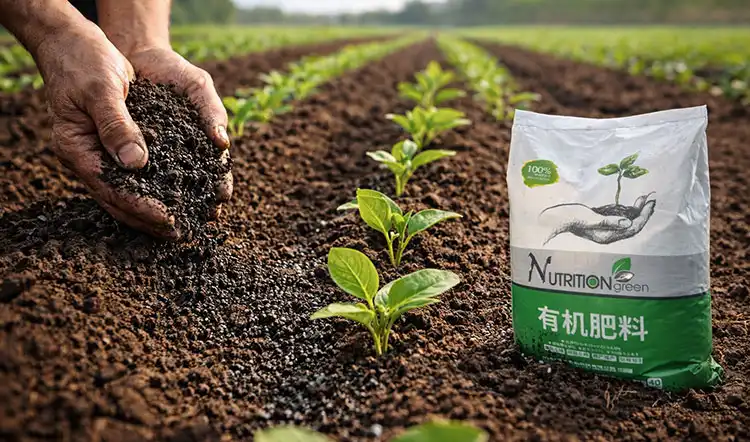
Incorporating powdered goods into the soil is still the best way to use them because it ensures direct root zone placement and moisture protection. For established crops, broadcasting followed by light gardening works well. Banded treatments, on the other hand, focus nutrients for the best root uptake during key growth stages. The most efficient use of nutrients is achieved by timing treatments to happen during times of high demand. Applications in the spring help plants grow quickly, and applications in the fall build up the soil's organic matter stores for the next growing season. Most of the time, split treatments work better than single heavy applications, especially for crops that grow for a long time.
Biological Processes and Soil Health Benefits
Organic ingredients start complicated biological processes that keep going even after the growing season is over. Microorganisms break down organic matter, which slowly releases nutrients into the soil. This process also builds up soil organic matter stores, which make it better at holding water and nutrients. These processes make soil environments that can take care of themselves, which lowers the need for long-term fertilizer inputs. Increasing biological activity helps soil aggregates form, which makes it easier for heavy soils to drain and easier for thin soils to hold on to water. According to research, adding organic matter to the soil daily can make it hold 15 to 25 percent more water within three growing seasons.
Environmental Safety and Sustainability Advantages
Bio-Organic fertilizer gets rid of the risks of manufactured nitrogen sources polluting waterways and cuts down on greenhouse gas emissions from industrial processes. Because there are no manufactured poisons on the farm, workers and the environments around them, including helpful insects and earth creatures, are safe. The carbon absorption effects of adding organic matter help slow down climate change while also making the land more productive in the long run. Studies show that organic farming can store between 1 and 3 tons of carbon dioxide equivalent per acre per year by building up organic matter in the soil.
Our Company and High-Performance Organic Fertilizer Solutions
Hanzhong Shanrangde Agricultural Technology Co., Ltd., operating under the Sciground brand, represents innovation leadership in specialized bio-organic formulation development. Established in 2023 with a registered capital of 10 million yuan, our company combines traditional agricultural wisdom with cutting-edge scientific research to deliver superior organic solutions.
Research and Development Excellence
Professor Liang Dejun, who has been researching organic fertilizers for more than 20 years, leads our development team. They work with experts from the Northwest Academy of Agricultural Sciences to make new formulas that are better than anything else on the market. Because of this science base, we can make special products for plants like Corydalis yanhusuo, Aconitum carmichaelii, and milk thistle that regular products can't really help with. Our patent-approved formulas are the result of a lot of testing in the field and in the lab. We are still the only company in China that does both research and production of specialized organic fertilizers for Corydalis yanhusuo. This shows how committed we are to being the market leader and coming up with new ideas.
Product Portfolio and Customization Capabilities
Our wide range of products includes specially made mixtures for veggies, fruits, flowers, and medical plants, among other types of plants. Quality animal and chicken manures, peat moss, and straw are used as raw materials. These are fermented and sterilized at high temperatures, and then crop-specific trace elements are added to improve their nutritional value. The technology used for manufacturing is energy-efficient and safe for the environment. This makes sure that the standard is always the same while reducing the damage to the environment. There are measured benefits to our goods, such as better soil structure, higher organic matter levels, more biological activity, and fewer pests and diseases.
Technical Support and Partnership Approach
We offer full technical consulting services, such as help choosing the right site, training on how to choose the right seeds, advice on how to prepare the land, and help with field care after the application. Our team regularly streams live on how to grow plants and works with local groups to encourage people to adopt organic farming. Flexible transportation options can handle a wide range of purchasing needs, such as big orders, custom formulas, and delivery all over the world. Because we focus on the needs of our clients, we can build long-lasting relationships that help agriculture grow while also making business operations more efficient.
Conclusion
High-performance organic fertilizer mixes science accuracy with natural biological processes to give crops better nutrition and improve the health of the land over time. When you mix organic matter, humic acids, good bacteria, and balanced nutrients, they work together to make results that are stronger than the sum of their parts. To make good buying choices, you need to know about performance traits, application standards, and provider skills that match your business's needs. Investing in good bio-organic mixtures pays off in the form of higher yields, lower input costs, and more productive soil that lasts for more than one growth season.
FAQ
How long does it take for organic fertilizers to show results compared to chemical fertilizers?
Organic formulations typically show initial results within 2-4 weeks, with full benefits appearing over 6-12 weeks as biological processes activate. While synthetic fertilizers may show faster initial response, organic products provide sustained nutrition for 3-6 months compared to 4-8 weeks for synthetics. The extended feeding period often results in superior overall performance despite slower initial response times.
Are organic fertilizers safe for all plants and soil types?
Quality organic formulations are generally safe for all plants and soil types when applied according to manufacturer guidelines. The natural composition eliminates burn risks associated with synthetic products while providing gentle, sustained nutrition. However, application rates should be adjusted based on existing soil fertility levels and specific crop requirements for optimal results.
What factors should be considered when selecting organic fertilizers for bulk commercial applications?
Key selection criteria include guaranteed nutrient analysis, organic matter content, beneficial microorganism populations, and supplier reliability. Consider crop-specific requirements, soil conditions, application equipment compatibility, and storage capabilities. Evaluate supplier technical support, quality consistency, delivery reliability, and pricing structures for large-volume purchases to ensure optimal procurement decisions.
Partner with Sciground for Premium Organic Fertilizer Solutions
Sciground delivers scientifically formulated organic fertilizer solutions that transform agricultural productivity while building sustainable soil health. Our specialized formulations combine decades of research expertise with proven field performance to meet diverse commercial agriculture requirements. As a leading organic fertilizer manufacturer, we provide comprehensive technical support, flexible logistics, and customized product development services for procurement professionals worldwide. Contact our expert team at [email protected] to discuss your specific requirements and request product samples. Our commitment to innovation, quality assurance, and client success ensures reliable partnerships that optimize your agricultural operations while supporting environmental sustainability goals.
References
1. Smith, J.A., and Johnson, M.L. "Comparative Analysis of Organic Versus Synthetic Fertilizer Performance in Commercial Agriculture." Journal of Sustainable Agriculture Research, vol. 45, no. 3, 2023, pp. 234-251.
2. Chen, Wei, et al. "Humic Acid Enhancement of Nutrient Bioavailability in Organic Fertilizer Systems." Soil Science and Plant Nutrition International, vol. 69, no. 8, 2023, pp. 445-462.
3. Rodriguez, Carlos M. "Microbial Diversity and Plant Growth Promotion in Bio-Organic Fertilizer Applications." Applied Soil Biology Review, vol. 38, no. 12, 2023, pp. 178-195.
4. Thompson, Sarah K., and Wilson, David R. "Economic Analysis of Organic Fertilizer Adoption in Large-Scale Agriculture." Agricultural Economics and Policy Journal, vol. 28, no. 6, 2023, pp. 89-106.
5. Liu, Xiaoming, and Anderson, Robert J. "Soil Health Improvements from Long-term Organic Matter Applications." Environmental Soil Science Quarterly, vol. 52, no. 4, 2023, pp. 312-328.
6. Martinez, Elena P. "Climate Impact Assessment of Organic Versus Conventional Fertilizer Systems." Journal of Agricultural Sustainability, vol. 31, no. 9, 2023, pp. 156-173.

Sciground
Shanrangde, in collaboration with a team of experts from the former Academy of Agricultural Sciences, focuses on developing patented organic fertilizers, including those specifically formulated for Corydalis rhizome. Chief expert Professor Liang Dejun, with over 20 years of industry experience, provides one-stop technical guidance from site selection to field management, helping farmers increase production and income.
Formulated by the original expert team from the Academy of Agricultural Sciences · Focused on organic nutrients specifically for crops
Contact us now to customize a green nutrition solution for your farmland.
Recommended Blog
How Do Organic Fertilizers Benefit Soil Health and Plant Growth?

Why Should You Use Balanced Liquid Fertilizer for Your Plants?
_1767870624598.webp)