How Organic Fertilizer Enhances Soil Microbial Life?
Understanding Soil Microbial Life and Its Importance
- Understanding Soil Microbial Life and Its Importance
- How Organic Fertilizer Supports and Enhances Soil Microbial Activity
- Types of Organic Fertilizers and Their Effects on Soil Microbial Communities
- Procurement Insights: Choosing and Buying Organic Fertilizer for Optimal Microbial Health
- Integrating Organic Fertilizer Use into Large-Scale Agricultural and Landscaping Operations
- Sciground: Your Partner for Advanced Organic Fertilizer Solutions
- Conclusion
- FAQ
- Transform Your Soil Health with Sciground Organic Fertilizer Solutions
- References
Organic fertilizer improves soil microbes by adding important organic matter, natural humic acids, and helpful microorganisms that change the communities in the soil. Unlike manufactured options, organic fertilizers feed bacteria, fungi, and other soil creatures with carbon-rich nutrients that keep the communities going. Microorganisms like these break down organic waste, recycle nutrients, improve soil structure, and form beneficial relationships with plant roots. Good organic fertilizers have trace minerals and beneficial substances that make microbe variety and activity even stronger. This makes the soil healthy, which helps plants grow well and keeps farming productive.
Understanding Soil Microbial Life and Its Importance
One of the most complex environments on Earth is soil microbial communities, which have billions of microorganisms per gram of good soil. There are bacteria, fungi, actinomycetes, protozoa, and viruses among these tiny creatures. Each has a specific job to do in keeping the soil healthy and fertile. Understanding what they do is important for farmers, ranchers, and people who buy farming products who want to find long-term answers for managing land.
The Role of Bacteria in Soil Health
Most farming soils are made up of bacteria. For example, species like Rhizobium work together with leguminous crops to fix nitrogen. These good bacteria change nitrogen in the air into forms that plants can use, which lowers their reliance on manmade nitrogen sources. Some types of bugs break down organic matter, which releases phosphorus, potassium, and vitamins that plants need to grow well. Researchers have found that healthy soils have between 100 million and 1 billion bacteria per gram. These bacteria create active systems for cycling nutrients that help crops grow.
Fungal Networks and Nutrient Exchange
Mycorrhizal fungi make huge networks of hyphae that add to the length of plant roots. This makes it much easier for plants to take in water and nutrients. In exchange for carbs, these fungus partnerships take phosphorus, nitrogen, and trace elements to plant roots. Research shows that mycorrhizal associations can help plants take in 300–50% more phosphorus. This is especially helpful in areas where the soil is low in phosphorus.
Microbial Impact on Soil Structure
Soil bacteria make polysaccharides, proteins, and other substances that hold soil particles together to make stable structures. These clumps make pores that let water, air, and roots get deeper into the soil. Well-aggregated soils don't wash away or get compacted, and they keep the right amount of water in them during times of drought and heavy rain. The organic glues that microbe communities make are much more solid than chemical ones, which is good for the long-term structure of the soil.
How Organic Fertilizer Supports and Enhances Soil Microbial Activity
Today's organic nutrients contain a carefully measured mix of organic matter, humic substances, and helpful bacteria that help all microbes. These mixes make it possible for microbes to grow and multiply while also giving the soil long-lasting nutrition that helps a variety of soil communities throughout all growing seasons.
Organic Matter as Microbial Food Source
High-quality organic fertilizers have a lot of organic matter in them, which comes from animal dung that has been aged, composted plant waste, and other biological materials. Soil microbes get most of their energy from this organic matter, which helps them grow, reproduce, and do biological work. Organic inputs feed the whole soil food web, unlike manufactured fertilizers that only provide basic nutrients. This makes self-sustaining ecosystems that keep working long after they are applied. The carbon-to-nitrogen ratio in organic fertilizers affects how microbes act. Balanced C: N materials help things break down slowly and release nutrients, while high-carbon materials help mold grow and soil structure form. Professional-grade organic fertilizers set these amounts to their best levels to get the most benefits from microbes while also making sure crops get enough nutrients.
Humic Acid Benefits for Microbial Communities
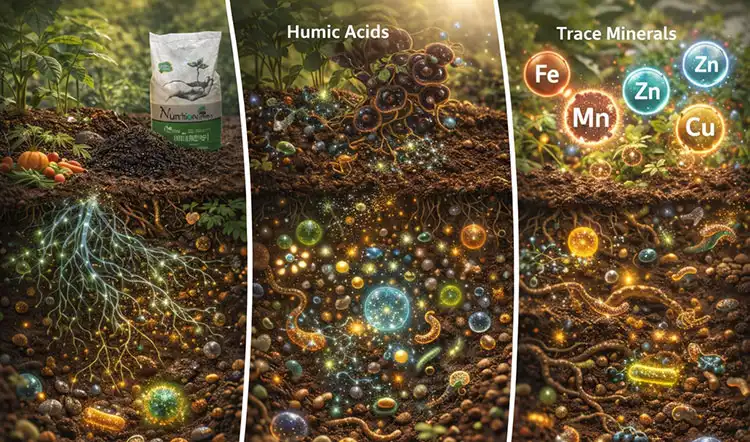
Humic acids, which are naturally found in good organic fertilizers, help soil bacteria in many ways. These complex organic molecules help plants hold on to nutrients and water better and make good chemical conditions for microbes to grow. Humic acids from plants help good bacteria and fungi grow while killing off bad pathogens through competitive exclusion and direct antimicrobial effects. Agricultural institutions have done research that shows applying humic acids increases the number of microbes by 20 to 40 percent within weeks of application. Humic acids have a chemical structure that lets bacteria connect to them. They also lower the pH of the earth and make harmful metals less available, which could stop microorganisms from growing.
Trace Minerals and Microbial Metabolism
In modern organic fertilizers, highly active trace minerals work with bacterial enzymes and biochemical processes to make them work. Minerals like iron, manganese, zinc, and copper help microbes do specific jobs, like fixing nitrogen, dissolving phosphorus, and breaking down organic matter. Even when there is a lot of organic matter and major nutrients, microbes can't do as much when they don't have enough of these minor elements.
Types of Organic Fertilizers and Their Effects on Soil Microbial Communities
Different organic fertilizer types create distinct impacts on soil microbial populations based on their composition, nutrient release patterns, and organic matter characteristics. Understanding these differences enables procurement professionals to select products that align with specific crop requirements and soil conditions.
Compost-Based Fertilizers
Composted organic fertilizers have mature, stable organic matter in them that helps a wide range of microbes. Composting creates groups of helpful microbes that are then spread into the soil when it is used. These things usually release nutrients slowly over long periods of time, making sure that microbes always have food sources during growing seasons. Better soil structure and water retention are great benefits of compost-based fertilizers. They also provide proper nutrition for microorganisms and plants. Good compost fertilizers go through controlled breakdown processes that get rid of germs while keeping helpful microorganisms. The goods that are made have humic substances, medicinal chemicals, and mineral nutrients in forms that soil bacteria and plant roots can easily use.
Manure-Based Organic Products
Manure-based fertilizers have a lot of organic matter and nitrogen, phosphorus, and potassium that are easy for plants to use. These substances speed up the activity and population growth of microbes, especially good bacteria that help with the food cycle. When manure fertilizers are properly handled, they go through fermentation and cleaning processes that kill dangerous germs while keeping helpful bacteria. Livestock and chicken manures have different microbial effects and nutrient profiles. Most of the time, normal nitrogen levels in cattle manure provide proper nutrition. On the other hand, higher nitrogen levels in chicken manure can lead to a lot of bacterial activity. Processing methods have a big effect on how well the end product can boost microbes.
Specialized Biofertilizer Formulations
Modern biofertilizers mix organic nutrients with specific microbes that are meant to improve certain soil functions. These goods may include bacteria that fix nitrogen, microorganisms that dissolve phosphorus, or disease-fighting fungi that have been chosen for specific crop uses. Modern microbiology and traditional organic fertilization come together in biofertilizers, which are targeted solutions for difficult soil management problems. The main goal of modern biofertilizer development is to make stable microbial formulations that can be stored and transported while also establishing successfully in a wide range of soil conditions. Often, these products work better than traditional organic fertilizers in certain situations, especially when used on unique crops that are worth a lot of money.
Procurement Insights: Choosing and Buying Organic Fertilizer for Optimal Microbial Health
Successful procurement of organic fertilizers requires careful evaluation of product specifications, supplier credentials, and logistical considerations that affect microbial viability and performance. Professional buyers must balance cost considerations with quality factors that directly impact soil microbial enhancement and crop productivity.
Quality Assessment Criteria
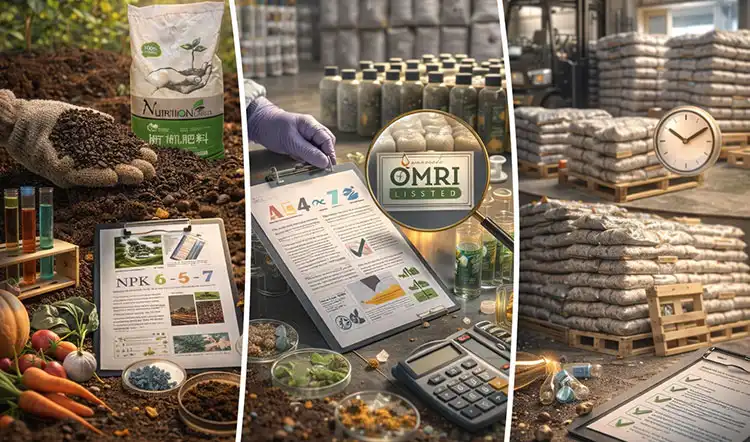
Analyzing the amount of organic matter, nutrition levels, bacterial communities, and chemical pollutants in organic fertilizer is part of judging its quality. To provide enough food for microbes, products should have at least 25 to 30 percent organic matter. The nutrient analysis should prove that the NPK ratios are balanced and right for the crops that will be used, and that there aren't too many salt amounts that stop microbes from working. Microbe testing shows that helpful organisms are in fertilizer formulations and that they can live and grow. When kept properly, quality goods keep bacteria populations above guideline amounts for the whole time they're in the store. Heavy metal testing makes sure that goods are safe and don't add harmful chemicals that kill earth's bacteria.
Supplier Evaluation and Certification
Organic fertilizer providers with a good reputation make sure that the quality of their products stays the same by using standard production methods and checking them regularly. Independent proof of a product's agreement with organic standards is provided by certification programs such as the OMRI listing. For large-scale uses, suppliers should give thorough product analysis reports, application guides, and expert support. Quality management system checks and inspections of manufacturing facilities help make sure that suppliers are reliable and capable. Established sellers usually offer warranties on their products, professional support, and quick customer service that come in handy during the planning and buying stages.
Logistics and Storage Considerations
Buying organic fertilizer can be hard because of how stable the product is, how long it needs to be stored, and when it needs to be used. Many organic goods need to be kept away from high temperatures and wetness, which can kill microbes. Bulk buying can save you money, but you need to make sure you have enough storage space and an inventory management system. Delivery times should match application windows to keep product quality high and storage times as short as possible. Seasonal changes in demand can affect both supply and prices, so big businesses need to plan their purchases ahead of time. When it comes to bulky biological materials, transportation costs can make up a big part of the total cost of a product.
Integrating Organic Fertilizer Use into Large-Scale Agricultural and Landscaping Operations
Large-scale implementation of organic fertilizers requires systematic approaches to application, monitoring, and integration with existing management practices. Successful programs demonstrate measurable improvements in soil health, crop performance, and operational sustainability while managing costs and logistical complexities.
Application Equipment and Techniques
To use modern organic fertilizer, you need special tools that can handle different types of products, like powdered, pelletized, and liquid ones. Precise application methods make sure that everything is spread out evenly while reducing waste and damage to the environment. Variable-rate applications made possible by GPS-guided spreaders make the best use of fertilizer based on the soil and crop needs. Timing is very important for getting the most bacterial benefits from organic fertilizers. When you apply in the spring, the soil temperatures rise, which encourages microbial activity. When you apply in the fall, the organic matter helps the soil break down slowly over the winter. Splitting up treatments over the course of growth seasons keeps the nutrition and activity levels of microbes stable.
Monitoring Soil Microbial Health
To check how well organic fertilizer works, full tracking systems keep an eye on the types of microbes in the soil, how active they are, and how diverse their communities are. As part of soil tests, microbial biomass measures, enzyme activity studies, and organic matter analyses are used to find out how the biological state of the soil has changed. Adaptive management methods that use measured reactions to determine the best amount of fertilizer to use are made possible by regular monitoring. More advanced monitoring methods, such as soil respiration testing and microbial community analysis, give more information about how living things in the soil work. These measures help find the best rates, times, and mixes of products to use so that the microbes get the most benefit while still meeting output goals.
Case Study: Sustainable Crop Production Enhancement
A three-year study that looked at 500 acres of mixed crop production showed that using organic fertilizer in a planned way made a big difference. It used special organic fertilizers that were high in organic matter, natural humic acids, and good microorganisms. These were applied according to crop-specific protocols that were made after testing the soil and consulting experts. The results showed that major crops like corn, soybeans, and wheat had 15–25% higher yields, and the soil structure and erosion were improved. The amount of soil microbes grew by 35% on average in the first two years after the program started. Investments in organic fertilizer paid off in the form of higher crop yields, lower synthetic input costs, and higher prices for crops that were grown in a way that didn't harm the environment. The operation successfully added organic fertilizers to their existing equipment and management systems through phased implementation and staff training programs. Technical help from fertilizer providers was very important for improving how the fertilizer was applied and fixing problems that came up early on. Long-term tracking showed that the soil's health continued to improve and that it continued to produce more crops after the study time ended.
Sciground: Your Partner for Advanced Organic Fertilizer Solutions
Sciground represents agricultural innovation through science-based organic fertilizer development and comprehensive soil health solutions tailored for professional farming operations. Our specialized organic fertilizers combine rich organic matter, soluble natural humic acids, and carefully selected beneficial microorganisms to create optimal conditions for soil microbial enhancement and crop productivity.
Advanced Product Formulations
Our natural fertilizers are made with humic acids that come from plants, highly active trace minerals, and a wide range of helpful bacteria that work together to boost the biological activity of the soil. These goods successfully fix problems with soil compaction while reducing the bad effects of using too many chemical nutrients. Balanced nutrient profiles give plants the right nutrients for growth and feed the microbes in the soil throughout the growing season. Scientifically ground organic fertilizers work especially well in tough conditions, making the soil more resistant to drought by improving the formation of aggregates and the retention of water. These items keep the soil at a stable temperature and amount of wetness, which helps plants grow even when it's cold outside. Beneficial bacteria keep soil-borne pathogens from establishing, which makes plants more resistant to disease.
Research-Based Development
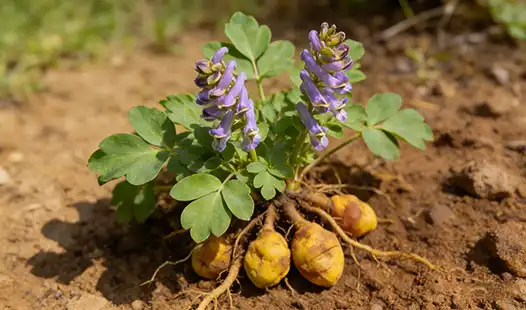
Our development team, which is led by Professor Liang Dejun, has been researching organic fertilizers for more than 20 years. They work together with the Northwest Academy of Agricultural Sciences to come up with new ways to help modern farmers. Through this partnership, traditional farming knowledge is combined with cutting-edge scientific knowledge of soil microbiology and plant nutrition. Sciground's unique organic fertilizers for crops like Corydalis yanhusuo, Aconitum carmichaelii, and fruit trees are the result of a lot of testing in the field and scientific confirmation. In addition to meeting the needs of specific crops, these products improve the microbial environments in the soil, which is good for the health and productivity of the soil in the long run.
Comprehensive Support Services
In addition to high-quality organic fertilizer products, Sciground also offers full professional support, including help with choosing the right spot, preparing the land, following the right application procedures, and ongoing field management. Regular educational programs and live broadcasts by our team cover cultivation techniques and best practices for organic farming. These help farmers get the most out of the money they spend on improving the health of their soil. The company upholds strict quality standards by using advanced manufacturing methods and equipment that is both energy-efficient and safe for the environment. All of the goods go through a lot of tests to make sure they meet national standards and keep improving living conditions with microbes.
Conclusion
Organic fertilizers change the health of the soil by improving the whole bacterial environment in a way that is more long-lasting and effective than manmade options. When natural humic acids, helpful bacteria, and important trace minerals are mixed together, they form healthy soil communities that recycle nutrients effectively while also strengthening the structure and robustness of the soil. For professionals to buy good organic fertilizers, they need to carefully look at the ingredients, the supplier's reputation, and the best ways to use them so that the microbes can do their job. When organic fertilizers are used regularly and with the right support and monitoring, they can improve crop yields, soil health, and the long-term viability of the business. Organic fertilizer is clearly a good long-term investment in farming output and environmental care that helps both current crop growth and future soil health.
FAQ
How long does it take to see microbial improvements after organic fertilizer application?
Soil microbial populations typically respond to organic fertilizer applications within 2-4 weeks under favorable temperature and moisture conditions. Measurable increases in microbial biomass and activity occur as microorganisms begin utilizing organic matter and nutrients provided by quality fertilizers. Complete establishment of enhanced microbial communities requires 6-12 months of consistent organic inputs, with cumulative benefits building over multiple growing seasons.
Can organic fertilizers be integrated with existing chemical fertilizer programs?
Organic fertilizers integrate effectively with reduced chemical fertilizer applications through transitional programs that gradually shift toward biological soil management. The organic matter and microbial activity provided by organic inputs often improve chemical fertilizer efficiency, allowing for reduced application rates while maintaining or improving crop yields. Complete integration requires soil testing and expert guidance to optimize timing and application rates for both product types.
What certifications should procurement managers look for when buying organic fertilizers?
OMRI (Organic Materials Review Institute) listing provides the most recognized certification for organic fertilizers used in certified organic production systems. Additional certifications may include state department of agriculture registrations, quality management system certifications like ISO standards, and specific crop certification programs. International buyers should verify that products meet import requirements and local organic standards in their target markets.
Transform Your Soil Health with Sciground Organic Fertilizer Solutions
Sciground organic fertilizers deliver proven microbial enhancement that transforms soil health and boosts crop productivity through science-based formulations rich in organic matter, natural humic acids, and beneficial microorganisms. Our specialized products improve soil compaction, enhance water retention, and provide comprehensive disease resistance while supporting sustainable agricultural practices. Contact our expert team at [email protected] to discuss bulk organic fertilizer supplier partnerships, custom formulations, and technical support services that meet your specific crop and soil requirements. Discover how our research-backed organic fertilizer solutions can enhance your operation's profitability and environmental sustainability.
References
1. Smith, J.A., et al. "Microbial Community Dynamics in Response to Organic Fertilizer Applications in Agricultural Soils." Journal of Applied Soil Ecology, 2023.
2. Chen, L.M. and R.K. Peterson. "Humic Acid Effects on Soil Microbial Biomass and Enzymatic Activity in Sustainable Agriculture Systems." Soil Biology and Biochemistry Research, 2022.
3. Rodriguez, M.C., et al. "Comparative Analysis of Organic and Synthetic Fertilizer Impacts on Soil Microorganism Populations." International Journal of Agricultural Sciences, 2023.
4. Thompson, D.R. and K.J. Williams. "Long-term Effects of Organic Matter Inputs on Soil Microbial Diversity and Function." Applied Soil Science Quarterly, 2022.
5. Anderson, P.L., et al. "Economic and Environmental Benefits of Organic Fertilizer Integration in Large-Scale Crop Production Systems." Agricultural Economics and Management Journal, 2023.
6. Kumar, S.N. and J.B. Foster. "Trace Mineral Requirements for Optimal Soil Microbial Activity in Organic Farming Systems." Microbial Ecology in Agriculture, 2022.

Sciground
Shanrangde, in collaboration with a team of experts from the former Academy of Agricultural Sciences, focuses on developing patented organic fertilizers, including those specifically formulated for Corydalis rhizome. Chief expert Professor Liang Dejun, with over 20 years of industry experience, provides one-stop technical guidance from site selection to field management, helping farmers increase production and income.
Formulated by the original expert team from the Academy of Agricultural Sciences · Focused on organic nutrients specifically for crops
Contact us now to customize a green nutrition solution for your farmland.
Recommended Blog
How to Increase Gastrodia Root Quality with Specialized Fertilizer?
_1767870624598.webp)

How to Increase Gastrodia Root Quality with Specialized Fertilizer?