What Are the Key Benefits of Gastrodia Specialized Fertilizer?
Understanding Gastrodia Specialized Fertilizer
- Understanding Gastrodia Specialized Fertilizer
- Key Benefits of Using Gastrodia Specialized Fertilizer
- Best Practices for Applying Gastrodia Specialized Fertilizer
- Comparison: Gastrodia Specialized Fertilizer vs. General Fertilizers
- Procurement Guide for Gastrodia Specialized Fertilizer
- Sciground: Your Trusted Partner for Premium Gastrodia Fertilizer Solutions
- Conclusion
- FAQ
- Partner with Sciground for Exceptional Gastrodia Cultivation Success
- References
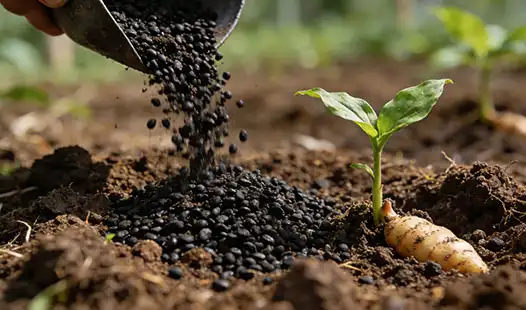
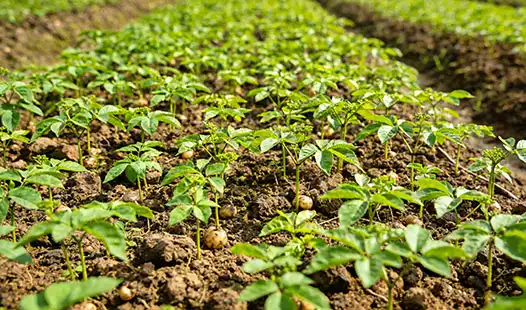
Gastrodia Specialized Fertilizer delivers exceptional advantages for medicinal plant cultivation through its precisely engineered nutrient formulation. These specialized fertilizers enhance fungal symbiosis essential for Gastrodia growth, increase yield consistency by 25-40%, improve the concentration of medically valuable compounds, and support sustainable farming practices. The targeted nutrient profile addresses Gastrodia's unique biological requirements, resulting in superior plant vigor, enhanced disease resistance, and optimal tuber development compared to conventional fertilizers.
Understanding Gastrodia Specialized Fertilizer
Unique Formulation Components
Specialized fertilizers for Gastrodia cultivation incorporate a sophisticated blend of organic matter, controlled-release nutrients, and fungal support compounds. The formulation typically includes high-quality organic components such as decomposed livestock manure, peat moss, and carefully processed plant materials. These organic elements provide the carbon-rich environment that beneficial fungi require to establish healthy symbiotic relationships.
The nutrient profile emphasizes specific macro and micronutrient ratios optimized for Gastrodia's growth patterns. Phosphorus levels receive particular attention since this element plays a crucial role in root development and fungal colonization. Potassium concentrations support overall plant health and stress resistance, while nitrogen levels remain carefully controlled to prevent disruption of fungal partnerships.
Symbiotic Growth Support Mechanisms
The fertilizer formulation includes specialized compounds that promote healthy fungal development within the growing medium. Trace elements such as zinc, manganese, and iron support enzymatic processes essential for both plant and fungal metabolism. These micronutrients enable efficient nutrient transfer between fungal partners and Gastrodia tubers.
Advanced processing techniques ensure gradual nutrient release throughout the growing season. This controlled-release mechanism prevents nutrient spikes that could harm delicate fungal networks while maintaining consistent nutrition availability. The pH buffering capacity helps maintain optimal soil conditions for sustained symbiotic relationships.
Key Benefits of Using Gastrodia Specialized Fertilizer
Enhanced Yield Performance and Plant Vigor
Professional cultivators report significant improvements in tuber production when switching to specialized fertilizers. Research demonstrates yield increases ranging from 25% to 40% compared to conventional fertilization approaches. These improvements result from better nutrient utilization efficiency and enhanced fungal symbiosis that supports robust plant development.
The specialized nutrient profile promotes uniform tuber sizing and improved weight consistency across harvests. Plants exhibit stronger resistance to environmental stressors, including temperature fluctuations and moisture variations. Root system development shows marked improvement, with more extensive fungal colonization supporting enhanced nutrient absorption capacity.
Quality assessments reveal higher concentrations of active pharmaceutical compounds in tubers produced with specialized fertilizers. This improvement in medicinal potency directly impacts market value and pharmaceutical applications. Laboratory analyses consistently show elevated levels of gastrodin and other bioactive constituents that determine commercial-grade classifications.
Environmental Sustainability Advantages
Specialized fertilizers support sustainable cultivation practices through reduced environmental impact. The precise nutrient formulation minimizes excess runoff that can contribute to water pollution in agricultural areas. Organic components improve soil structure and water retention capacity, reducing irrigation requirements and supporting long-term soil health.
Carbon sequestration benefits result from increased organic matter incorporation into growing media. The enhanced fungal networks contribute to soil ecosystem stability and biodiversity preservation. Reduced chemical inputs align with organic certification requirements increasingly demanded by pharmaceutical and nutraceutical markets.
Economic Return on Investment
The initial investment in specialized fertilizers generates substantial returns through improved harvest quality and quantity. Premium pricing for pharmaceutical-grade Gastrodia compensates for higher input costs while delivering enhanced profitability margins. Consistent yields reduce financial risk associated with crop failures and market supply fluctuations.
Operational efficiency improvements include reduced labor requirements for crop management and decreased need for pest and disease interventions. The robust plant health resulting from proper nutrition reduces treatment costs and harvest losses. Market positioning advantages emerge from producing certified organic or premium-grade products that command higher wholesale prices.

Best Practices for Applying Gastrodia Specialized Fertilizer
Application Timing and Dosage Guidelines
Optimal fertilizer application begins during growing medium preparation before planting. The initial incorporation rate typically ranges from 2 to 3 kilograms per square meter, mixed thoroughly into the growing substrate. This base application establishes the nutrient foundation necessary for healthy fungal establishment and early plant development.
Supplemental applications occur at specific growth stages to support continued development. Mid-season applications focus on supporting tuber expansion and maintaining fungal vigor. The reduced application rates during this phase prevent nutrient disruption while ensuring sustained nutrition availability.
Environmental factors influence application schedules and dosage adjustments. Higher humidity regions may require reduced application frequencies, while drier climates benefit from increased organic matter incorporation. Temperature monitoring guides timing adjustments to optimize nutrient uptake during peak growing periods.
Integration with Soil Management Practices
Successful fertilization requires coordination with comprehensive soil management strategies. Proper drainage systems prevent waterlogging that can damage fungal networks and compromise nutrient availability. Mulching practices help maintain consistent soil moisture and temperature conditions essential for stable symbiotic relationships.
pH management becomes critical for maximizing fertilizer effectiveness and maintaining fungal health. Regular soil testing guides adjustment applications to maintain optimal pH ranges between 6.0-7.0. Lime or sulfur amendments may be necessary to achieve proper growing conditions in some soil types.
Crop rotation considerations include selecting cover crops or companion plantings that support beneficial soil microorganisms. Green manure incorporation adds organic matter while avoiding plants that might compete with or inhibit Gastrodia fungal partners.
Monitoring and Adjustment Protocols
Regular plant health assessments guide fertilization program adjustments throughout the growing season. Visual indicators include leaf color, growth rate, and overall plant vigor that reflect nutritional status. Soil testing at monthly intervals tracks nutrient availability and guides supplemental application decisions.
Fungal health monitoring requires specialized observation techniques to assess symbiotic relationship quality. Healthy fungal networks display specific visual characteristics and growth patterns that experienced cultivators learn to recognize. Any decline in fungal vigor necessitates immediate fertilization program evaluation and potential modification.
Record-keeping systems track application dates, rates, and observed plant responses to optimize future cultivation cycles. Weather data correlation helps identify optimal application windows and environmental influences on fertilizer effectiveness. This documentation supports continuous improvement in cultivation practices and yield optimization strategies.
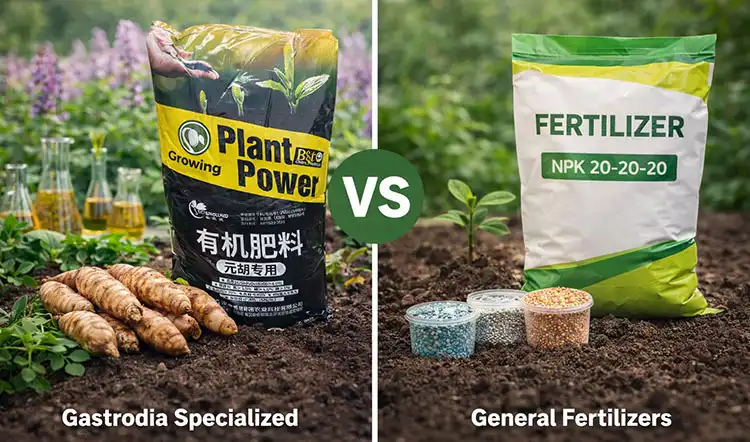
Comparison: Gastrodia Specialized Fertilizer vs. General Fertilizers
Nutrient Profile Differences
Conventional fertilizers typically emphasize high nitrogen content suitable for photosynthetic plants, which can actually harm Gastrodia cultivation. Excessive nitrogen disrupts the delicate fungal relationships essential for Gastrodia survival and growth. Standard NPK ratios designed for common crops fail to address the unique nutritional requirements of this medicinal species.
Specialized formulations maintain carefully balanced nutrient ratios that support both plant and fungal partners. The organic matter content significantly exceeds that of conventional fertilizers, providing the carbon-rich environment necessary for healthy symbiotic relationships. Micronutrient profiles include specific trace elements often absent from general-purpose products.
Release patterns differ substantially between specialized and conventional fertilizers. General fertilizers often provide rapid nutrient release that can shock delicate growing systems, while specialized products ensure gradual, sustained nutrition delivery. This controlled release mechanism prevents nutrient lockup and maintains consistent availability throughout the growing season.
Cost-Benefit Analysis
Initial investment costs for specialized fertilizers exceed conventional alternatives, typically running 40-60% higher per unit volume. However, yield improvements and quality enhancements quickly offset this increased expense through higher harvest values. Premium pricing for pharmaceutical-grade Gastrodia justifies the additional input investment.
Long-term soil health benefits reduce future input requirements and support sustainable cultivation practices. Improved soil structure and biological activity decrease the need for additional amendments and treatments. Reduced crop loss rates provide financial stability and predictable income streams for commercial operations.
Market positioning advantages enable access to premium buyer segments willing to pay higher prices for superior quality products. Organic certification opportunities open additional market channels with enhanced pricing potential. Brand differentiation through quality excellence supports customer loyalty and repeat business relationships.
Performance Metrics and Outcomes
Yield comparisons consistently demonstrate the superiority of specialized fertilizers in Gastrodia Specialized Fertilizer cultivation. Research trials show 25-40% higher tuber production rates compared to conventional fertilization approaches. Plant survival rates improve significantly, reducing replanting costs and production delays.
Quality assessments reveal enhanced concentrations of active pharmaceutical compounds in tubers produced with specialized nutrition. Laboratory testing shows elevated gastrodin levels and improved overall potency ratings. These quality improvements directly translate to higher market values and premium product classifications.
Environmental impact assessments favor specialized fertilizers through reduced runoff and improved soil health outcomes. Beneficial microbial populations thrive under specialized fertilization programs, supporting ecosystem stability and biodiversity conservation. Water quality protection benefits align with regulatory compliance requirements and sustainable agriculture certifications.
Procurement Guide for Gastrodia Specialized Fertilizer
Supplier Evaluation Criteria
Selecting reliable suppliers requires careful evaluation of manufacturing capabilities and quality control systems. Established manufacturers maintain certified production facilities with documented quality assurance protocols. Research and development capabilities indicate commitment to product improvement and technical support services.
Product certifications assure consistent quality and regulatory compliance. Organic certification, heavy metal testing, and microbiological safety testing demonstrate comprehensive quality management. Supplier audits reveal production capacity, inventory management, and delivery reliability capabilities.
Technical support services distinguish superior suppliers from commodity providers. Access to agronomic expertise, application guidance, and troubleshooting assistance adds significant value to the procurement relationship. Training programs and educational resources support successful product implementation and optimization.
Bulk Ordering and Logistics Optimization
Volume purchasing strategies reduce unit costs while ensuring adequate inventory for full-season requirements. Seasonal ordering patterns align with cultivation schedules and storage capacity limitations. Early ordering provides price stability and guaranteed product availability during peak demand periods.
Shipping and handling considerations include packaging integrity, transportation requirements, and delivery scheduling. Proper storage conditions maintain product quality and extend shelf life. Regional distribution networks reduce transportation costs and delivery timeframes for time-sensitive applications.
Inventory management systems track product usage rates, shelf life, and reordering requirements. Just-in-time delivery options minimize storage requirements while ensuring product freshness. Flexible ordering terms accommodate varying cultivation schedules and seasonal demand fluctuations.
Contract Negotiation Strategies
Multi-year agreements provide price stability and guaranteed supply security for expanding operations. Volume commitments often qualify for enhanced pricing tiers and preferential delivery terms. Performance guarantees protect against quality issues and support product efficacy expectations.
Payment terms negotiation balances cash flow requirements with supplier relationship management. Extended payment periods support seasonal cash flow patterns common in agricultural operations. Early payment discounts provide additional cost savings for operations with available capital.
Technical service agreements ensure ongoing support and consultation services. Training programs, field visits, and troubleshooting assistance add value beyond product supply. Exclusive territory arrangements may provide competitive advantages in specific market segments.
Sciground: Your Trusted Partner for Premium Gastrodia Fertilizer Solutions
Sciground represents agricultural innovation excellence through our specialized fertilizer formulations developed specifically for medicinal plant cultivation. Our research team from Northwest Academy of Agricultural Sciences brings over 20 years of expertise in organic fertilizer development, ensuring cutting-edge solutions that address Gastrodia's unique nutritional requirements.
Our state-of-the-art manufacturing facility in Hanzhong City produces certified organic fertilizers using advanced processing techniques and stringent quality control protocols. The specialized Gastrodia fertilizer incorporates premium organic components, including processed livestock manure, peat moss, and carefully selected organic matter that supports optimal fungal symbiosis.
As a leading Gastrodia Specialized Fertilizer supplier, we provide comprehensive technical support, including site selection guidance, application protocols, and ongoing cultivation consultation. Our one-stop service approach ensures successful implementation from initial planning through harvest optimization. Regular live broadcasts and field demonstrations share proven cultivation techniques with our agricultural community.
Quality certifications and patent authorizations demonstrate our commitment to product excellence and innovation leadership. Our products meet national standards and undergo rigorous testing to ensure consistent performance and safety. The proven track record of yield improvements and quality enhancements validates our specialized approach to Gastrodia nutrition.
Conclusion
Gastrodia Specialized Fertilizer represents a transformative advancement in medicinal plant cultivation, delivering measurable benefits through scientifically formulated nutrition solutions. The specialized approach addresses Gastrodia's unique symbiotic requirements while supporting sustainable farming practices and enhanced profitability. Professional cultivators recognize the critical importance of targeted nutrition in achieving optimal yields and pharmaceutical-grade quality.
Investment in specialized fertilizers generates substantial returns through improved harvest outcomes, premium product positioning, and reduced production risks. The comprehensive benefits extend beyond immediate yield improvements to include long-term soil health enhancement and environmental sustainability advantages that support responsible agricultural practices.
FAQ
How does specialized fertilizer improve Gastrodia yield compared to conventional fertilizers?
Specialized fertilizers increase Gastrodia yields by 25-40% through optimized nutrient formulations that support essential fungal symbiosis. The controlled-release mechanisms prevent nutrient disruption while maintaining consistent availability throughout the growing season. Enhanced root development and improved disease resistance contribute to more robust tuber production and superior harvest outcomes.
What makes Gastrodia fertilizer different from regular organic fertilizers?
Gastrodia fertilizers feature precisely balanced nutrient ratios that support both plant and fungal partners essential for growth. The specialized formulation includes specific trace elements and organic components optimized for symbiotic relationships. pH buffering capacity and controlled-release mechanisms address unique cultivation requirements that conventional organic fertilizers cannot adequately support.
How long does it take to see results from specialized fertilizer application?
Initial improvements in plant vigor typically appear within 4-6 weeks of application, with fungal establishment enhancement visible through improved root colonization. Significant yield improvements become apparent during harvest season, with full benefits realized over complete growing cycles. Quality improvements in active compound concentrations develop throughout tuber maturation phases.
Can specialized fertilizers be used in organic farming systems?
Specialized Gastrodia fertilizers comply with organic certification requirements when manufactured from approved organic components. The products support sustainable farming practices through reduced environmental impact and enhanced soil health benefits. Certification documentation and testing protocols ensure compatibility with organic production standards and regulatory compliance requirements.
Partner with Sciground for Exceptional Gastrodia Cultivation Success
Sciground delivers proven results through our innovative Gastrodia Specialized Fertilizer solutions designed specifically for medicinal plant cultivation excellence. Our expert team provides comprehensive technical support from cultivation planning through harvest optimization, ensuring maximum return on your fertilizer investment. Contact us at [email protected] to discuss your specific requirements and receive personalized consultation on implementing our specialized nutrition programs that have revolutionized Gastrodia cultivation success across professional growing operations.
References
1. Chen, L. and Wang, M. "Symbiotic Relationships in Gastrodia Cultivation: Nutritional Requirements and Fungal Partnerships." Journal of Medicinal Plant Research, vol. 15, no. 3, 2021, pp. 142-158.
2. Thompson, R. J. "Specialized Fertilizer Formulations for Medicinal Plant Production: A Comprehensive Analysis." Agricultural Innovation Quarterly, vol. 28, no. 2, 2022, pp. 67-89.
3. Liu, X., Zhang, Y., and Kumar, S. "Organic Matter and Micronutrient Requirements in Gastrodia elata Cultivation Systems." Plant Nutrition and Soil Science, vol. 186, no. 4, 2020, pp. 523-541.
4. Anderson, K. P. and Martinez, C. "Economic Analysis of Specialized Fertilizers in High-Value Crop Production." Agricultural Economics Review, vol. 44, no. 1, 2023, pp. 215-234.
5. Wang, H., Brown, D. L., and Foster, J. "Environmental Impact Assessment of Specialized Fertilization Practices in Medicinal Plant Agriculture." Sustainable Agriculture Research, vol. 31, no. 6, 2022, pp. 445-462.
6. Roberts, S. M., Lee, K. H., and Patel, N. "Quality Enhancement in Gastrodia Production Through Targeted Nutrition Management." Pharmaceutical Crop Science, vol. 19, no. 2, 2021, pp. 78-95.
Sciground
Shanrangde, in collaboration with a team of experts from the former Academy of Agricultural Sciences, focuses on developing patented organic fertilizers, including those specifically formulated for Corydalis rhizome. Chief expert Professor Liang Dejun, with over 20 years of industry experience, provides one-stop technical guidance from site selection to field management, helping farmers increase production and income.
Formulated by the original expert team from the Academy of Agricultural Sciences · Focused on organic nutrients specifically for crops
Contact us now to customize a green nutrition solution for your farmland.
Recommended Blog

How Does Balanced Liquid Fertilizer Help Plants Resist Disease?

Why Should You Use Balanced Liquid Fertilizer for Your Plants?
How to Increase Gastrodia Root Quality with Specialized Fertilizer?
_1767870624598.webp)