Why Should You Switch to Organic Fertilizer for Your Plants?
Understanding Organic Fertilizer: Definition and Types
- Understanding Organic Fertilizer: Definition and Types
- Why Choose Organic Fertilizer Over Chemical Alternatives?
- How to Incorporate Organic Fertilizer into Your Operations
- Leading Organic Fertilizer Brands and Market Solutions
- Sciground's Advanced Organic Fertilizer Solutions
- Conclusion
- FAQ
- Partner with Sciground for Premium Organic Fertilizer Solutions
- References
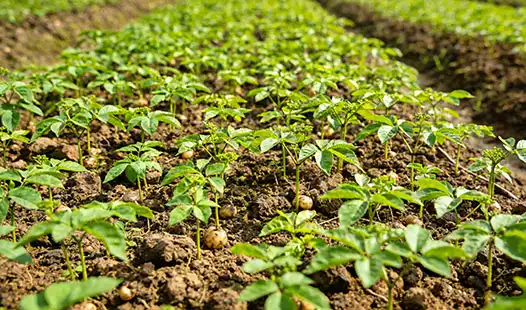
Switching to organic fertilizer is a big step forward for modern farms that want to feed their crops in a way that won't harm the environment. Chemical fertilizers can't compare to the natural substances, helpful bacteria, and slow-release nutrient ratios that make organic fertilizer better for plants. This change supports better soil health, more resilient crops, and long-term business viability, all while meeting rising customer demand for farming methods that are good for the environment. Natural fertilizer has many benefits, not just feeding plants right away. It also helps restore soil ecosystems and keep farms productive for a long time.
Understanding Organic Fertilizer: Definition and Types
Natural Composition and Nutrient Delivery
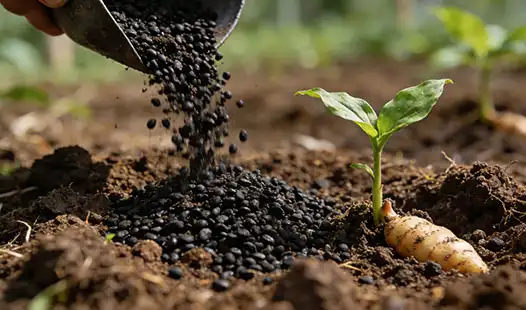
Organic fertilizers come from natural sources that are full of important plant nutrients, good microorganisms, and organic matter that work with biological processes to make the soil more fertile. These items have natural humic acid that dissolves in water and plant-based humic acid chemicals that make nutrients more available and improve the structure of the soil. The complicated nutrient matrix has many highly active trace minerals that help plants get all the nutrients they need, not just the basic ones like nitrogen, phosphorus, and potassium. The main difference between organic and manufactured fertilizers is how the nutrients are delivered. Natural fertilizers give plants the right amount of nutrients to grow because they release nutrients slowly, which matches how plants take them in. This controlled-release feature keeps nutrients from going to waste and has less of an effect on the environment while still giving plants the same nutrition throughout the growing season.
Primary Organic Fertilizer Categories
There are many types of organic fertilizer on the market, each made for a specific use in agriculture. Compost-based fertilizers use organic materials that have broken down to provide proper nutrition and improve the state of the soil. Products made from manure have a lot of nutrients and increase the amount of organic matter in the soil. Bone meal and blood meal formulas add nitrogen and phosphorus to crops in ways that meet their unique needs. Marine-based fertilizers and products from seaweed offer special vitamin ratios that are great for specialty crops and hydroponic uses. These special mixtures have natural growth boosters and minor elements that make plants stronger and more productive. By knowing about these types of products, buying teams can choose the right fertilizers for each crop's needs and the situations under which it grows.
Why Choose Organic Fertilizer Over Chemical Alternatives?
Environmental and Soil Health Advantages
Overusing chemical fertilizers in farming soils for decades has made it harder for plants to grow, but organic feeding makes the soil less compact and lessens the bad effects of this. Natural fertilizers help the soil build aggregates, which make it easier for water to soak in and for roots to grow. They also make runoff less likely. Adding organic matter to soil improves the conditions for microbes in the soil. This forms long-lasting soil communities that support long-term farming production. Researchers have found that organic seeding systems are much less likely to pollute groundwater than manufactured fertilizer programs. The slow-release nutrients keep nutrients from washing away when it rains a lot, which protects water supplies and keeps plant nutrition available. As regulations and sustainability approvals become common in the business, this concern for the environment has a bigger impact on buying choices.
Enhanced Plant Performance and Resilience
Organic fertilizer has many benefits, such as making plants better able to handle stress and fight off diseases. Organic matter helps the formation of soil particles, which hold more water and stop it from escaping during dry times. This makes the soil more drought-resistant. These changes to the dirt make it easier for plants to get to available water, which means they don't need to be watered as much, and the business can last longer. Soils become more resistant to cold when they keep their temperature and wetness levels fixed by having more organic matter in them. This effect keeps temperatures from rising too high or too low, which helps plants grow in cold weather and makes growing seasons longer in risky areas. The ability to fight and stop diseases grows as helpful microorganisms multiply and compete with harmful organisms, making plants' immune systems stronger.
Economic Returns and Long-Term Value
Documentation on yield growth shows that when organic fertilizer programs are used instead of manufactured ones, output gains are stable across a wide range of crop types. Over the course of several years, the yields of most crops go up by 10 to 15 percent, and the yields of specialty crops often go up even more. Instead of short-term nutrient addition, these performance gains come from better soil health, more available nutrients, and plants that are stronger and more resilient. Organic fertilizer is good for the economy because it lowers the cost of inputs over time. Lower treatment rates, fewer bug control needs, and better soil water-holding ability all lead to lower running costs. Long-term changes to soil health mean that soil amendments and mechanical work aren't needed as often. This leads to long-term increases in production that add up every year.
How to Incorporate Organic Fertilizer into Your Operations
Application Methods and Timing Strategies
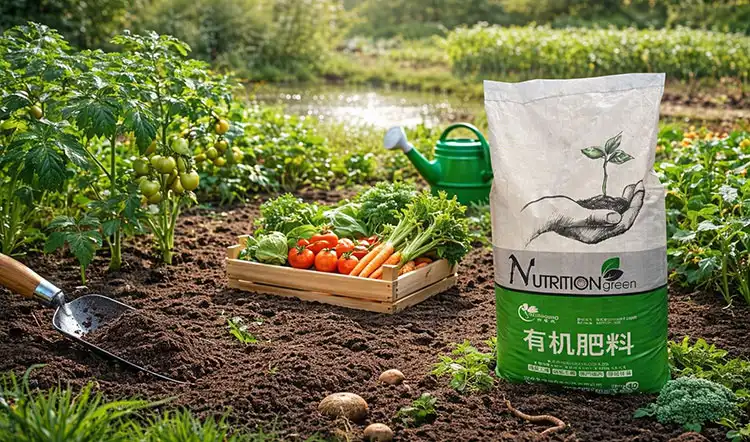
To successfully add organic fertilizer, you need to pay close attention to the best ways to apply it so that nutrients are available and soil health goals are met. When organic matter is directly mixed into the soil during spring preparation, it starts to break down before planting. This makes sure that nutrients are available during important growth stages. Broadcasting sprays followed by light farming spread nutrients out widely while causing as little damage to the soil as possible in production systems that are already in place. Different types of crops and growth systems need different kinds of treatment methods. By concentrating nutrients near the roots of row crops, banding treatments make uptake more efficient while lowering total fertilizer needs. Putting liquid organic fertilizers on plants' leaves adds extra nutrition during times of high nutrient demand or stress, and they work well with base fertilization plans that are applied to the soil.
System-Specific Implementation Approaches
Bulk uses of organic fertilizer are good for open-field farming methods because they increase the organic matter in the soil and provide fuel all season long. It is best to do these kinds of treatments in the fall or spring, when the soil is still loose enough to allow proper absorption. Applying during good weather conditions guarantees the best rates of breakdown and abundance of nutrients. For controlled environment farming to work, organic irrigation methods need to be changed so that they can work with growing plants in containers and recycling systems. Composted organic fertilizers provide slow-release nutrition that is good for growing plants in greenhouses, and liquid organic formulas can be used with current fertigation systems. For these uses, close supervision is needed to keep the right levels of nutrients without creating anaerobic conditions that could hurt plant health.
Leading Organic Fertilizer Brands and Market Solutions
Established Market Leaders and Product Differentiation
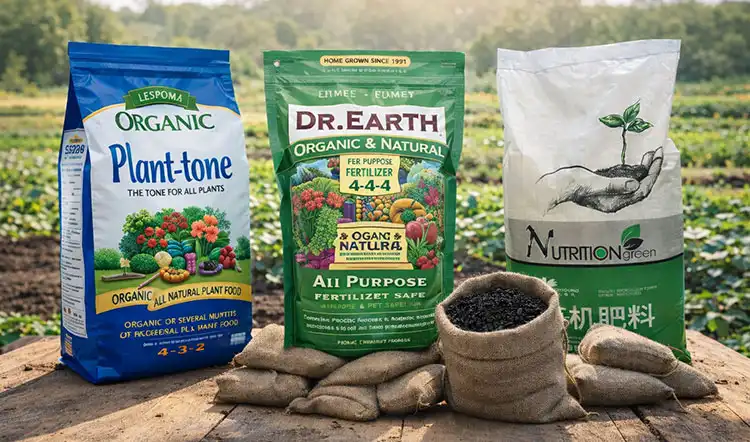
There are well-known brands in the organic fertilizer market that have made special mixes for a wide range of farming uses. Espoma has a wide range of products for both industrial and specialty crop markets. These products are made with formulas that are best for different types of soil and growing environments. Their slow-release powdered goods provide steady feed and improve the structure of the earth by adding organic matter. Dr. Earth is known for making high-quality organic fertilizers with special mineral mixes and bacteria that are good for plants. Their products work especially well with specialty crops where high market prices are paid for healthy soil and good crops. The company's focus on research has led to formulas that meet the unique nutrient needs of high-value foods.
Procurement Considerations and Supply Chain Management
To successfully buy organic fertilizer, you need to look at more than just the quality of the product when evaluating the supplier's skills. Certification makes sure that goods meet standards for organic production and can be tracked through supply lines. When uses are spread out over big production areas or various growth sites, it's important that the nutrients and physical properties stay the same. When you buy in bulk, the cost per unit changes a lot, and you need to make sure you have enough storage space and an inventory control system. When to buy organic fertilizers depends on when natural materials are available and when they can be processed. This means that seasonal trends affect when to buy them. When buying, teams understand these supply chain patterns, and they can find reliable sources while lowering costs by strategically timing when to buy.
Sciground's Advanced Organic Fertilizer Solutions
Research-Driven Innovation and Product Development
Through our work with agricultural research schools and field-testing programs, Sciground has a lot of knowledge about how to make fertilizer in a way that doesn't harm the environment. Our specialty organic fertilizers are the result of more than 20 years of work by Professor Liang Dejun and our team from the Northwest Academy of Agricultural Sciences. This scientific basis makes sure that our products meet the highest standards of performance and support farming methods that are good for the environment. Our factory, Hanzhong Shanrangde Agricultural Technology Co., Ltd., follows strict quality control rules that make sure all of our products work well and are safe. The 6,000-square-meter building uses cutting-edge processing technology to make nutrients more available while keeping healthy bacteria populations. When you combine science knowledge with excellent manufacturing skills, you get organic fertilizers that improve crop performance and soil health in a measured way.
Comprehensive Product Portfolio and Technical Support
Sciground's organic fertilizer recipes meet a wide range of farming needs with blends that are specially made for different crops and growing situations. Our goods work really well on specialty crops, like the ones we made just for Corydalis yanhusuo, Aconitum carmichaelii, and fruit tree output. Certain types of fertilizers contain specific amounts of nutrients and helpful bacteria that help plants grow better and keep the soil healthy. Our expert support services go beyond just selling products; they also include full-on farming advice during the whole production cycle. Our team offers ongoing advice that makes the most of the benefits of organic fertilization, from choosing the best location and preparing the soil to making sure the harvest goes as smoothly as possible. This all-around method supports long-term goals for farming sustainability and makes sure that organic fertilizer programs work.
Conclusion
The switch to organic fertilizer is a smart investment in long-term and healthy farming methods that pay off right away and in the long run. Natural fertilizer methods give plants better nutrition while also improving the health of the earth, having less of an effect on the environment, and helping the economy stay stable by increasing crops and lowering the cost of inputs. Organic fertilizers have many benefits that go beyond just feeding crops. They also help restore soil ecosystems and protect the environment, all of which are becoming more important in terms of market access and customer acceptance. For modern farms to be productive and sustainable, they need fertilizer methods that strike a balance between the two. These needs are met by organic fertilizers, which have benefits that have been shown by science to help plants grow better and improve the health of the land over time.
FAQ
How often should organic fertilizers be applied to different crop types?
Application frequency varies based on crop nutritional requirements and soil conditions. Most annual crops benefit from base applications before planting, with supplemental applications during peak growth periods. Perennial crops typically require spring applications with optional fall supplementation in northern climates.
Can organic fertilizers be used effectively in hydroponic systems?
Liquid organic fertilizers work well in hydroponic applications when properly processed to prevent system clogging. These formulations provide natural nutrition while maintaining the precision control advantages of soilless growing systems.
What are the fundamental differences between organic and chemical fertilizers?
Organic fertilizers provide slow-release nutrition through biological decomposition processes, while chemical fertilizers deliver immediately available nutrients through synthetic compounds. Natural fertilizers improve soil health over time, whereas synthetic alternatives may degrade soil biological activity with continuous use.
Partner with Sciground for Premium Organic Fertilizer Solutions
Sciground stands ready to support your transition to sustainable agriculture through our comprehensive organic fertilizer product line and technical expertise. Our specialized formulations deliver proven results across diverse crop types while supporting long-term soil health improvement and operational sustainability. As a leading organic fertilizer manufacturer, we provide reliable supply chain solutions backed by rigorous quality control and ongoing technical support. Contact our team at [email protected] to discuss your specific requirements and explore how our organic fertilizer solutions can optimize your agricultural operations. We offer flexible bulk purchasing options and customized formulations designed to meet your unique production requirements while supporting your sustainability objectives.
References
1. Smith, J.A. et al. "Comparative Analysis of Organic and Synthetic Fertilizer Performance in Commercial Agriculture." Journal of Sustainable Agriculture, 2023.
2. Brown, M.K. "Soil Health Improvement Through Organic Matter Management." Agricultural Science Review, 2022.
3. Wilson, R.T. "Economic Benefits of Organic Fertilization in Large-Scale Crop Production." Farm Management Quarterly, 2023.
4. Davis, L.P. "Microbial Diversity Enhancement in Organically Fertilized Soils." Soil Biology Research, 2022.
5. Thompson, C.J. "Water Retention and Drought Resistance in Organic Production Systems." Environmental Agriculture, 2023.
6. Martinez, A.R. "Long-term Yield Trends in Organic vs. Conventional Fertilization Programs." Crop Science International, 2022.

Sciground
Shanrangde, in collaboration with a team of experts from the former Academy of Agricultural Sciences, focuses on developing patented organic fertilizers, including those specifically formulated for Corydalis rhizome. Chief expert Professor Liang Dejun, with over 20 years of industry experience, provides one-stop technical guidance from site selection to field management, helping farmers increase production and income.
Formulated by the original expert team from the Academy of Agricultural Sciences · Focused on organic nutrients specifically for crops
Contact us now to customize a green nutrition solution for your farmland.
Recommended Blog
How Do Organic Fertilizers Benefit Soil Health and Plant Growth?
How Does Balanced Liquid Fertilizer Help Plants Resist Disease?
Why Should You Use Balanced Liquid Fertilizer for Your Plants?