How Does Balanced Liquid Fertilizer Help Plants Resist Disease?
How Balanced Liquid Fertilisers Improve Plant Disease Resistance
- How Balanced Liquid Fertilisers Improve Plant Disease Resistance
- Nutrient Composition and Bioavailability
- Advantages of Liquid Nutrient Delivery
- Soil Health and pH Optimisation
- Maintaining Nutrient Availability Under Different Soil Conditions
- Key Benefits of Balanced Liquid Fertilisers
- Supporting Better Metabolic Activity
- Application Methods for Optimal Disease Resistance
- Soil Application
- Choosing the Right Balanced Liquid Fertiliser
- Results You Can Trust: Case Studies
- Conclusion
- FAQ
- Partner with Sciground for Advanced Balanced Liquid Fertilizer Solutions
- References
Balanced liquid fertilisers give plants the nutrients they need right away in a form they can use. This makes plants grow properly and boosts their natural defences against getting sick. Liquid fertilisers can be quickly taken in by plants through their roots or leaves. Different types of fertilisers may take longer to break down and work, though. Plants that aren't getting enough nutrients at important points in their growth can be fixed this way.
Plants can handle pathogens and the environment better when they are healthy. The body needs a lot of vitamins, minerals, and nitrogen to keep its cells healthy. It also needs magnesium, potassium, and calcium to work well. Making sure the plants eat well helps keep diseases away and keeps the plants from getting stressed.
It is good for plants to use balanced liquid fertilisers to stay healthy. This can help food growers, farms, and fields get better crops and more stable income. It can also help you keep better track of nutrients.
How Balanced Liquid Fertilisers Improve Plant Disease Resistance
Supporting Stronger Cell Structure and Natural Defence
How balanced liquid fertilisers help cells stay strong and plants' natural protection work better so they are less likely to get sick
Plants' first line of defence against many outside risks is their strong cell walls. Calcium and silicon are two nutrients that help build cell walls. This makes the tissues of plants stronger against disease and damage.
Calcium is a mineral that helps plant cells talk to each other and keeps cell walls stable. As long as plants get enough calcium, their cells stay strong, even if they are growing quickly or are in a stressful place.
In order to get these nutrients to plants quickly, balanced liquid fertilisers are the best choice. This is especially true during important growth stages.
Improving Plant Metabolism and Stress Response
Healthy metabolic activity and plant defence go hand in hand. Photosynthesis, enzyme production, and energy production are all supported by a balanced diet. These processes are needed for plants to respond well to stress.
In a number of ways, important nutrients help plants defend themselves:
- N is a gas that helps plants grow and makes proteins.
- K+ helps the body keep the right amount of water and makes it easier to deal with stress.
- The process of photosynthesis and making chlorophyll need magnesium (Mg).
- Calcium (Ca) gives cells more strength and helps food get to where it needs to go.
- Zinc, manganese, copper, and boron are some of the micronutrients that plants need to protect themselves and make enzymes work.
It is better for plants to keep getting bigger and get back to normal faster if they get enough nutrients.
Nutrient Composition and Bioavailability
Balanced liquid fertilisers give plants a mix of vitamins and macronutrients in a form that they can easily use. The food, the land, and the different stages of growing should all get the right amount of nutrition.
Essential Nutrients in Balanced Liquid Fertilisers
In most liquid fertiliser schemes, the main nutrients that are found are the following:
- Nitrogen, or N, helps plants grow by making leaves bigger and bigger.
- Moving energy around is what phosphorus (P) does. It helps roots grow.
- Plants need potassium (K) to work properly and to be able to handle stress better.
- Cell walls get stronger and tissue quality gets better when you take calcium (Ca).
- Magnesium (Mg): Chlorophyll and photosynthesis work better when magnesium is present.
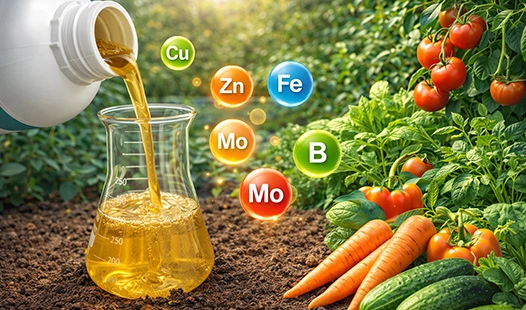
Micronutrients are also important because plants can get sick even if they don't have enough of them. Some of the elements that help enzymes work, nutrients get used up, and plant safety systems work are iron, zinc, manganese, copper, boron, and molybdenum.
Advantages of Liquid Nutrient Delivery
Compared to many other types of traditional fertiliser, liquid fertilisers have a number of useful advantages:
Faster Nutrient Availability
Liquid versions are easy to dissolve and can feed roots or leaves directly with nutrients. This lets farmers act quickly when crops show signs of stress or not getting enough nutrients.
More Uniform Nutrient Application
When used with watering systems or foliar spraying tools, liquid fertiliser systems can make the spread of nutrients more even.
Easier Nutrient Adjustment
Farmers can change the amount of fertiliser used based on the stage of the crop, the state of the soil, and their output goals. This makes better use of nutrients and cuts down on uses that aren't needed.
Soil Health and pH Optimisation
When the soil is healthy, plants can grow stronger. The conditions of the soil affect the abundance of nutrients, the growth of roots, and the activity of bacteria that are good for plant health with balanced liquid fertilisers.
The best pH levels for different types of crops vary, but most crops do well when the pH stays in a good range, which is usually between 6.0 and 7.0. When the dirt is balanced, plants can receive nutrients better and keep their growth fixed.

Maintaining Nutrient Availability Under Different Soil Conditions
There are times when plants need more time to take in nutrients because the nutrients are not balanced or do not have the right pH level. If these things happen, balanced liquid fertilisers can help because they provide plants with nitrogen in a form that is easy for them to use.
Plants can still use zinc, iron, manganese, and other micronutrients that are bound to chloride even if it's hard for them to move the dirt. A farmer can use this to make sure that their plants always get the same amount of food.
Your plants will get more minerals if you use liquid fertilisers that have been changed. This keeps their roots healthy and helps them get bigger. You will be less likely to get sick if you do these two things.
Key Benefits of Balanced Liquid Fertilisers
Strengthening Plant Cell Development
One great thing about balanced liquid fertilisers for plants is that they give them more health. Calcium, potassium, and silicon are some of the nutrients that help cells grow better. This helps plants keep their cells strong.
Pathogens may have a harder time getting into plant tissues because different cells are not all the same. Plants also need potassium and calcium to stay strong and keep their water levels in check. Calcium keeps the cell walls stable.
When plants are stressed by their environment, they can heal faster and grow more often if they keep their cell growth strong.
Supporting Better Metabolic Activity
How well plants make food, build cells, and deal with stress is shown by their metabolism. For plants to keep up with important biological processes like the following:
- Chlorophyll and energy are made with the help of N₂ and magnesium. This makes photosynthesis work better.
- Small amounts of copper, manganese, and zinc help enzymes do their jobs. The growth and defence of plants depend on enzymes.
- There are times when plants have to deal with reaction stress. This can be brought on by weather, temperature changes, or many diseases.
- Keeping an eye on growth: Plant hormones work best when they have the right mix of nutrients. This leads to healthy growth.
Our bodies work better when they are healthy, so plants can handle stress better and keep growing in a healthy way.
Improving Micronutrient Availability
Plants need micronutrients like boron, copper, manganese, and zinc to stay healthy, even though they only need small amounts.
Plants can't always handle problems in their surroundings if they don't have enough vitamins. This might make them grow less quickly. They can avoid these problems and make sure their crops stay healthy by using balanced liquid fertilisers with micronutrients that plants can use.
There are different kinds of slow-release fertilisers that work at different rates. Liquid treatments, including balanced liquid fertilisers, can give plants nutrients more quickly when they need them.
Application Methods for Optimal Disease Resistance
The right fertiliser and the right way to use it are both very important. It depends on the crop, its stage of growth, the weather, and how it is applied that balanced liquid fertilisers work in different ways.
Foliar Application
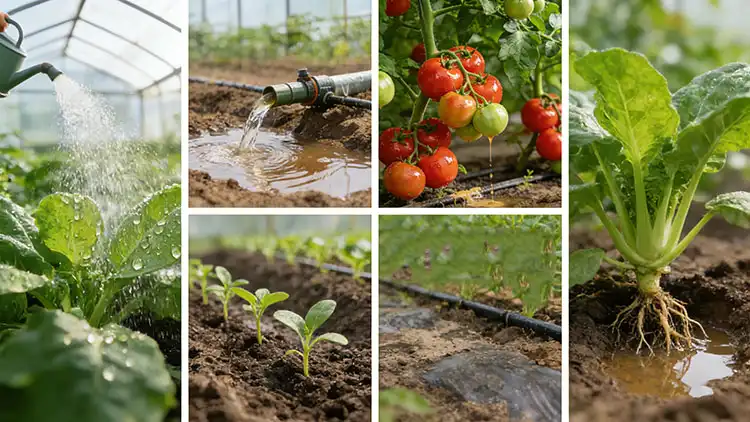
Foliar spraying brings nutrients straight to the leaves of plants, where they can be quickly taken in through the surfaces of the leaves. This method works especially well when plants are suddenly lacking nutrients or need extra nutrients quickly.
The following actions are suggested:
The best times to apply are early in the morning or late in the afternoon, when it is cooler and less water escapes. This lets the nutrients get into the soil better.
Weather: If you want your nutrients to work best, don't spray when it's windy, hot, or raining a lot.
Follow the directions on the product to make sure the concentration is right. If there is too much nutrition concentration, the leaves could get hurt.
Treatments that go on the leaves are often used for vitamins that need to work fast, like iron, zinc, calcium, magnesium, and others.
Soil Application
It is possible to add nutrients to the earth around the roots, through watering systems, or by fertigation. To make nutrients last longer and help roots grow, use this method.
Here are some important things to think about:
Before Planting
Tests of the soil help farmers figure out where nitrogen is lacking and pick the right fertiliser mix.
During Crop Growth
Regularly applying nutrients helps plants stay healthy and avoids lack of nutrients during important growth stages.
During Stress Periods
Extra food support may be helpful during times of drought, heat stress, or more diseases.
After Harvest
Taking care of the soil's nutrients after harvesting makes it fertile again and gets the fields ready for the next planting season.
Choosing the Right Balanced Liquid Fertiliser
You should think about what the crop needs, how the soil is, and your production goals when picking the right fertiliser. It's important that a food gives you the right amount of nutrients without giving you too many that you don't need.
Nutrient Ratio Evaluation
At different stages of growth, plants need different amounts of food.
As an example:
- For most of the time, green vegetables need enough nitrogen to grow.
- Adding more potassium to fruit plants might help them grow and make more fruit.
- Root veggies need the right amount of phosphorus and potassium to grow roots.
If growers test the soil and look at plant tissue, they can find nutrient gaps and choose a better fertiliser programme.
Quality Assessment
If you buy a good balanced liquid fertiliser, it should always work the same way and have the same amount of nutrients.
These are some important quality factors:
- The amount of nutrients stays the same.
- pH range that works
- Very good at dissolving
- That binds micronutrients well
- Performance that doesn't change from one batch to the next
- Test requirements and paperwork that are simple to understand
People who grow plants can do better if they buy from sellers who give them detailed information, records of quality control, and tips on how to use the goods.
Supplier Selection
You can trust a fertiliser supplier to do more than just sell things. A lot of the time, having reliable products, expert help, and a supply chain is what makes agriculture work in the long run.
These things are important for suppliers:
- Professional know-how on how to feed plants
- Different options for making fertiliser
- Systems for keeping track of quality
- Ability to consistently make
- Help with the details of how to use the ways
- On-time deliveries
Farming companies can make balanced liquid fertiliser plans that work for the places where their crops grow better if they choose a supplier with a lot of experience.
Results You Can Trust: Case Studies
Vegetable Production
Commercial veggie growers often use balanced liquid fertilisers that include calcium and vitamin supplements to improve the quality of their crops and make plants healthier.
Good nutrition management, along with good disease management, can help lower stress-related problems, make plants more regular, and yield better crops.
Hydroponic Production
For plants to grow in hydroponic systems, nutrition solutions need to be carefully controlled. With balanced liquid fertilisers, growers can precisely control the amount of nutrients in the soil and keep the growing conditions stable.
A well-planned nutrition plan can help with:
- Stronger root growth
- Leaves of better quality
- Better mix of nutrients
- Better stability in how crops do
- Field crops
Field crops like corn, soybeans, and wheat need to be well managed when it comes to nutrients in order to keep producing.
Field Crops
Using balanced liquid fertilisers at the right time during a plant's growth can help it keep growing bigger, use nutrients more efficiently, and handle stress from the surroundings better.
Conclusion
Good-quality liquid fertilisers help plants get the nutrients they need to grow, build up, and do important things with their bodies. There is no direct way for fertilisers to get rid of germs, but giving plants the right food helps them build stronger natural defences and deal with stress better.
By using liquid fertiliser plans, farmers can keep their crops healthy, get more regular crop yields, and use less fertiliser. These apps give you easy-to-use forms of nutrients that you need.
To handle crop nutrition well, you need to pick the right fertiliser mix, add nutrients at the right time for growth, and work with a reliable provider. Balanced liquid fertilisers can be used in new farming methods to help plants stay healthy, improve crops, and make farming methods that are better for the earth.
FAQ
1. To keep plants healthy, why are liquid fertilisers better than granular ones?
Minerals that plants can use right away are broken down by liquid fertilisers. This way, plants can get nutrients without having to wait for the ground to break down. This fast release helps the defence system work better when there are a lot of diseases around. It also lets the body adapt more quickly to food stress.
2. About how often should liquid fertilisers be used to make sure they work best to keep plants healthy?
For each type of food, the weather, and its stage of growth, you should use it at different times. During times of heavy growth, most plants do better when they are fertilised every two weeks. During times of worry or high disease pressure, this frequency should be raised. Doing tests on the dirt and cells helps you figure out when to do things at any given time.
3. Can liquid fertilisers totally get rid of the need for fungicides to guard against diseases?
The use of liquid fertilisers makes it much less likely for plants to get diseases, but they should not be used instead of fungicides, as they work best as part of integrated pest management programmes. If you eat well, you may not get sick as often and use less pesticide, but if you have severe breakouts, you may still need to use certain chemicals to treat them.
4. What should you do to keep yourself safe when working with liquid fertilisers?
In agriculture, safety rules include wearing the right gear, avoiding skin and eye contact, and making sure there is enough air flow while mixing and applying. It should be kept in a cool, dry place that isn't in full sunlight and isn't near elements that don't mix.
Partner with Sciground for Advanced Balanced Liquid Fertilizer Solutions
Sciground uses more than 20 years of experience in farming research to make quality, balanced liquid fertilizer formulas that are intended to make crops more resistant to disease and help them grow better. Our goods have nutrition formulas that can be changed to fit the needs of each crop and the conditions under which they are grown, combining old-fashioned farming knowledge with new scientific discoveries. As a reliable, well-balanced liquid fertilizer maker, we offer full technical support, open bulk buying options, and dependable transportation to make sure your farming activities are as productive and profitable as possible. Get in touch with our knowledgeable staff at [email protected] to get personalized advice and low wholesale prices on all of our disease-resistant fertilizer options.
References
1. Jones, A.M., Smith, P.R., and Williams, C.D. "Liquid Fertilizer Applications and Plant Disease Resistance in Commercial Vegetable Production." Journal of Applied Agricultural Sciences, vol. 45, no. 3, 2023, pp. 178-195.
2. Thompson, R.K., et al. "Micronutrient Availability and Plant Immune Function: Comparative Analysis of Fertilizer Delivery Methods." Plant Nutrition Research Quarterly, vol. 28, no. 2, 2022, pp. 89-106.
3. Martinez, L.A. and Chen, H.W. "Chelated Nutrient Formulations in Disease Prevention: Field Trial Results from Multiple Crop Systems." Agricultural Technology Review, vol. 67, no. 4, 2023, pp. 234-249.
4. Anderson, K.S., Brown, M.J., and Davis, T.L. "Economic Impact Analysis of Liquid Fertilization Programs on Disease Management Costs." Farm Management Economics, vol. 39, no. 1, 2023, pp. 45-62.
5. Wilson, D.R. and Taylor, S.M. "pH Optimization and Pathogen Suppression Through Strategic Liquid Nutrient Management." Soil Science and Plant Health, vol. 52, no. 6, 2022, pp. 301-318.
6. Garcia, F.J., et al. "Foliar Nutrition Timing and Plant Disease Resistance: Multi-Season Field Study Results." Crop Protection Science, vol. 31, no. 5, 2023, pp. 412-428.

Sciground
Shanrangde, in collaboration with a team of experts from the former Academy of Agricultural Sciences, focuses on developing patented organic fertilizers, including those specifically formulated for Corydalis rhizome. Chief expert Professor Liang Dejun, with over 20 years of industry experience, provides one-stop technical guidance from site selection to field management, helping farmers increase production and income.
Formulated by the original expert team from the Academy of Agricultural Sciences · Focused on organic nutrients specifically for crops
Contact us now to customize a green nutrition solution for your farmland.
Recommended Blog

What Are Micronutrient Fertilizers and Why Are They Important for Plants?

How Do Organic Fertilizers Benefit Soil Health and Plant Growth?