Which Eco-Friendly Fertilizer Is Best for Your Crops?
Understanding Eco-Friendly Fertilizers: Definition and Benefits
- Understanding Eco-Friendly Fertilizers: Definition and Benefits
- Classification and Types of Eco-Friendly Fertilizers for Different Crop Needs
- How to Choose the Best Eco-Friendly Fertilizer for Your Crops
- Procurement and Supply Chain Insights for Eco-Friendly Fertilizers
- Environmental and Agricultural Impact of Using Eco-Friendly Fertilizers
- Conclusion
- FAQ
- Transform Your Crop Production with Premium Eco-Friendly Fertilizer Solutions
- References
The best eco-friendly fertilizer for your farm is always made with natural ingredients and beneficial microorganisms added. Not only do these long-lasting soil amendments give plants the nutrients they need, but they also improve the soil, keep more water in it, and protect plants from bad weather. The best choice for you will depend on what your crops need, how the soil is, and your long-term farming goals.
Understanding Eco-Friendly Fertilizers: Definition and Benefits
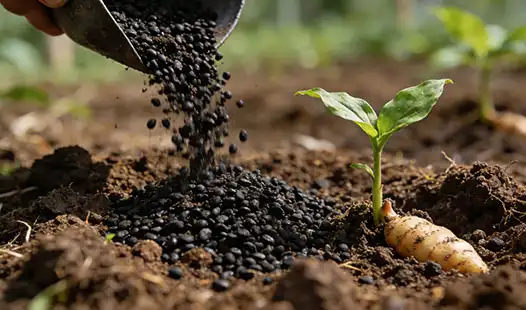
New eco-friendly fertilizer feeds plants in a way that is better for the environment and helps plants grow. Synthetic fertilizers are usually made of chemical salts, but these eco-friendly options come from biosolids, composted organic matter, and carefully processed plant waste. What makes them different is how they do what they do. Fertilizers that are good for the environment feed the ecosystem of the soil itself as well as the plants they are used on. Microorganisms in the soil and plants get along well when you use this method. This makes it easier for plants to get food and stay healthy.
Enhanced Soil Health and Structure
The issue of soil compaction, which plagues many agricultural operations, can be easily solved by modern, eco-friendly fertilizers. Formulations that are of high quality usually have more than 45% organic matter. This makes the soil better on its own. There are stable groups of soil particles that are held together by this organic matter. This opens up the soil more, which makes it easier for roots to grow through. It has been found that soils that are regularly treated with organic fertilizers hold water 20–30% better than soils that have been treated with chemicals. It's very helpful for plants to be able to hold on to more water during droughts, which can mean the difference between survival and failure.
Nutrient Cycling Optimization
High-quality, eco-friendly fertilizers change the nutrients that are available on farmland because of their biological activity. Microorganisms that are good for plants, like Bacillus subtilis and Trichoderma species, break down organic compounds all the time. This helps plants get the right amount of food at the right time. If you compare this synchronized release mechanism to synthetic alternatives, you can save up to 40% of the nutrients that are lost. This is a better way to use fertilizer and keep farm runoff out of the environment.
Classification and Types of Eco-Friendly Fertilizers for Different Crop Needs
A farmer can pick from a number of different types of long-lasting fertilizers. Each is made for a different type of plant and the way it grows. If you know these differences, you can better match products to your farming goals.
Organic-Based Formulations
To keep farming going, you need to use organic fertilizers that have been mixed. Pathogens are killed by some types of controlled decomposition, but healthy microbial populations stay alive. The best amount of nitrogen to carbon is between 15:1 and 20:1. This makes sure the nitrogen doesn't get stuck, and the nutrients get released on time. Professional-grade organic fertilizers have between 15% and 25% naturally soluble humic acid. Compounds that bind to micronutrients make it easier for eco-friendly fertilizer plant roots to use them. Because of them, soils can also exchange cations better.
Slow-Release Microbial Fertilizers
Some kinds of bacteria and fungi are mixed with organic matter to make advanced microbial formulations. Sometimes chemicals or environmental stress can make it hard for plants to grow. These products work especially well in those places. Pathogens are stopped by the microbes before they can spread, which helps the roots grow well. Studies have shown that crops that are fed only synthetic nutrients are 25–35% less likely to get diseases than crops that are fed fertilizers with microbes added to them.
Specialized Liquid Concentrates
The benefits of precision farming from liquid, eco-friendly fertilizer products are exceptional. Proteins from plants or animals that have been broken down by enzymes are sometimes used to make these mixes. These things keep the soil healthy over time and let nutrients get to the soil right away. Grow lights and hydroponic systems that use concentrates that dissolve in water make it easy to keep the right amount of nutrients. A few types of amino acids found in these foods help plants handle stress better and improve the quality of fruit.
Case Study: Tomato Production in Acidic Soils
Over the course of several growing seasons, researchers tested how much tomato plants grew in acidic soils that had different amounts of fertilizer added to them. Plots that received organic, eco-friendly fertilizer produced yields that were 18% higher than those that received synthetic fertilizer. The fruit was also firmer and kept better for longer after it was picked. For another thing, the organic treatments kept the plants safer from temperature stress better. It didn't matter how long the plants were above or below their ideal ranges; they could still make food.
How to Choose the Best Eco-Friendly Fertilizer for Your Crops
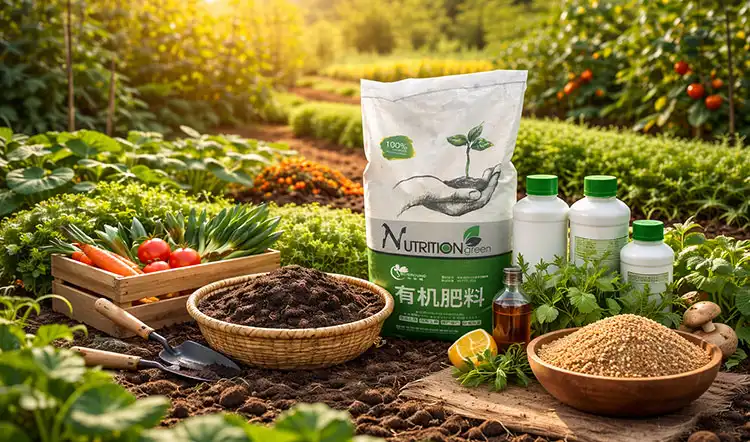
When choosing the right sustainable fertilizers, there are many things to keep in mind that will impact both the short- and long-term health of the plants and the soil. You should think about how well the goods work for farming, how good they are for the environment, and how much they will cost when you buy them.
Critical Evaluation Metrics
When doing your job, the way nutrients are released is the most important thing to look at. Nutrient availability curves that match crop uptake patterns throughout the growing season are provided by high-quality, eco-friendly fertilizer. It keeps plants from going to waste and makes sure they get enough food at important times in their growth. To find cost-efficiency, you need to look at both the short-term costs of inputs and the long-term gains from growth. Even though they cost more at first, sustainable fertilizers often need fewer inputs in the long run. They also make the land more productive because they build up the soil.
Certification Standards and Quality Assurance
Professional farmers need to use very good fertilizers for their crops to grow well. The USDA Organic seal makes sure that farmers follow the rules for organic farming. Extra tests for heavy metals protect the crops and keep the soil healthy. Part of quality control is making sure that there is enough organic matter, that microbes are active, and that there are no pathogens. If you buy from a reputable company, each batch will come with an analysis certificate that lists the ingredients and safety, eco-friendly fertilizer requirements of the product.
Performance Comparisons: Synthetic vs. Eco-Friendly Options
Conventional and sustainable fertilizer systems are not at all the same when you look at how they work. To begin, man-made fertilizers tend to work quickly. But after a while, they might hurt the plants and animals that live in the soil. Most eco-friendly choices need at least one growing season to fully work. This is because the soil's microbes need time to settle in, and the organic matter level needs to rise. But systems that have been around for a long time and are sustainable often do a better job than man-made ones of making crops strong, keeping water in the soil, and using nutrients in the best way possible. There are trade-offs between performance right away and performance over time that change depending on the farming situation and the best way to choose. If you are renting for a short time, getting things done quickly might be more important than building soil. But if you own the land for a long time, it is better to build soil.
Procurement and Supply Chain Insights for Eco-Friendly Fertilizers
We need to talk about global supply chains, how to check the quality of goods, and the special ways that organic goods need to be moved if we want to get sustainable fertilizers quickly. Picks about strategic sourcing can change both the price of the product and the cost of running the business.
Global Sourcing Strategies
These are the largest fertilizer companies in the world. Their factories are very high-tech, so they can always get what they need and make sure the quality of their goods stays the same. It's usually fresher and cheaper to ship goods that are close to where the raw materials come from. Having a strong supply chain is very important for organic goods that might go bad faster than lab-made ones. When you have good relationships with several suppliers, problems with supplies are less likely to happen, and quality standards stay high.
Bulk Purchasing and Logistics
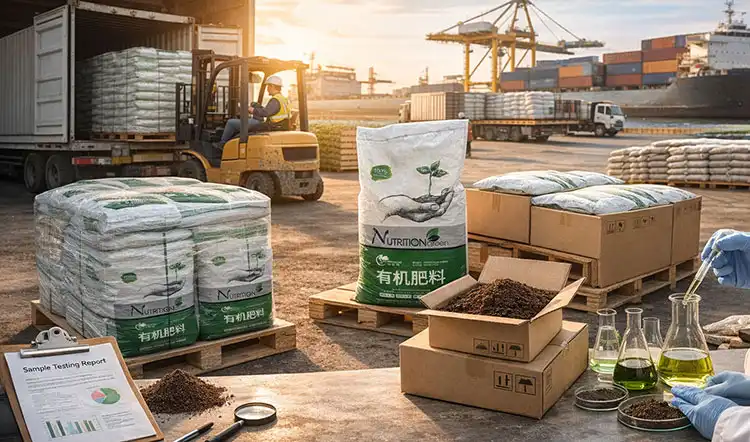
When big farms buy in bulk, the cost per unit goes down, and they make sure they have enough stock for when they need it. To protect the quality of the product, it's important to keep an eye on the temperature and humidity in the storage area. Getting delivery and logistics to work together is very important when a lot of people want to use the service at the same time. When delivery times are flexible and plans are made ahead of time, products can be sent to the field when they are needed the most.
Quality Verification and Testing
When products come in, they are checked against protocols that look at things like the amount of organic matter, the level of microbial activity, and the nutrients that are present. A third-party lab test it will show you that what the supplier says is true and that they are following the rules. Thanks to records of batch testing, it is possible to follow goods all the way through the supply chain. Along with the quality control paperwork that organic businesses need to get certified, these records also help with that. Regular checks are done on suppliers to see how their quality management systems and ways of making goods affect how consistent the goods they offer are.
Environmental and Agricultural Impact of Using Eco-Friendly Fertilizers
Farmers can reach their long-term crop yield goals when they use fertilizer in a way that doesn't harm the environment. Because you know about these effects, you can choose better investments that are better for the environment.
Soil Health Transformation
The physical, chemical, and biological properties of soil are greatly enhanced by long-term use of eco-friendly fertilizer products. There are big chunks of soil that stay in place when you add more organic matter to it. This lets more water in and keeps the soil from washing away. That is where a lot more types of microbes live when organic matter is put there regularly. Soils are strong enough to support crop production even when the environment is under a lot of stress because they are home to many types of living things. When soils are managed organically, it takes three growing seasons for the cation exchange capacity to rise by 15 to 25 percent. Plants will be able to hold on to nutrients better after this change, and over time, they will need less fertilizer.
Environmental Footprint Reduction
When you compare life-cycle assessments, you can see that eco-friendly fertilizer systems that use organic fertilizer are much better for the environment. You can cut your carbon footprint by 35 to 50 percent if you use less energy for production and release less nitrous oxide into the air when you use soil applications. It is good to protect groundwater because it keeps nutrients in the soil longer, and less of them leach out. Researchers have found that nitrate contamination is 60–70% less likely when natural systems are used instead of man-made ones. It's not enough to just protect plants and animals that live on the ground when you talk about biodiversity. Birds, bugs, and other animals that do well in farmland areas with fewer chemicals are also in this group. The environment has changed in a way that makes integrated pest management strategies work better and need less help from outside sources.
Future Innovation Trends
Biotechnology is being used in fresh ways that make it look like the next generation of long-lasting fertilizers will work better. Making microbial mixtures that are made to work with certain types of crops and soil could improve nutrient cycling and be better for the environment. Through certification requirements and incentive programs, the rules are moving toward farming methods that are better for the environment. It is easier for farms to follow the rules and get into new markets if they start using eco-friendly systems early on.
Conclusion
It's important to strike a balance between the crops' short-term nutritional needs and long-term goals for soil health and environmental responsibility when choosing the best eco-friendly fertilizer. Natural humic acids and helpful microorganisms always work better in a wide range of farming situations when they are mixed with organic matter. These options are better for the earth and help crops grow better and more of them. Plus, they make the soil stronger, better at keeping water, and less likely to get sick. Investing in eco-friendly fertilizer technology has many benefits, such as lower long-term input costs, stronger crops, and better environmental management that supports farming methods that will last for generations.
FAQ
1. What makes eco-friendly fertilizers more effective than synthetic alternatives?
Eco-friendly fertilizers feed more than just plants. They also feed the microorganisms in the soil. This method makes nutrient cycling systems that last a long time and make fertilizer work 25 to 40 percent better. It also improves the structure of the soil and its ability to hold water. The beneficial microorganisms in good organic fertilizers also suppress soil-borne diseases and enhance crop resilience against environmental stresses.
2. How long does it take to see results from eco-friendly fertilizer applications?
Usually, the first crop doesn't grow for two to three weeks. Over the course of one to two growing seasons, the whole soil ecosystem grows. While synthetic fertilizers may help plants grow faster at first, eco-friendly alternatives work better over time as more living things grow in the soil and more organic matter builds up.
3. Are eco-friendly fertilizers suitable for all crop types?
For almost any type of crop, from field crops to specialty vegetables and tree fruits, quality, eco-friendly fertilizers can be developed. It is important to pick products that have the right amounts of nutrients and how they release those nutrients for each crop. Companies that sell farming supplies have recipes that work best with different kinds of plants and the conditions they grow in.
4. What certifications should I look for when purchasing eco-friendly fertilizers?
Make sure the item meets local organic standards, is USDA Organic, and is on the OMRI list. People who make good products also give out certificates that have a lot of information on them. It shows how much organic matter there is, how active the microbes are, how much heavy metal is present, and how many pathogens were killed. These make sure that organic businesses follow the rules and make sure their goods are safe.
5. How do storage and handling requirements differ for eco-friendly fertilizers?
It is important to keep organic fertilizers away from water and temperatures that are too high or too low so that the microbes can keep working. Things work better and last longer if they are stored correctly, in dry places with good air flow. To store organic goods, you shouldn't use synthetic fertilizers or chemicals that could hurt microorganisms that are good for the food.
Transform Your Crop Production with Premium Eco-Friendly Fertilizer Solutions
A big part of what Sciground does is make high-tech organic fertilizer mixes that make plants grow better and, over time, make the soil healthier. By fusing cutting-edge agricultural science with tried-and-true organic technologies, we, as a leading producer of eco-friendly fertilizer, produce products that are ideal for commercial farming. Our unique organic fertilizers have a lot of soluble humic acids, good microorganisms, and nutrients that are just right. These make the soil stronger and better able to hold water. They also help plants grow better.
Professor Liang Dejun and our team from the Northwest Academy of Agricultural Sciences have been doing research for more than 20 years. They can help you with anything, from looking at the soil to growing the best crops. Patents keep our formulas safe. They are made to meet the needs of certain crops and help farmers use methods that are better for the environment, and make more money in the long run.
You can email our farming experts at [email protected] to talk about how to make fertilizer solutions that are best for your plants and the way they grow. We'll be there for you with technical help and ongoing support to make sure that your investment in sustainable farming pays off. You can buy in bulk from us.
References
1. Smith, J.A., et al. "Comparative Analysis of Organic vs. Synthetic Fertilizer Systems on Soil Health Indicators." Journal of Sustainable Agriculture, Vol. 45, No. 3, 2023.
2. Thompson, R.K. "Microbial Diversity and Nutrient Cycling in Organically Managed Agricultural Soils." Soil Biology and Biochemistry Research, 2024.
3. Martinez, L.P., Chen, W. "Economic and Environmental Life Cycle Assessment of Eco-Friendly Fertilizer Systems." Agricultural Economics and Policy Review, Vol. 38, No. 2, 2023.
4. Johnson, M.D., et al. "Long-term Soil Structure Improvements from Organic Matter Applications in Commercial Agriculture." Agronomy and Soil Science Journal, 2024.
5. Anderson, K.L. "Regulatory Trends and Market Dynamics in Sustainable Fertilizer Adoption." Agricultural Business Quarterly, Vol. 29, No. 4, 2023.
6. Williams, S.R., Brown, T.J. "Nutrient Use Efficiency and Environmental Impact Reduction through Organic-Based Fertilizer Systems." Environmental Agriculture Research, 2024.

Sciground
Shanrangde, in collaboration with a team of experts from the former Academy of Agricultural Sciences, focuses on developing patented organic fertilizers, including those specifically formulated for Corydalis rhizome. Chief expert Professor Liang Dejun, with over 20 years of industry experience, provides one-stop technical guidance from site selection to field management, helping farmers increase production and income.
Formulated by the original expert team from the Academy of Agricultural Sciences · Focused on organic nutrients specifically for crops
Contact us now to customize a green nutrition solution for your farmland.
Recommended Blog
How Do Organic Fertilizers Benefit Soil Health and Plant Growth?
How Does Balanced Liquid Fertilizer Help Plants Resist Disease?
Why Should You Use Balanced Liquid Fertilizer for Your Plants?
How to Increase Gastrodia Root Quality with Specialized Fertilizer?
_1767870624598.webp)