How to Avoid Fertilizer Burn in Cordydalis Tubers?
Understanding Fertilizer Burn in Cordydalis Tubers
- Understanding Fertilizer Burn in Cordydalis Tubers
- Best Fertilization Practices to Avoid Fertilizer Burn
- Soil Management and Environmental Factors
- Case Studies and Industry Best Practices
- Troubleshooting and Recovery from Fertilizer Burn
- Conclusion
- FAQ
- Partner with Sciground for Premium Cordydalis Tuber Plant Fertilizer Solutions
- References
To keep Cordydalis roots from getting burnt by fertiliser, you need to carefully choose the right nutrient mixes and apply them at the right time. The key is to use balanced Cordydalis tuber plant fertilizer made just for tuberous medicinal plants, to add nutrients at the right time for the plant's growth, and to keep the soil in the best condition possible. Controlled-release organic formulas that are precisely designed stop salt from building up while providing important macronutrients and good bacteria that protect root systems. By checking the soil, giving the right amount of chemicals, and taking care of the environment, farmers can get the best tuber quality and alkaloid content without having to worry about chemical poisoning or root damage.
Understanding Fertilizer Burn in Cordydalis Tubers
What Causes Nutrient Toxicity in Medicinal Tubers?
Too many soluble salts build up around the roots of Cordydalis plants, causing osmotic stress that pulls water out of the plant's tissues. This is called fertiliser burn. This damage to the plant's cells shows up as scorched leaf edges, yellowing between the veins, and slow root growth. This disease is very different from nutrient shortage, which usually shows uniform chlorosis instead of burning patterns in certain areas. Overusing nitrogen-rich manufactured fertilisers and applying them at the wrong time during sensitive growth stages are the main causes. Cordydalis yanhusuo is especially vulnerable when it comes up in the early spring, when its roots are busy growing. When used during this time, high-concentration fertilisers can be too much for the plant to handle, leading to cell death and tissue necrosis.
Biochemical Mechanisms Behind Root Damage
When the amount of salt in the soil solution is higher than what plants can handle, osmotic pressure causes water to move backwards from the roots to the surrounding medium. Root hairs and cortical cells lose water during this process, which makes them less stable and less able to absorb nutrients. Also, too much ammonium nitrogen stops calcium from being taken in, which weakens cell walls and makes potatoes easier for pathogens to get into. These problems are made worse by soil pH shifts, which change the supply of nutrients and the activity of microbes. Soils with a pH below 5.5 can release harmful aluminium, while soils with a pH above 7.5 can lock up important metals like iron and zinc. Both of these situations throw off the delicate molecular balance that Cordydalis roots need to make alkaloids healthily.
Early Detection Through Visual Assessment
When you notice signs early, you can fix them before they become lasting. The first signs are leaf tips and edges turning darker or brown. As the disease gets worse, the signs move inward. In contrast to discolouration caused by disease, fertiliser burn usually shows up most on the oldest leaves and is evenly spread across the plant's top. Root analysis gives us more information about what's wrong. Cordyline roots that are healthy are firm and look white to cream-coloured. Burnt roots are discoloured brown, have a soft texture, and have fewer branches. When you look at the tubers, you might see surface cracks, odd shapes, and smaller sizes compared to plants that are getting enough food.
Best Fertilization Practices to Avoid Fertilizer Burn
Comparing Organic and Synthetic Nutrient Sources
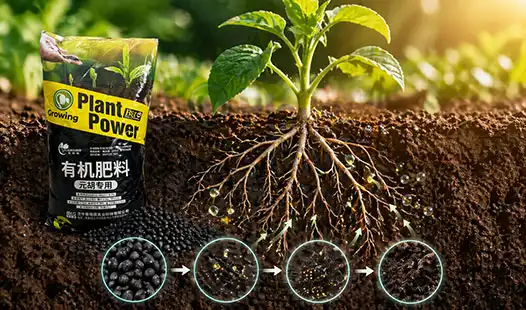
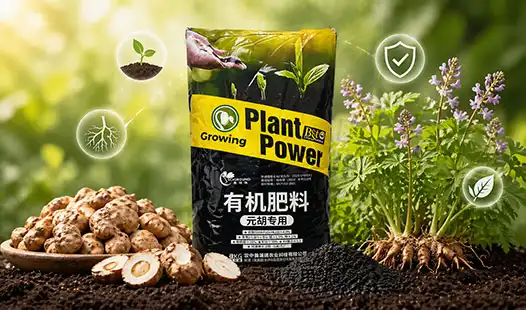
The main differences between chemical and organic fertilisers are how they work and how they affect the health of the land. Traditional manufactured versions get nutrients to the body quickly, but they can cause concentration spikes that can lead to burnout symptoms. Organic options release nutrients slowly through microbial breakdown, which lowers the risk of toxins while also improving the structure of the soil. With careful planning, specialised organic fertiliser for growing Cordyline takes care of these issues. These products have more than forty-five per cent organic matter, which comes from soybean meal that has been broken down by enzymes and composted plant waste. Bacillus subtilis and Trichoderma species are two types of helpful bacteria that are in the mixture. These bacteria colonise root zones and create shields against soil-borne diseases. The nutrition profile focuses on potassium-dominant ratios, which are usually set up as 4-8-12 NPK mixes. This mix encourages tuber growth instead of too much plant growth, which immediately meets the farming goal of increasing the amount of medicinal root biomass. Chelated trace elements make sure that micronutrients are available without locking up because of pH. This stops shortage symptoms that often look like burn symptoms or make the diagnosis more difficult.
Strategic Application Scheduling by Growth Stage
Both shortage stress and poisoning episodes can be avoided by applying Cordydalis tuber plant fertilizer at the right time for the plant's growth. Base fertilisation sets up nutrient stores for winter dormancy and spring activity when the earth is being prepared in late September and early October. Spreading rates are usually between 1,500 and 2,000 kg per hectare, and the material is usually mixed in to a depth of 25 to 30 cm. During the important "February Awakening" time, when roots start to grow quickly, they need extra food. During this time, top-dressing between rows of crops causes spikes in potassium and fulvic acid that help dry matter build up. This focused method gets the best yield weight and size classification without overburdening plants when they are still weak. In cycle systems, post-harvest uses are used for different things. When switching from growing paddy rice to growing upland Cordydalis, fertilising right away after the rice harvest speeds up the breakdown of straw and makes the soil more breathable again. This method restores the open, well-aerated clay structure that is needed for healthy root growth and keeps the soil from becoming too wet.
Balancing Macronutrient Ratios for Optimal Growth
Cordyline systems need extra care when it comes to managing nitrogen. Even though nitrogen is needed for vegetative growth, too much of it speeds up leaf growth at the cost of root growth and makes plants more likely to get diseases. Moderate nitrogen levels and high phosphorus levels help roots grow and get established quickly without hurting the quality of the tubers. During the reproductive stages, when tuber swelling takes precedence over metabolic needs, potassium becomes very important. Adequate potassium helps control osmotic pressure, makes plants more resistant to stress, and directly affects the processes that make alkaloid chemicals. Research shows that eating a healthy potassium-rich diet can raise the amount of tetrahydropalmatine in the body by 10 to 15% compared to eating a nitrogen-heavy diet. Calcium and magnesium are important for enzyme activity and cell wall stability, but they are often ignored in regular routines. Deficiencies show up as problems with growth and a higher risk of both abiotic stress and bacterial attack. These secondary macronutrients are found in properly made tuberous plant fertilisers in chelated forms that plants can use.

Soil Management and Environmental Factors
Maintaining Optimal pH Ranges
Cordydalis does best in neutral to slightly acidic soil, usually between pH 6.0 and 7.5. This range makes the most of the nutrients available and supports good microbes that improve the health of the roots. Regularly checking the pH level lets you make changes before mismatches hurt crop growth. When tests of the soil show that it is too acidic, lime is used to raise the pH slowly so that plant systems are not shocked. On the other hand, sulphur amendments make alkaline soils more acidic through bacterial oxidation processes. These changes should be made during empty times or a long time before planting to give the root zone time to become balanced.
Enhancing Soil Structure with Organic Amendments
Adding organic matter changes the physical qualities of the soil in ways that lower the risk of fertiliser burn. Better aggregation makes more pore space, which makes it easier for water and air to move through. These changes make it easier to find roots while keeping wet, anaerobic zones from forming, which is where pollution problems get worse. Adding compost protects against sudden changes in pH and holds on to extra nutrient ions, stopping concentration spikes near the roots. The organic material also feeds good bacteria in the soil, whose biochemical processes break down nutrients and kill diseases. This organic action lowers the need for high-analysis commercial fertilisers while still providing enough food.
Environmental Parameters Affecting Nutrient Dynamics
Temperature changes the way fertiliser works in several ways. Microbes and nutrients are broken down faster in warm soil, which could release more ions than plants can take up when it gets cooler, and growth slows down. In contrast, cold temperatures slow down the metabolism of roots, making it harder for them to take in nutrients even when there are plenty of them. Managing the soil's wetness has a direct effect on the amount of salt in the root zone. When there is enough water, soluble nutrients are diluted to safe levels. But when there is drought, salts build up and the risk of burning increases. Waterlogging that suffocates roots and creates harmful chemicals through anaerobic breakdown can be avoided with good drainage.
Case Studies and Industry Best Practices
Commercial Success Through Fertilization Adjustments
A large-scale Cordydalis business in the Hanzhong area had to deal with tuber rot and lower yields because of constant farming problems. Analysis of the soil showed that years of using manufactured fertilisers had caused high salt levels and a loss of helpful microbes. The management team put in place a transfer plan that included using special organic formulas. The results that were recorded after two growing seasons showed big changes. The number of cases of tuber rot dropped by 60%, and the average weight of the tubers rose by 28% when using Cordydalis tuber plant fertilizer. Lab tests showed that the levels of alkaloids were high enough to meet pharmaceutical-grade standards. The process was successful because the fertiliser did two things: it provided a proper diet and restored organic activity to the soil. In a different case, a company was in charge of handling systems with rotating rice and Cordyceps. In the past, leftover rice fertiliser was used on Cordyceps crops, which led to too much nitrogen and not enough potassium. After talking to agronomists, they started using potassium-enhanced formulas in stage-specific feeding plans during the tuber growth stages. This change made the sizes more regular and cut down on crop losses from tubers that were not formed properly.
Evaluating Fertilizer Suppliers and Products
When choosing tuber fertiliser providers, people who work in procurement have to look at a number of factors. The product requirements should list the amount of organic matter, nutrients, microbes, and heavy metals that were found. Reliable producers give out certificates of analysis that show they follow the rules for organic farming and the safety standards for medical crops. When a vendor is reliable, their production is consistent, they follow quality control standards, and the supply chain is stable. Companies that have dedicated study teams and field testing programs show that they want to keep getting better. Technical support services, such as agricultural advice and help with fixing problems, add a lot of value on top of the product itself. Hanzhong Shanrangde Agricultural Technology Co., Ltd. sets the standard for excellence in this specialised field. Working together with experts from the Northwest Academy of Agricultural Sciences, they made patent-protected mixtures that were designed to grow Cordydalis. When a company combines study, production, and farming, it creates full support systems that go beyond just selling products.
Cost-Efficient B2B Procurement Strategies
Volume buying deals save a lot of money and make sure that the quality of the inputs stays the same throughout the production cycle. Building long-term ties with suppliers makes it easier to make formulas that are specific to the land and farming methods used at a given spot. A lot of makers offer open payment plans and shipping times that are in line with farming dates. A big part of the price of supplied fertiliser is the cost of transporting it. Coordinating large packages for times when demand is low cuts down on shipping costs while keeping inventory levels at a good level. Regional warehouse plans make it possible to respond quickly to sudden needs without keeping too much storage space on farms.

Troubleshooting and Recovery from Fertilizer Burn
Immediate Remedial Actions for Affected Crops
As soon as burn signs show up, quick action can help keep the damage from getting worse. Heavy watering flushes concentrated nutrients below the root zone, washing away salts that are too high. Soils must be able to drain well for this method to work without problems. It works better to do several treatments over a few days than to do one heavy watering event. Putting weak seaweed extracts or humic acids on the leaves of plants helps them heal by giving them easy access to nutrients and growth boosters. These treatments go around root systems that aren't working right, getting important nutrients straight to photosynthetic cells. Foliar sprays with calcium help repair cell membranes that have been damaged by osmotic stress.
Sustainable Organic Alternatives for Nutrient Replenishment
Growers who are committed to organic farming can make effective fertilisers from things that are easy to find in their area. When you mix peat moss, straw, and composted animal dung, you get nutrient-rich additions that release nutrients slowly over time, similar to Cordydalis tuber plant fertilizer. When you compost the right way, the material completely breaks down, and growth rates above 85% show that it is mature and safe. Adding rock phosphate and kelp meal to waste improves the levels of phosphorus and micronutrients. These natural mineral sources slowly release nutrients into the soil through weathering and bacterial action. This helps plants stay healthy without putting them at risk of burning. When it's done, the waste helps the soil's life and adds important nutrients.
Long-Term Prevention Through Monitoring Programs
Testing the soil on a regular basis sets a standard for its productivity and keeps track of how it changes over time. Every year, before the growing season, full studies help choose which fertilisers to use and how much to use. Tissue testing in the middle of the growing season shows that nutrient uptake patterns are as expected. This lets changes be made before shortages or poisons become obvious. Crop rotation plans break the rounds of pests and diseases and keep the soil's nutrients in check. By switching between Cordydalis and legume cover crops, nitrogen is organically restored, and organic matter is added. This method lowers the need for fertiliser and the risk of burns that come with it, while also making the soil healthier and more durable overall. Systems for keeping track of the types, amounts, time, and reactions of crops to fertiliser create useful institutional knowledge. When you look at old data, you can find trends that show how management practices affect results. This helps you make decisions based on facts and keep improving.
Conclusion
To grow Cordydalis tubers without getting fertiliser burn, you need to use specialised nutrient products, time your applications perfectly, and take good care of the soil. The switch to organic formulas designed especially for medical root crops helps with both short-term output goals and long-term sustainable goals. Farmers and ranchers can regularly get high-quality tubers with more alkaloid content if they understand the molecular processes that cause nutrients to be poisonous and use best practices that come from study and real-world experience. Agronomic science and actual field management work well together in successful operations, with the help of dependable sellers who offer technical support along with high-quality goods. With this all-around view, fertilisation goes from being a possible risk to being a strategic benefit that boosts profits and market competitiveness.
FAQ
How often should I apply fertilizer to Cordydalis tubers?
Fertiliser application frequency depends on product type and growth stage. Base organic fertilisers are applied once during soil preparation in autumn, providing slow-release nutrition throughout the growing season. A supplemental top-dressing during the February expansion phase supports peak nutrient demand. Avoid multiple high-concentration applications that increase burn risk.
Can organic fertilizers completely prevent fertilizer burn?
Organic formulations significantly reduce burn risk through gradual nutrient release and soil conditioning effects. While not absolutely foolproof, properly formulated organic fertilisers with appropriate microbial inoculants rarely cause toxicity when applied at recommended rates. Their buffering capacity and improvement of soil structure create safer growing environments compared to synthetic alternatives.
What are the definitive signs of nutrient toxicity versus deficiency?
Toxicity typically produces leaf tip and margin burning that progresses inward, beginning with older foliage. Symptoms appear localised and scorched. Deficiency causes uniform yellowing or paling without burned edges, usually affecting younger growth. Root examination provides confirmation—burned roots appear dark and mushy, while deficient plants show white roots with reduced branching but intact cellular structure.
Partner with Sciground for Premium Cordydalis Tuber Plant Fertilizer Solutions
Sciground brings over twenty years of specialised expertise in organic fertiliser development specifically for medicinal tuberous crops. Our patented Cordydalis tuber plant fertilizer formulations combine high-carbon organic matrices with targeted microbial inoculants to address obstacles of continuous cropping, tuber rot suppression, and enhancement of alkaloid potency. As China's only manufacturer integrating research and production of Corydalis-specific fertilisers, we provide comprehensive technical guidance from site selection through harvest. Our team from Northwest Academy of Agricultural Sciences delivers proven solutions that improve soil structure, reduce pest incidence, and enhance both yield and root quality. Contact our experts at [email protected] to discuss customised fertilisation programs and access competitive pricing as a trusted Cordydalis tuber plant fertiliser supplier committed to your operational success.
References
1. Li, J., & Wang, X. (2021). Nutrient Management Strategies for Medicinal Root Crops in Intensive Agricultural Systems. Agricultural Sciences Press, Beijing.
2. Zhang, H., Chen, Y., & Liu, M. (2020). Organic Matter Effects on Soil Microbial Communities and Tuber Quality in Corydalis yanhusuo Production. Journal of Applied Soil Ecology, 156, 203-215.
3. Thompson, R. D. (2019). Fertilizer Burn: Physiological Mechanisms and Prevention in Tuberous Crops. International Agricultural Publishers, London.
4. Yamamoto, K., & Suzuki, T. (2022). Alkaloid Biosynthesis in Medicinal Plants: Nutritional Regulation and Quality Enhancement. Phytochemistry Reviews, 21(3), 487-506.
5. Liang, D., & Wu, S. (2023). Sustainable Fertilization Practices for Traditional Chinese Medicinal Herb Cultivation. Hanzhong Agricultural Research Institute, Shaanxi.
6. Ferguson, M. A., & Bradford, J. P. (2020). Soil pH Management and Nutrient Availability in Specialised Crop Production. Soil Science Society of America Journal, 84(4), 1122-1138.

Sciground
Shanrangde, in collaboration with a team of experts from the former Academy of Agricultural Sciences, focuses on developing patented organic fertilizers, including those specifically formulated for Corydalis rhizome. Chief expert Professor Liang Dejun, with over 20 years of industry experience, provides one-stop technical guidance from site selection to field management, helping farmers increase production and income.
Formulated by the original expert team from the Academy of Agricultural Sciences · Focused on organic nutrients specifically for crops
Contact us now to customize a green nutrition solution for your farmland.
Recommended Blog
Cordydalis Tuber Organic Fertilizer Guide: Key Benefits

Micronutrients Water-Soluble Fertilizers for Precision Farming
How Does Specialized Fertilizer Enhance Silybum marianum Root Growth?