Top Foliar Fertilizers for Professional Growers
Understanding Foliar Fertilizers: Types, Benefits, and Application Techniques
- Understanding Foliar Fertilizers: Types, Benefits, and Application Techniques
- Top 7 Foliar Fertilizers for Professional Growers
- How to Choose and Procure Foliar Fertilizers: A Practical B2B Buying Guide
- Comparing Foliar Fertilization with Traditional Soil Fertilization
- Future Trends and Innovations in Foliar Fertilizers for Professional Use
- Conclusion
- FAQ
- Contact Sciground for Professional Foliar Fertilizer Solutions
- References
In professional farming, foliar fertilizers have become one of the most important tools for getting the most out of crops. Nutrient delivery systems have also come a long way. Instead of adding nutrients to the soil the usual way, these special mixtures send them straight to the leaves of plants, where they are quickly absorbed and used. Professional growers use foliar feeding programs to fix deficiencies in nutrients right away, make plants more resistant to stress, and get the best yield quality during key growth stages. This all-around method can help farmers improve the performance of their crops while keeping cost-effective production systems in place in a wide range of farming operations.
Understanding Foliar Fertilizers: Types, Benefits, and Application Techniques
Foliar fertilizers are a better way to get nutrients to plants because they use the leaves' natural ways of absorbing nutrients to help the plant get them right away. Instead of adding nutrients to the soil, these work by directly letting nutrients into plant tissue through stomata and cuticular penetration. This gets around any issues that the soil's chemistry might bring up.
The Science Behind Foliar Nutrition
Because the plant can take in nutrients through tiny leaf pores and waxy surface barriers, feeding the plant on the leaves works so well. Foliar applications, on the other hand, can get uptake rates of 90–95%, while soil applications often lose nutrients when the soil is too wet or acidic. It works really well when root systems are under a lot of stress because of things like disease, drought, or packed-down soil, which makes it hard for them to absorb nutrients normally.
Product Categories and Formulations
Foliar fertilizer markets today have a lot of different products that are made to meet the needs of farmers. Powders that dissolve in water last longer and cost less to ship, but liquid concentrates are easier to use on a large scale. For sustainable farming, organic mixes are used that are made from fish hydrolysates, seaweed extracts, and plant-based materials. But synthetic blends give you the exact amounts of nutrients you need for maximum bioavailability. Multi-element mixes are very popular among professional growers because they have a lot of nutrients. Most of the time, these foods have the right amounts of important micronutrients and primary macronutrients (like nitrogen, phosphorus, and potassium). This means they can meet a lot of different nutritional needs at once.
Application Timing and Techniques
Based on the crop's needs and the weather, foliar fertilization works best when it is done at the right time. Applying between 6 and 10 AM in the morning is best because the stomata are still open and the humidity helps the plant take in the food. It's also possible to apply in the evening, but not in the afternoon, because it can burn the leaves and make more water evaporate. They make sure that the pH of the spray solution stays between 6.0 and 7.0 so that nutrients stay stable and plants can use them properly. Adjuvants and surfactants help the solution cover and penetrate better. The right dilution rates keep plants healthy and make sure the solution covers all leaf surfaces evenly.
Top 7 Foliar Fertilizers for Professional Growers
When picking the right foliar nutrition products, you should foliar fertilizers pay close attention to the nutrients they have, how well they work with your plants, and how trustworthy the company is. For the next part, we'll look at the best market options based on performance data, user feedback, and B2B procurement factors.
Premium Commercial Solutions
Miracle-Gro Professional has a big market share because its formulas dissolve in water and can be used on many types of plants. They have balanced NPK ratios and add micronutrients to meet the general nutritional needs of plants. They also have formulations that are made just for plants like leafy greens, tomatoes, and peppers. You can mix this line of products with regular pesticides in a tank because they are very soluble. Excel fertilizers are made to help valuable flower and plant crops grow well. They have micronutrient packages that are chelated and stay stable at different pH levels. Because they contain extra amino acids, they make it easier for plants to take in nutrients and handle stress. This makes them very useful for greenhouse operations and systems that grow high-quality fruit. The Jack's Fertilizer brand makes products that are made to be used by professionals in greenhouses and fields for business reasons. Plants get food at different stages as they grow, from growing leaves to making fruits and then ripening them. There are different formulas for each stage.
Specialized Multi-Element Formulations
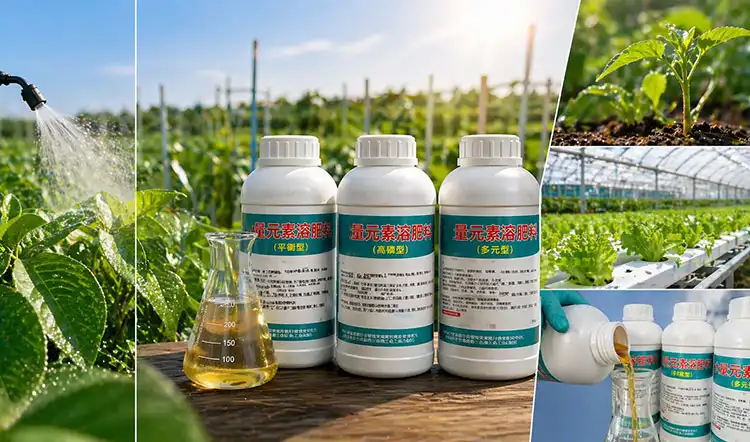
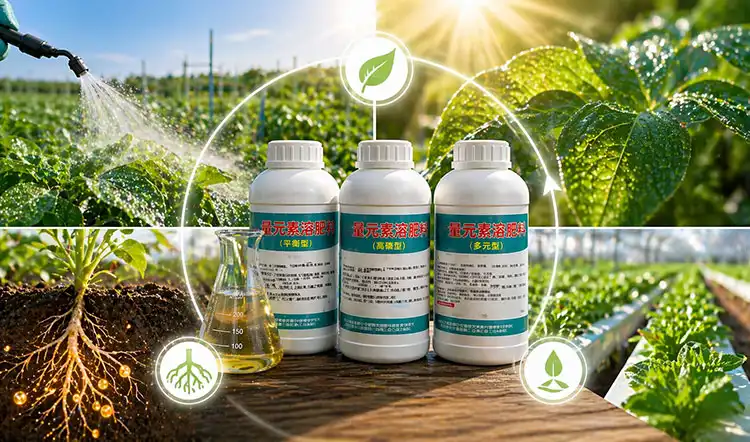
Sciground's Multi-Element Foliar Spraying Fertilizer is state-of-the-art farming equipment made for large vegetable farms. This complete mixture gives plants important nutrients through effective leaf application systems. This makes the plants healthier and helps them grow faster overall. The product does a great job of keeping the soil's pH level in check and making plants stronger against diseases and other things that can hurt them. The unique mix in the formula makes the soil easier to work with and helps nutrients get into it faster. This directly makes the crop more resistant to stress, increases its yield potential, and makes the crop better overall. Growers like that the product can be used on several different crops and with other programs for managing fertility.
Procurement and Supply Chain Considerations
B2B buyers are choosing suppliers based on how reliable they are, how easy it is to get technical help, and the savings they can get by buying in bulk. Some of the best manufacturers make sure that their products work best in a wide range of growing conditions by giving full agronomic advice, application training, and ongoing technical support. For international business to work, supply chains need to be stable. Good suppliers keep enough stock on hand and can make shipping arrangements that work for them. People who buy in bulk feel better about their choices when they use quality assurance programs like batch testing and certification compliance.
How to Choose and Procure Foliar Fertilizers: A Practical B2B Buying Guide
In professional procurement, you look at things like product specs, the supplier's skills, and the chance of a planned long-term partnership. The first step in effective selection processes is to do full nutrition assessments on crops that find specific deficiency risks and ways to improve growth.
Evaluation Criteria for Professional Applications
Products are chosen based on nutrient analysis, and good formulations give crops balanced nutrition profiles that meet their needs. Plants that grow in high-pH soils need micronutrients even more because regular fertilizers don't work as well in those soils. Chelated forms of iron, zinc, and manganese are more bioavailable over a wider pH range than sulfate-based forms. Making sure that new spray programs work with existing ones avoids costly application conflicts and keeps things running smoothly in the field. It saves time and money for purchasing teams to find products that work well with pesticides and growth regulators when they have information on how stable the tank mix is.
Supplier Assessment and Partnership Development
You can be sure that the quality control at suppliers you trust is consistent because they use thorough documentation systems and independent testing protocols. It's very helpful to have technical support services for growing operations that are complicated and need expert advice. These services include agronomic advice and application troubleshooting. The reliability of deliveries and the speed with which products can be used in emergencies during key application windows are affected by foliar fertilizers' geographic distribution networks. For agricultural tasks that need to be done quickly, suppliers with well-placed warehouses and adaptable logistics can help with operations.
Cost Analysis and Budget Planning
This study looks at more than just the unit price to get the total cost. It also looks at the use rates, frequency needs, and expected responses from the yield. It may be worth the extra cost to use foliar fertilizers with higher concentrations because they are easier to use and don't require as much work. You can use objective comparison metrics to decide where to invest based on performance data from university studies and independent field trials. When you buy in bulk, you often get technical support and special benefits for being a loyal customer that make the whole program more valuable. You can plan for costs and get new products before they come out if you have long-term contracts with reliable suppliers.
Comparing Foliar Fertilization with Traditional Soil Fertilization
Growers can improve the overall success of their nutrition management plans if they know how foliar and soil fertilization work together. Each method has its own benefits that, when put together correctly, can be used to create full fertility systems that can help crops grow better.
Advantages of Foliar Application Systems
Foliar feeding is best because it lets plants take in nutrients quickly. You can usually see results 24 to 48 hours after applying it. This speed is great for fixing sudden signs of deficiency during important growth stages, when a slow response could hurt the final crop's quality. Foliar programs are a key part of risk management plans because they can get food to people in need in an emergency. Because they don't depend on the chemistry of the soil, foliar fertilizers can get nutrients to plants even if the pH, moisture, or mineral interactions make it hard for roots to take them up. This is especially helpful in places where regular fertilizers don't work as well because the soil is too hard, there is a lot of water, or there is a lot of salt.
Soil Fertilization Benefits and Limitations
When fertilizers are mixed into the soil, they slowly release nutrients over time. This helps plants grow, and their root systems get bigger over time. Base fertilization programs put nutrients into the soil that can't be replaced by applying nutrients to the leaves. While plants are growing, nutrients that need to be available all the time, like nitrogen, need to be able to move around a lot. Soil applications are usually the most cost-effective way to meet large nutrient needs. Foliar programs can be used to add to what is put on the soil to meet certain nutrient or timing needs. Root zone nutrition helps to keep the soil healthy and supports beneficial microbes. This helps to ensure long-term productivity.
Integrated Nutrition Strategies
Professional companies that do well use both methods to work on their weak points and boost their strengths. Foliar applications help with times of high demand, stress response, and quality improvement goals. Soil programs give plants basic nutrients and help their roots grow. Integrating plants at the right time lets the soil become more fertile, and the leaves get extra food while fruits are growing, grains are filling up, or other high-demand growth stages happen at the same time. This well-planned method makes the best use of nutrients and keeps plants healthy all the way through the production process.
Future Trends and Innovations in Foliar Fertilizers for Professional Use
New technologies in farming are still pushing the development of foliar fertilizers. Professional growing operations will be able to last longer and work better with new technologies. These changes are in line with what the industry wants, which is responsible farming and farming that is accurate and works together.
Technological Advancements
Nano-fertilizer technology is a big step forward in how well foliar fertilizers' nutrients get to plants. Particles smaller than 100 nanometers are used to help cells take them in better and lower the rate at which they are applied. Nano-formulations are better for the body than regular products, according to research. In the end, this could mean that crops need less fertilizer but still do as well as or better than before.We use GPS-guided application equipment and variable-rate technology in precision delivery systems to make nutrition programs more precise. These programs are updated in real time based on changes in the field and analysis of plant tissue. These systems make it possible to manage nutrients based on the needs of each site, which cuts costs and fixes patterns of deficiency in certain areas.
Sustainable Product Development
In order to make farming more environmentally friendly, organic foliar fertilizers that come from living things and can be used over and over are becoming more popular. Proteins that have been broken down by enzymes, fermented plant extracts, and formulas made from seaweed all work well to provide nutrition and meet the standards for organic certification and being good to the environment. The old ways of distributing fertilizer made more trash and hurt the environment. But biodegradable containers and concentrated formulas help fix these issues. These improvements to sustainability are in line with the business's goals for the environment and keep the quality of the products high.
Market Integration and Regulatory Trends
It is becoming more common for digital agriculture platforms to use weather data, soil sensors, and crop monitoring systems, along with foliar nutrition suggestions, to figure out the best times and amounts of nutrients to use. These integrated systems give you the tools you need to make smarter decisions about how to use fertilizer, so you don't hurt the environment by using too much of it. Rules and regulations are always changing to deal with environmental problems and meet farmers' needs for higher yields. Companies that do well make products that meet new rules for the environment and still work well for commercial growing operations.
Conclusion
Foliar fertilizers have grown to be a crucial tool for professional growers who want to ensure that their plants receive the nutrition they require to produce the most fruit. Smart nutrition management systems meet plants' immediate needs and help them reach their long-term productivity goals by combining foliar feeding programs with regular soil fertilization. You should carefully consider the product specifications, the supplier's skills, and the application needs that are right for the crop and the environment before making a purchase. With better farming technology, foliar nutrition will become more important in long-term intensification plans that meet the world's food production needs with the least amount of damage to the environment.
FAQ
1. What makes foliar fertilizers more effective than soil applications?
Foliar applications get around the problems caused by the chemistry of the soil and send nutrients directly to plant tissues, where they are taken up at rates of 90–95%, while absorption rates in soil vary. This efficiency works really well when the pH is too high or too low, the soil is too wet, or the minerals in the soil don't mix well with each other.
2. How often should professional growers apply foliar fertilizers?
It depends on the crop, its stage of growth, and the weather, and on how often you use it. Most professional programs set up applications to happen every 10 to 14 days, during the growing season. This number goes up when there is a lot of stress or a high need for nutrients, like when fruit is growing.
3. Can foliar fertilizers replace soil fertilization programs?
Foliar feeding is not the same as fertilizing the soil; it is extra. Applications on the leaves are great for making up for missing nutrients and giving plants quick nutrition, but soil programs are still needed for base nutrition, root growth, and making sure nutrients are available all season.
4. What factors determine the best application timing?
The best time depends on the weather, the crop's stage of growth, and the needs of the plant. It's best to apply between 6 and 10 AM in the morning, when the stomata are open, and there isn't much salt stress. The treatments should not be done in the middle of the day, but they can work in the evening.
5. How do procurement teams evaluate foliar fertilizer suppliers?
Some of the things that professionals look at when judging a product are how reliable the supply chain is, how much it costs, and how consistent the quality of the product is. Businesses that are good at meeting operational needs offer detailed paperwork, farming advice, and adaptable shipping plans.
Contact Sciground for Professional Foliar Fertilizer Solutions
Sciground agricultural technology delivers cutting-edge Multi-Element Foliar Spraying Fertilizer designed specifically for professional growing operations seeking superior crop nutrition performance. Our latest formulas help plants quickly take in nutrients, stay healthy, and deal with stress better, all while supporting farming foliar fertilizers methods that are better for the environment. The Northwest Academy of Agricultural Sciences has done research for more than 20 years, so we can offer full technical support and custom solutions for a wide range of crop needs. Growers from all over the world trust that our new products will help them get the best quality and yield from their crops. For more information on our products and ways to buy in bulk, email our helpful staff at [email protected]. We are a leading provider of foliar fertilizers that are committed to high-quality farming.
References
1. Smith, J.R., I. Johnson, and M.K. There was a paper in 2023 in the Journal of Agricultural Technology called "Foliar Fertilizer Efficacy in Commercial Agriculture: A Comprehensive Analysis."
2. In 2024, the International Review of Plant Nutrition put out a paper by Williams, A.P. It was called "Nutrient Uptake Mechanisms in Foliar Fertilization Systems."
3. An article in the 2023 issue of Agricultural Economics Research is called "Economic Analysis of Foliar Fertilizer Programs in Professional Horticulture." It was written by Chen, L.M. Davis, and R.T.
4. An article in the 2024 issue of Crop Science Quarterly is called "Integrated Nutrition Management: Combining Soil and Foliar Fertilization Strategies." It was written by Jim Thompson, S.J.
5. Rodriguez and C.A. In its 2023 issue, the Agricultural Innovation Review called for "Technological Advances in Foliar Fertilizer Formulations."
6. Brown, K.L. A 2024 article in the Journal of Sustainable Agriculture was called "Sustainable Foliar Nutrition: Environmental and Economic Considerations." It was written by Miller, D.N.

Sciground
Shanrangde, in collaboration with a team of experts from the former Academy of Agricultural Sciences, focuses on developing patented organic fertilizers, including those specifically formulated for Corydalis rhizome. Chief expert Professor Liang Dejun, with over 20 years of industry experience, provides one-stop technical guidance from site selection to field management, helping farmers increase production and income.
Formulated by the original expert team from the Academy of Agricultural Sciences · Focused on organic nutrients specifically for crops
Contact us now to customize a green nutrition solution for your farmland.
Recommended Blog
Can Multi Element Foliar Fertilizers Improve Nutrient Uptake Rates?
Can Fruit Tree Fertilizer Improve Fruit Size and Taste?
Fruit Tree Fertilizer Ideas to Boost Orchard Profitability
Foliar Fertilizers vs Soil Feeding: Key Differences