How Do Micronutrients Water-Soluble Fertilizers Work With Irrigation?
Why Are Micronutrient Water-Soluble Fertilizers Essential for Irrigation-Based Farming?
- Why Are Micronutrient Water-Soluble Fertilizers Essential for Irrigation-Based Farming?
- How Fertigation Enhances Micronutrient Delivery Efficiency
- Key Micronutrient Types Used in Water-Soluble Fertilizer Programs
- Selecting Suitable Micronutrient Fertilizers for Irrigation Systems
- Environmental and Operational Advantages of Fertigation
- Integrating Smart Irrigation With Precision Nutrient Management
- Sciground Micronutrient Fertilizer Solutions for Modern Agriculture
- Technical Support and Customized Fertilizer Services
- Conclusion
- FAQ
- Partner with Sciground for Superior Crop Nutrition Solutions
- References
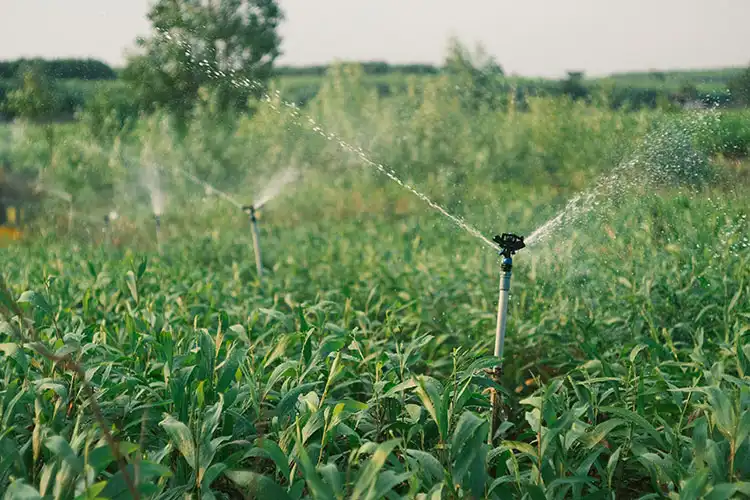
In current irrigation systems, micronutrient water-soluble fertilizers that dissolve in water are used a lot. This is done with fertigation, which is a way to water plants and spread fertilizer at the same time. Add important trace elements like zinc, iron, manganese, copper, and boron to irrigation water. This will help farmers get nutrients straight to the roots more quickly and effectively. Hanzhong Shanrangde Agricultural Technology Co., Ltd. makes water-soluble manure under the brand name Sciground. It can be used with a range of crops, watering methods, and field conditions.
There is less wasted fertilizer, and plants get the right mix of vitamins at important times in their growth. The reason for this is that fertigation is the best way to use manure. Since vitamins dissolve in water, they can be used for precise farming and growing foods to sell.
Why Are Micronutrient Water-Soluble Fertilizers Essential for Irrigation-Based Farming?
Supporting Plant Growth Through Precise Micronutrient Supply
These are very small amounts of iron (Fe), zinc (Zn), manganese (Mn), copper (Cu), and boron (B) that plants need. Plants need these things to grow. They need to be turned on so that plants can make chlorophyll, enzymes, and proteins, and so that plants can reproduce.
If plants don't get enough micronutrients, their leaves can turn yellow, their roots can grow slowly, their flowers may not open properly, and their crops as a whole may not be as good. Plants can take in micronutrient water-soluble fertilizers more easily because they give plants nutrients in a form that they can use.
Firms that grow plants need to keep an eye on the vitamin supply because heavy farming, changes in the weather, and changes in the soil can all affect the nutrients that are available.
Improving Nutrient Availability Through Complete Water Solubility
One great thing about fertilisers that break down in water is that irrigation water can do it all. Some dried fertilizers take longer to break down than nutrients that are dissolved in water. This means that dissolved nutrients can get to the active root zone faster.
Chelated vitamins help the soil stay solid when things get tough. Some elements might not be as easy to get if the dirt is too salty. Chelated forms of these elements, on the other hand, can help keep nutrients available and make it easier for plants to use them.
So, farmers can deal with a lack of nutrients better and use less manure than they need to.
How Fertigation Enhances Micronutrient Delivery Efficiency
Uniform Nutrient Distribution Through Irrigation Systems
When drip irrigation and spray irrigation are used, it is easier for micronutrients to get to all locations where plants are grown. When nutrients are mixed with water instead of being put on top of dirt, they keep going to the plants.
Giving all the nutrients at once can help:
-
Make sure that everywhere food grows the same way.
-
Make sure that people don't lose as much food.
-
Use fertilizer more wisely.
-
To keep crops fresh for a long time
If big farms know how to spread nutrients out properly, they can do a much better job of controlling their crops.
Matching Nutrient Application With Crop Growth Stages
Different plants need different amounts of micronutrients at different times of their growth. They can change their plans based on what their plants need when they use micronutrient water-soluble fertilizers.
Sometimes, the following steps are taken during the entry process:
The early stages of growth:
It helps plants grow roots, seedlings, and healthy leaves.
When the flower is open:
It gives animals and plants the food they need to grow and reproduce.
This is the stage of fruit growth:
It changes the color of the fruit, makes it better, and helps the crop do better all around.
They can make sure that the right nutrients are used at the right time by changing when and how much micronutrient water-soluble fertilizers are used.
Key Micronutrient Types Used in Water-Soluble Fertilizer Programs
Iron Fertilizers for Chlorophyll Production
Iron is needed to make chlorophyll and for photosynthesis to happen. A lack of iron can show up as yellowing between the veins of leaves, especially on young leaves.
Fertilizers that dissolve in water and are based on iron can help fix deficiencies quickly through fertigation. Goods with chelated iron work better in soils with high pH because they make iron easier to get to.
Zinc Fertilizers for Enzyme Activity and Plant Development
Zinc is important for making proteins, and it also helps plants grow. These things can happen to plants if they don't get enough zinc:
-
Plants are shorter now.
-
Less big leaves
-
Growth intervals got shorter.
-
Not enough crop growth
Zinc fertilizers that dissolve in water let growers quickly fix nutrient problems when plants are actively growing.
Manganese Fertilizers for Photosynthesis and Plant Metabolism
Manganese helps with photosynthesis, the absorption of nitrogen, and the defence systems of plants. Fertilization can make nutrients easier to get to in soils where manganese is set or not available by providing micronutrient water-soluble fertilizers liquid manganese straight through irrigation systems.

Selecting Suitable Micronutrient Fertilizers for Irrigation Systems
Evaluating Solubility and Irrigation Compatibility
Complete solubility is one of the most important requirements for fertilizers used in fertigation systems. Products that don't dissolve well can cause problems like:
-
Blockage of the drip nozzle
-
Sprinklers not working
-
Deposits in irrigation pipelines
Micronutrient fertilizers that are of good quality should dissolve quickly, stay stable in fertilizer tanks, and work with other types of fertilizer.
Before choosing a product, growers should think about the following:
-
Needs for crops
-
Type of irrigation equipment
-
What the soil is like
-
Formulation of nutrients
-
How to Find a Trustworthy Fertilizer Seller
Choosing a Reliable Fertilizer Supplier
For farming wholesalers and industrial farms, source confidence directly affects production stability. Some important rating factors are:
-
Procedures for quality control
-
Consistency of product
-
Ability to provide technical support
-
Delivery reliability
-
Documentation access
To help customers choose the right fertiliser options, professional providers should give them product specs, nutrition analyses, and quality papers.
Environmental and Operational Advantages of Fertigation
Reducing Nutrient Loss and Improving Resource Efficiency
Using fertiliser the old-fashioned way could cause nutrients to be lost through runoff, leaching, or uneven distribution. These risks are lower when nutrients are brought closer to the plant's roots through fertilisation.
When used with irrigation, vitamin water-soluble fertilizers can help:
-
Use less fertilizer than you need to.
-
Increase the efficiency of nutrient uptake
-
Minimise damage to the environment
This method helps to make farming more sustainable while keeping food output high.
Saving Labor and Improving Farm Management
Using both watering and fertilization together cuts down on the need for different processes to apply fertilizer. For industrial farms, this can help cut down on the need for workers, save money on fuel, and make field management more efficient.
Precision fertilizer delivery also helps growers keep a better handle on the amount of nutrients they use and avoid using too much.
Integrating Smart Irrigation With Precision Nutrient Management
Using Technology for Automated Fertilizer Control
These types of farming technologies can work with modern fertigation systems:
-
Sensors for soil wetness
-
Monitoring systems for the climate
-
Tools for looking at crop growth
These tools help farmers make better choices by letting them change their fertiliser and watering plans based on how the fields are actually doing.
Improving Crop Response Through Real-Time Adjustment
Nutrient needs can be affected by changes in the weather, the amount of water in the soil, and the growth of plants. When conditions change, smart watering systems let farmers change how much fertilizer they use and when they use it.
This helps keep crop growth stable throughout the production cycle and makes nutrient management more accurate.
Sciground Micronutrient Fertilizer Solutions for Modern Agriculture
Research-Based Fertilizer Formulations
Sciground is a brand name of Hanzhong Shanrangde Agricultural Technology Co., Ltd., a company that makes fertilizer options for modern farming.
Based on crop needs, soil conditions, and watering needs, the company makes mineral water-soluble fertilisers. These medicine's versions are aimed at:
-
How well nutrients are absorbed
-
Performance of crop growth
-
Quality of fruit
-
Stable yields
Sciground helps growers find solid vitamin management solutions by mixing agricultural study with real-world field experience.
Technical Support and Customized Fertilizer Services
Nutrient methods need to be different for each crop and growth area. Sciground offers technical help and customised fertiliser choices based on:
-
Types of crops
-
How the soil is
-
Ways to water crops
-
Regional places to grow crops
The company helps farming companies add the right micronutrient water-soluble fertilizers programs to their current watering systems so that the businesses run more efficiently.
Stable Production and Supply Capability
A steady supply is important for business farms, wholesalers, and marketers. Sciground focuses on consistent product quality, production management, and customer service to help agricultural partners around the world make sure there is always fertilizer available.
Conclusion
Micronutrient water-soluble fertilizers provide an effective solution for modern irrigation-based agriculture by delivering essential trace elements directly through fertigation systems. Their high solubility, precise application method, and compatibility with irrigation equipment allow growers to improve nutrient efficiency and support healthier crop development.
For agricultural distributors, commercial farms, and growers using precision irrigation, selecting a reliable fertilizer supplier is essential. With research-based formulations, customized solutions, and technical support, Sciground continues to provide micronutrient fertilizer solutions designed for efficient and sustainable crop production.
FAQ
1. What makes water-soluble micronutrient fertilizers more effective than traditional formulations?
Water-soluble formulations provide immediate nutrient availability through complete dissolution in irrigation water. This eliminates the time required for soil breakdown processes and ensures uniform distribution throughout the root zone. The chelated forms of nutrients remain stable and available even in challenging soil conditions, providing superior uptake efficiency compared to granular products.
2. How quickly can I expect to see results after applying these fertilizers through fertigation?
Visible improvements typically appear within 7-14 days of application, depending on the severity of the deficiency and environmental conditions. Chlorosis correction often shows the most rapid response, with new growth exhibiting improved color and vigor. Full correction of deficiency symptoms and optimization of plant performance may require 2-4 weeks of consistent application.
3. Are these fertilizers compatible with all types of irrigation systems?
High-quality water-soluble micronutrient fertilizers are compatible with drip irrigation, sprinkler systems, hydroponic setups, and other fertigation applications. The key requirement is complete solubility without residue formation that could clog irrigation components. Proper filtration and system maintenance ensure optimal performance across all irrigation technologies.
Partner with Sciground for Superior Crop Nutrition Solutions
Sciground offers premium Micronutrients water-soluble fertilizers designed to transform your crop production outcomes. Our scientifically formulated products deliver rapid absorption, enhanced disease resistance, and improved fruit quality that translates into higher market returns. As a trusted Micronutrients water-soluble fertilizers supplier, we provide comprehensive technical support, competitive pricing, and reliable global shipping to meet your operational requirements. Contact our team at [email protected] to discuss customized formulations, bulk ordering options, and technical consultation services tailored to your specific crops and irrigation systems.
References
1. Chen, L., & Wang, M. (2023). Advanced Chelation Technologies in Water-Soluble Micronutrient Fertilizers for Precision Agriculture. Journal of Agricultural Chemistry, 45(3), 234-251.
2. Rodriguez, A., Smith, J., & Brown, K. (2022). Fertigation Systems and Micronutrient Delivery Efficiency in Modern Crop Production. Irrigation Science Quarterly, 38(2), 112-128.
3. Thompson, R., Lee, S., & Davis, P. (2024). Environmental Impact Assessment of Water-Soluble Fertilizers in Intensive Agriculture. Environmental Agriculture Review, 29(1), 67-84.
4. Martinez, C., & Johnson, D. (2023). Micronutrient Deficiency Diagnosis and Correction Strategies in Field Crops. Crop Nutrition Today, 15(4), 189-205.
5. Zhang, H., Wilson, T., & Kumar, V. (2022). Smart Fertigation Technologies and Automated Nutrient Management Systems. Agricultural Technology Advances, 31(2), 145-162.
6. Anderson, M., Taylor, B., & Williams, J. (2024). Economic Analysis of Water-Soluble Micronutrient Programs in Commercial Agriculture. Farm Business Management, 42(1), 78-95.

Sciground
Shanrangde, in collaboration with a team of experts from the former Academy of Agricultural Sciences, focuses on developing patented organic fertilizers, including those specifically formulated for Corydalis rhizome. Chief expert Professor Liang Dejun, with over 20 years of industry experience, provides one-stop technical guidance from site selection to field management, helping farmers increase production and income.
Formulated by the original expert team from the Academy of Agricultural Sciences · Focused on organic nutrients specifically for crops
Contact us now to customize a green nutrition solution for your farmland.
Recommended Blog

How Do Organic Fertilizers Benefit Soil Health and Plant Growth?

Why Should You Use Balanced Liquid Fertilizer for Your Plants?
_1767870624598.webp)