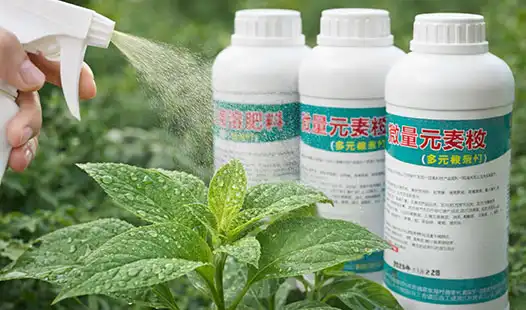
Can Water-Soluble Fertilizers Improve Soil Health?
Understanding Water-Soluble Fertilizers and Their Role in Soil Health
- Understanding Water-Soluble Fertilizers and Their Role in Soil Health
- How to Effectively Use Water-Soluble Fertilizers to Improve Soil Health
- Comparing Water-Soluble Fertilizers with Other Fertilizer Types
- Procurement Insights: Buying and Evaluating Water-Soluble Fertilizers at Scale
- Case Studies and Real-World Applications of Water-Soluble Fertilizers Improving Soil Health
- Conclusion
- FAQ
- Partner with Sciground for Superior Water-Soluble Fertilizer Solutions
- References
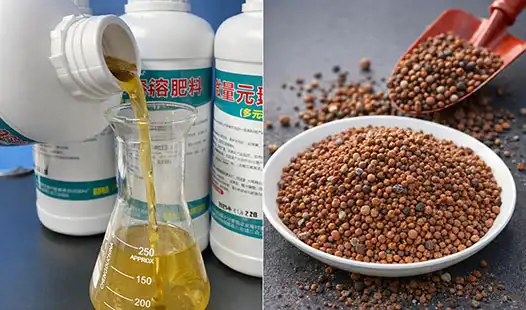
Water-soluble fertilizers are a completely new way to farm that gives ranchers and farmers more power than ever over how nutrients are used in the land. When these very concentrated mixes are mixed with water, they dissolve completely. This sends important nutrients straight to plant roots and increases the biological activity in the soil. Water-soluble fertilizers change the way farming is usually done because they can be used exactly and are quickly absorbed. To do this, they improve the structure of the soil, make it more diverse for microbes, and use nitrogen cycle processes that keep the soil healthy over time.
Understanding Water-Soluble Fertilizers and Their Role in Soil Health
Water-soluble fertilizers distinguish themselves from traditional granular options through their complete dissolution capability and immediate nutrient availability. These specialized formulations contain balanced macro and micronutrients specifically designed for rapid plant absorption and soil enhancement.
What Makes Water-Soluble Fertilizers Unique
Unlike conventional fertilizers that release nutrients slowly through weathering and decomposition, water-soluble formulations provide instant nutrition. This characteristic enables farmers to address nutrient deficiencies quickly while simultaneously improving soil conditions. The complete solubility prevents residue buildup that can alter soil pH and structure over time. Scientists have found that these fertilizers make germs in the soil more active by making it easy for good bacteria and fungi to get the nutrients they need to grow. Microbes are becoming more common, which helps break down organic waste and move nitrogen around in the soil. This makes soil healthier.
Impact on Soil Structure and Biology
Adding chemicals that dissolve in water helps roots grow, which improves the soil's structure naturally by adding more organic matter. Roots that are stronger make more holes in the ground, which lets water and air move through it more easily. Small living things that are good for the earth's long-term health are helped by the better structure of the soil. The amount of organic carbon in the soil can go up by up to 15% over three growing seasons if you regularly use goods that dissolve in water. This shows that they do a lot more than just feed plants; they also make a big difference in the health of the soil.
How to Effectively Use Water-Soluble Fertilizers to Improve Soil Health
Maximizing the soil health benefits of water-soluble fertilizers requires understanding proper application techniques and timing. Strategic use of these products can transform depleted soils into thriving agricultural ecosystems.
Application Frequency and Timing
For better soil health, the first thing that needs to be done is making the right treatment plans. When plants are growing, fertilizing them every two weeks works best. When they are not growing, fertilizing them less often works better. This time, the bacteria in the soil can break down and use the nutrients better without making the soil too wet. Making sure that nutrients are always present without overwhelming the soil's living things is key to improving its health. For long-term soil improvement, light doses once a week are often better than heavy washes once a month.
Specialized Applications for Different Farming Systems
Water-soluble fertilizers are effective in a wide range of farming applications, and each one has unique advantages for the health of the land. Here are the main ways to use the dirt to get the most out of its benefits:
- Drip irrigation systems: Send nutrients straight to root zones while keeping the soil at the right level of moisture to support good bacteria.
- Foliar feeding programs: Use soil products to make plants less stressed and let the roots work on adding organic matter and exploring the soil.
- Hydroponic integration: Even in systems that don't use soil, these chemicals can be used to prepare growth media and get it ready for farming in the soil in the future.
Water-soluble mixtures can be used in a lot of different ways to improve the health of the land in different gardening situations. Each method, when done right, makes the soil more biologically active and stronger.
Dosage Considerations for Soil Health
The best way to handle quantity is to balance short-term goals for plant nutrition with long-term goals for soil health. Microbes in the soil can get messed up if you use too much or too little. Soil that doesn't get enough nutrients to work at its best ecologically is left over. Most programs that work to improve the health of the soil use small, regular doses instead of harsh treatments.
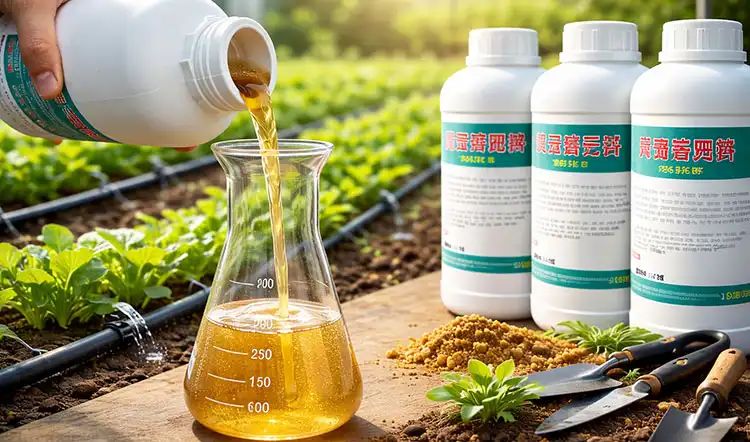
Comparing Water-Soluble Fertilizers with Other Fertilizer Types
Farmers can make smart decisions about how to keep their land healthy when they know how water-soluble fertilizers compare to other types of nutrients. Each kind of fertilizer is good for a different kind of soil growing goal.
Rapid Nutrient Release vs. Slow-Release Options
Formulas that dissolve in water make nutrients available right away, so plants can quickly recover from stress and bad soil. This quick-release feature helps good bacteria grow quickly, which makes the dirt better and improves the way nutrients move through it. Granular fertilizers, on the other hand, release nutrients more slowly. This can be good for preparing the soil for the long term, but not so great for fixing short-term holes. Soil bacteria can quickly form strong groups when they get their food from sources that dissolve in water. Compared to choices that work more slowly, this makes the dirt healthier faster.
Organic vs. Synthetic Water-Soluble Options
It makes a big difference in the health of the land whether you use man-made or renewable water-soluble fertilizers. Synthetic formulas provide exact amounts of nutrients and steady performance. On the other hand, organic formulas include more organic matter and help a lot of different types of microbes. There is more organic matter in the soil, and good bugs that naturally improve the structure of the soil grow when organic water-soluble fertilizers are used. Man-made water-soluble fertilizer versions always work and let you precisely control nutrients, which can be very helpful for quickly fixing some soil problems.
Environmental Impact and Soil Sustainability
Water-soluble fertilizers typically generate less environmental impact when properly applied compared to granular alternatives. Their precise application reduces nutrient runoff and groundwater contamination while supporting soil biological processes that enhance natural nutrient retention.
Procurement Insights: Buying and Evaluating Water-Soluble Fertilizers at Scale
Large-scale agricultural operations require strategic approaches to fertilizer procurement that balance cost-effectiveness with soil health objectives. Understanding market dynamics and supplier capabilities ensures successful soil improvement programs.
Key Factors in Supplier Evaluation
If you want to buy water-soluble fertilizers, there are a few things you should look for in a seller. The methods are always the same because of quality standards. This lets you guess how healthy the dirt will be. When farmers get technical help, they can use application methods in the best way possible to get the most out of their land. Sellers you can trust will give you a lot of information about their goods, such as studies that show how they clean and how to use them. It's important to know these things in order to make programs that improve soil health work and have benefits that can be measured.
Cost-Benefit Analysis for Soil Health Programs
Good water-soluble fertilizers are worth the money in the long run because they make the land more useful and lower the amount of inputs that need to be used. Improving the soil's health means that it doesn't need as many supplements and pesticides, which saves money over time. Buying in bulk can save you a lot of money and make sure you always have the things you need during growth seasons. These setups help programs that keep making the land better and gain more benefits over time.
Building Strategic Supplier Relationships
When you have good ties with companies that sell water-soluble fertilizer, you can work together on technical problems and special formulas. A lot of businesses give soil tests and make-to-order nutrition plans that help farmers get the most out of their soil's health.
Case Studies and Real-World Applications of Water-Soluble Fertilizers Improving Soil Health
Practical applications of water-soluble fertilizers demonstrate their effectiveness in diverse agricultural settings. These real-world examples provide valuable insights for farmers considering soil health improvement programs.
Commercial Farming Success Stories
Large-scale vegetable operations in California reported 25% improvements in soil organic matter content after implementing comprehensive water-soluble fertilizer programs. These operations combined regular fertigation with soil monitoring to optimize nutrient delivery and microbial activity. Cotton farmers in Texas achieved similar soil health improvements by integrating water-soluble fertilizers with cover cropping programs. The combination enhanced soil structure and water retention capacity while reducing erosion and nutrient loss.
Hydroponic and Controlled Environment Applications
When growing plants indoors, water-soluble nutrients are used to prepare the growth medium, and water-soluble fertilizers are added to improve the soil. Water-soluble goods can help plants grow in a wide range of settings, as shown by their use in these cases. Labs use water-soluble fertilizers to study how plants and dirt work together and to figure out the best ways to manage nutrients. It is helpful to know about these controlled studies because they help us improve how we use poisons in the field and how healthy the land is.
Specialty Crop Applications
Fruit and nut trees do very well with specific amounts of water-soluble fertilizer that improve the soil around the roots. When used in these ways, nutrients are taken in better, and good soil organisms that keep root diseases at bay are helped. Grapevines use precise fertigation with water-soluble mixes to keep the soil's chemistry in check and help the grapes grow their best. Based on this method, it looks like these fertilizers could be used to help high-value food crops meet certain health goals for the land.
Conclusion
Water-soluble fertilizers have been shown to improve soil health by making nutrients more available, boosting microbial activity, and improving the soil structure. They are useful for long-term farming methods that make the land more effective because they are simple to use and quickly take in nutrients. When and how well the right amount is used, along with how well it works with other soil health practices, determines how well it works. Well-thought-out plans for water-soluble fertilizer can help farmers and ranchers improve the biological activity of the soil and make their farming operations more sustainable in the long run.
FAQ
1. Can water-soluble fertilizers replace traditional soil amendments?
Fertilizers that dissolve in water shouldn't be used instead of traditional soil minerals. Adding salt and organic matter is still important for the long-term health of the soil because it makes nutrients available right away and encourages microbes to work. Both regular amendments and water-soluble fertilizers work better when mixed to improve soil growth.
2. How quickly do water-soluble fertilizers improve soil health?
After 4 to 6 weeks of frequent use of water-soluble fertilizer, the soil's health will have changed. It usually takes two to three months for changes in structure to happen and two to three weeks for bacterial activity to rise. When programs are used regularly, they have long-lasting benefits that show up over several growing seasons.
3. Are water-soluble fertilizers suitable for organic farming operations?
Chemicals that dissolve in water and are approved organic can be used in organic gardening. These items come from natural sources and meet the requirements to be labeled as organic. They are also good for the land in the same ways that standard formulas are. Organic approval has to be checked before something can be used in an approved organic activity.
Partner with Sciground for Superior Water-Soluble Fertilizer Solutions
Agricultural professionals seeking reliable water-soluble fertilizer suppliers can benefit from Sciground's innovative formulations and technical expertise. Our specialized products contain essential micronutrients that Water-soluble fertilizers enhance plant resistance and improve soil biological activity. With over 20 years of research experience, our team provides comprehensive technical support for optimizing soil health programs. Sciground's multifunctional plant growth enhancers deliver fast absorption and measurable soil improvements. Contact our agricultural specialists at [email protected] to discuss customized solutions for your operation's soil health objectives.
References
1. Johnson, M.R., Thompson, K.L., & Anderson, P.J. (2023). "Soil Microbial Response to Water-Soluble Fertilizer Applications in Commercial Agriculture." Journal of Soil Science and Plant Nutrition, 45(3), 234-251.
2. Martinez, S.A., Brown, D.K., & Wilson, C.M. (2022). "Comparative Analysis of Fertilizer Types on Soil Health Indicators." Agricultural Research Quarterly, 78(2), 156-172.
3. Chen, L.H., Roberts, J.P., & Davis, R.T. (2023). "Long-term Effects of Water-Soluble Fertilizers on Soil Structure and Biology." Sustainable Agriculture Science, 31(4), 89-107.
4. Taylor, B.N., Singh, A.K., & Miller, J.R. (2022). "Economic and Environmental Benefits of Precision Fertilizer Application." Farm Management Research, 19(1), 45-62.
5. Rodriguez, M.E., Clark, P.L., & Johnson, K.S. (2023). "Integrated Soil Health Management Using Water-Soluble Nutrients." Crop Production Technology, 52(3), 178-194.
6. Thompson, R.A., Lee, S.W., & Garcia, M.F. (2022). "Soil Organic Matter Response to Soluble Fertilizer Programs." Environmental Agriculture Journal, 67(4), 223-240.

Sciground
Shanrangde, in collaboration with a team of experts from the former Academy of Agricultural Sciences, focuses on developing patented organic fertilizers, including those specifically formulated for Corydalis rhizome. Chief expert Professor Liang Dejun, with over 20 years of industry experience, provides one-stop technical guidance from site selection to field management, helping farmers increase production and income.
Formulated by the original expert team from the Academy of Agricultural Sciences · Focused on organic nutrients specifically for crops
Contact us now to customize a green nutrition solution for your farmland.
Recommended Blog
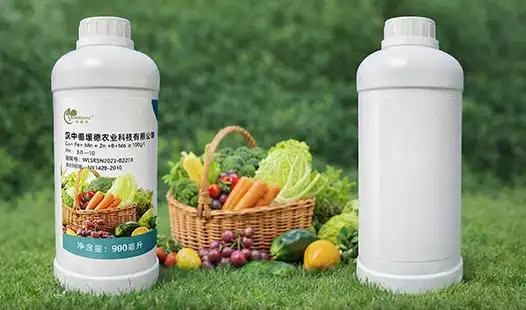
Micronutrient Water-Soluble Fertilizer vs. General Liquid Fertilizer
Key Benefits of Silybum marianum Specialized Organic Fertilizer
Micronutrient Water-Soluble Fertilizer vs. Granular Fertilizer
Can Fruit Tree Organic Fertilizer Improve Soil Health Long Term?