Can Multi Element Foliar Spraying Fertilizer Reduce Fertilizer Waste?
Understanding Multi Element Foliar Spraying Fertilizer
- Understanding Multi Element Foliar Spraying Fertilizer
- The Impact of Foliar Spraying on Fertilizer Waste and Crop Yield
- Comparing Foliar Fertilizer with Soil Fertilizer for Efficient Resource Use
- Best Practices for Using Multi Element Foliar Spraying Fertilizer to Minimize Waste
- Procuring Multi Element Foliar Spraying Fertilizer: What B2B Buyers Should Know
- Conclusion
- FAQ
- Partner with Sciground for Advanced Foliar Nutrition Solutions
- References
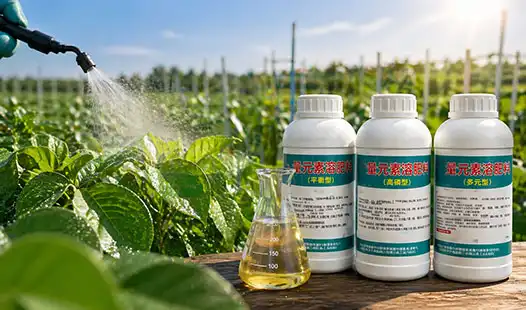
Multi element Foliar Spraying Fertilizer cuts down on fertilizer waste by providing nutrients directly to plants through their leaves instead of through the soil, which prevents losses. When nutrients are spread on the ground the old way, 30 to 70 percent of them are lost through leaching, flow, and chemical fixation. Foliar feeding is applied to the plant's top, where absorption rates reach 90% within hours. This reduces waste in the environment while increasing the plant's ability to use nutrients efficiently. This direct-delivery method changes how farmers handle inputs, which lowers costs and helps crops grow in a variety of farming systems over time.
Understanding Multi Element Foliar Spraying Fertilizer
What Makes Foliar Fertilizers Different
Multi element Foliar Spraying Fertilizer comes in complex mixtures that include macronutrients like nitrogen, phosphorus, and potassium, secondary nutrients like calcium, magnesium, and sulfur, and important micronutrients like iron, zinc, manganese, copper, boron, and molybdenum. These goods come in the form of high-concentration liquids or water-soluble powders that are designed to be absorbed by leaves instead of being mixed into the soil. The difference is important because plant leaves have evolved amazing ways to absorb water through their stomata and surface layers. Nutrients quickly enter these routes when they are properly made with chelating agents like EDTA, amino acids, or sugar alcohols. Within four to six hours of application, elements start moving through phloem tissue to places where the plant needs them, like roots, flowers, and growing seeds.
How Leaf Absorption Works
The cuticle is the main thing that stops foliar uptake. It is a thick layer that keeps leaves from losing water and letting pathogens in. Surfactants in high-quality foliar recipes lower surface tension, which means that liquids spread across leaf surfaces instead of building up and rolling off. Chelated nutrients enter straight into cell systems through cuticular paths and stomatal openings once contact is made. This gets around the tricky soil chemistry that gets in the way of regular nutrients. Phosphorus usually sticks to calcium in alkaline soils or aluminum in acidic soils, but when spread on leaves, it doesn't stick to anything. Foliar iron applications work right away on iron chlorosis, a shortage that lowers crop yields in chalky soils, while soil treatments may take weeks or not work at all.
Proven Results Across Crop Systems
Land-grant colleges' research shows that both basic and specialty crops can benefit from the same things, including Multi element Foliar Spraying Fertilizer. In California, tomato studies showed that adding foliar vitamin programs to base fertility increased yields by 15 to 22 percent. This was especially true during fruit set, when root demand is highest. Studies on corn in Iowa found that adding nitrogen to the leaves at the important flag-leaf stage increased the protein level of the grain by 8–12%. Multi element Foliar Spraying Fertilizer is a must for vegetable growers who have to take care of high-value crops in short amounts of time. When an Ohio greenhouse switched from heavy soil amendments to balanced foliar programs, it cut nutrient waste by 40% while still meeting production goals and getting better scores on leaf tissue tests for nitrogen, potassium, and trace elements.
The Impact of Foliar Spraying on Fertilizer Waste and Crop Yield
Where Traditional Fertilizers Disappear
There are several ways that soil-applied fertilizers can lose effectiveness and make a profit. Soluble nitrogen and potassium are moved below the root zone by leaching. This happens most often in sandy soils or when it rains a lot. Twenty to fifty percent of the nitrogen that is given to plants is lost through leaching in regular spread programs. This nitrogen ends up in tile drainage and groundwater instead of plant tissue. Volatilization changes urea and ammonium-based nitrogen into gases in the air. Losses can be anywhere from 10 to 30 percent, depending on the temperature, humidity, and time of absorption. If you apply urea to the soil's surface on a hot July morning, it may lose a quarter of its nitrogen supply before it gets to the roots. Fixation turns phosphorus and many elements into insoluble combinations with soil minerals. This means that even when large amounts of them are applied, they can't be used. These losses lead straight to waste in the economy. At the current price, a corn farm that uses 180 pounds of nitrogen per acre might lose 60 to 90 pounds to environmental routes. That's hundreds of dollars per field that goes into air and water instead of supporting grain fill.
How Foliar Applications Cut Losses
By putting nutrients right where photosynthesis and metabolism happen, foliar feeding gets rid of the need for dirt. Because there is no competition from the earth's chemistry, the rate of absorption goes up by a huge amount. When I spray a properly made foliar fertilizer at dawn when the humidity is above 60%, uptake rates reach almost 90% within six hours. This is very different from how 30–50% of soil applications usually work. During key growth times, speed is important. When corn is in the reproductive stages, it needs to get nutrients right away to help the seed grow. It could take days for nutrients applied to the soil to reach the roots, but potassium and vitamins applied to the leaves start helping the ears grow within hours.
Quantifiable Yield and Quality Improvements
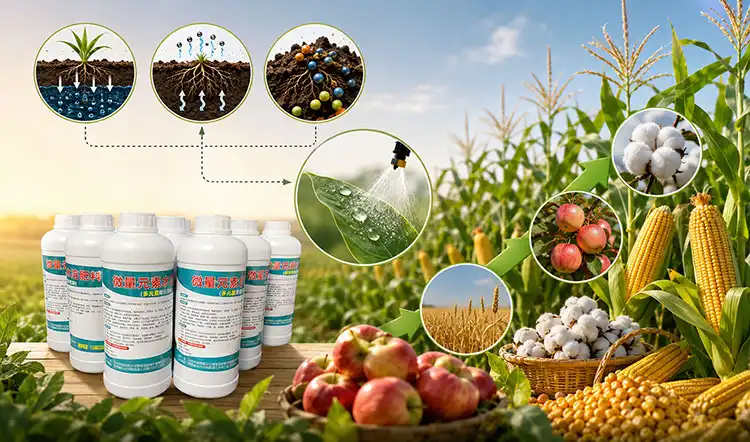
The effects of foliar fertilizer can be seen in data from multi-year university studies. In Kansas, wheat farms saw 8–15 bushels per acre yield improvements when foliar micronutrient sprays were added to base plans during the heads and grain fill stages. Foliar treatment, which costs about $12 to $18 per acre, paid for itself four to seven times over when the crop was harvested. By applying boron and potassium to the leaves of cotton plants in Texas during peak flowering, growers cut the number of boll abortions by 18%. This meant that each acre of land had 120 to 180 pounds more lint. Along with the increase in yield, quality measures got better. For example, measurements of fiber strength and length met top-grade standards that led to higher market prices. Foliar investments pay off hugely for orchard businesses. Apple growers who used foliar calcium sprays cut down on bitter pit and storage disorders by 30–45 percent, which increased the apples' usable life and decreased cullage. Foliar programs give precise nutrition that helps with both output goals and quality after harvest, which is hard to do with soil feeding alone
Comparing Foliar Fertilizer with Soil Fertilizer for Efficient Resource Use
Speed and Targeting Advantages
Foliar fertilizers work quickly when plants need food right away. Multi element Foliar Spraying Fertilizer is one option, but foliar sulfate works in 48 to 72 hours on a corn field that is showing signs of sulfur shortage at the V6 stage, while soil-applied sulfur might take ten to fourteen days to fully fix the problem. Because of this, growers can fix problems before they cause too much yield loss. Total nutrient loads are also lowered by the aiming feature. Foliar programs use specific amounts of amendments at certain times during growth stages instead of spreading them out over the whole fields to make sure there is enough supply. A pecan orchard might only need zinc during budbreak and nut fill, which is equal to two applications to the leaves, adding four pounds per acre compared to twenty pounds spread out in the soil to reach the same amounts in the leaf tissue.
Cost Structures and Application Requirements
Foliar feeding costs more per pound of nutrients than bulk soil amendments, but when efficiency is taken into account, the total costs of the program are often still comparable. It's possible that foliar potassium costs sixty cents per pound of K₂O while soil-applied potash costs twenty cents. However, plants absorb the potassium from the foliar application at a rate that is one-third that of the soil application, making the real cost difference much smaller. Application costs depend on how much spray equipment is already in place. If a business is already using herbicides or fungicides, they can add foliar fertilizers to their tank mixes at a very small extra cost on top of the product price. Dedicated fertilizer sprays take time, work, and tools, but current high-clearance sprayers and aerial applicators can do this quickly and easily over big areas.
Liquid Versus Powder Formulations
When deciding between liquid and powder spray nutrients, you need to think about how they will be stored, handled, and applied. Liquid versions are convenient because they don't need to be mixed or dissolved. They also stay solid over the winter in climate-controlled storage centers. They work perfectly with automated sprayers and injection systems that are popular in big businesses. Powdered foods usually cost less per unit of nutrition and take up less space in storage, which makes them appealing to businesses that have good mixing and batch-spraying systems. To keep the nozzle from getting clogged, there must be full solubility, so product quality is very important. When mixed with water, high-quality powders dissolve completely in minutes. Lower-quality powders, on the other hand, leave behind residues that damage pumps and screens. Businesses that take care of a wide range of crops usually keep both recipe types on hand and choose which to use based on the situation. For frequent, low-volume applications on high-value crops, liquid goods work best. Powders, on the other hand, are more cost-effective for larger-acreage projects where preparation is handled easily by central mixing facilities.
Best Practices for Using Multi Element Foliar Spraying Fertilizer to Minimize Waste
Timing Applications for Maximum Uptake
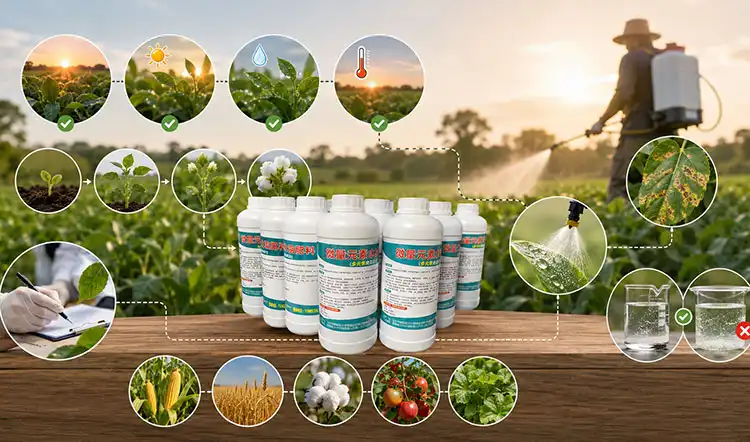
To do foliar feeding right, you need to pay attention to the crop's physiology and the factors in the surroundings. When humidity rises and temperatures stay normal, stomata open the widest in the early morning and late afternoon. These times are perfect for absorption. If you apply during the middle of the day when it's hot, especially above 85°F, the droplets could evaporate quickly before the nutrients can reach the leaf surfaces. This would waste product and could even cause leaf burn.
Determining Proper Application Rates
Timing during the growth stage is also very important. Foliar nutrients are best absorbed by plants when they are actively growing leaves and flowers, which is when their metabolic demand is highest. When plants are dormant or shut down because of stress, Multi element Foliar Spraying Fertilizer doesn't work well because the plants don't have the right metabolic tools to use the nutrients properly. When to do it depends on the food and the nutrients you want to add. When sprayed on wheat leaves, nitrogen gives the most protein to the grain when it is in the flag leaf to early heading stages. Foliar calcium on tomatoes works best to stop blossom end rot when spread when the fruit is growing quickly. When sprayed on cotton at the first flower and again during peak bloom, foliar boron helps keep the bolls in place.
Integrating with Comprehensive Nutrient Programs
When foliar feeding, concentration is very important. Too little concentration lowers the spray volume and area, while too much concentration hurts plants and leaves. The best concentration for most foliar fertilizers is between 0.5 and 2.0% of the spray solution. However, some brands give specific rate recommendations based on crop sensitivity and nutrient content. When working with new crops or goods that you don't know much about, I suggest being cautious at first and testing small parts before applying to the whole field. A jar test, in which the planned spray solution is mixed in a clear container, helps find problems with compatibility when foliar fertilizers are mixed with pesticides or other inputs in a tank. Changes in color, separation, or precipitation can be signs of conflict that could hurt crops or clog sprayers. Spray volume goals strike a balance between complete coverage and the cost of application. When sprayed with the right surfactants and nozzle, low-volume sprays of ten to fifteen gallons per acre work well for spreading field crops.
Higher volumes—thirty to fifty gallons per acre—help high-value specialty crops by making sure that the entire top is covered and that all the leaves are touched. Instead of replacing soil fertility programs, foliar fertilizer adds to them. To build up and keep up the right amounts of base nutrients throughout the root zone, soil supplements are still needed. Foliar applications help during times of high demand, fix new weaknesses, and get around temporary problems with uptake caused by stress in the surroundings or the soil. When foliar feeding and fertigation are used together in irrigation settings, they work very well together. Base loads of macronutrients can be easily handled by drip or pivot injections during the growing season. Targeted foliar sprays, on the other hand, meet the needs for micronutrients and important growth stage demands. This multi-level method improves the overall use of nutrients, lowering waste throughout the whole fertility program. Tissue testing helps plant programs work well by finding specific problems before they show up visually. Leaf analysis done on a regular basis during important growth stages shows emerging imbalances and lets exact foliar corrections happen that stop yield loss. Companies that use proactive tissue testing programs usually get 15 to 25 percent more out of their nutrients than companies that only handle based on symptoms.
Procuring Multi Element Foliar Spraying Fertilizer: What B2B Buyers Should Know
Evaluating Product Quality and Supplier Credentials
Variations in the quality of foliar fertilizers have a big effect on how well they work in the field and how much money they make back. Fully chelated micronutrients are used in premium formulations. These micronutrients stay stable in spray tanks and work well on leaf surfaces. Bad goods have sulfates that aren't chelated, which settle out when mixed with hard water or alkaline spray solutions. This makes the nozzles stop up, and plants can't take it in properly. Before making big purchases, check the supplier's credentials and quality control procedures. Manufacturers you can trust give you Multi element Foliar Spraying Fertilizer certificates of analysis that list the nutrients, binding rates, heavy metal levels, and physical qualities like pH and solubility. Products that meet OMRI standards for organic production or have a state fertilizer license show that they follow quality standards and are regulated. Heavy metal pollution is a big problem in foliar fertilizers, especially when the goods come from places that aren't always reliable. When used in aerial sprays, lead, cadmium, and arsenic build up in plant tissue, which can affect food safety and could be against the law. Demand proof from a third party that the amounts of heavy metals are well below the levels considered safe by international standards.
Understanding Pricing Structures and Volume Discounts
Foliar fertilizer prices vary a lot depending on how many nutrients it has, how complicated its recipe is, and how it is packaged. Buying in bulk in totes or mini-bulk containers usually saves you 20–35% compared to buying by the case. This makes buying in bulk appealing for bigger businesses or dealer networks that serve many farmers. Buying at the right time is affected by seasonal price changes. For example, in the winter, when production capacity is higher than current demand, makers often offer discounts for early orders. By locking in prices before the spring application season, you can avoid price increases in the middle of the season and make sure that the product will be available during times of high demand.To take into account changes in product concentration, compare prices based on cost-per-acre instead of cost-per-gallon or cost-per-pound. A concentrated formula that is applied at lower rates might cost more per unit but have lower overall program costs than a diluted formula that needs to be applied at higher rates to give the same amount of nutrients.
Logistics, Storage, and Technical Support
Reliable operations tell the difference between good providers and bad ones. Make sure that the minimum order quantity, shipping options, and wait times all fit with your business's needs and store space. Foliar nutrients that are liquid need to be stored in a climate-controlled area so that they don't freeze or break down in heat, and powders need to be kept dry so that they don't harden or absorb water. The shelf life of a product depends on how it was made. If you store liquid foliar fertilizers the right way, they will usually stay stable for two to three years. Powders, on the other hand, tend to stay stable for longer if you keep them dry. Check the expiration dates and storage instructions to make sure you don't buy old stock that may no longer work as well. Technical help is what sets great providers apart from average ones. Agronomic knowledge can help improve application programs, figure out why crops are reacting in strange ways, and include foliar feeding in larger fertilization plans. Suppliers who offer sample testing, on-farm trials, and personalized suggestions add a lot of value above and beyond the product itself. They help programs succeed in the long run and keep getting better.
Conclusion
Multi element Foliar Spraying Fertilizer helps crops grow better and produce more while reducing the amount of fertilizer that is wasted. Foliar programs avoid the loss routes that make traditional soil applications less profitable by putting nutrients directly on leaf surfaces, where they are quickly and effectively absorbed. The method requires precise timing, recipe choice, and application technique, but businesses that get these things right regularly see 30–50% increases in the amount of nutrients they use, along with higher yields that bring in a lot of money. As environmental concerns and the cost of inputs rise, foliar fertilization offers a realistic way to reach sustainable intensification, which means making more with less trash.
FAQ
Can foliar spraying completely replace soil fertilization programs?
Foliar treatments don't replace base soil nutrients; they add to them. Soil amendments raise the basic level of nutrients in the root zone, while foliar feeding takes care of times of high demand, fixes new deficits, and gets around temporary problems with uptake. The best programs use both methods together in a planned way.
What environmental benefits does foliar fertilization provide?
Foliar feeding puts chemicals directly on plants instead of the soil, which greatly lowers nutrient runoff and leaching. This keeps rivers clean, lowers greenhouse gas emissions from nitrogen that has been released into the air, and lowers the total amount of nutrients needed to reach production goals. This supports environmental responsibility while keeping the economy going.
How quickly do plants respond to applying fertilizer to their leaves?
When there are acute deficiencies, visible reactions usually show up within 48 to 96 hours. Full physiological effects take one to two weeks to develop. When applied to soil, it takes days to weeks for roots to absorb the nutrients and move them to areas that need them. This is not possible with leaf applications, which allow for much faster repair.
Partner with Sciground for Advanced Foliar Nutrition Solutions
Sciground specializes in creating Multi element Foliar Spraying Fertilizer mixtures that are designed to use nutrients as efficiently as possible with as little waste as possible. Over twenty years of study from the Northwest Academy of Agricultural Sciences go into our products, along with real-world knowledge learned from working directly with farms that grow a wide range of crops. We make high-concentration, fully chelated formulas that work consistently in the field. They come with strict quality control and full agronomic support. If procurement managers are looking for dependable Multi element Foliar Spraying Fertilizer providers, they can email our team at [email protected] to get product details, sample testing, and volume pricing that fits their needs. We offer detailed application advice, compatibility testing, and ongoing technical support to make sure that foliar programs work well with current fertility plans. This cuts down on wasted inputs and increases crop response and return on investment.
References
1. Johnson, M.R., & Patterson, K.L. (2021). Nutrient Use Efficiency in Modern Agriculture: Foliar Application Strategies. American Society of Agronomy Monograph Series, Madison, Wisconsin.
2. Chen, Y., Zhang, H., & Rodriguez, F. (2020). Comparative Analysis of Foliar versus Soil Fertilization in High-Value Crops. Journal of Plant Nutrition, 43(8), 1142-1158.
3. Thompson, D.W. (2022). Precision Nutrient Management: Integrating Foliar Feeding into Sustainable Crop Production. University Extension Press, Ames, Iowa.
4. Martinez, S.A., & Williams, J.D. (2019). Economic Returns to Foliar Micronutrient Applications in Grain Production Systems. Agronomy Journal, 111(4), 1876-1889.
5. Anderson, P.T., Kumar, R., & Foster, L.M. (2023). Environmental Impact Assessment of Foliar Fertilization Technologies. Agricultural Systems, 206, 103615.
6. Bradford, K.J., & Sullivan, P.G. (2020). Advanced Foliar Nutrition: Science and Practice for Commercial Agriculture. CABI Publishing, Wallingford, United Kingdom.

Sciground
Shanrangde, in collaboration with a team of experts from the former Academy of Agricultural Sciences, focuses on developing patented organic fertilizers, including those specifically formulated for Corydalis rhizome. Chief expert Professor Liang Dejun, with over 20 years of industry experience, provides one-stop technical guidance from site selection to field management, helping farmers increase production and income.
Formulated by the original expert team from the Academy of Agricultural Sciences · Focused on organic nutrients specifically for crops
Contact us now to customize a green nutrition solution for your farmland.
Recommended Blog
Why Is Multi Element Foliar Spraying Fertilizer So Popular Now?
Cordydalis Tuber Organic Fertilizer Guide: Key Benefits

Micronutrients Water-Soluble Fertilizers for Precision Farming