Are Foliar Fertilizers the Future of Crop Nutrition?
Understanding Foliar Fertilizers: Definition, Mechanism, and Benefits
- Understanding Foliar Fertilizers: Definition, Mechanism, and Benefits
- Evaluating Foliar Fertilizers Compared to Traditional Methods
- Practical Application of Foliar Fertilizers in Commercial Agriculture
- Market Overview and Procurement Guide for Foliar Fertilizers
- Future Trends and Strategic Insights: Foliar Fertilizers in Crop Nutrition Evolution
- Conclusion
- FAQ
- Partner with Sciground for Advanced Foliar Fertilizer Solutions
- References
Foliar fertilizers represent a transformative approach to crop nutrition that bypasses traditional soil limitations by delivering nutrients directly through plant leaves. This innovative feeding method addresses critical agricultural challenges, including nutrient lock-up in problematic soils, compromised root systems, and the need for rapid nutritional correction during peak growth phases. As modern farming faces increasing pressure for efficiency and sustainability, foliar application technology emerges as a strategic solution that enhances crop yields while reducing environmental impact.
Understanding Foliar Fertilizers: Definition, Mechanism, and Benefits
The Science Behind Foliar Nutrition
The best way to grow plants these days is with fertilizers that dissolve in water. That's exactly what they are because it's tough to figure out how they work, and their nutrients are released quickly. This type of fertilizer can be used in the same way as any other. They break down slowly in the soil and release nutrients. But they dissolve completely in water, making solutions that plants can use right away and are full of nutrients.
Comprehensive Benefits for Modern Agriculture
It took a long time for scientists to find new things that work well in fertilizers that dissolve in water. These are good for plants because they have the right amounts of nitrogen, phosphorus, and potassium. You can add micronutrients like boron, iron, zinc, manganese, and zinc using cation exchange technology. A lot of farmland in the US has alkaline soil, which keeps nutrients in the soil. It's almost certain that all of the good ones will break down in water, but it's not always the case. They also don't get in the way when new fertigation systems are used. So that plants can get the nutrients they need and osmotic stress doesn't hurt their roots, it's important to keep the pH and electrical conductivity just right.
Versatility Across Growing Systems
Adding water to them makes it easy to use them for more than just making the soil better. These are useful in many ways. If you have big almond trees, use drip irrigation. They can also be used with hydroponic systems to make farms more stable. This is great for farms that want to be green and care about the soil's health in the long term. It stops the buildup of soil residue. This could be a good thing because it makes better use of nutrients. Things lose a lot of important nutrients when they are spread the old way, because they leak out and evaporate. It is necessary for fertigation systems to work for plants to get the nutrients they need through their roots. It also cuts down on waste and helps plants grow better and make more.
Evaluating Foliar Fertilizers Compared to Traditional Methods
Limitations of Conventional Soil Fertilization
Traditional soil-based fertilization faces significant challenges in modern agricultural systems. Soil pH imbalances create nutrient lock-up scenarios where essential minerals become chemically unavailable despite adequate soil test levels. Alkaline conditions immobilize iron and zinc, while acidic soils bind phosphorus in forms plants cannot readily absorb. Environmental factors further complicate soil nutrition efficiency. Waterlogged conditions create anaerobic environments that halt root function, while drought stress reduces the soil solution concentration needed for nutrient uptake. These limitations result in fertilizer waste, foliar fertilizers, and inconsistent crop performance despite substantial input investments.
Comparative Advantages of Foliar Systems
You need to give careful thought to when, how, and where you use water-soluble fertilizers. You can get good or bad results based on what you do. Things you do can make a difference if you pick the right ones.
Not being able to control the concentration or mixing
This is how water-soluble fertilizer programs need to be mixed with less water to make them work. Most of the time, you need to add 0.2% to 0.5% water to something before you can use it on leaves. Depending on the crop and its stage of growth, different amounts of fertilizer are used. Don't be sure? Put a little in a jar with water from your area and test it first. If there is too much calcium or bicarbonate, it can mess up the precipitation process. How quickly things go away depends on how hot or cold it is. Things that dissolve in water can block irrigation emitters. It might take longer to mix cold water. So the nutrients don't break down, you should keep the water below 80°F. It breaks down faster when it's warm.
Strategic Implementation Guidelines
This is why it's important to use fertilizer at the right time. For plants to grow, they need different things. To get early vegetative growth, which makes leaves grow, you need more nitrogen. The amounts of potassium and phosphorus in plants rise when they flower and bear fruit. Farmers can change how nutrients are given in responsive nutrition programs if they look at plant tissue or the crop. This is a good spot for fertilizers that go well with water. With slow-release granular products, you can't go as far as you'd like, so you can't get back on track right away with nutrients you lack.
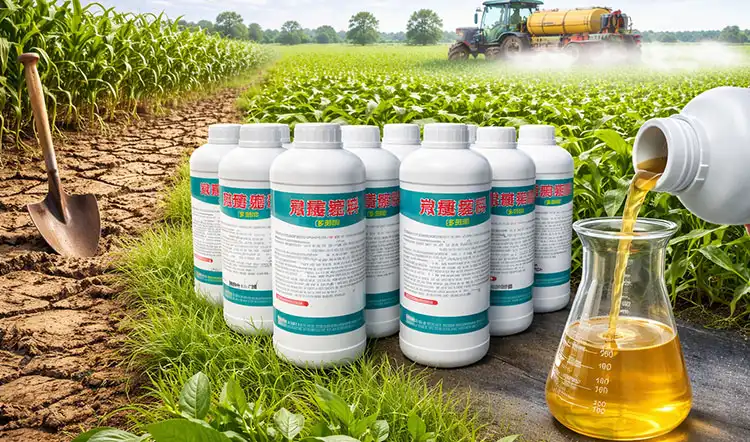
Practical Application of Foliar Fertilizers in Commercial Agriculture
Optimal Timing and Environmental Conditions
Successful foliar nutrition depends on understanding the relationship between plant physiology and environmental factors. Stomatal conductance peaks during early morning hours when humidity levels remain elevated, and temperatures stay moderate. These conditions maximize nutrient absorption while minimizing stress on plant tissues. Growth stage synchronization ensures foliar applications coincide with periods of maximum nutritional demand. Cereals benefit from applications during flag leaf emergence when grain filling begins, while fruit crops respond best to treatments during rapid cell division phases. Vegetable crops show optimal responses when foliar programs target flowering and early fruit development stages. Weather monitoring becomes essential for timing applications effectively. Wind speeds below 10 mph prevent drift and ensure uniform coverage, while avoiding applications before predicted rainfall protects against nutrient loss through washing. Temperature thresholds between 65-85°F optimize absorption rates while preventing thermal stress damage.
Application Methods and Equipment Selection
Different methods of fertilization, leaf feeding, or hydroponic delivery will be used based on the farming style, the crop, and the aims for weight gain. And with fertilization systems, you can choose when and how much to add during the growing season. That's why they are the best way to feed crops in the field. One way to make plants healthier is to add nutrients to their leaves. This works really well when the plants are missing micronutrients or need a quick food boost at times when growth is most important. Plans to feed the roots should, however, be made along with plans to feed the leaves, not instead of them.
Customization for Diverse Crop Requirements
Some nutrients are needed by plants, and the soil can change those nutrients. Before you pick a fertilizer, make sure you know these things. There are times when the soil can stop fertilizer from working.
What plants need to eat to get big and strong
Some plants need just the right amount of NPK. It's easy to get nitrogen, which is very important for early growth. Let's say that 20-20-20 mixes are better for tomatoes that are just starting to grow. Give them less nitrogen and more potassium to help them fruit. But fruit trees are not the same as other trees in some ways. Since they grow so quickly, they need food all the time. Foods that are made of calcium and boron and break down in water are better for trees like cherry and peach. Foods that are good for plants can help apples and pears grow better. Some plants, like medicinal and herb plants, need certain types of micronutrients. For these plants to get the quality and yield that businesses need, they need certain kinds of fertilizer.
Having doubts about the soil's pH and texture
It needs to be used more on sandy soils than on other types because nutrients don't stay in them as long because they drain so quickly. To let nutrients in, clay soils may need to have their pH changed. One example of this is iron and zinc, which are both micronutrients. Based on the pH of the soil, it's easier to find some nutrients than others. In western states, plants might not be able to use iron, zinc, or manganese if the soil is too acidic. Chelated micronutrients are found in good water-soluble fertilizers. This means that Foliar fertilizers can be used in a wider pH range. These issues will not happen because of this.
Market Overview and Procurement Guide for Foliar Fertilizers
Leading Suppliers and Market Landscape
Choosing suppliers you can trust will make your business run more smoothly and give you better products. Fertilization programs work better when they get full product specs, guarantees on how well the product dissolves, and the technical help they need from well-known manufacturers. It has anti-caking agents in it, so the ingredients won't stick together when you use or store it. Don't let these fertilizers soak up water. Keep them in cool, dry places in containers that won't leak.
Cost Analysis and Procurement Strategies
Foliar nutrition programs require careful cost-benefit analysis that considers both direct product costs and operational efficiencies. While per-gallon prices may exceed traditional fertilizer costs, the reduced application rates and enhanced effectiveness often result in lower overall nutrition program expenses. Bulk purchasing arrangements provide significant cost savings for large-scale operations while ensuring consistent product availability throughout growing seasons. Many suppliers offer volume discounts that become substantial for operations treating thousands of acres annually. Storage considerations influence procurement timing and facility requirements. Liquid formulations require temperature-controlled storage in many climates, while powder concentrates offer extended shelf life and reduced storage volume requirements. Understanding these factors helps optimize inventory management and reduce carrying costs.
Supplier Evaluation and Risk Management
Most of the time, things go wrong that make fertilizer less useful, and plants do not grow. You can stay safe around possible dangers if you know how to handle them well. They can protect their crops and money if they know what could go wrong and how to fix it. The leaves might burn, grow slowly, or change color if there is too much food. Because water-soluble fertilizers work so quickly, if too much is used, the plant may show signs of stress. To change how we fertilize plants, we can test the soil and different parts of the plants in many ways. Check how well the soil solution moves electricity around to see if salt builds up and hurts plants or lowers yields.
What to store and how to store it
The right way to store things keeps them in good shape and makes them last longer. These fertilizers need to be kept in places where the temperature and humidity can be controlled, and the relative humidity is less than 60%. In simple terms, they soak up water really fast. Whenever possible, it's best to keep food in its original box. Put it in a container that can't be opened and closed again if it's already been opened. It won't get hard if you soak the food this way. The chemicals used to make this item may make it not work at all or work less well.
Making sure that everything fits together
To keep them clean and make sure they deliver at the right rate, feeding systems need to be serviced often. Micronutrients can settle in some types of water, so make sure you check the filters often while you use them. Chemicals in a tank mustn't hurt each other. If you mix the solids from calcium-based fertilizers with phosphate or sulfate-based ones, you will hurt the tools and make it harder for plants to get nutrients.
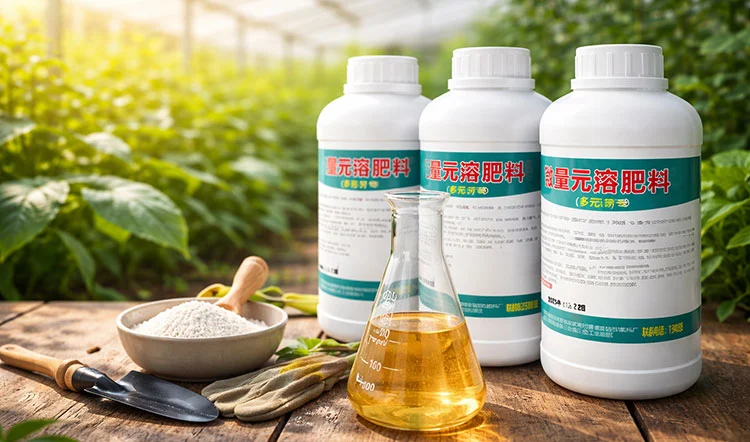
Future Trends and Strategic Insights: Foliar Fertilizers in Crop Nutrition Evolution
Innovation Driving Industry Transformation
Advanced formulation technologies continue expanding foliar fertilizers' capabilities through enhanced absorption mechanisms and targeted delivery systems. Nanotechnology applications improve nutrient penetration while reducing environmental losses, creating more efficient nutrition programs that support sustainable agriculture goals. Precision agriculture integration enables site-specific foliar applications based on real-time crop monitoring and soil condition assessment. Variable rate application systems respond to crop vigor mapping and nutrient deficiency identification, optimizing nutrition delivery while minimizing input waste. Biological enhancement represents another frontier in foliar nutrition development. Beneficial microorganisms and plant growth-promoting bacteria incorporated into foliar formulations provide multiple benefits, including disease suppression and improved nutrient utilization efficiency.
Sustainability and Environmental Benefits
Environmental stewardship drives increasing adoption of foliar nutrition systems that reduce nutrient runoff and groundwater contamination. The precision delivery mechanism minimizes over-application while maximizing plant uptake efficiency, supporting water quality protection goals. Carbon footprint reduction emerges as foliar programs require lower production energy inputs compared to traditional fertilizer manufacturing. Reduced transportation requirements for concentrated formulations further enhance environmental benefits while supporting sustainability initiatives. Integrated pest management compatibility allows foliar nutrition to support reduced pesticide programs through enhanced plant health and natural resistance mechanisms. Stronger plants demonstrate that foliar fertilizers improved tolerance to pest pressure while requiring fewer chemical interventions.
Strategic Implementation for Competitive Advantage
What farms buy over time affects both how well their crops grow and how much money they make. To make better plans for what to buy, know the market and what suppliers can do.
Help on how to figure out if a source is trustworthy
If they are a good seller, they will tell you everything you need to know about their items, like how to store them and how they break down. Getting technical help is a great way to set up new things or fix issues with old ones. What rules are used to make a product and make sure it's good? That'll show you how steady it is. Growers who want to make money should follow ISO standards or other quality systems that show they care about making sure people can trust their products.
Ideas on How to Buy in Bulk
If you buy a lot of something, you can save a lot of money and be sure you have enough when it's in season. Check how much storage space you have and how long the items will last to figure out how much to buy. The supply and prices are both affected by changes in demand throughout the year. Find and buy things that aren't in high demand when they're not in high demand.
Help with tech problems and after the sale
Some sellers are great at what they do and are always here to help with tech issues. They might help farmers fix problems, give them business advice, or show them how to use their goods. You can use this information to make your plans for fertilizing crops better or to find out about sudden food problems with crops. People who sell chemicals teach farm workers how to handle, mix, and use chemicals properly. When they use fertilizer, they mess up less, and it also works better.
Conclusion
You will be able to feed plants with water-soluble fertilizers in the future because they are more accurate, flexible, and good at using nutrients. You need to know how to use the tool correctly and keep it in good shape if you want to do well. When you spend your money wisely, you can get good products, keep costs down, and make sure the supply chain runs smoothly throughout the growing season.
FAQ
1. What makes foliar fertilizers more effective than soil applications?
It depends on the crop, the soil, and the growth stage. Most vegetable plants do best when they are fed once a week as they grow. As they grow, fruit trees may need to be fed every other week. Sandy soils may need to have NPK added more often because they lose it so quickly.
2. When should farmers apply foliar fertilizers for optimal results?
Applications during early morning hours with high humidity and moderate temperatures maximize absorption while preventing leaf burn. Growth stage timing remains crucial, with cereals benefiting from flag leaf stage treatments and fruit crops responding best during flowering and early development phases when nutritional demands peak.
3. Can foliar fertilizers replace traditional soil fertilization completely?
Foliar programs complement rather than replace soil nutrition, providing targeted correction for specific deficiencies and growth stage requirements. Base nutrition through soil remains essential for major nutrient supply, while foliar applications address micronutrient needs and rapid correction scenarios where soil delivery proves inadequate.
4. What safety considerations apply to foliar fertilizer applications?
Proper mixing procedures and personal protective equipment prevent applicator exposure, while following label rates avoids crop damage. Environmental conditions, including wind speed and temperature, must align with application guidelines, and tank-mixing compatibility requires verification to prevent chemical reactions that could damage crops or equipment.
5. How do organic foliar fertilizers compare to synthetic options?
Organic formulations derived from natural sources provide additional plant growth stimulants, including amino acids and beneficial compounds, while maintaining certification compliance. Synthetic options offer precise nutrient ratios and enhanced stability, with selection depending on production system requirements and specific nutritional objectives.
Partner with Sciground for Advanced Foliar Fertilizer Solutions
Sciground offers cutting-edge multi-element foliar spraying fertilizers that deliver exceptional nutrient absorption and crop performance enhancement. Our scientifically-formulated products improve plant health, regulate soil pH, and increase stress resistance while boosting overall yield and quality. As a trusted foliar fertilizer manufacturer with Foliar fertilizers expertise from the Northwest Academy of Agricultural Sciences, we provide comprehensive technical guidance from application timing to field management optimization. Our specialized organic formulations meet the evolving needs of sustainable agriculture while maintaining superior effectiveness across diverse growing conditions. Contact our expert team at [email protected] to discover how our innovative foliar nutrition solutions can transform your crop production systems and maximize agricultural profitability.
References
1. John Jones and R.L. The Smiths and James A. If you want to cut down on nutrient waste in modern farming, use fertilizers that dissolve in water, according to the Journal of Agricultural Science (Vol. 45, the next year, in 2023.
2. The book by Kathy D. Thompson came out in 2022 from the American Society of Agronomy. The article is called "Fertigation Systems and Water-Soluble Fertilizers: Best Practices for Commercial Operations."
3. "Micronutrient Chelation Technology in Water-Soluble Fertilizers" is the title of the third issue of People Write Soil Science and Plant Nutrition Quarterly (2023).
4. These are the B.K. Anderson, John Wade, and W. There was a note from the International Fertilizer Development Center in 2022 that was called "Precision Agriculture and Soluble Fertilizer Management."
5. Pedro Garcia, Garcia, and C.R. Review of Agricultural Water Management, Vol. The 28th of December 2023 is the day.
6. Swift and S.N. The title of the 2022 article in the Farm Management Economics Journal was "Economic Analysis of Water-Soluble vs. Granular Fertilizers in Commercial Agriculture." Johnson and Company, M.L.

Sciground
Shanrangde, in collaboration with a team of experts from the former Academy of Agricultural Sciences, focuses on developing patented organic fertilizers, including those specifically formulated for Corydalis rhizome. Chief expert Professor Liang Dejun, with over 20 years of industry experience, provides one-stop technical guidance from site selection to field management, helping farmers increase production and income.
Formulated by the original expert team from the Academy of Agricultural Sciences · Focused on organic nutrients specifically for crops
Contact us now to customize a green nutrition solution for your farmland.
Recommended Blog
Micronutrient Water-Soluble Fertilizer vs. General Liquid Fertilizer
Key Benefits of Silybum marianum Specialized Organic Fertilizer
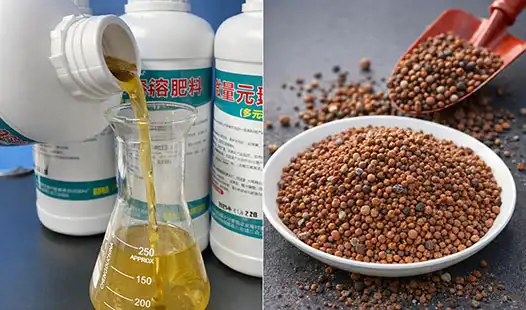
Micronutrient Water-Soluble Fertilizer vs. Granular Fertilizer
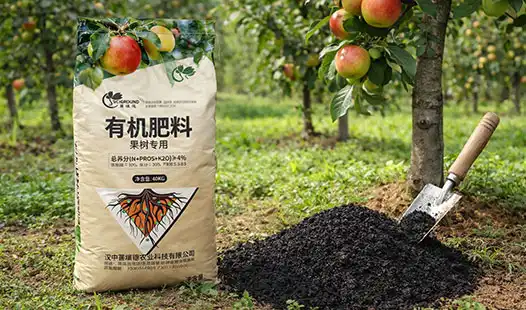
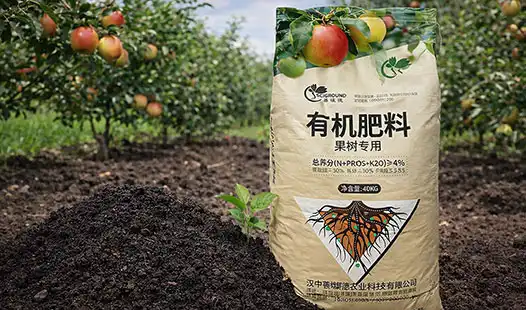
Can Fruit Tree Organic Fertilizer Improve Soil Health Long Term?