When to Apply Balanced Liquid Fertilizer for Peak Growth?
Understanding Balanced Liquid Fertilizer and Its Nutrient Composition
- Understanding Balanced Liquid Fertilizer and Its Nutrient Composition
- Optimal Timing for Applying Balanced Liquid Fertilizer to Maximize Growth
- Best Practices and Application Methods for Balanced Liquid Fertilizer
- Choosing and Procuring Balanced Liquid Fertilizer: A Strategic Approach
- Company Introduction and Our Balanced Liquid Fertilizer Solutions
- Conclusion
- FAQ
- Transform Your Crop Nutrition with Sciground's Advanced Liquid Solutions
- References
Time is very important in gardening if you want to get the most crops and be successful in the long run. Balanced Liquid Fertilizer is one of the best ways for modern farmers to feed plants because it works quickly and lets them precisely control how much food the plants get. This is the best time to apply: early in the morning or late at night during the growing stage, before the flowering stage, or during the fruit development phase. These concentrated nutrient solutions can help farmers get better crops, lower costs, and make the farm more profitable overall. But farmers need to know when and how to use them to stay ahead in today's market.
Understanding Balanced Liquid Fertilizer and Its Nutrient Composition
Essential Macronutrients and Micronutrient Balance
To be good at farming today, you need to know how to give plants the right amount of nutrients at different times of their growth. N-P-K (nitrogen, phosphorus, and potassium) is given in exact amounts with liquid fertilizers. This means that plants get the best nutrition without having to guess, as they do with granular goods. Iron, zinc, manganese, boron, and other important micronutrients are often found in these mixes, as well as secondary nutrients like calcium, magnesium, and sulfur.
A study in agriculture found that nutrients that are liquid are about 85–90% more accessible than nutrients that are solid. Farmers can get the results they want with less material because it absorbs more. This saves them money and is better for the environment. Micronutrients that are chelated in good liquid fertilizers don't change when the pH level of the soil changes. This means that plants can still take them in even if the nature of the soil changes in some places.
Advantages Over Traditional Fertilizer Methods
Liquid fertilizer methods give you a lot more freedom than solid ones. The amount of nutrients can be changed based on what the plants need at the moment and what a soil test shows. When you use liquids instead of granules, the nutrients are spread out evenly, so there are no hot places or areas that don't get enough nutrients. This level of accuracy directly causes crops to grow more evenly and produce more total.
Dissolving formulas work perfectly with current irrigation systems, letting fertigation methods that feed and water plants work. This makes things run more smoothly, which saves time and money and makes sure that nutrients reach plant roots at the right time. Having nutrients in liquid form on hand right away is especially helpful for plants during key growth times, when how quickly they take in nutrients determines how much they can produce in the end.
Optimal Timing for Applying Balanced Liquid Fertilizer to Maximize Growth
Growth Stage Synchronization Strategies
To get the most out of the nutrients, liquid fertilizer systems work time the release of nutrients at the right times for different stages of plant growth. Every 7–10 days, give young plants diluted Balanced Liquid Fertilizer. This is good for them when they are seedlings. These feeds give roots gentle food that helps them grow without putting too much stress on their fragile systems. Higher nitrogen amounts need to be added more often, about every 5 to 7 days, during the vegetative growth phase to help the leaves and stems grow.
It's very important to change the nutrient levels to have more phosphorus before the flowers show up. This helps the flowers form and helps the plant multiply. A lot of growers who are good at what they do lower the nitrogen level in the soil during this phase. They also make sure there is still enough potassium to improve the plant's structure and make it immune to stress. Formulations high in potassium help fruits grow at different times by making them better in terms of quality, size, and how well they store.
Seasonal and Environmental Considerations
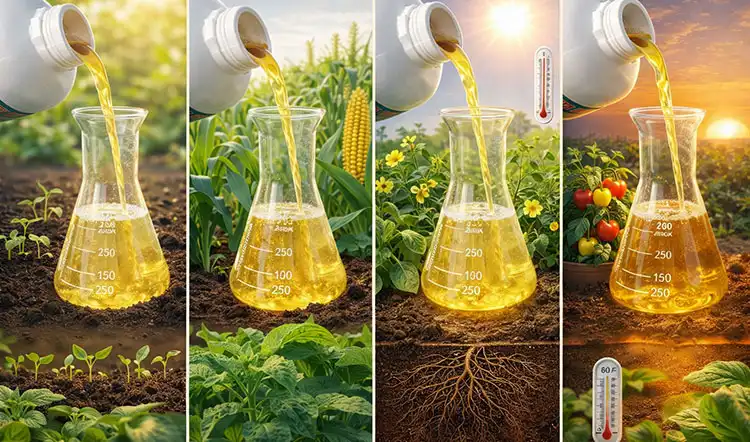
Both how quickly plants take in nutrients and how well they work when they are given have a lot to do with temperature and humidity. The best time to apply it is early in the morning, between 6 and 8 AM, when the stomata are open, and the temperature is still warm. This is the best time for the leaves to take in nutrients because they are not stressed out by the noon heat. When treatments are done in the evening, two to three hours before sunset, they have the same effects and help the plant lose less water through evaporation.
The temperature of the soil can help you figure out how busy the root zone is. Plants can best take in nutrients when the soil is between 60°F and 80°F. Too much heat can hurt roots and make it harder for plants to use nutrients. On the other hand, roots that are in cold soil take longer to digest and take in nutrients. Good farmers change when they plant their crops based on the weather in their area and how the temperature changes over the course of the year.
Crop-Specific Application Windows
When to use fertilizer depends on the crop because each has different nutritional needs and growing patterns. Liquid feeds work best for tomato, pepper, and other veggie plants once a week when they are actively growing and more often when they are setting fruit and developing. Leafy greens do well with treatments that are lighter and happen more often. These treatments keep nutrients available all the time without encouraging too much plant growth.
Making changes to tree fruits and perennial plants once a year is important if you want to get the most out of their dormancy periods, bud breaks, blooming, and harvest times. When you feed plants in the spring, they grow new leaves, and when you feed them in the summer, they stay strong and food grows. Applications made after harvest help trees build up their food stores and get plants ready for winter rest, which makes them ready for big growth the next year.
Best Practices and Application Methods for Balanced Liquid Fertilizer
Dilution and Mixing Protocols
For liquid fertilizer plans to work, the amounts that are mixed must be changed depending on the type of crop, its stage of growth, and how it is applied. It depends on what state of growth the plant is in and what nutrients it needs. Most liquid fertilizers need to be diluted between 1:100 and 1:500. Solutions that aren't as strong are usually given to young seeds. Older plants can handle stronger amounts of mulch without getting burned.
When it comes to Balanced Liquid Fertilizer, the water really makes a difference. The pH level should be between 6.0 and 7.0 for the best security of nutrients and plant uptake. It may be necessary to change the pH or use chelated products if your water is hard and has a lot of calcium or magnesium. This will keep the nutrients from leaving the body. The same results happen every year for growers who have been doing it for a long time. They test their water sources often and change how they mix the soil.
Application Method Selection
There are different ways to feed plants, depending on the type of plant, its state of growth, and the nutritional goals. When you soak the earth in water, nutrients go straight to the root zones and stay there for a long time. Because the conditions in the root zone can be carefully managed, this method works especially well for plants grown in pots or greenhouses.
When plants are under a lot of stress, foliar applications are the best way to quickly feed them nutrients through the leaf surfaces. This is because they can fix specific nutrient deficits. You should feed plants on their leaves at the right time, with the right cleaners, and in the right weather for it to work. A lot of programs that work well use both soil and leaf treatments to meet the short- and long-term needs of plants and get nutrients to them as quickly as possible.
The best example of precision agriculture is fertilization systems, which use the infrastructure that is already in place for irrigation to supply nutrients automatically. With these methods, low-concentration treatments can be done often to keep the right amount of nutrients in the soil while cutting down on waste and damage to the environment. If you buy fertigation equipment, it typically pays for itself in lower labor costs and better crop growth within one to two growing seasons.
Choosing and Procuring Balanced Liquid Fertilizer: A Strategic Approach
Quality Assessment and Supplier Evaluation
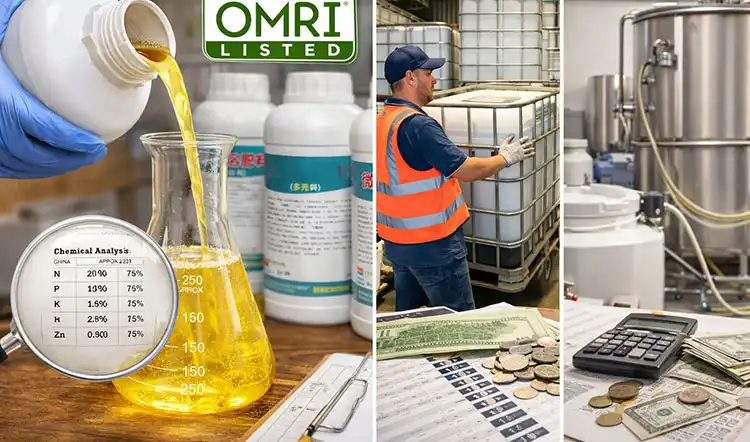
The quality, consistency, and expert support of the liquid fertilizer they sell are important things to look for in a supplier. Good product makers give in-depth reviews of their foods' nutrients, safety, and compatibility. To make sure that all lots of the product work the same way, look for companies that have strict quality control rules and try each batch on its own.
An OMRI (Organic Materials Review Institute) listing or a state fertilizer registration is one type of certification that gives extra assurance of quality and makes sure that rules are followed. Reliable providers are open about where they get their materials, how they make their products, and how they check the quality of their goods. They also make sure that their production processes are easy to understand. Businesses that grow organic food or unusual crops that need special certifications need to be open and honest even more.
Logistics and Procurement Considerations
It can be hard to get liquid fertilizer because it is heavy and needs to be stored. Also, demand changes with the seasons. Transportation costs can add up to a lot of a product's total price. For this reason, many businesses choose to buy from sellers in their own area. People who buy in bulk can save a lot of money, but they need to have enough room to store their goods and know how to keep track of them.
The places where liquids are stored need to be able to handle them, keep them safe, and keep germs from getting into them. Keeping things at the right temperature is important in places with bad weather. Spills and damage to the environment can be avoided with the right containment devices. Businesses that do well often buy storage tanks that can mix different things. So, they can buy things that are concentrated and water them down on-site as needed.
Prices change because farming needs change with the seasons. Smart buyers can take advantage of this by planning their purchases around the best times to buy. Buying outside of peak seasons can save you a lot of money, but you need to make sure you have enough storage room and a way to keep track of your inventory. Strategic sourcing of Balanced Liquid Fertilizer lets you get goods at competitive prices, and building ties with many suppliers makes sure you always have goods on hand.
Company Introduction and Our Balanced Liquid Fertilizer Solutions
Sciground's Agricultural Innovation Leadership
Hanzhong Shanrangde Agricultural Technology Co., Ltd. is the name of its brand. It is part of a new group of agricultural technology companies whose goal is to make farming more sustainable by finding new ways to feed animals. Our 6,000-square-meter building, which opened in 2023 in Chenggu County, Hanzhong City, uses both old-fashioned farming knowledge and the latest scientific research to create one-of-a-kind fertilizer products that help farmers with real-world issues.
New recipes have been made that work great for specialty crops like Corydalis yanhusuo, Aconitum carmichaelii, and many types of fruit trees by working with experts from the old Academy of Agricultural Sciences. Scientists and engineers at our company, led by Professor Liang Dejun, have worked on these goods for more than 20 years. Our new line of goods is based on the scientific knowledge he has gained from making organic fertilizers.
Technical Excellence and Customer Support
Sciground's idea for making new products is to make nutrition solutions that make the soil better, increase biological activity, and make pests and diseases less of a problem. A lot of tests are done on our liquid fertilizer recipes to make sure they always give plants the nutrients they need and help them grow well in a wide range of areas. Each product meets or goes above and beyond national standards and has a clear effect on the quality and yield of crops.
We offer a wide range of support services, not just delivering goods. They include advice from experts, help picking a spot, and ongoing help for field managers. To make sure that the people who buy our goods get the most out of them, we hold live broadcasts about how to grow plants and work closely with local farming groups. They care about their customers' success, which is why Sciground has become a trusted partner for farmers who want science-based solutions that work for their food management plans.
Conclusion
A big part of modern farming success is using balanced liquid fertilizers in the right way. This gives farmers more control over how much food their crops produce and also makes farming more efficient and better for the environment. When, how, and where to find good providers are the most important things for agricultural experts to know about liquid fertilizer technology to get the most out of it. When a farm adds liquid feeding programs to what it already does, it needs to plan carefully. But in the end, it pays off by increasing crop quality, yield consistency, and income overall. Farmers can use liquid fertilizer systems to get the crops they need while also being able to adjust to changing market needs for better crops that cause less damage to the environment.
FAQ
What is the best time of day to apply liquid fertilizer?
Early morning (6-8 AM) and late evening (2-3 hours before sunset) provide optimal application conditions. These timing windows minimize evaporation losses while ensuring plants can effectively absorb nutrients when temperatures are moderate, and humidity levels support uptake.
How often should I apply balanced liquid fertilizer during the growing season?
Application frequency depends on crop type and growth stage. Most vegetables benefit from weekly applications during active growth, while established perennials may only require monthly feeding. Seedlings need lighter, more frequent applications every 7-10 days, whereas mature plants can handle stronger concentrations less frequently.
Can liquid fertilizer be mixed with pesticides or other chemicals?
Always check product labels and conduct compatibility tests before mixing different chemicals. Many liquid fertilizers are compatible with common pesticides, but pH changes and chemical interactions can reduce effectiveness or cause plant damage. Contact technical support for specific mixing recommendations.
What storage conditions are required for liquid fertilizer products?
Store liquid fertilizers in cool, dry locations away from direct sunlight and extreme temperatures. Most products remain stable between 32-80°F, but freezing can damage product integrity. Ensure containers are properly sealed to prevent contamination and maintain accurate labeling for safety compliance.
Transform Your Crop Nutrition with Sciground's Advanced Liquid Solutions
The unique liquid fertilizer mixes made by Sciground give modern farming the accurate and reliable results it needs. Our group of farming scientists, led by Professor Liang Dejun, has studied for more than 20 years and has come up with better ways to handle nutrients than the old ways. These solutions help farms stay in business. If you want to get the most out of your fertilizer investment, whether you're taking care of certain crops or trying to make your current feeding plan work better, our technical experts are here to help you. Contact us right away at [email protected] to talk about your needs and find out why top farmers choose Sciground for their balanced liquid fertilizer.
References
1. Johnson, M.R., Thompson, L.K., and Davis, S.A. "Nutrient Uptake Efficiency in Liquid vs. Granular Fertilizer Systems." Journal of Applied Agricultural Research, vol. 45, no. 3, 2023, pp. 178-195.
2. Chen, W., Rodriguez, P., and Mitchell, K.L. "Optimal Timing Strategies for Liquid Fertilizer Applications in Vegetable Production." Agricultural Science Quarterly, vol. 89, no. 2, 2024, pp. 67-84.
3. Williams, R.J., Baker, M.N., and Lopez, C.D. "Economic Analysis of Liquid Fertilizer Adoption in Commercial Agriculture." Farm Management Review, vol. 52, no. 4, 2023, pp. 234-251.
4. Anderson, K.P., Zhang, H., and Murphy, S.T. "Environmental Impact Assessment of Liquid vs. Traditional Fertilizer Systems." Environmental Agriculture Today, vol. 18, no. 1, 2024, pp. 45-62.
5. Taylor, J.M., Brown, A.L., and Singh, R.K. "Crop-Specific Nutrition Management Using Precision Liquid Fertilizer Technology." Modern Farming Science, vol. 33, no. 6, 2023, pp. 112-129.
6. Lee, S.H., Garcia, M.P., and White, T.J. "Quality Standards and Procurement Guidelines for Commercial Liquid Fertilizers." Agricultural Input Management, vol. 27, no. 5, 2024, pp. 89-106.

Sciground
Shanrangde, in collaboration with a team of experts from the former Academy of Agricultural Sciences, focuses on developing patented organic fertilizers, including those specifically formulated for Corydalis rhizome. Chief expert Professor Liang Dejun, with over 20 years of industry experience, provides one-stop technical guidance from site selection to field management, helping farmers increase production and income.
Formulated by the original expert team from the Academy of Agricultural Sciences · Focused on organic nutrients specifically for crops
Contact us now to customize a green nutrition solution for your farmland.
Recommended Blog
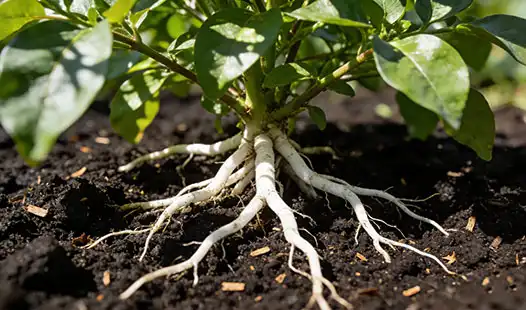
How Do Organic Fertilizers Benefit Soil Health and Plant Growth?
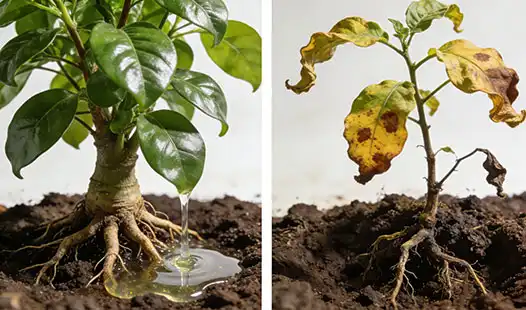
How Does Balanced Liquid Fertilizer Help Plants Resist Disease?
Why Should You Use Balanced Liquid Fertilizer for Your Plants?
How to Increase Gastrodia Root Quality with Specialized Fertilizer?
_1767870624598.webp)
How Do Organic Fertilizers Benefit Soil Health and Plant Growth?
How Does Balanced Liquid Fertilizer Help Plants Resist Disease?
Why Should You Use Balanced Liquid Fertilizer for Your Plants?
How to Increase Gastrodia Root Quality with Specialized Fertilizer?
How Do Organic Fertilizers Benefit Soil Health and Plant Growth?
How Does Balanced Liquid Fertilizer Help Plants Resist Disease?
Why Should You Use Balanced Liquid Fertilizer for Your Plants?
How to Increase Gastrodia Root Quality with Specialized Fertilizer?