Can Multi Element Foliar Spraying Correct Micronutrient Deficiencies?
Understanding Micronutrient Deficiencies in Crops
- Understanding Micronutrient Deficiencies in Crops
- Multi Element Foliar Spraying Fertilizer: Principles and Benefits
- Applying Multi Element Foliar Spraying Fertilizer in Crop Management
- Comparing Multi Element Foliar Spraying Fertilizer with Other Fertilization Methods
- Procurement Guide and How to Source Multi Element Foliar Spraying Fertilizers
- Conclusion
- FAQ
- Partner with Sciground for Superior Multi Element Foliar Spraying Fertilizer Solutions
- References
Multi Element Foliar Spraying Fertilizer can help plants that are lacking in micronutrients. This advanced way of fertilization sends important nutrients straight to plants through their leaves, skipping any problems that might come up with absorption in the soil. When you put nutrients on the leaves, they can be used right away. But when you treat the soil regularly, the pH can change, or nutrients can get locked out. Plants can start to take in zinc, iron, manganese, and other important metals just hours after they are put on them because the process is so fast. It's possible to handle big gaps at important points in growth this way.
Understanding Micronutrient Deficiencies in Crops
Micronutrient deficits affect millions of acres around the world and are one of agriculture's biggest problems. Even though plants only need small amounts of these critical elements, they are very important for enzyme activation, plant metabolism, and crop growth as a whole. It costs billions of dollars every year, and crop yields drop by 10 to 50 percent, based on how bad it is and what kind of crop it is.
Common Micronutrient Deficiencies and Their Symptoms
Agricultural experts often see a lack of certain micronutrients in a variety of cropping systems. Interveinal chlorosis is a sign of iron shortage that shows up in younger leaves as clear yellow stripes where the veins are still green. Zinc shortage shows up as slow growth, shorter internodes, and older leaves turning brown. Interveinal chlorosis is also caused by a lack of manganese, but it starts on older leaves and moves up the plant.
Boron shortage causes plants to grow in strange ways, with brittle stems and few fruits. This is especially bad for fruit trees and tomatoes. Copper shortage causes plants to wilt even when the soil is moist enough, and the leaves turn a unique blue-green color. These signs look very different on different types of crops. For example, corn has very different signs from fruit trees or soybeans.
Root Causes of Micronutrient Deficiencies
Micronutrient availability is strongly affected by the conditions of the soil, with pH levels being the main cause. Soils that are too alkaline (above pH 7.5) often lock iron, zinc, and manganese into forms that plants can't use. Soils that are too acidic (below pH 5.5) can make plants lack copper and boron. Too much phosphorus can lead to zinc deficits through chemical reactions in the soil solution.
Environmental factors make these problems a lot worse. When the soil is too wet, it changes the chemistry and makes some elements unusable. When the soil is too dry, it makes it harder for nutrients to move around. Roots and plants can't take in as many nutrients when it's cold, so there may be short-term deficits even if the soil levels look fine. Understanding these complicated interactions helps managers of farms come up with focused ways to help.
Multi Element Foliar Spraying Fertilizer: Principles and Benefits
Foliar nutrition is a completely new way to manage plant nutrients because it delivers important substances straight to plant tissues, where they're needed most. This method completely gets around the limitations of the soil and gives plants instant access to nutrients through the stomata and cuticle of the leaves.
Scientific Principles Behind Foliar Absorption
Plants have an amazing ability to take in nutrients through their leaves. They do this by using special cell processes that have evolved. When nutrient solutions enter through leaf holes during gas exchange processes, this is called stomatal uptake. Nutrients get into the cuticle by going through the waxy surfaces of the leaves. Some formulation ingredients help the solution spread out and get deeper into the leaf.
The rate of absorption depends on the surroundings, the time of application, and the properties of the formulation. When applied in the morning, when stomata are still open, and humidity levels are high, leaves stay wet for longer amounts of time. Temperature affects how fast things are absorbed, and the best settings for uptake are between 65°F and 75°F.
Key Benefits for Agricultural Operations
Modern Multi Element Foliar Spraying Fertilizer formulations have tremendous benefits for business farms that need effective ways to handle nutrients. These benefits go beyond just fixing deficiencies; they also include better crop performance that has a direct effect on profits.
Rapid response times are the biggest benefit, and changes can usually be seen within 24 to 48 hours of application. This speed is very helpful for fixing serious problems at crucial times for growth, like when flowers or fruits are developing. It can take weeks for traditional soil applications to work, and they often miss important developmental moments.
When application rates are lowered and nutrients are better used, cost savings arise. Foliar applications usually need 10–20% of the rates used for soil applications, but get the same or better benefits. In turn, this effectiveness means less money spent on transportation, storage, and application work.
Enhanced Crop Performance and Stress Resistance
Multielement Foliar Spraying Fertilizer applications strengthen the physiological processes of plants, making them better able to handle stress and fight disease. Better enzyme activity and chlorophyll formation lead to higher photosynthetic efficiency. Regular foliar nutrition makes plants more resistant to drought, better able to handle hot stress, and more resistant to cold.
Plant cell walls that are stronger and defense systems that work better make plants less likely to get diseases. Having the right amount of micronutrients helps plants' natural defenses work better, which lowers the need for fungicides and improves the results of integrated pest control. Over several growing seasons, these benefits add up to make crop systems healthier and more durable.
Applying Multi Element Foliar Spraying Fertilizer in Crop Management
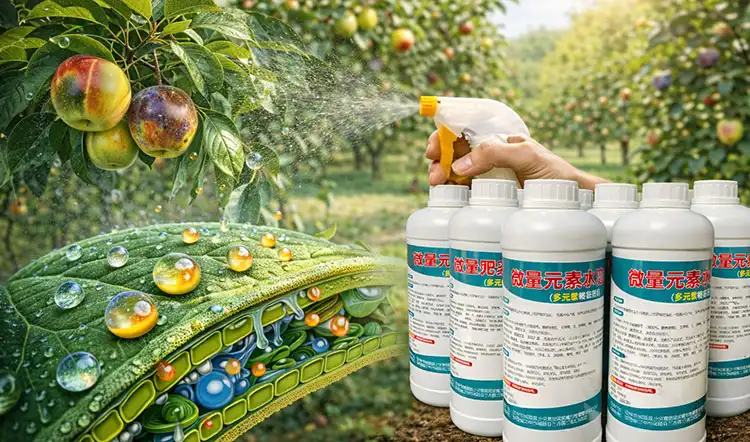
Foliar nutrition plans that work need to pay close attention to when they are applied, the weather, and the needs of each crop. Knowing about these things helps plants get the most nutrients while avoiding problems that could cause phytotoxicity.
Optimal Application Timing and Techniques
When foliar fertilizer is applied has a big effect on how well it works, with some growth stages being better for absorption. Applications made in the early morning, between 6 and 10 AM, usually work best because the plants' stomata are open, the temperature is reasonable, and there isn't much wind. Evening applications can work well, but there is a chance that the leaves will stay wet for longer periods, which could help diseases grow.
Considerations for each crop type's growth stage are different, but they usually center on times when nutrients are most needed. Before the flowers bloom, treatments help the flowers grow and the fruit set, and after the flowers open, treatments improve the size and quality of the fruit. Plants can fix nutrient deficiencies and build up their nutrient reserves during times of vegetative growth.
The weather is very important to the success of the application. Do not use treatments when the wind speed is over 10 mph, the temperature is over 85°F, or rain is expected in the next 4 to 6 hours. The best conditions for absorption are found between 60 and 80% relative humidity. This is also the lowest level of water loss.
Crop-Specific Application Strategies
To get the most out of foliar nutrition for each crop while still taking into account its unique physiological traits and growth patterns, different methods are needed.
Foliar treatments work well on corn during the V6–V10 growth stages, when the plant needs a lot of nutrients, and its roots may not be able to meet those needs. Applications should go after new leaves while avoiding times when silk starts to appear, which could mess up the mating process.
Tomato plants do better when they are fed regularly on the leaves throughout the growing season. During fruit growth, calcium and micronutrients are especially important. Multiple light applications work better than a single heavy spray, lowering the risk of phytotoxicity while keeping nutrition levels stable.
Fruit trees need seasonal plans that are in sync with how they grow. Applications made before flowers bloom help flowers look good and fruit set, and applications made after harvest help plants store nutrients for the next growing season.
The amount of application must take into account changes in canopy size and leaf density.
Safety Protocols and Environmental Compliance
Foliar fertilizer application that is done responsibly must follow set safety rules that protect both the people applying the fertilizer and the environment. Personal protective equipment, like gloves that can handle chemicals, eye protection, and the right clothes, keeps you from coming into direct contact with them or breathing them in.
As a responsible citizen of the earth, you need to pay close attention to the amounts you use, when you use them, and the weather. Around water sources, sensitive crops, and living areas, buffer zones keep non-target organisms safe and lower the chance of drift. When calibration is done correctly, exact application rates are achieved while environmental loading is kept to a minimum.
Comparing Multi Element Foliar Spraying Fertilizer with Other Fertilization Methods
Agricultural professionals can make better choices about nutrient management strategies when they know the relative benefits of different fertilization methods. Each method has its own benefits that depend on the needs of the business and the growing conditions.
Foliar vs. Soil Fertilization Analysis
Soil fertilization is still the basis of most crop feeding programs because it places nutrients in the root zone so they are available for a long time. But soil uses have a lot of problems, such as pH-related lockup, leaching losses, and slow response times during key growth times. Multi element Foliar Spraying Fertilizer can complement this approach.
Foliar applications are fast and effective, but they can't take the place of soil fertilization for major nutrition needs. The combination technique takes the best parts of both approaches and works around their flaws. Soil applications set the base level of nutrition, while foliar treatments fine-tune the level of nutrients and fix particular deficiencies.
Because they are cheaper, foliar applications are better for fixing micronutrient deficiencies than soil means for meeting macronutrient needs. Foliar products have lower transportation and storage costs because they are concentrated and need to be applied less often.
Organic vs. Synthetic Formulations
Sustainable fertilization choices that balance productivity with environmental responsibility are becoming more and more important in modern farming. Organic foliar fertilizers that come from natural sources are good for the environment and work well to give nutrients to plants.
Synthetic formulations have exact amounts of nutrients and can be used right away, but they might not have the extra organic compounds that natural goods do. These chemicals often make it easier for the body to absorb nutrients and give it growth-promoting substances in addition to basic nutrients.
Whether to use organic or synthetic options relies on the crop's needs, the cost, and the requirements for certification. A lot of businesses are able to do well by using both methods at the same time. They use organic products for basic nutrition and synthetic formulations for quickly fixing deficiencies.

Procurement Guide and How to Source Multi Element Foliar Spraying Fertilizers
To buy foliar fertilizers successfully, you need to know about the product specifications, the supplier's skills, and the logistics. Large-scale farming businesses can benefit from building relationships with dependable suppliers who can provide consistent product quality and technical support.
Supplier Selection and Quality Considerations
Reputable suppliers show they care about product quality by using standard production methods, quality control systems, and following the rules set by the government. Look for providers that offer full technical support, such as help with applications, troubleshooting, and agronomic issues.
Different areas have different certification standards, but in general, you need to register with the right agricultural authorities and follow labeling rules to get certified. International providers should show that they know the rules for importing and exporting and provide the paperwork needed to clear customs.
When you're doing a lot of work that needs consistent results across many apps, product consistency is very important. Suppliers should back up their quality claims with thorough product specifications, analysis certificates, and data on how consistent batches are with each other.
Cost Analysis and Procurement Strategies
A good cost analysis looks at more than just the original purchase price. It also looks at application costs, storage needs, and performance results. To properly compare different products and suppliers, figure out the costs per treated acre instead of per unit bought.
Large operations can often save a lot of money by buying in bulk, and this also makes sure that products are available during important application times. Seasonal contracts can lock in good prices and make sure there is a supply during times of high demand.
The total cost of purchase must include the cost of storage and handling. For example, liquid formulations may need to be stored at a certain temperature, while powder formulations need to be kept dry. When looking at different product choices, keep these infrastructure needs in mind.
Conclusion
Multi Element Foliar Spraying Fertilizer is a tried-and-true way to fix micronutrient deficiencies and improve crop growth overall. Foliar feeding is an important part of modern farming because plants take in nutrients quickly, which makes farming more efficient, and it doesn't cost much. Success depends on when the treatment is applied, what kind of product is used, and how well it works with other fertility programs. During the growing season, agricultural workers can get the best goods, technical support, and reliable service from suppliers with a lot of experience.
FAQ
What micronutrients are typically included in foliar spray fertilizers?
Most comprehensive foliar fertilizers contain iron, zinc, manganese, copper, boron, and molybdenum in chelated or readily available forms. Premium formulations also include calcium, magnesium, and sulfur to address multiple nutritional needs simultaneously. The specific concentration varies based on crop requirements and regional deficiency patterns.
How quickly can foliar applications correct micronutrient deficiencies?
Visible improvements typically appear within 24-72 hours of application, with full correction occurring over 1-2 weeks, depending on deficiency severity. This rapid response significantly outpaces soil applications, which may require 2-4 weeks to show comparable results due to root absorption limitations.
When is the best time to apply foliar fertilizers during the day?
Early morning applications between 6-10 AM provide optimal conditions with open stomata, moderate temperatures, and minimal wind. Evening applications work but may increase disease pressure due to extended leaf wetness. Avoid midday applications when high temperatures and closed stomata reduce absorption efficiency.
Can foliar fertilizers replace soil fertilization programs?
Foliar applications effectively supplement but cannot completely replace soil fertilization for major nutrients. They excel at micronutrient delivery and rapid deficiency correction, while soil applications provide a long-term nutritional foundation. The most successful programs combine both approaches strategically.
What factors affect foliar fertilizer absorption rates?
Environmental conditions, including temperature, humidity, and wind speed, significantly influence absorption. Plant factors such as leaf age, surface characteristics, and growth stage also matter. Formulation aspects like pH, surfactants, and nutrient forms determine penetration effectiveness and overall uptake efficiency.
How do I calculate the correct application rate for different crops?
Application rates vary by crop type, growth stage, and specific nutrient requirements. Most products provide detailed rate charts based on these factors. Start with manufacturer recommendations and adjust based on plant response, soil test results, and local growing conditions. Technical support from suppliers helps optimize rates for specific situations.
Partner with Sciground for Superior Multi Element Foliar Spraying Fertilizer Solutions
Sciground is one of the best companies that makes Multi-Element Foliar Spraying Fertilizer because it uses cutting-edge farming technology and tried-and-true field performance. Our special mixtures make up for missing micronutrients and boost crop yields and stress resistance in a wide range of farming methods.
With over 20 years of study experience and support from the Northwest Academy of Agricultural Sciences, we offer solutions backed by science that meet the needs of modern farming. Our Multi Element Foliar Spraying Fertilizer combines high-quality nutrients with advanced absorption technology to make sure plants absorb it quickly and see effects within days of application.
Get in touch with our expert team at [email protected] to discuss the specific nutrition needs of your crops and learn how our foliar fertilizer solutions can help you run your farm more efficiently while also saving you money and protecting the environment.
References
1. Fernández, V., & Brown, P. H. (2013). From plant surface to plant metabolism: the uncertain fate of foliar-applied nutrients. Frontiers in Plant Science, 4, 289.
2. Oosterhuis, D. M., & Weir, B. L. (2010). Foliar fertilization of cotton. University of Arkansas Division of Agriculture Research and Extension.
3. Kannan, S. (2010). Foliar fertilization for sustainable crop production. Sustainable Agriculture Reviews, 4, 371-402.
4. Marschner, H., & Marschner, P. (2012). Marschner's mineral nutrition of higher plants. Academic Press.
5. Shabala, S., & Hariadi, Y. (2005). Effects of magnesium availability on the activity of plasma membrane ion transporters and light-induced responses from broad bean leaf mesophyll. Planta, 221(1), 56-65.
6. Romheld, V., & El-Fouly, M. M. (1999). Foliar nutrient application: challenge and limits in crop production. Proceedings of the 2nd International Workshop on Foliar Fertilization, 1-34.

Sciground
Shanrangde, in collaboration with a team of experts from the former Academy of Agricultural Sciences, focuses on developing patented organic fertilizers, including those specifically formulated for Corydalis rhizome. Chief expert Professor Liang Dejun, with over 20 years of industry experience, provides one-stop technical guidance from site selection to field management, helping farmers increase production and income.
Formulated by the original expert team from the Academy of Agricultural Sciences · Focused on organic nutrients specifically for crops
Contact us now to customize a green nutrition solution for your farmland.
Recommended Blog
Why Should You Use Balanced Liquid Fertilizer for Your Plants?

How to Increase Gastrodia Root Quality with Specialized Fertilizer?
_1767870624598.webp)