What Is the Difference Between Organic and Synthetic Fertilizers?
Composition and Nutrient Source Differences
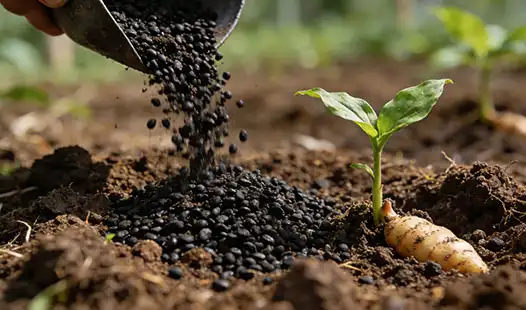
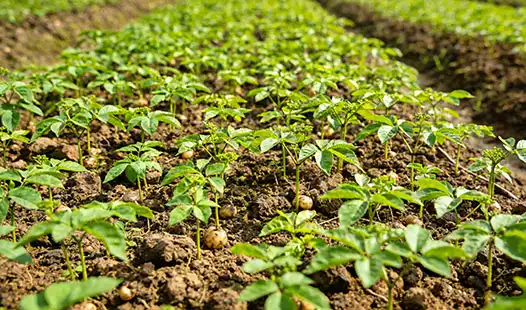
Understanding the difference between organic and synthetic fertilizers helps farmers make informed decisions for their crops and soil health. Organic fertilizers derive from natural sources like compost, manure, and decomposed organic matter, releasing nutrients slowly while improving soil structure and microbial activity. Synthetic fertilizers contain chemically manufactured nutrients that provide immediate plant nutrition but lack the soil-building properties of their natural counterparts. The choice between these fertilizer types affects crop yield, soil fertility, environmental impact, and long-term agricultural sustainability.
Composition and Nutrient Source Differences
Organic fertilizers contain naturally derived nutrients from decomposed plant materials, animal waste, and biological sources. These natural fertilizers provide essential macronutrients alongside beneficial microorganisms, organic matter, and trace minerals. Research shows that organic amendments typically contain 2-5% nitrogen, compared to synthetic fertilizers with concentrations reaching 20-30%.
The nutrient release pattern creates the primary distinction between these fertilizer types. Natural fertilizers release nutrients gradually through microbial decomposition, ensuring steady plant nutrition over extended periods. This slow-release mechanism reduces nutrient loss through leaching and provides sustained crop growth support.
Synthetic fertilizers deliver concentrated nutrients in readily available forms. Manufacturing processes create precise nutrient ratios, allowing farmers to address specific deficiencies quickly. However, this immediate availability can lead to nutrient runoff and soil acidification when applied excessively.
Three core composition differences:
- Nutrient concentration levels vary significantly between types
- Release mechanisms differ between biological and chemical processes
- Additional soil benefits accompany organic sources exclusively
If you need immediate nutrient correction for deficient soils, synthetic options provide faster results. If you prioritize long-term soil health and sustainable agriculture practices, organic alternatives offer superior benefits.
Impact on Soil Health and Structure
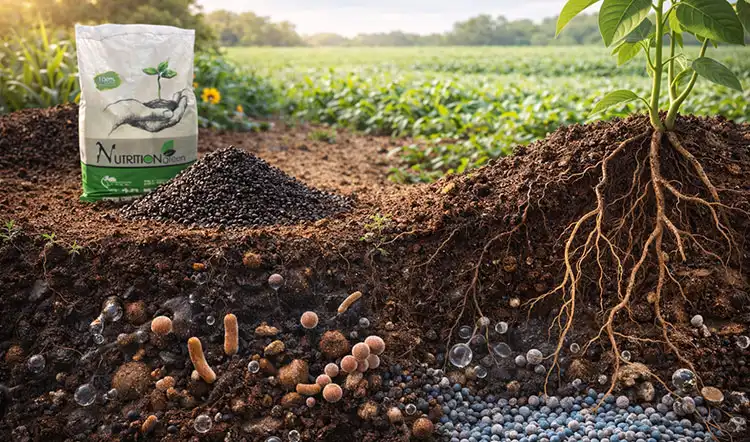
Soil amendment capabilities distinguish organic fertilizers from synthetic alternatives substantially. Organic matter additions improve soil aggregation, creating better drainage and water retention simultaneously. Studies demonstrate that regular organic fertilizer applications increase soil organic carbon by 15-25% over five growing seasons.
Microbial activity flourishes under organic fertilizer management systems. Beneficial bacteria and fungi populations expand significantly, enhancing nutrient cycling and disease suppression naturally. These microorganisms form symbiotic relationships with plant roots, improving nutrient uptake efficiency and plant resilience.
Soil compaction reduction represents another advantage of natural fertilizers. Organic matter creates space between soil particles, allowing root penetration and air circulation. This improved soil structure supports healthy root development and enhances water infiltration rates.
Key soil health improvements include:
- Enhanced water-holding capacity increases drought tolerance
- Improved soil aggregation reduces erosion potential
- Increased beneficial microorganism populations
- Better nutrient retention prevents environmental contamination
- Reduced soil compaction supports root growth
Synthetic fertilizers provide nutrients without contributing to soil structure improvements. Regular synthetic fertilizer use can gradually degrade soil organic matter levels, requiring increased applications over time to maintain crop productivity.
If you need to rebuild depleted soils or prevent erosion issues, organic fertilizers deliver comprehensive soil improvement benefits.
Environmental Impact and Sustainability
Environmental considerations increasingly influence fertilizer selection decisions among conscious farmers and ranchers. Organic fertilizers support sustainable agriculture by recycling natural materials and reducing waste streams. Composting livestock manure and crop residues creates valuable soil amendments while managing farm waste effectively.
Carbon footprint differences between fertilizer types reflect production and transportation requirements. Manufacturing synthetic fertilizers requires significant energy inputs, contributing to greenhouse gas emissions. Conversely, producing organic fertilizers often utilizes local waste materials, reducing transportation costs and environmental impact.
Water quality protection benefits emerge from organic fertilizer applications. Slow nutrient release reduces contamination risks to groundwater and surface water bodies. Excessive synthetic fertilizer use contributes to algae blooms and water pollution through rapid nutrient runoff during rainfall events.
Environmental impact comparison:
- Manufacturing energy requirements differ substantially
- Water pollution potential varies significantly
- Soil carbon sequestration capabilities differ markedly
- Biodiversity support levels contrast considerably
Biodiversity enhancement occurs naturally with organic fertilizer systems. Diverse soil organisms thrive in organically managed soils, supporting ecosystem health and natural pest control mechanisms. This biological diversity creates resilient agricultural systems requiring fewer external inputs over time.
If you need to meet organic certification requirements or prioritize environmental stewardship, organic fertilizers align with sustainable farming practices effectively.
Cost Analysis and Economic Considerations
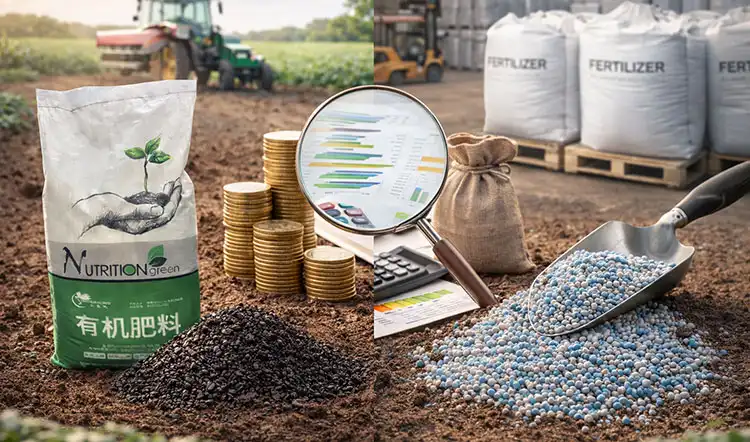
Economic factors influence fertilizer choice decisions significantly among agricultural producers. Initial costs for organic fertilizers often exceed synthetic alternatives when calculated per unit of available nutrients. However, comprehensive economic analysis requires considering long-term benefits and reduced input needs over multiple growing seasons.
Application rates differ substantially between fertilizer types, affecting total usage costs. Organic fertilizers require larger volume applications due to lower nutrient concentrations, potentially increasing labor and transportation expenses. Synthetic fertilizers deliver concentrated nutrition in smaller packages, reducing handling costs initially.
Cost factor analysis reveals:
- Purchase price per nutrient unit varies considerably
- Application labor requirements differ significantly
- Long-term soil improvement reduces future input needs
- Crop quality improvements may command premium prices
- Reducing the use of synthetic pesticides needs lower overall production costs
Market premiums for organically produced crops often offset higher fertilizer costs substantially. Consumer demand for sustainably grown produce continues to expand, creating profitable opportunities for organic farming operations. Additionally, improved soil health reduces dependency on costly soil amendments over time.
Storage and handling considerations affect operational efficiency and costs. Organic fertilizers typically require dry storage conditions and may have shorter shelf lives compared to synthetic alternatives. Planning storage capacity and application timing becomes crucial for managing organic fertilizer programs successfully.
If you need to maximize short-term profitability with minimal upfront investment, synthetic fertilizers provide immediate economic advantages. If you can invest in long-term soil building for sustained profitability, organic fertilizers offer superior economic returns over time.
Application Methods and Timing Strategies
Application techniques vary considerably between organic and synthetic fertilizers due to physical properties and nutrient release characteristics. Organic fertilizers benefit from incorporation into soil through tillage or cultivation practices, maximizing contact between organic matter and soil particles. This integration promotes faster decomposition and nutrient availability.
Timing strategies require different approaches for optimal results with each fertilizer type. Natural fertilizers perform best when applied several weeks before planting, allowing decomposition processes to begin before crop nutrient demands peak. This advanced application ensures adequate nutrient availability during critical growth periods.
Application best practices include:
- Soil testing determines appropriate application rates accurately
- Weather conditions affect application timing and effectiveness
- Equipment modifications may enhance distribution uniformity
- Incorporation depth influences nutrient release patterns
- Moisture management affects decomposition rates significantly
Synthetic fertilizers offer greater application flexibility with immediate nutrient availability. Side-dress applications during the growing season provide precise nutrition timing to match crop demands. This flexibility allows responsive management based on plant tissue testing and visual observations.
Equipment considerations affect application efficiency and uniformity. Organic fertilizers may require specialized spreaders designed for bulky materials, while synthetic fertilizers work with standard application equipment. Calibration becomes crucial for achieving target application rates consistently.
If you need precise nutrient timing control throughout the growing season, synthetic fertilizers provide superior management flexibility. If you prefer simplified application schedules with comprehensive soil benefits, organic fertilizers deliver excellent results with proper timing.
Conclusion
The choice between organic and synthetic fertilizers depends on specific farming objectives, economic considerations, and environmental priorities. Organic fertilizers excel in building long-term soil health, supporting sustainable agriculture, and providing comprehensive plant nutrition through natural processes. Synthetic fertilizers offer immediate nutrient availability and application flexibility for addressing acute deficiencies quickly. Successful farmers often integrate both approaches strategically, using organic amendments for soil building while supplementing with targeted synthetic applications when necessary. Understanding these differences empowers agricultural producers to make informed decisions that balance productivity, profitability, and environmental stewardship effectively.
Ready to Transform Your Farm with Premium Organic Fertilizer Solutions?
Sciground stands as your trusted organic fertilizer manufacturer, combining decades of agricultural research expertise with innovative production capabilities. Our specialized formulations deliver proven results for farmers seeking sustainable productivity improvements and soil health restoration. Contact our expert team at [email protected] to discover customized organic fertilizer solutions that match your specific crop requirements and growing conditions perfectly.
References
1. Brady, Nyle C., and Ray R. Weil. "The Nature and Properties of Soils." 15th Edition. Pearson Education, 2016.
2. Havlin, John L., Samuel L. Tisdale, Werner L. Nelson, and James D. Beaton. "Soil Fertility and Fertilizers: An Introduction to Nutrient Management." 8th Edition. Pearson, 2013.
3. Magdoff, Fred, and Harold van Es. "Building Soils for Better Crops: Sustainable Soil Management." 3rd Edition. Sustainable Agriculture Research and Education, 2009.
4. Cooperband, Leslie. "The Art and Science of Composting: A Resource for Farmers and Compost Producers." University of Wisconsin-Madison Center for Integrated Agricultural Systems, 2002.
5. Gaskell, Mark, and Richard Smith. "Nitrogen Sources for Organic Vegetable Crops." HortTechnology, Vol. 17, No. 4, American Society for Horticultural Science, 2007.
6. Zaccara, Stefania, et al. "Organic vs. Conventional Farming: Differences in Fertilization and Crop Protection Practices." Journal of Cleaner Production, Elsevier, 2021.

Sciground
Shanrangde, in collaboration with a team of experts from the former Academy of Agricultural Sciences, focuses on developing patented organic fertilizers, including those specifically formulated for Corydalis rhizome. Chief expert Professor Liang Dejun, with over 20 years of industry experience, provides one-stop technical guidance from site selection to field management, helping farmers increase production and income.
Formulated by the original expert team from the Academy of Agricultural Sciences · Focused on organic nutrients specifically for crops
Contact us now to customize a green nutrition solution for your farmland.
Recommended Blog
How Does Balanced Liquid Fertilizer Help Plants Resist Disease?

Why Should You Use Balanced Liquid Fertilizer for Your Plants?

How to Increase Gastrodia Root Quality with Specialized Fertilizer?
_1767870624598.webp)