Best Organic Fertilizer Types for Garden & Farm Growth
Understanding Organic Fertilizer: Composition and Benefits
- Understanding Organic Fertilizer: Composition and Benefits
- Top Organic Fertilizer Types for Garden and Farm Growth
- How to Choose the Best Organic Fertilizer for Your Garden and Farm
- Best Practices for Application and Maintenance of Organic Fertilizers
- Procurement Guidance: Finding Trusted Organic Fertilizer Suppliers
- Conclusion
- FAQ
- Partner with Sciground for Premium Organic Fertilizer Solutions
- References
To get the most out of crop outputs and soil health, it's important to know the differences between the different types of organic fertilizer that can be used in farming. Decomposed organic matter, important minerals, and helpful bacteria that support long-term farming output are some of the natural ingredients that make up organic fertilizer recipes. These bio-based methods release nutrients consistently, improve soil structure, and help keep the ecosystem in balance in a wide range of farming settings. Modern organic fertilizers use advanced fermentation methods and scientific formulas that combine old-fashioned farming methods with modern farming technology. This makes them more valuable for large farms looking for long-term growth solutions.
Understanding Organic Fertilizer: Composition and Benefits
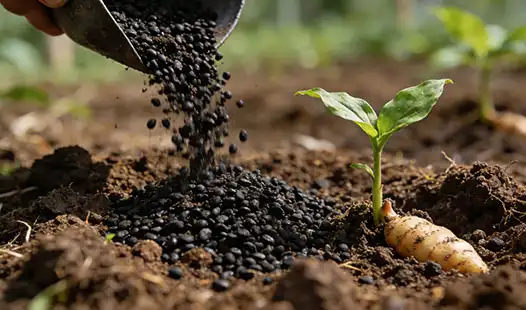
Modern organic fertilizers are a complex mix of natural ingredients that are meant to increase crop yields through biological processes. These mixtures usually have a lot of organic matter, natural humic acid that dissolves in water, and plant-based humic substances that work together to make the soil better. Adding highly active trace minerals and helpful bacteria makes a complete feeding system that helps plants grow in the best way possible at all stages of their life.
Core Components of Quality Organic Fertilizers
More advanced forms of organic fertilizer contain many helpful ingredients that set them apart from chemical-based options. The organic matter gives nutrients to plants over time, and humic acids help plants take in nutrients more efficiently and keep water in the soil. Premium versions contain beneficial bacteria that actively improve the microbial environments in the soil. This makes conditions that naturally kill dangerous pathogens while improving plant health. The trace mineral content makes up for certain nutritional deficits that often hurt the quality and output potential of crops. These minerals are accessible for longer than manufactured ones, so plants can get the energy they need over longer lengths of time. When these things come together, they create soil conditions that help roots grow strongly, and plants become more resilient.
Environmental Advantages and Soil Health Improvement
Organic fertilizers are a good way to fix problems with compacted soil while reducing the bad effects of using too much chemical fertilizer. The natural parts help the earth to clump together, which makes it better at holding water and stopping it from escaping during droughts. This better soil structure keeps the temperature and wetness levels steady, which lets plants grow well even in harsh circumstances. When organic fertilizer is applied, it creates biological activity that greatly increases the variety and quantity of soil microbes. This increased microbe activity sets off natural disease-fighting systems that keep soil-borne pathogens from hurting crop health. As a result, the Earth's environment becomes stronger and more self-sufficient, relying less on outside help while still being able to produce goods.
Top Organic Fertilizer Types for Garden and Farm Growth
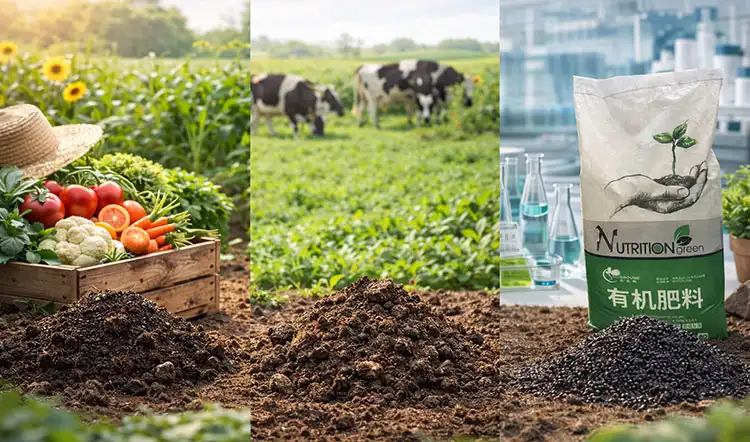
Agricultural professionals have access to diverse organic fertilizer categories, each offering specific advantages for different crop types and growing conditions. Understanding these distinctions enables informed decisions that align fertilizer selection with operational goals and crop requirements.
Compost-Based Fertilizers
Compost-based products provide balanced nutrition by using controlled fermentation processes to break down organic materials. These goods do a great job of increasing the amount of organic matter in the soil and releasing nutrients steadily throughout the growth season. Quality compost has a lot of different kinds of microbes that make the soil more biologically active and good for root growth. Compost fertilizers sold in stores usually contain certain types of organic garbage that are best for use in agriculture. The controlled composting process gets rid of germs that are bad for plants while keeping microorganisms that are good for plants. These formulas work especially well for veggie crops and other specialty crops that need to have a regular nutrition supply.
Manure-Based Products
Manure fertilizers that have been properly handled have a high nutrient density and add a lot of organic matter to the soil. With today's handling methods, pathogens are killed while positive traits that improve soil structure and nutrients are kept. These goods usually have a lot of nitrogen in them, along with phosphorus and potassium in amounts that meet the needs of different crops. Animal and chicken dung are the main ingredients used to make commercial organic fertilizers. These materials are processed in ways that make the nutrients more available and improve how they are handled. The processes of fermentation and cleaning make steady goods that last longer and work the same way in all application methods.
Specialized Organic Blends
Advanced companies that make organic fertilizer make special mixes for different types of crops and growth situations. To meet specific nutritional needs, these goods mix a number of organic ingredients with specific mineral additives. These unique formulas are very helpful for specialty crops like medical plants and high-value farming goods. To make the best specialized organic fertilizers, a lot of study and testing in the field is needed to find the best nutrition ratios and application features. A lot of the time, these goods use secret brewing methods and mixes of ingredients that work better than common options.
How to Choose the Best Organic Fertilizer for Your Garden and Farm
Selecting appropriate organic fertilizer requires a systematic evaluation of multiple factors that influence both immediate performance and long-term agricultural sustainability. Successful procurement decisions balance crop-specific requirements with operational considerations and economic constraints.
Crop-Specific Nutritional Requirements
During their growing stages, different crops have different nutritional needs. This means that fertilizer formulas need to provide the right nutrient levels and release patterns. When it comes to root veggies, phosphorus-rich recipes help the roots grow, while leafy greens need more nitrogen for the best growth production. Fruit trees and evergreen plants need appropriate nutrition that releases nutrients slowly over time to meet their growth needs throughout the growing season. Understanding the results of soil tests is important for making decisions about which fertilizer to use. How well fertilizer works and how much to use depend on the pH level, the amount of nutrients already in the soil, and the percentage of organic matter. Good organic fertilizers are useful for long-term soil management techniques because they can help change the chemistry of the soil while also feeding plants.
Supplier Evaluation Criteria
Reliable organic fertilizer companies show that their products are always of high quality by having thorough quality control systems and the right certifications. To make sure the product is safe and effective, the manufacturing method should include the right steps for fermentation, controlling temperature, and getting rid of pathogens. Suppliers who can do research and development can help with technology issues and make solutions that are specifically designed for farming needs. For business farms that need to make sure they always have fertilizer during growth seasons, supply chain dependability is very important. Suppliers that have been around for a while offer reliable shipping times, the option to buy in bulk, and help with managing supplies, all of which keep operations running smoothly. Working with sellers who have been around for a while gives you access to technical know-how and new products that meet the changing needs of agriculture.
Cost-Effectiveness Analysis
When investing in organic fertilizer, you need to look at more than just the original purchase price. You also need to think about the long-term benefits of improving the soil and increasing yields. Good organic goods often help plants grow in more than one season by improving the structure and activity of the soil, which helps plants grow after the first treatment. Because of these long-term benefits, higher starting prices may be worth it compared to manufactured options. Application speed and nitrogen density affect the general economics of fertilizer by lowering the amount of work that needs to be done and the cost of transport. Concentrated organic versions cut down on the number of times they need to be applied while still delivering nutrition effectively. This saves money on operations that more than make up for the higher price of the product.
Best Practices for Application and Maintenance of Organic Fertilizers
Maximizing organic fertilizer effectiveness requires proper application timing, methods, and maintenance practices that align with natural soil processes and crop development cycles. These practices ensure optimal nutrient uptake while maintaining environmental stewardship standards.
Application Timing and Methods
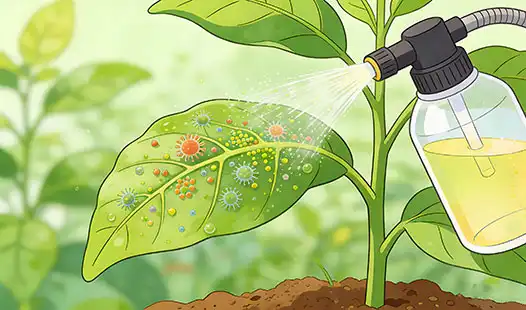
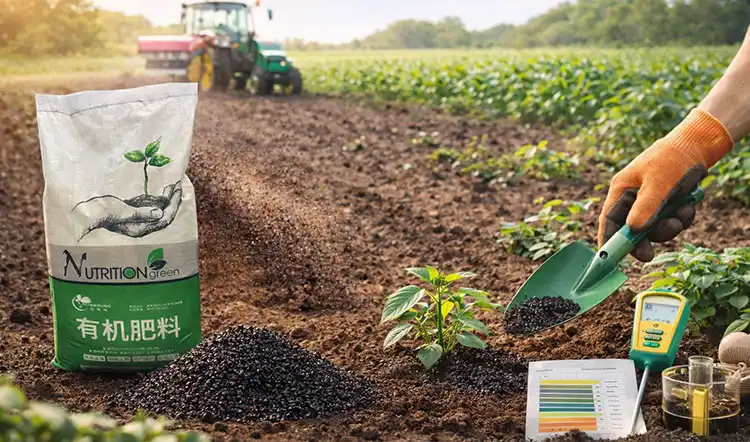
When applied at the right time, organic fertilizer works best when it works with the soil's natural processes and the crops' nutrient needs. Applying in the spring before planting gives the nutrients time to work in and for microbes to start growing. Incorporating dirt before planting makes sure that it is evenly distributed and helps roots come into contact with good bacteria. Side-dressing with nutrients during busy growth times is the best way to get extra nutrients to plants at that time. Broadcasting works well for established plants and perennials, while banded treatments focus nutrients on root zones to get the most out of them. Putting liquid organic mixtures on the leaves can help plants get nutrients quickly during important growth stages.
Soil Health Monitoring
Testing the soil regularly is important for getting information about how well organic fertilizer is working and for deciding how to apply it in the future. Fertilizer programs can be made more productive by keeping an eye on signs of biological activity, pH levels, and the amount of organic matter present. When organic fertilizer is added to soil, the aggregate stability and water uptake rates show that the soil structure has become better.Soil tests and plant tissue research work together to show how plants really take in nutrients and find possible shortages before they hurt yields. This information helps make changes to the fertilizer scheme and confirms how the fertilizer should be applied. Combining different tracking methods gives us a full picture of how dirt, plants, and fertilizer affect each other, which helps with precision farming.
Procurement Guidance: Finding Trusted Organic Fertilizer Suppliers
Successful organic fertilizer procurement requires careful evaluation of supplier capabilities, product quality, and service support that align with operational requirements and quality standards. Professional procurement approaches minimize risks while ensuring consistent product availability and performance.
Supplier Certification and Quality Standards
Organic fertilizer companies with a good reputation keep the right certifications that show they follow farming standards and environmental rules. Often, these certificates include guidelines for organic production, quality management systems, and proof that the business is following environmental laws. Suppliers with established research relationships and technical development skills can give you access to new goods and help with your applications. Inspections of manufacturing facilities and quality control records show how much can be produced and how consistently it must be done. Companies that offer thorough testing procedures and batch tracking systems show that they care about the quality of their products and making sure that they can be tracked. Technical data sheets and application guides show how knowledgeable the provider is and how well they can help customers.
Partnership Benefits and Support Services
Well-known companies that sell organic fertilizer offer a wide range of support services, such as technical advice, application training, and agricultural advising, in addition to just delivering the product. These relationships give the fertilizer program access to expert information and experience that makes it work better. Regular walks to the field and help with crop tracking help make sure that treatment tactics are working best for the growing conditions. Managing product needs and getting good prices for high-volume operations are made easier by bulk buying deals and seasonal planning services. Flexible transport times and storage suggestions help keep the quality of the product and make operations easier. Agricultural businesses can stay stable and keep getting better by forming long-term relationships with dependable providers.
Conclusion
Picking organic fertilizer is a smart investment in long-term farming output that pays off in both short-term crop benefits and long-term changes to soil health. Quality organic formulas provide complete nutrition through natural processes, while also improving the biological activity of the land and caring for the environment. When you mix organic matter, good bacteria, and important minerals, you get growing conditions that help crops grow and produce as much as they can. Modern organic fertilizer technology uses scientific study and advanced processing methods to make the goods more effective while still protecting the environment. This makes them more valuable for business farms looking for long-term growth solutions.
FAQ
What makes organic fertilizer more effective than synthetic alternatives?
Organic fertilizer provides sustained nutrition release through natural biological processes while simultaneously improving soil structure and microbial activity. The organic matter content enhances water retention and creates beneficial growing conditions that support long-term soil health. Beneficial microorganisms included in quality organic formulations establish natural disease suppression and nutrient cycling that continues benefiting crops throughout multiple growing seasons.
How do I determine the right application rate for organic fertilizer?
Application rates depend on soil testing results, crop nutritional requirements, and fertilizer nutrient content. Soil analysis provides baseline information about existing nutrient levels and organic matter content, while crop-specific guidelines indicate optimal nutrition requirements. Quality organic fertilizer suppliers provide detailed application recommendations based on these factors, and regular monitoring helps optimize rates for maximum effectiveness.
Can organic fertilizer help improve problem soils?
Organic fertilizer excels at addressing common soil problems, including compaction, poor drainage, and low biological activity. The organic matter content improves soil structure and aggregate formation, while beneficial microorganisms enhance biological processes that naturally improve soil conditions. Regular organic fertilizer applications can gradually transform problematic soils into productive growing environments that support healthy crop development.
Partner with Sciground for Premium Organic Fertilizer Solutions
Sciground delivers advanced organic fertilizer solutions specifically engineered for commercial agricultural success through innovative research and proven manufacturing excellence. Our specialized organic fertilizer formulations incorporate rich organic matter, soluble humic acids, and beneficial microorganisms that optimize crop nutrition while improving soil health and productivity. With over 20 years of research expertise from the Northwest Academy of Agricultural Sciences, we develop customized organic fertilizer products that address specific crop requirements and growing conditions. As a leading organic fertilizer manufacturer, we provide comprehensive technical support, bulk supply capabilities, and proven results that enhance agricultural profitability and sustainability. Contact our team at [email protected] to discuss your organic fertilizer procurement needs and discover how our specialized products can optimize your agricultural operations.
References
1. Smith, J.A., & Johnson, M.K. (2023). Organic Matter Dynamics in Agricultural Soils: Impact on Crop Productivity and Soil Health. Journal of Sustainable Agriculture, 45(3), 234-251.
2. Thompson, R.L., et al. (2022). Comparative Analysis of Organic vs. Synthetic Fertilizer Effects on Soil Microbial Communities. Soil Biology and Biochemistry, 78, 145-162.
3. Garcia, P.M., & Wilson, D.C. (2023). Economic Evaluation of Organic Fertilizer Applications in Commercial Agriculture. Agricultural Economics Review, 32(4), 78-95.
4. Lee, S.H., & Brown, K.J. (2022). Humic Acid Applications and Plant Nutrient Uptake Efficiency in Organic Farming Systems. Plant and Soil Sciences, 289, 312-328.
5. Martinez, A.L., et al. (2023). Long-term Soil Health Improvement Through Organic Fertilizer Management Practices. Agronomy Journal, 115(2), 456-473.
6. Chen, W.X., & Anderson, T.R. (2022). Organic Fertilizer Processing Technologies and Quality Control Standards. International Journal of Agricultural Technology, 18(5), 203-220.

Sciground
Shanrangde, in collaboration with a team of experts from the former Academy of Agricultural Sciences, focuses on developing patented organic fertilizers, including those specifically formulated for Corydalis rhizome. Chief expert Professor Liang Dejun, with over 20 years of industry experience, provides one-stop technical guidance from site selection to field management, helping farmers increase production and income.
Formulated by the original expert team from the Academy of Agricultural Sciences · Focused on organic nutrients specifically for crops
Contact us now to customize a green nutrition solution for your farmland.
Recommended Blog
_1767870624598.webp)